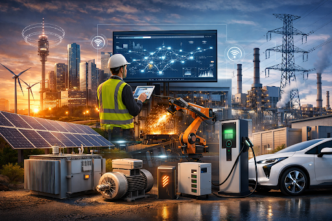
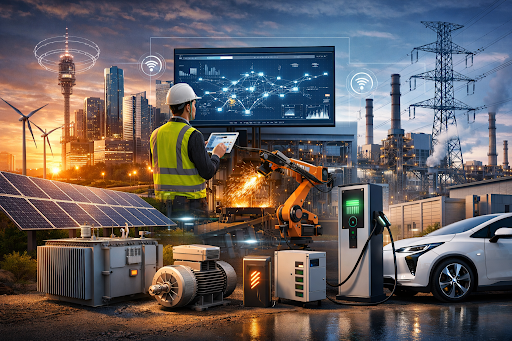
The electrical equipment supply landscape is undergoing a significant transformation as global demand for smarter, more efficient, and sustainable infrastructure accelerates. In 2026, electrical equipment suppliers are no longer just intermediaries between manufacturers and end users—they are strategic enablers of innovation across construction, energy, and industrial sectors.
Driven by advancements in smart technologies, increasing electrification, and heightened sustainability goals, suppliers are evolving their capabilities to meet the complex needs of modern projects. Their role now extends beyond product availability to include technical expertise, digital integration, and supply chain resilience.
Powering the Rise of Smart Infrastructure
Smart infrastructure is reshaping how cities, buildings, and industrial facilities operate. From intelligent lighting systems and automated energy management to connected grid technologies, the integration of digital intelligence into physical systems is becoming standard.
Electrical equipment suppliers play a crucial role in supporting this shift. They provide access to advanced components such as smart sensors, IoT-enabled devices, and intelligent control systems that enable real-time monitoring and optimization. These technologies allow organizations to improve operational efficiency, reduce energy consumption, and enhance system reliability.
Suppliers are also helping customers navigate the growing complexity of smart infrastructure projects. With a wide range of interoperable devices and platforms, ensuring compatibility and scalability is essential. Suppliers that offer consultative support—helping clients select the right components and design integrated solutions—are becoming invaluable partners.
Advancing Energy Efficiency Across Industries
Energy efficiency is no longer a secondary consideration; it is a core business priority. Rising energy costs, regulatory pressures, and sustainability commitments are driving organizations to adopt more efficient electrical systems.
Electrical equipment suppliers are at the forefront of this movement. They are expanding their portfolios to include high-efficiency transformers, advanced motor controls, LED lighting solutions, and energy management systems. These products help reduce energy consumption while maintaining or improving performance.
In addition to offering energy-efficient products, suppliers are providing data-driven insights that help customers optimize their energy usage. By leveraging analytics and monitoring tools, businesses can identify inefficiencies, track performance, and make informed decisions about system upgrades.
Suppliers also play a key role in supporting compliance with evolving energy standards and regulations. Their knowledge of industry requirements ensures that customers can implement solutions that meet both operational and legal expectations.
Enabling Industrial Electrification
Industrial electrification is a major driver of demand for electrical equipment in 2026. As industries transition away from fossil fuels and adopt electric-powered processes, the need for reliable, high-performance electrical systems is increasing.
Electrical equipment suppliers are essential to this transition. They provide the components needed to electrify manufacturing processes, including power distribution systems, automation controls, and industrial-grade wiring and connectivity solutions.
Beyond supplying products, suppliers are helping industrial organizations redesign their operations for electrification. This includes advising on system architecture, recommending energy-efficient technologies, and ensuring that infrastructure can support increased electrical loads.
Electrification also introduces new challenges, such as managing power quality, ensuring system reliability, and integrating renewable energy sources. Suppliers that can address these challenges through innovative solutions and technical expertise are positioning themselves as critical partners in industrial transformation.
Strengthening Supply Chain Agility
The importance of supply chain resilience has become increasingly evident in recent years. Disruptions caused by global events, material shortages, and logistical challenges have underscored the need for more agile and responsive supply networks.
Electrical equipment suppliers are adapting by diversifying their sourcing strategies, building stronger relationships with manufacturers, and investing in inventory management technologies. These efforts help ensure consistent product availability, even in volatile market conditions.
Digital tools are playing a key role in enhancing supply chain visibility. Real-time tracking, demand forecasting, and automated procurement systems enable suppliers to respond quickly to changing customer needs. This level of agility is particularly important for large-scale projects with tight timelines.
Suppliers are also leveraging regional distribution networks to improve delivery speed and reduce transportation costs. By positioning inventory closer to end users, they can provide faster service and greater reliability.
Embracing Digital Transformation
Digital transformation is reshaping the way electrical equipment suppliers operate and interact with customers. E-commerce platforms, mobile applications, and integrated procurement systems are becoming standard, enabling seamless and efficient transactions.
These digital capabilities go beyond convenience. They provide customers with access to detailed product information, technical specifications, and real-time inventory data, empowering them to make informed purchasing decisions.
For suppliers, digital transformation enables better demand planning, inventory optimization, and customer relationship management. Advanced analytics and automation tools help streamline operations, reduce errors, and improve overall efficiency.
Some suppliers are also exploring the use of artificial intelligence to enhance forecasting and personalize customer experiences. By analyzing purchasing patterns and project requirements, they can offer tailored recommendations and proactive support.
Supporting Sustainability and Decarbonization
Sustainability is a defining theme in the evolution of electrical equipment suppliers. As organizations strive to reduce their carbon footprints, suppliers are aligning their offerings with sustainability goals.
This includes expanding access to renewable energy components, such as solar inverters and energy storage systems, as well as promoting products designed for energy efficiency and reduced environmental impact. Suppliers are also adopting more sustainable practices within their own operations, including reducing waste and optimizing logistics.
Importantly, suppliers are helping customers navigate the complexities of decarbonization. By providing expertise in energy-efficient technologies and renewable integration, they enable organizations to make meaningful progress toward their sustainability targets.
The Future of Electrical Equipment Supply
In 2026, electrical equipment suppliers are playing a pivotal role in enabling the next generation of infrastructure and industrial systems. Their ability to combine product availability with technical expertise, digital innovation, and supply chain resilience makes them indispensable partners in a rapidly evolving landscape.
As smart infrastructure expands, energy efficiency becomes more critical, and industrial electrification accelerates, the value of forward-thinking suppliers will continue to grow. Organizations that collaborate closely with these suppliers will be better equipped to navigate complexity, drive innovation, and achieve long-term success in an increasingly electrified world.