
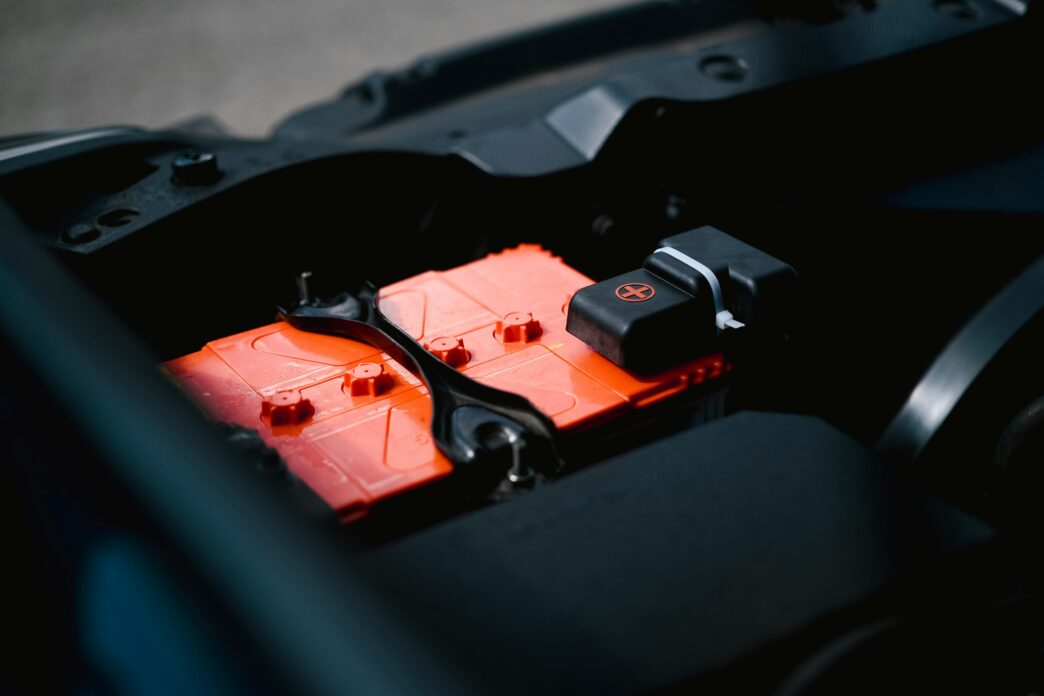
As electric vehicles continue to expand across global markets, more EVs are being deployed in cold climate regions and winter environments. However, low temperatures can significantly affect lithium battery performance, which directly impacts vehicle range, charging efficiency, and operational reliability.
When temperatures fall below 0°C (32°F), the electrochemical reactions inside lithium-ion batteries slow down, leading to reduced capacity and power output. In extremely cold environments such as −20°C, the driving range of electric vehicles may decrease by 30% to 50% if conventional battery systems are used.
For industries such as urban logistics, cold chain transportation, and long-distance freight, battery performance in cold environments is not just a technical issue but also an operational challenge.
Selecting the right battery for electric vehicles operating in cold climates is therefore essential for maintaining reliable performance and reducing operational risks.
Use of low-temperature lithium batteries
Challenges of EV Batteries in Cold Climates
Before selecting a battery solution, it is important to understand the main challenges electric vehicles face in low-temperature environments.
Low temperatures can cause several performance issues:
- Reduced battery capacity
- Increased internal resistance
- Slower charging speeds
- Limited power output
These factors collectively reduce the overall efficiency and reliability of electric vehicles during winter operations.
For commercial fleets and logistics operators, such performance degradation can lead to higher charging frequency, reduced delivery efficiency, and increased operating costs.
Key Factors When Choosing a Battery for Cold Climate EV
When selecting batteries for electric vehicles operating in cold environments, several technical factors should be carefully evaluated.
- Low-Temperature Discharge Performance
One of the most important factors is the battery’s ability to maintain stable discharge performance in low temperatures.
High-quality low temperature lithium batteries are designed to operate effectively in environments as cold as −20°C to −30°C.
If the battery’s low-temperature performance is insufficient, vehicles may experience:
- Significant range loss
- Reduced acceleration performance
- Difficulty starting in extremely cold weather
Therefore, evaluating a battery’s low-temperature discharge capability is critical during the selection process.
- Low-Temperature Charging Capability
Charging lithium batteries in cold environments presents additional technical challenges.
At low temperatures, lithium ions move more slowly within the battery, increasing the risk of lithium plating during charging. To prevent this, the Battery Management System (BMS) often reduces charging power.
This means:
- Charging time becomes longer
- Fast-charging capability is reduced
Batteries designed for cold climates should therefore include safe low-temperature charging strategies, such as temperature control and charging protection mechanisms.
- Battery Thermal Management System
Modern electric vehicles typically rely on Battery Thermal Management Systems (BTMS) to regulate battery temperature.
These systems maintain the battery within an optimal temperature range, even in harsh winter conditions.
Common thermal management technologies include:
- Liquid cooling systems
- Electric heating systems
- Heat pump technology
A well-designed thermal management system can significantly reduce winter range loss and improve overall battery efficiency.
- Intelligent Battery Management System (BMS)
An advanced BMS plays a critical role in maintaining battery performance and safety in cold climates.
Smart BMS systems can:
- Automatically preheat batteries before operation
- Adjust charging current based on temperature
- Optimize state-of-charge (SOC) calculations
These intelligent control strategies help ensure that the battery operates safely and efficiently in low-temperature environments.
Wide Temperature Lithium Batteries: An Ideal Solution for Cold Regions
To overcome the limitations of conventional lithium batteries, the industry has increasingly adopted wide temperature lithium battery technology.
Wide temperature batteries are specifically designed to operate across a broader temperature range through improvements in battery materials, electrolyte formulations, and structural design.
For example, UltraXel, developed by Guangzhou Aochuang Technology, focuses on advanced wide temperature lithium battery solutions capable of operating reliably in environments ranging from -40℃~+85℃.
Compared with standard lithium batteries, wide temperature batteries offer several advantages:
- More stable capacity in cold environments
- Improved discharge performance at low temperatures
- Reduced winter range loss
- Better reliability for demanding applications
These characteristics make wide temperature lithium batteries particularly suitable for electric logistics vehicles, cold chain transportation systems, and outdoor industrial equipment.
UltraXel _x0005_Wide Temperature Lithium Battery
Benefits for Logistics and Commercial EV Applications
In real-world operations, wide temperature lithium batteries provide significant advantages for commercial electric vehicle fleets.
For urban delivery vehicles, improved low-temperature performance helps maintain stable driving range and reduce charging frequency during winter operations.
For cold chain transportation, reliable battery performance ensures that both vehicle propulsion and refrigeration systems operate efficiently in low-temperature environments.
For long-distance logistics, stable winter performance reduces unexpected charging stops and improves transportation reliability.
As a result, fleet operators can achieve higher operational efficiency and lower overall operating costs.
About UltraXel and Guangzhou Aochuang Technology
Guangzhou Aochuang Technology (UltraXel) is a technology-focused manufacturer specializing in advanced lithium battery solutions for demanding environments.
The company focuses on the development of wide temperature lithium battery technology, providing reliable power solutions for applications operating in extreme climates.
UltraXel battery systems integrate:
- Optimized electrode materials and electrolytes
- Advanced battery thermal management technologies
- Intelligent BMS control systems
These innovations enable UltraXel batteries to deliver stable performance, long cycle life, and high safety standards, even in harsh environmental conditions.
UltraXel solutions are widely used in applications such as:
- Electric logistics vehicles
- Cold chain transportation fleets
- Industrial equipment operating in extreme environments
Through continuous innovation, Guangzhou Aochuang Technology aims to support the global transition toward more reliable and efficient electric mobility.
UltraXel Wide-Temperature Lithium Battery Manufacturing Plant
Conclusion
Cold climates pose significant challenges to electric vehicle battery performance, affecting capacity, charging speed, and overall efficiency.
When selecting batteries for EVs operating in low-temperature environments, it is essential to evaluate factors such as low-temperature discharge capability, charging performance, thermal management systems, and intelligent BMS control.
Wide temperature lithium battery technology provides an effective solution to these challenges, enabling electric vehicles to maintain stable performance even in harsh winter conditions.
As EV adoption continues to expand globally, advanced battery technologies will play a crucial role in ensuring reliable operation across all climates.