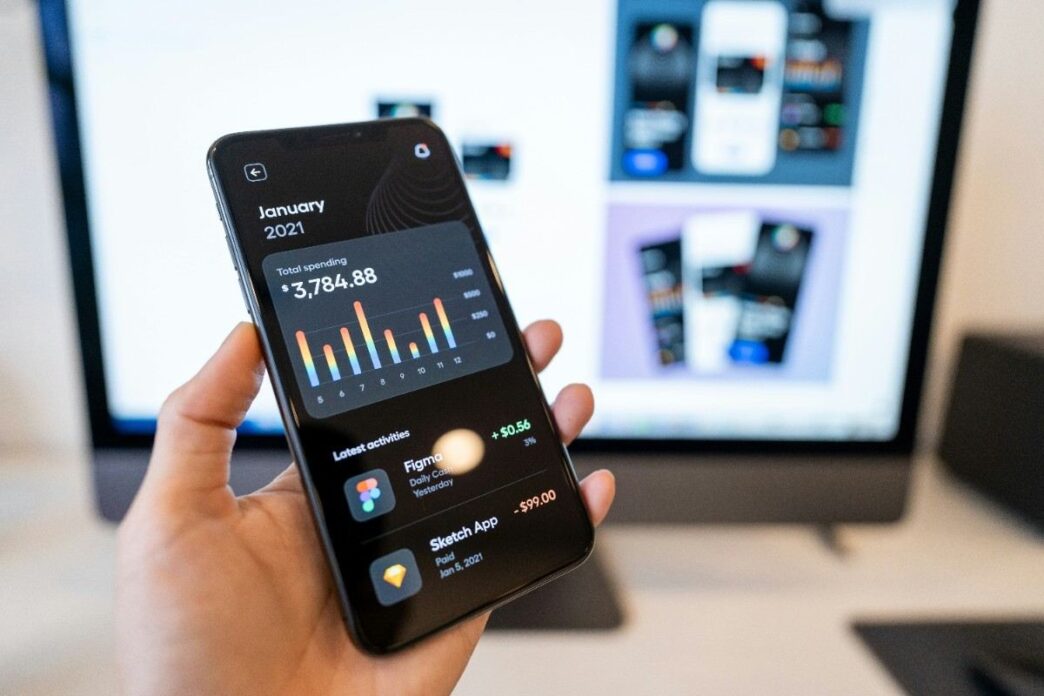
A trading app can provide access to investment accounts, market information, order placement, and portfolio-related services through a mobile device. With several applications available, investors can compare their features before selecting one for their investment requirements. The choice can depend on factors such as account facilities, security measures, charges, usability, and available investment products. Understanding these aspects can help investors assess whether an application suits their needs and investment approach. This article explains things to check before choosing a trading app for your investments.
Features to Check Before Choosing a Trading App
A demat app can provide access to Demat account holdings and related account information, while a trading app can provide facilities for placing orders and managing market transactions. Since these functions can be available through the same application, investors can check how well the app connects account management with trading facilities.
The following are some important factors to review before choosing a trading app:
Account Opening Process
The account-opening process should be clear and easy to understand. Investors can check whether the application supports digital account opening and provides information about the documents and KYC requirements involved.
The application should also clearly explain the different accounts required for the selected investment products.
Trading and Investment Options
Investors can check which products are available through the application. Depending on the intermediary, these may include:
- Equity shares
- Exchange-traded funds
- Mutual funds
- Initial public offerings
- Futures and options
- Other eligible market products
The available products should match the investor’s intended investment activities.
Demat Account Facilities
A Demat account is used to hold eligible securities electronically. Investors can check whether the application provides facilities to open and manage a Demat account along with the associated trading account.
The process for viewing holdings, transaction records, and account information should also be considered.
Security Features
Since a trading application can provide access to financial and personal information, security is an important consideration.
Investors can check for features such as:
- Secure login
- Multi-factor authentication
- Transaction verification
- Login alerts
- Device management
- Secure payment processes
Users should also keep passwords, PINs, and authentication details confidential.
Charges and Fees
Investors can review the applicable charges before using an application. Depending on the intermediary and services used, these can include brokerage, account-related charges, transaction charges, statutory levies, and applicable taxes.
The pricing structure should be clear so that investors can understand the costs associated with different transactions and services.
Order Placement and Execution
The application should provide a clear process for placing eligible orders. Investors can check whether it supports relevant order types and displays important information before an order is submitted.
The application may also provide order-status information so users can track pending, executed, or cancelled orders.
Market Information
Access to relevant market information can help investors review securities before placing transactions. Depending on the application, this may include:
- Live or delayed market prices
- Price charts
- Trading volume
- Market depth
- Corporate announcements
- Company information
Investors should understand whether the displayed information is real-time and whether additional conditions apply.
Portfolio Tracking
A trading application can provide a consolidated view of holdings and transactions. Investors can check whether it displays information such as:
- Securities held
- Quantity
- Current value
- Purchase details
- Transaction history
- Profit or loss information
Clear portfolio information can make periodic investment reviews easier.
Research and Analytical Tools
Some applications provide research reports, company information, technical charts, screeners, or other analytical tools.
These facilities can support research, but investors should evaluate information independently and consider their financial objectives and risk tolerance before making investment decisions.
Customer Support
Investors can check the available customer-support channels before selecting an application. These may include telephone support, email, chat, or other digital assistance.
Information about account-related queries, transaction issues, and complaint-resolution procedures should also be readily available.
User Interface and Accessibility
A trading account app should provide clear navigation for commonly used functions. Investors can check whether important sections such as holdings, orders, funds, watchlists, and account details are easy to locate.
Application stability and compatibility with the user’s device can also be considered.
How to Compare Trading Apps
Investors can compare applications using a simple checklist:
| Factor | What to Check |
| Account opening | KYC process and required documents |
| Investment products | Available securities and investment options |
| Security | Authentication and transaction controls |
| Charges | Brokerage and other applicable costs |
| Orders | Order types and status tracking |
| Market data | Prices, charts and other information |
| Portfolio | Holdings and transaction records |
| Support | Available service channels |
Comparing these factors can help investors identify differences between applications and select one that matches their requirements.
Conclusion
Choosing a trading application involves reviewing more than its interface or number of features. Platforms such as Agnik can be among the options investors consider when comparing account management and market-access facilities. Investors can assess security, charges, investment products, order functions, portfolio tracking, and customer support before selecting an application. A careful comparison can help ensure that the chosen application aligns with the investor’s requirements and preferred way of managing investments.