
The buzz around artificial intelligence can feel overwhelming, but for businesses, it’s less about futuristic robots and more about practical tools. Forget the science fiction; this is about how ai solutions are quietly fixing everyday problems and making companies run smoother. We’re looking at how businesses are actually using AI right now to get things done better, serve customers more effectively, and make smarter choices without all the complicated tech talk.
Key Takeaways
- AI helps businesses talk to customers in more personal ways and get back to them faster, even 24/7.
- Operations get a boost with AI managing stock better, predicting when machines need fixing, and spotting fraud.
- Making big decisions gets easier with AI looking at market trends, understanding customer groups, and spotting risks.
- AI can automate simple tasks, link different software together, and even summarize long meetings.
- Start using AI with small projects that show clear benefits, then grow your use of these ai solutions over time.
Enhancing Customer Engagement With AI Solutions
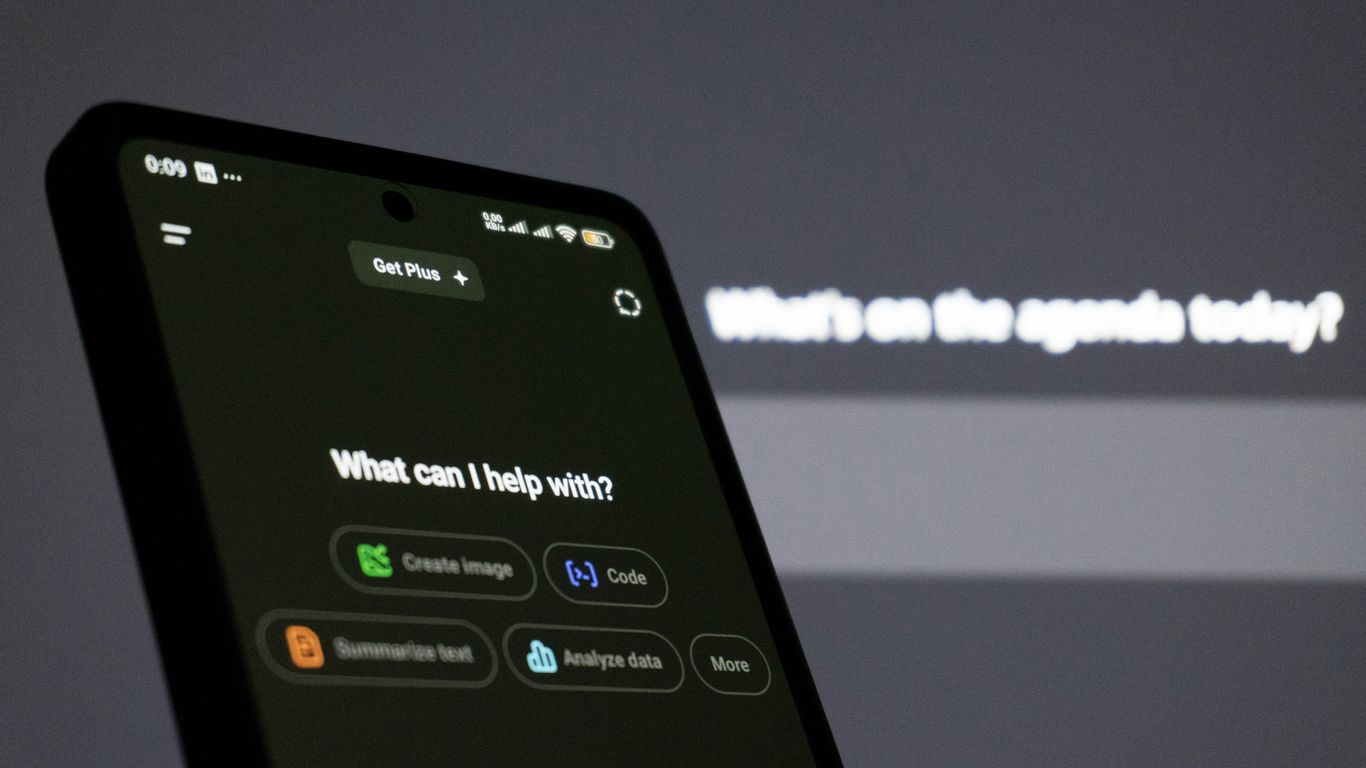
Let’s talk about making your customers happier. It sounds simple, but in today’s busy world, it’s a real challenge. AI can actually help a lot here, not with fancy robots, but with smart tools that make interactions smoother and more personal. The goal is to make every customer feel seen and valued.
Personalized Customer Interactions
Remember when customer service felt like a one-size-fits-all deal? AI changes that. By looking at past purchases, browsing history, and even how a customer has interacted with your brand before, AI can help tailor conversations and recommendations. Think about getting an email with product suggestions that actually match what you’ve been looking for, or a chatbot that remembers your previous issues and knows how to help without you repeating yourself. This kind of attention makes people feel like you get them, and that’s a big deal for keeping them around. It’s about creating individual journeys for each person, which can really boost customer lifetime value [c945].
Reducing Customer Wait Times
Nobody likes being put on hold, right? AI-powered chatbots are fantastic for handling the common questions that come up all the time. Things like checking an order status, asking about return policies, or even resetting a password can be handled instantly by a bot. This frees up your human support team to tackle the more complex problems that really need a person’s touch. So, while the bot handles the quick stuff, your team can give more focused attention to the customers with trickier issues. This means less waiting for everyone and generally happier customers.
Providing Round-The-Clock Support
Your business might close at 5 PM, but customer questions don’t always stick to a schedule. AI chatbots can be available 24/7, every single day of the year. This is a game-changer, especially if you have customers in different time zones or if someone needs help late at night. It means no more missed opportunities or frustrated customers who have to wait until morning. Providing this constant availability shows you’re always there for them, which builds trust and reliability. Brands are using AI to create these personalized customer journeys, and it’s proving effective for retention [17d0].
Streamlining Business Operations Through AI Solutions
Let’s face it, running a business involves a lot of moving parts, and sometimes things can get a bit chaotic. That’s where AI steps in, not as some futuristic concept, but as a practical tool to make your day-to-day operations smoother and more efficient. Think of it as a really smart assistant that can handle some of the more repetitive or complex tasks, freeing you and your team up to focus on what really matters.
Optimizing Inventory Management
Keeping track of stock can be a headache. Too much, and you’re tying up cash and risking spoilage or obsolescence. Too little, and you’re missing out on sales. AI can really help here. By looking at past sales data, current trends, and even external factors like weather or local events, AI can predict demand with surprising accuracy. This means you can stock just the right amount of product, cutting down on waste and making sure you don’t disappoint customers. It’s about having what people want, when they want it, without a lot of guesswork. This kind of smart inventory control is a big step towards reducing operational costs.
Predictive Maintenance for Equipment
Equipment breaking down unexpectedly is a major disruption. It halts production, costs a fortune in emergency repairs, and can even damage your reputation. AI changes the game by predicting when a machine might fail before it actually happens. Sensors on your equipment can feed data into AI systems, which then analyze patterns that indicate an impending issue. This allows you to schedule maintenance proactively, during planned downtime, rather than scrambling to fix a crisis. It’s a much more cost-effective and less stressful way to keep your operations running smoothly.
Real-Time Fraud Detection
In today’s digital world, fraud is a constant concern, especially for businesses handling transactions. Traditional methods of fraud detection often rely on set rules, which can be slow and miss new types of fraudulent activity. AI, however, can analyze transactions as they happen, looking for unusual patterns that might indicate fraud. It learns and adapts, becoming better at spotting suspicious behavior over time. This real-time monitoring is crucial for protecting your business and your customers from financial loss. Many companies are already using AI to automate invoice processing and other financial tasks, making them more secure and efficient.
Leveraging AI Solutions for Strategic Decision-Making
Making smart choices for your business used to rely a lot on gut feelings and past experiences. Now, with AI, we can add a powerful layer of data-driven insight to that process. It’s not about replacing human judgment, but about giving it better information to work with. AI-powered decision-making offers a significant competitive advantage by enabling real-time strategy and dynamic actions. This means you can react faster to changes and make choices that are more likely to pay off.
Analyzing Market Trends and Predictions
Trying to guess what customers will want next or how the market will shift can feel like a guessing game. AI can sift through massive amounts of data – think social media chatter, sales figures, and competitor moves – to spot patterns we might miss. This helps businesses get ahead of the curve, figuring out what products to develop or how to adjust marketing campaigns before the competition even notices. It’s like having a crystal ball, but it’s powered by actual data. Companies are already using AI to optimize logistics and understand market dynamics better.
Advanced Customer Segmentation
We all know that not all customers are the same, but truly understanding the different groups within your customer base can be tough. AI can break down your customer list into much finer segments than traditional methods. It looks at buying habits, online behavior, and even demographic details to create detailed profiles. This allows for much more targeted marketing, where you’re not just sending out generic emails, but messages that actually speak to what each group cares about. This leads to better engagement and, ultimately, more sales.
Risk Assessment and Mitigation Strategies
Every business faces risks, whether it’s financial, operational, or market-related. AI can help identify these potential problems before they become major issues. By analyzing financial reports, economic indicators, and even news articles, AI can flag areas of concern. It can also help figure out the potential impact of these risks and suggest ways to lessen their effect. This proactive approach means you can make more confident decisions about where to invest, how to allocate resources, and steer the business clear of potential pitfalls. It’s about being prepared and making informed choices, rather than just reacting when something goes wrong. For example, AI can help identify potentially fraudulent transactions in real-time, saving businesses significant losses.
Practical AI Solutions for Workflow Automation
Let’s talk about making your day-to-day work life a little less… well, work-y. AI isn’t just for the big, fancy stuff; it’s also incredibly good at taking over those repetitive tasks that eat up your time. Think of it as having a super-efficient assistant who never gets tired or asks for a raise.
Automating Text-Based Tasks
This is where AI really shines for many businesses. We’re talking about things like drafting emails, generating reports, or even writing initial social media posts. Instead of staring at a blank screen, you can give an AI tool a few prompts, and it’ll whip up something usable. It’s not always perfect, mind you, and you’ll still need to add your own human touch and review it, but it cuts down the initial effort dramatically. For instance, customer service teams can use AI to automatically generate responses to common inquiries, freeing up agents to handle more complex issues. This kind of automation can really speed things up, and you can find tools that integrate with your existing systems. It’s about getting a solid first draft done in minutes, not hours. You can explore some of these AI automation benefits in case studies.
Integrating Applications for Efficiency
Ever feel like your different software programs are playing hard to get with each other? AI can help bridge those gaps. Tools exist that can connect your CRM to your email marketing platform, or your project management software to your calendar, without needing a team of developers. This means data flows more smoothly between systems, reducing manual data entry and the errors that come with it. Imagine a sales lead coming in through your website; an AI-powered integration could automatically create a contact in your CRM, assign a follow-up task, and even send a welcome email. It’s about making your tools work together, so you don’t have to.
AI-Powered Meeting Summarization
Meetings. We all have them. And how often do you actually remember all the key decisions and action items discussed? AI can now listen in on your meetings (with everyone’s permission, of course) and generate a summary for you. This summary usually includes the main topics, decisions made, and who is responsible for what. It’s a huge time-saver, especially if you’re in back-to-back meetings all day. No more scribbling notes and trying to decipher them later. You get a clean, organized summary that you can easily share with the team. This helps keep everyone on the same page and makes sure those action items don’t get lost in the shuffle. It’s a simple way to boost accountability and make sure your meetings are actually productive.
Implementing AI Solutions: A Scalable Approach
So, you’re ready to bring AI into your business, but where do you even start? It can feel a bit overwhelming, right? The good news is, you don’t need to go all-in overnight. A smart way to do this is by starting small and building up. Think of it like learning to cook a new dish – you don’t try to make a five-course meal on your first go. You start with a simple recipe, get the hang of it, and then maybe add more complex elements later.
Identifying High-Impact Use Cases
First things first, figure out where AI can actually make a difference for your specific business. What are the biggest headaches? What tasks take up way too much time or cost a lot of money? Look for those areas. Maybe it’s answering the same customer questions over and over, or perhaps it’s trying to keep track of inventory without much waste. Pinpointing these spots is key. It’s about finding those problems that, if solved with AI, would give you the biggest bang for your buck. This is where you can really see the value, and it helps get everyone on board.
Piloting Targeted AI Projects
Once you know where you want to focus, try out a small project. Don’t try to fix everything at once. Pick one specific problem and find an AI tool or solution that can tackle it. For example, if customer service is a big pain point, maybe you pilot an AI chatbot just for answering frequently asked questions. Or if inventory is tricky, try an AI tool that helps predict demand for just one product line. This pilot phase is super important. It lets you test the waters, see what works, and learn without risking too much. It’s a chance to get some early wins and build confidence. You can use this AI strategy framework to help guide your choices.
Gradually Scaling AI Initiatives
After your pilot project shows promise, that’s when you can start thinking bigger. Did the chatbot reduce the number of calls to your support team? Great! Now, maybe you expand its capabilities or roll it out to more customer service channels. Did the inventory predictor work well? Perhaps you apply it to more product categories. The idea is to grow your AI use step-by-step, based on what you’ve learned. This gradual approach makes the whole process much more manageable and less disruptive. It also means you can keep refining your AI strategy as you go, making sure it stays aligned with your business goals. This approach helps in transitioning AI experiments into successful deployments, focusing on business outcomes.
Putting AI to Work for You
So, we’ve talked about how AI isn’t some far-off sci-fi thing. It’s here, and it’s already helping businesses with real problems, like making customers happier and keeping things running smoothly. The key is to stop getting caught up in all the buzz and just start using it. Think about one small thing AI could fix for you right now. Maybe it’s answering common questions or just making sense of some data. Start there. You don’t need a whole new setup overnight. Just try a little piece, see how it goes, and then build on that. AI can really help your business do better, not by replacing people, but by giving them tools to do their jobs smarter and focus on the stuff that really matters.
Frequently Asked Questions
What exactly is AI and how can it help my business?
Think of AI as smart computer programs that can learn and make decisions, kind of like how people do, but much faster. For businesses, AI can help in many ways, like making customers happier by answering their questions quickly, or making sure your company runs smoother by handling repetitive tasks automatically. It’s like having a super-helpful assistant for your business.
Is AI only for big companies, or can small businesses use it too?
Absolutely! AI isn’t just for giant corporations anymore. Many AI tools are designed to be easy to use and affordable, making them perfect for smaller businesses too. You can start with simple tools that help with things like sending out emails or managing social media, and grow from there.
How can AI make my customers happier?
AI can help by making sure your customers get help right away, even if it’s late at night. Chatbots can answer common questions instantly, and AI can also help you understand what each customer likes so you can offer them things they’ll really want. This makes them feel special and looked after.
Will AI replace my employees?
Not at all! AI is meant to help your employees, not replace them. It can take over boring, repetitive jobs so your team can focus on more interesting and important work that needs creativity and human connection. It’s like giving your team superpowers to do their jobs even better.
How do I start using AI in my business without getting overwhelmed?
The best way to start is small. Think about one or two things in your business that are a bit tricky or take up too much time. Maybe it’s answering customer questions or organizing your data. Try out an AI tool for just that one thing first. Once you see how well it works, you can try it for other areas.
What kind of results can I expect from using AI?
You can expect a lot of good things! Businesses often see their customers becoming happier because they get faster service. Operations can become much smoother, saving time and money. Plus, AI can help you make smarter choices by showing you important information you might have missed. It’s all about making your business work better and grow.