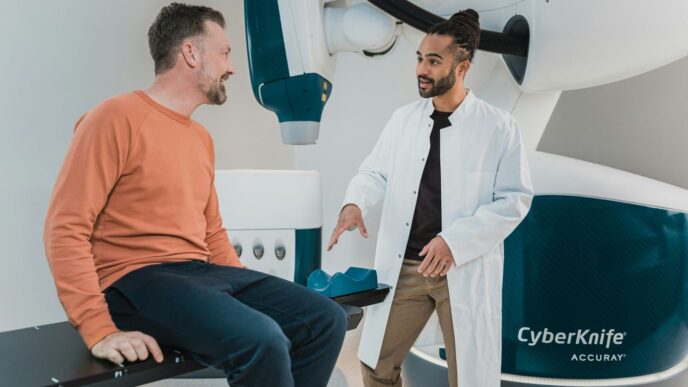

Healthcare professionals work in environments where comfort, hygiene, professionalism, and practicality matter every day. From hospitals and medical centers to private clinics, dental practices, aged care facilities, and specialist offices, the right uniform can make a noticeable difference to the working experience.
A well-designed uniform is more than a piece of clothing. It supports movement during busy shifts, creates a professional impression for patients, and helps healthcare teams maintain a consistent appearance. With modern healthcare workplaces becoming increasingly focused on both functionality and presentation, choosing suitable uniforms has become an important consideration for employers and individual professionals.
This guide explores what to look for when selecting healthcare workwear, including fabric, comfort, fit, durability, style, hygiene, and workplace suitability. It also explains why specialized dental clothing deserves careful consideration and how the right uniform can support both staff and patient experiences.
Why Healthcare Uniforms Matter
Healthcare workers can spend long hours moving between treatment rooms, reception areas, laboratories, wards, and other clinical spaces. Their clothing needs to perform throughout the entire working day.
Practical uniforms allow professionals to focus on their responsibilities without constantly worrying about uncomfortable fabrics, restrictive designs, or poorly fitting garments.
A quality uniform can provide several advantages, including:
- Improved comfort during long shifts
- Greater freedom of movement
- A professional appearance
- Easier workplace identification
- Practical storage for essential items
- Better durability through repeated washing
- A consistent team image
- Suitable protection from everyday workplace mess
These benefits explain why healthcare organizations invest considerable thought into their staff clothing.
Comfort Should Come First
Comfort is one of the most important factors when choosing healthcare workwear. A uniform may look attractive, but if it restricts movement or becomes uncomfortable after several hours, it is unlikely to be a good choice.
Healthcare professionals often bend, stretch, walk, sit, stand, and move quickly throughout the day. Uniforms should accommodate these activities naturally.
Look for garments made from breathable materials that allow airflow. Fabrics with a degree of stretch can also provide additional flexibility, particularly for professionals who spend much of their day moving between patients.
The fit should be comfortable without being excessively loose. Clothing that is too tight can restrict movement, while oversized garments may become inconvenient during clinical tasks.
The Importance of Breathable Fabrics
Healthcare environments can become warm, especially during busy shifts. Professionals may move continuously from one task to another, making breathable fabric an important consideration.
Materials that allow moisture and heat to escape can help workers remain more comfortable. Lightweight fabrics may also reduce the feeling of heaviness during extended shifts.
However, lightweight does not necessarily mean low quality. Modern healthcare clothing can combine breathability with strength, creating garments that are comfortable while still capable of handling frequent washing and daily use.
Durability for Everyday Work
Healthcare uniforms are washed regularly. As a result, durability should be considered before purchasing any workwear.
Repeated washing can affect low-quality garments. Colors may fade, stitching can weaken, and fabrics may lose their original shape. A durable uniform should maintain its appearance and structure after repeated use.
When evaluating workwear, pay attention to stitching, seams, fabric construction, buttons, zippers, and other areas that experience regular stress.
Investing in durable clothing can also provide better value over time because garments may not need to be replaced as frequently.
Choosing the Right Fit
Uniform sizing varies between manufacturers, so healthcare professionals should not assume that their usual clothing size will always provide the best fit.
A good fit should allow comfortable movement without creating unnecessary excess fabric. When trying a uniform, consider common workplace movements such as reaching forward, bending down, walking quickly, and sitting for extended periods.
The shoulders should sit comfortably, sleeves should provide appropriate coverage, and trousers should allow sufficient movement.
For organizations ordering uniforms for multiple employees, providing detailed sizing information can help reduce exchanges and ensure that everyone receives suitable clothing.
Professional Appearance Builds Confidence
Patients often form impressions of healthcare professionals quickly. Clothing can contribute to that first impression.
Clean, well-fitted uniforms can create an organized and professional appearance. They can also help patients identify members of the healthcare team more easily.
A coordinated uniform policy can provide consistency across a practice. Matching colors, styles, or embroidered names can create a polished appearance without sacrificing individual comfort.
Professional presentation is particularly important in private healthcare practices, where the overall patient experience can influence how people perceive the quality of the service.
Medical Uniforms for Different Healthcare Roles
The needs of healthcare professionals can vary significantly depending on their responsibilities.
Nurses may prioritize comfortable tops and trousers that allow unrestricted movement during long shifts. Doctors may prefer a combination of practical clothing and a polished professional appearance.
Reception staff may have different requirements because their work is less physically demanding and more focused on patient interaction.
Technicians and laboratory professionals may need clothing designed around their specific workplace environment.
This means there is no universal uniform that works perfectly for every role. Employers should consider the responsibilities of each team when establishing workplace clothing requirements.
Practical Features Make a Difference
Small design features can have a major effect on everyday convenience.
Pockets are one example. Healthcare professionals often need to carry pens, small notebooks, identification cards, keys, mobile devices, or other essentials.
Well-positioned pockets provide easy access without creating unnecessary bulk.
Other useful features may include:
- Stretch panels
- Adjustable waistbands
- Secure closures
- Reinforced seams
- Side vents
- Comfortable collars
- Flexible cuffs
- Easy-care fabrics
The best features depend on the specific role and workplace.
Dental Professionals Have Unique Requirements
Dental practices have their own working conditions. Dentists, dental assistants, hygienists, and other team members may spend significant periods standing, leaning forward, reaching across treatment areas, and working closely with patients.
This makes flexibility particularly important.
Dental staff also need clothing that creates a clean and professional appearance. Because patients spend considerable time observing their dental care team, uniforms can contribute to the overall atmosphere of the practice.
For practices looking for suitable dental uniforms australia professionals can wear comfortably throughout the day, factors such as climate, fabric breathability, durability, fit, and ease of care deserve careful attention.
Uniforms and Patient Experience
A healthcare uniform can influence the patient experience in subtle ways.
Patients may feel more comfortable when staff members appear organized, professional, and easy to identify. A consistent uniform can also make a practice feel more established.
In dental clinics, this can be especially valuable. Some patients already feel nervous about dental appointments. A calm and professional environment can help create a more reassuring experience.
Uniforms cannot eliminate patient anxiety, but they can contribute to a welcoming clinical environment.
Choosing Colors Carefully
Color is another important consideration for healthcare clothing.
Many organizations choose traditional colors because they create a familiar clinical appearance. Others select contemporary shades to establish a distinctive brand identity.
When choosing colors, organizations should consider how easily garments show stains and how well colors hold up after repeated washing.
Darker shades can sometimes be practical for busy environments, while lighter shades may create a fresh and traditional appearance.
The best choice depends on the workplace, branding preferences, and practical requirements.
Matching Uniforms With Workplace Branding
A uniform can become part of a healthcare organization’s visual identity.
Consistent colors and professional styling can help create a recognizable appearance across different departments. Some organizations also add embroidered names, job titles, or logos.
Branding should remain subtle enough that it does not interfere with the practical purpose of the clothing.
The primary goals should always be comfort, functionality, cleanliness, and professionalism.
Easy-Care Clothing Saves Time
Healthcare uniforms require regular cleaning. Choosing easy-care fabrics can make maintaining them much easier.
Professionals often have demanding schedules, so workwear that requires complicated washing or ironing may become inconvenient.
Look for garments that can be washed according to straightforward care instructions and maintain their shape after regular laundering.
Quick-drying fabrics can also be useful for professionals who need clean uniforms frequently.
Easy-care clothing is particularly valuable for organizations that provide multiple sets of uniforms to employees.
Hygiene and Cleanliness
Cleanliness is essential in healthcare settings. Uniforms should be maintained properly and changed according to workplace policies.
While clothing alone does not replace proper infection prevention procedures, clean and well-maintained uniforms support a professional clinical environment.
Healthcare organizations should establish clear policies covering uniform care, storage, laundering, and replacement.
Employees should also avoid allowing workwear to become unnecessarily contaminated outside the workplace.
Having Multiple Uniform Sets
Owning several sets of workwear can make daily life considerably easier.
Instead of relying on one uniform, professionals can rotate between several sets throughout the week. This allows clothing to be cleaned properly while ensuring that a fresh uniform is always available.
Multiple sets can also extend garment life because each individual item experiences less frequent washing and wear.
For employers, providing enough uniforms for staff can help establish consistent standards across the workplace.
Seasonal Considerations
Healthcare professionals may work in environments where temperatures change throughout the year. Uniform choices should therefore account for seasonal comfort.
During warmer months, breathable and lightweight fabrics can help reduce discomfort. In cooler conditions, layering may provide additional warmth without restricting movement.
Dental and medical practices with strong climate control may have more consistent indoor temperatures, but staff still need to consider their commute and movement between different areas of a facility.
Flexible layering can be particularly useful when uniforms need to remain professional throughout changing conditions.
Choosing Uniforms for Long Shifts
A uniform that feels comfortable for one hour may feel very different after an eight or ten-hour shift.
Long shifts make fabric quality, waistband comfort, breathability, and freedom of movement increasingly important.
Professionals should think about the longest working day they typically experience rather than selecting clothing based only on how it feels during a short fitting.
Try sitting, walking, reaching, bending, and moving naturally while evaluating a uniform. These simple tests can reveal fit issues that may not be obvious while standing still.
The Role of Stretch
Stretch fabrics have become increasingly popular in modern healthcare clothing.
A small amount of stretch can make garments significantly more flexible. This can be particularly helpful for professionals who frequently bend or reach.
Stretch should not come at the expense of durability, however. A quality garment should recover its shape after movement and repeated washing.
The right balance between flexibility and structure can create workwear that feels comfortable without appearing overly casual.
Storage and Pocket Design
Healthcare professionals often carry several small items during a shift.
Pockets can therefore be one of the most useful features of a uniform. However, more pockets are not always better.
Poorly positioned pockets can become uncomfortable or interfere with movement. Large pockets can also create an untidy appearance when filled with equipment.
Well-designed storage should provide enough space for essential items while keeping the overall silhouette neat and professional.
Uniforms for Dental Clinics
Dental practices should consider both staff comfort and the visual character of the clinic when choosing uniforms.
A modern dental uniform can help create a welcoming appearance while remaining practical for clinical work.
Dental teams may also choose different styles for dentists, hygienists, assistants, and reception staff. Keeping certain elements consistent can create a unified appearance while allowing each role to have appropriate clothing.
This approach can help patients identify different members of the team more easily.
Balancing Style and Function
Healthcare uniforms do not need to look outdated.
Modern designs offer a wide range of cuts, colors, fabrics, and details. Professionals can find clothing that looks contemporary while still meeting the practical demands of healthcare work.
However, fashion should never be the only consideration.
A stylish uniform that is uncomfortable, difficult to clean, or unsuitable for daily movement will not provide lasting value.
The strongest choices balance appearance with performance.
Buying Uniforms for an Entire Team
Organizations purchasing uniforms for a team should take a slightly different approach from individual buyers.
Management should consider:
- Workplace requirements
- Employee comfort
- Available sizing
- Fabric durability
- Washing requirements
- Color consistency
- Budget
- Replacement availability
- Branding requirements
- Seasonal needs
Staff feedback can also be extremely useful. Employees understand the physical demands of their roles and may identify practical issues that management might overlook.
Budgeting for Quality Workwear
Price is naturally an important factor, but the cheapest option may not always provide the best value.
A low-cost uniform that wears out quickly may need to be replaced several times. A more durable garment may cost more initially but provide greater value over its useful life.
Organizations should consider cost per wear rather than simply looking at the initial purchase price.
Durability, comfort, wash performance, and replacement costs all contribute to the overall value of a uniform.
When Should Uniforms Be Replaced?
Even high-quality healthcare clothing eventually needs replacement.
Signs that a uniform may need to be replaced include:
- Persistent stains
- Fading colors
- Loose stitching
- Damaged seams
- Loss of shape
- Thinning fabric
- Broken closures
- Excessive wear
- Poor overall appearance
Uniforms should remain clean, presentable, and functional. If a garment no longer meets these standards, replacing it is usually the better choice.
The Importance of Consistency
A consistent uniform policy can help healthcare organizations maintain professional standards.
Patients should be able to recognize staff members easily, while employees should understand what is expected from their workplace clothing.
Consistency does not necessarily mean every employee must wear exactly the same design. Organizations can establish guidelines around colors, styles, branding, and appropriate garments while still allowing some flexibility.
This can provide a balance between professional presentation and individual comfort.
Sustainable Uniform Choices
Sustainability is becoming increasingly important across many industries, including healthcare.
Choosing durable uniforms can reduce unnecessary clothing waste because garments do not need to be replaced as frequently.
Organizations can also consider the lifespan of fabrics, manufacturing quality, care requirements, and the practical longevity of each garment.
Buying fewer high-quality uniforms that last longer may sometimes be more sustainable than repeatedly replacing inexpensive garments.
What to Look for Before Purchasing
Before committing to a particular uniform, consider the following questions:
Does the fabric feel comfortable?
Can you move freely?
Will it remain comfortable during a long shift?
Is the material suitable for frequent washing?
Are the pockets practical?
Does the sizing work for different body shapes?
Does the design look professional?
Is the garment appropriate for the specific healthcare role?
Will the fabric maintain its appearance over time?
Does the uniform meet workplace requirements?
Answering these questions can make the purchasing process much easier.
Creating a Better Uniform Experience
A successful uniform program should focus on the people wearing the clothing.
Healthcare professionals already deal with demanding workloads. Their uniforms should make the working day easier rather than adding another source of discomfort.
Employers can improve the uniform experience by asking staff for feedback, offering appropriate sizing, replacing worn garments promptly, and selecting fabrics that work well in the local environment.
When employees are comfortable in their uniforms, they can move through their daily responsibilities with greater confidence.
Final Thoughts
The right healthcare workwear combines comfort, practicality, durability, hygiene, and professional presentation. Whether the workplace is a large medical facility, a specialist clinic, or a modern dental practice, uniforms should be selected according to the real needs of the people who wear them.
Quality medical uniforms can support professionals throughout demanding shifts while creating a consistent and trustworthy appearance for patients. In dental environments, carefully selected dental uniforms Australia professionals can rely on can provide the flexibility, comfort, and polished presentation needed for modern clinical settings.
Ultimately, the best uniform is one that feels comfortable throughout the day, performs well after repeated washing, supports movement, and helps professionals look confident and prepared. By focusing on quality, fit, fabric, functionality, and workplace requirements, healthcare organizations and individual professionals can make smarter choices that deliver value well beyond the initial purchase.