So, you’re thinking about getting one of those cool folding phones? Yeah, me too. It feels like just yesterday they were a novelty, but now, in 2026, they’re actually getting really good. Like, seriously good. Forget those early models that felt a bit clunky or fragile. The new ones are tough, they look amazing, and they do some pretty neat tricks. If you’re curious about what’s out there and want to find the best foldable phone for yourself, you’ve come to the right place. We’re going to check out some of the top contenders that are making waves this year.
Key Takeaways
- Folding phones in 2026 are much more durable, often with water and dust resistance, making them suitable for daily life.
- The main draw of a foldable is its ability to transform from a compact phone to a larger screen for better multitasking and viewing.
- While luxury options exist, models like the Motorola Razr 60 Ultra offer a good mix of features, design, and price.
- Major brands are offering extended software support, with some phones getting up to seven years of updates.
- Some book-style foldables, like the Honor Magic V5, support styluses for added productivity, but always check specific model details.
1. Samsung Galaxy Z Flip 7
Alright, let’s talk about the Samsung Galaxy Z Flip 7. This is the phone that most people will probably want if they’re eyeing a foldable flip phone. Samsung really listened this time around, giving it a much bigger cover screen. We’re talking a 4.1-inch display now, which makes a huge difference for quick checks and replies without even opening the phone. It’s got that 120Hz refresh rate too, so everything looks super smooth.
Inside, you’ve still got that big 6.9-inch main screen, which is great for when you actually need to do more. They’ve put in the Exynos 2500 chip this year, which is pretty zippy for daily tasks, though some folks have noticed it can get a bit warm if you push it too hard. The cameras are the same as last year – a 50MP main shooter and a 12MP ultrawide. Don’t expect any fancy zoom here, though. One of the coolest things is the promise of seven years of software and security updates. That’s a long time to keep your phone feeling fresh!
Here’s a quick look at what’s under the hood:
- Display: 6.9-inch Dynamic AMOLED 2X (internal), 4.1-inch Super AMOLED (external)
- Processor: Samsung Exynos 2500
- RAM: 12GB
- Storage: 256GB / 512GB
- Battery: 4,300mAh
- Cameras: 50MP (main) + 12MP (ultrawide)
It feels a bit wider than previous models, which actually makes it more comfortable to hold, kind of like a regular Galaxy S phone. This is easily the most recommendable foldable phone for most users in 2026. While it’s not perfect, especially with the charging speed and the potential for overheating, the overall package is really solid. If you’re looking for a stylish flip phone that’s actually practical for everyday use, the Z Flip 7 is definitely worth checking out. You can find more details on the Galaxy Z Flip 7 on Samsung’s site.
2. Samsung Galaxy Z Fold 7
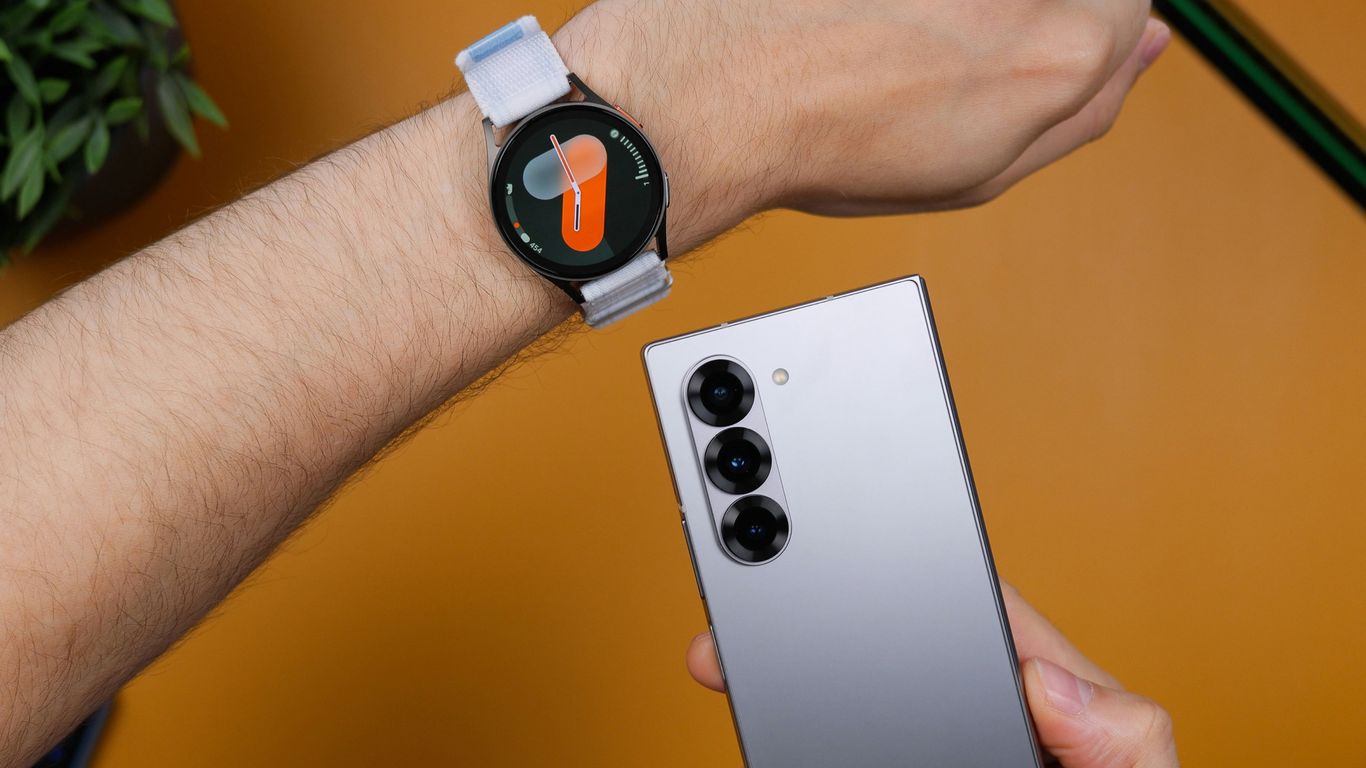
Samsung really shook things up with the Galaxy Z Fold 7, finally ditching that old, clunky design for something way sleeker. It feels less like a remote control and more like a proper phone when it’s all folded up. They’ve made the outer screen wider, which is a huge deal. No more squinting at that super narrow display – it actually feels usable now, like a regular smartphone. This makes it a truly versatile 2-in-1 device.
Under the hood, it’s packing the Snapdragon 8 Elite, which is pretty much top-tier performance. You can get it with 12GB or 16GB of RAM and up to a terabyte of storage, so it’s going to fly through pretty much anything you throw at it. And get this, they’ve finally put the same 200MP main camera from the S25 Ultra into the Fold 7. That’s a massive upgrade for anyone who cares about taking good pictures.
Here’s a quick look at what you get:
- Display: A big 8-inch internal screen and a much more usable 6.3-inch external display, both with smooth 120Hz refresh rates.
- Performance: Snapdragon 8 Elite processor with options for 12GB or 16GB of RAM.
- Cameras: A powerful 200MP main sensor, plus ultrawide and telephoto lenses.
- Storage: Available in 256GB, 512GB, or a whopping 1TB.
Now, it’s not all perfect. It’s definitely pricier than before, and sadly, there’s still no dust protection. Battery life is just okay, not amazing. And while it’s a fantastic piece of tech, you can pick one up starting at $1,599.99 today.
3. Motorola Razr Ultra (2025)
Okay, so let’s talk about the Motorola Razr Ultra (2025). This phone really feels like Motorola is trying to make a serious comeback in the foldable game. It’s got this really cool, almost retro vibe but with all the modern tech packed in.
First off, the design is pretty slick. It comes in some interesting finishes, like a textured material that feels good in your hand and doesn’t get all slippery. Plus, it’s got this IP48 rating, which means it can handle a bit of dust and water – way better than some of the earlier foldables. The hinge feels super solid too, like it’s built to last through a lot of opening and closing.
When you open it up, you’re greeted by a big, bright 7-inch screen that’s great for pretty much anything you want to do, from watching videos to actually getting some work done. But honestly, the real star here is the external display. It’s a decent size, and Motorola has done a really good job making it useful. You can actually do a lot on that little screen without needing to flip the phone open, like replying to messages or checking your social media feeds. It’s pretty neat.
Under the hood, it’s running a top-tier Snapdragon processor, so yeah, it’s fast. Apps open quickly, and switching between them is smooth, whether you’re on the big screen or the small one. Battery life is also pretty solid. I was getting through a full day without needing to hunt for a charger, which is always a win.
Here’s a quick look at some of the specs:
- Displays: 7.0-inch internal (165Hz), 4.0-inch external (165Hz)
- Processor: Qualcomm Snapdragon 8 Elite
- RAM: 16GB
- Battery: 4,700mAh with fast wired and wireless charging
- Durability: IP48 dust and water resistance, titanium-reinforced hinge
Now, it’s not perfect. Motorola’s software support is still a bit shorter than what Samsung and Google offer, so keep that in mind if you plan to hold onto your phone for a long time. And yeah, it’s definitely on the pricier side, but for what you get, it feels like a pretty complete package. It’s a strong contender if you’re looking for a premium flip phone experience.
4. Motorola Razr (2025)
If the pricier Razr Ultra is a bit much for your wallet, Motorola’s standard Razr (2025) is a solid alternative that still packs a lot of foldable charm. It keeps that stylish look and improved durability we’ve seen in the newer models, plus it offers a battery that should get you through the day. And the best part? It comes in under $1,000, which is pretty sweet for a foldable.
While the plastic back isn’t quite as fancy as the leather-like or satin finishes on the Ultra, the metal frame still gives it a good feel. You can get it in a few colors like pink, navy, green, and white, all with a textured back that makes it easier to hold without dropping it. Motorola also bumped up the dust and water resistance to IP48, and the hinge got a titanium reinforcement, so it feels pretty sturdy.
Here’s a quick look at the screens:
| Display Type | Size & Resolution | Refresh Rate | Peak Brightness |
|---|---|---|---|
| Outer OLED | 3.6-inch, 1056×1066 | 90 Hz | Not specified |
| Inner pOLED | 6.9-inch, 2640×1080 | 120 Hz | 3,000 nits |
The outer screen is a bit smaller than what you’ll find on some competitors, but it’s surprisingly useful. Unlike some other foldables, you don’t need special apps to run most things on the cover screen; they just work. This means you can actually use it for more than just checking notifications.
Performance-wise, it’s running on a MediaTek Dimensity 7400X processor. For everyday stuff like social media, texting, calls, and streaming videos, it does a fine job. I didn’t run into any major hiccups during my testing, though I did have the Messages app crash once, but a quick restart fixed it. It even handled a casual game like Alto’s Odyssey without breaking a sweat.
Battery life is pretty good, too. The 4,500 mAh battery easily lasted me a full day of moderate use, and I still had juice left by bedtime. It supports 30W wired charging and 15W wireless charging, which is decent.
When it comes to photos, the 50-megapixel main camera is adequate, especially in good lighting. Pictures tend to be vibrant and detailed. However, if the light isn’t great, photos can look a bit dull. Motorola’s image processing can sometimes make things look a little too saturated, so you might find yourself tweaking photos a bit before sharing them.
One thing to keep in mind is Motorola’s software support. You’ll get three years of OS updates and four years of security updates. That’s not as long as some other brands, so if you plan to keep your phone for a long time, it’s something to consider.
5. VERTU Agent Q
Alright, let’s talk about the VERTU Agent Q. If you’re someone who appreciates the finer things and wants a phone that feels more like a personal assistant than just a gadget, this might be up your alley. VERTU has always been about luxury, and the Agent Q is no different. It’s got this fancy "Falcon-Wing" SIM tray and a hinge that’s apparently put together from over 320 individual parts, all hand-assembled. Seriously, they even put thick gold plating inside. It’s a statement piece, for sure.
What’s really different here is the focus. Instead of just a bunch of apps, VERTU is pushing this idea of "proactive agents" powered by something called AIGS. The whole point is to have the phone do things for you before you even ask, which sounds pretty wild. And if you’re worried about your info, they’ve built in a pretty serious five-layer security system to keep your data locked down.
Here’s a quick look at what you get:
- Display: A flexible AMOLED screen that looks pretty sharp.
- Performance: It’s running on the Snapdragon 8 Elite Supreme chip, which is top-tier, paired with 16GB of RAM. You can get it with either 512GB or 1TB of storage.
- Camera: You’re looking at a 50MP main camera, a 64MP telephoto lens, and a 50MP ultra-wide. The big deal here is the "world’s first true mechanical zoom lens," which sounds pretty neat for getting closer shots without losing quality.
- Battery: A 5565 mAh battery that supports 65W fast charging, so you won’t be waiting around forever to juice it up.
This phone is definitely for the user who prioritizes exclusivity and intelligent assistance over a typical app-heavy experience. It’s a bold move, shifting the focus to AI-driven tasks and high-end security, all wrapped up in that signature VERTU luxury package.
6. VERTU Quantum Flip
If you’re someone who tends to be a bit rough with your tech, or maybe you just work in some pretty intense environments, the VERTU Quantum Flip might be worth a look. This phone is built tough, like, really tough. We’re talking aerospace-grade titanium alloy, which sounds fancy, and it apparently can handle being folded over half a million times. Plus, it’s supposed to work fine whether it’s freezing cold or pretty hot outside, and it can survive a drop from a decent height.
It’s not just about being rugged, though. VERTU has packed in some smart AI features to help you out, like generating content or translating languages on the fly. And if you’re worried about security, they’ve got a system that sounds pretty serious, involving self-destruction of biometric data if someone tries to mess with it using three fingers. Pretty wild.
Here’s a quick rundown of what it’s packing:
- Display: A 6.9-inch flexible OLED for the main screen, and a smaller 3-inch OLED on the outside for quick info.
- Performance: It runs on the Snapdragon 8 Elite Supreme chip with 16GB of RAM and a hefty 1TB of storage.
- Camera: A dual-camera setup with a 50MP rear shooter and a 32MP front camera.
- Battery: A 4300 mAh battery that supports 65W fast charging.
This phone is clearly aimed at users who need extreme durability without sacrificing advanced features. It’s a niche product, for sure, but for those who need it, it seems like it could be a game-changer.
7. OPPO Find N6
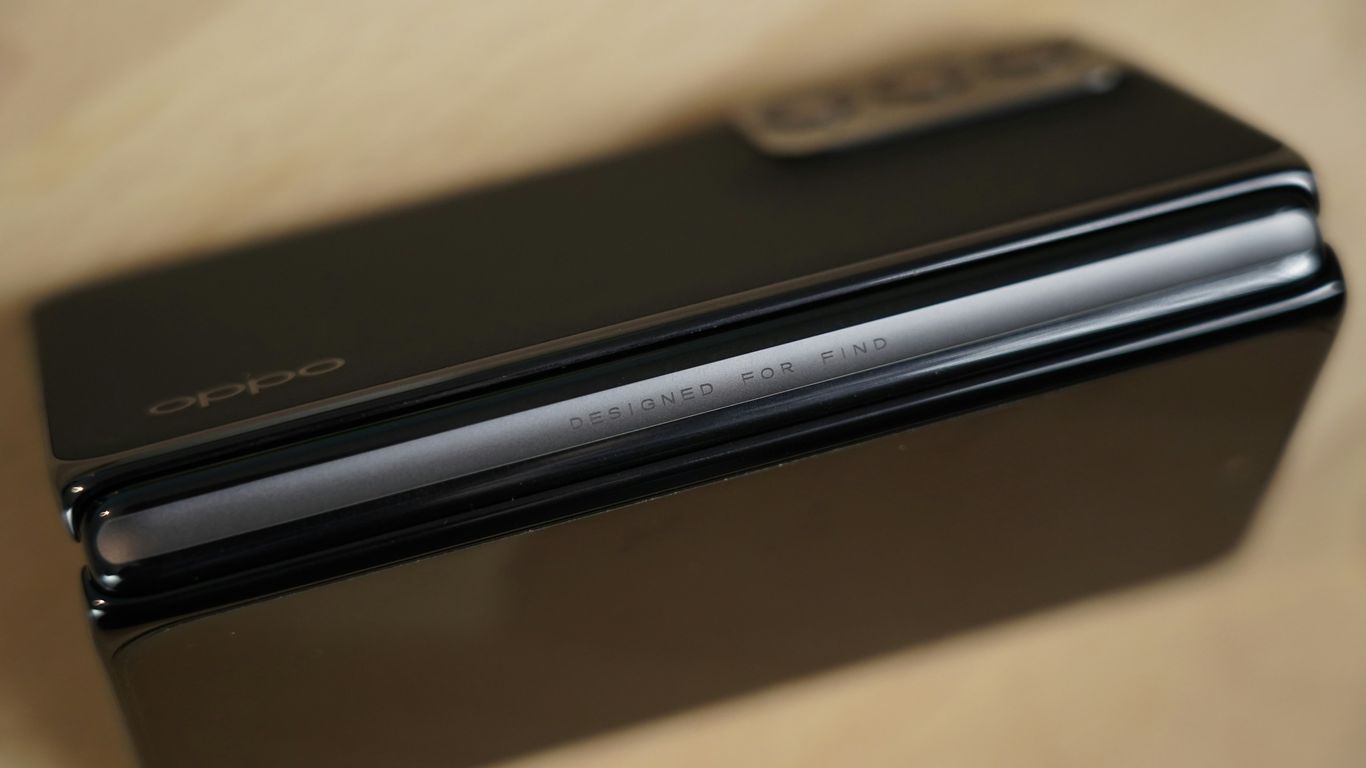
OPPO has really stepped up its game with the Find N6, and honestly, it feels like they’re setting a new bar for what a foldable phone can be. One of the biggest things that jumps out is how they’ve tackled the dreaded screen crease. While other companies are still struggling with it, the Find N6 has a crease that’s barely noticeable, even when you’re looking for it. They used some clever tech with liquid photopolymer droplets in the hinge, which sounds fancy, but basically means the inner screen stays much flatter. It makes a surprisingly big difference when you’re reading or watching something.
This phone also feels great in the hand. It’s not as bulky or heavy as some other foldables, which is a huge plus. When it’s closed, it feels pretty much like a regular flagship phone. The displays themselves are also super bright, both the inner and outer screens, making them easy to see even when you’re outside on a sunny day. Plus, they’ve added an anti-reflective coating to the inner screen, which is a smart move. It really helps with glare, especially if you’re trying to use your phone while commuting or just out and about.
Under the hood, it’s packing some serious power with the Snapdragon 8 Elite Gen 5, so you know it’s going to be fast. And the battery life? It’s a massive 6,000mAh, which should easily get you through a full day, and you can charge it up quickly with 80W wired or 50W wireless charging. The cameras are also pretty impressive for a foldable, with a 200MP main sensor and two 50MP secondary cameras. You get a good range with an ultrawide and a 3x optical zoom telephoto lens.
Here’s a quick look at some of the specs:
| Feature | Specification |
|---|---|
| Inner Display | 8.12-inch 120Hz OLED, LTPO, 2248 x 2480, 2500 nits |
| Outer Display | 6.62-inch 120Hz OLED, LTPO 3.0, 2616 x 1140, 3600 nits |
| Processor | Qualcomm Snapdragon 8 Elite Gen 5 |
| RAM | 12GB or 16GB LPDDR5X |
| Storage | 256GB, 512GB, or 1TB UFS 4.1 |
| Battery | 6000mAh with 80W wired/50W wireless charging |
| Main Camera | 200MP |
| Other Cameras | 50MP ultrawide, 50MP 3x telephoto |
| Durability | IP59 rated |
It’s not perfect, of course. The biggest downside is that it’s mainly available in Asia and the UAE, so getting one elsewhere might be a bit tricky. Also, while it has good water resistance with its IP59 rating, it doesn’t quite reach the IP68/IP69 level some other phones boast. But overall, the OPPO Find N6 is a really strong contender if you’re looking for a foldable that feels refined and has a fantastic screen experience.
8. Honor Magic V5
The Honor Magic V5 really stands out in the foldable market, especially if you’re looking for something that feels premium and looks good. It’s lighter and slimmer than its earlier models, which makes a difference when you’re carrying it around all day. The design is pretty sleek, with some nice two-tone finishes that catch the eye without being too flashy.
When you open it up, you’re greeted by two really nice OLED displays. They’re bright, show colors well, and the touch response feels quick. The main screen is a generous 7.95 inches, and the outer screen is a decent 6.43 inches, giving you plenty of space to work with.
Under the hood, it’s packing the Snapdragon 8 Elite chip with 16GB of RAM and 512GB of storage. So yeah, performance is not going to be an issue here; it handles apps and multitasking without breaking a sweat. The cameras are also a strong point. While maybe not the absolute best you can get on any phone, they definitely hold their own and are better than what you’ll find on some other big names in the foldable space.
One of the biggest improvements from previous versions is the battery. The global version comes with a 5,820mAh battery, which should get you through a full day without much trouble. Plus, it’s got IP58 and IP59 ratings, meaning it’s got some decent protection against dust and water. Honor is also promising seven Android OS updates, which is pretty great for long-term use. The only real downsides are that it doesn’t come with the very latest Android version out of the box, and the software could use a bit of a refresh. Also, the camera bump on the back is a bit chunky, and the outer screen is a tad smaller than some competitors.
9. Google Pixel 10 Pro Fold
Google’s latest foldable, the Pixel 10 Pro Fold, really steps up its game in terms of durability. It’s got an IP68 rating, which means it’s protected against dust and water, just like most top-tier phones these days. They even put in a new hinge that they say is twice as tough as the one on the previous model, and the main screen has extra layers of film for better drop protection. This thing is built to last, supposedly handling over a decade of folding.
It’s a bit thicker than some competitors, measuring 0.4 inches when folded and 0.2 inches when open. Honestly, though, I found that made it easier to hold, especially when using the big 8-inch main screen. The cover screen is a decent 6.4 inches, perfect for quick texts or scrolling. Both displays are super bright, hitting 3,000 nits, so you won’t have trouble seeing them outside.
Performance-wise, it’s running on Google’s new Tensor G5 chip with 16GB of RAM, so everything feels pretty zippy, whether you’re multitasking, gaming a bit, or using those AI features like Gemini Live. It also gets seven years of software and security updates, which is pretty sweet.
Here’s a quick look at some specs:
| Feature | Specification |
|---|---|
| Main Display | 8-inch, 2076×2152 resolution, 120 Hz |
| Cover Display | 6.4-inch, 1080×2364 resolution, 120 Hz, 3000 nits |
| Processor | Google Tensor G5 |
| RAM | 16 GB |
| Battery | 5,015 mAh |
| Durability | IP68 rating, new gearless hinge |
| Updates | 7 years of software and security updates |
One thing to note is that it doesn’t get the fancy Pro Res Zoom feature found on the regular Pixel 10 Pro models, which is a bit of a bummer considering the price. Also, the matte back can scratch pretty easily, so you might want to consider a case or stick with a darker color if you’re not planning on using one. It starts at $1,800 for the 256GB model, making it a bit more affordable than Samsung’s top foldable.
10. Huawei Mate XT
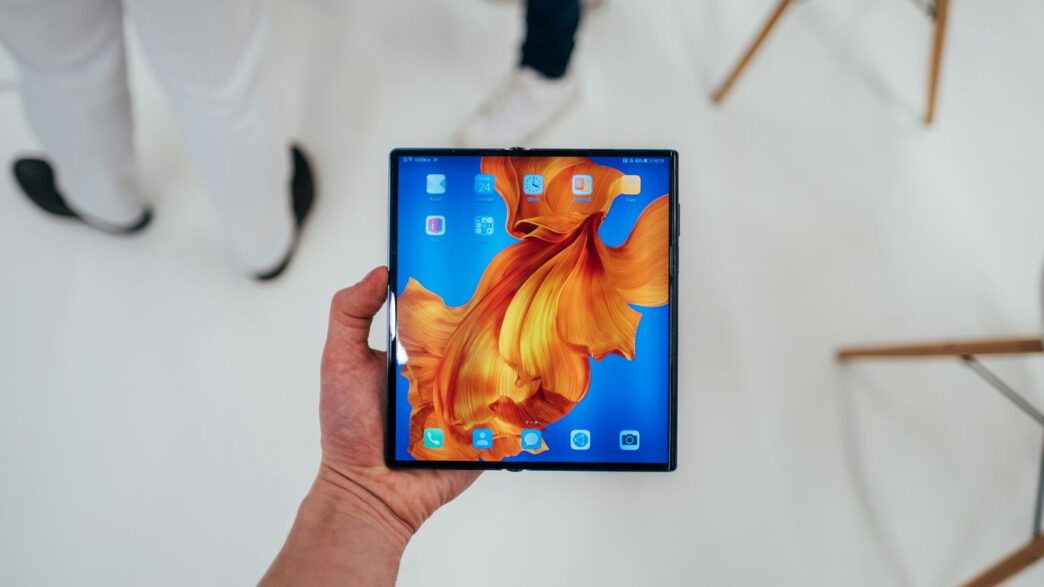
Huawei’s Mate XT is something else entirely. If you’re looking for a foldable that’s truly out there, this is it. It’s basically a glimpse into the future of what phones could be. Unfolding it reveals a massive 10.2-inch OLED screen, which is pretty wild to hold in your hand. You can even unfold it once to get a 7.9-inch display, and it still has a regular-sized 6.4-inch cover screen. It’s a technical marvel, no doubt about it.
Under the hood, it’s running on Huawei’s own Kirin 9010 chip. It’s capable for everyday stuff and gaming, but it doesn’t quite hit the same highs as the top chips from Qualcomm or MediaTek. Still, using it felt pretty amazing. The battery is a decent 5,600mAh, so you should get through the day without too much trouble.
Here’s a quick look at the specs:
- Internal Display: 10.2-inch OLED (402 ppi)
- Folded Display: 7.9-inch AMOLED (LTPO, 1-120Hz)
- Cover Display: 6.43-inch OLED (120Hz)
- Processor: Huawei Kirin 9010
- RAM: 12GB
- Storage: 512GB
- Battery: 5,600mAh with 66W wired charging
Now, this phone isn’t for everyone. It’s incredibly expensive, costing around $3,600, and it’s also quite heavy. Plus, availability is super limited, and Huawei hasn’t exactly got the best track record for long-term durability on some of its more experimental devices. But if you want to see what’s next and have the cash to spare, the Mate XT is a fascinating piece of tech.
So, Which Foldable Is Right For You?
Alright, so we’ve looked at a bunch of these folding phones for 2026. It’s pretty wild how far they’ve come, right? From super fancy ones that feel like a luxury item to ones that just make sense for everyday use, there’s really something out there for most people now. Think about what you actually do with your phone day-to-day. Do you need a huge screen for work, or is a cool, compact flip design more your style? Don’t forget to check out reviews and compare what each phone offers, especially when it comes to how tough it is and how long the battery lasts. Picking the right one means finding that sweet spot between what you want and what you can afford. Happy folding!
Frequently Asked Questions
Are these folding phones tough enough for daily life in 2026?
Yes, by 2026, folding phones have much stronger hinges and tougher screen materials. They are built to handle everyday use much better. Many can even handle getting a little wet or dusty.
What’s the biggest reason to get a folding phone instead of a normal one?
The main cool thing is that you can fold it to be small and easy to carry, or unfold it to get a big screen like a small tablet. This is awesome for doing more things at once or watching videos.
Which folding phone gives you the most bang for your buck?
While some are super fancy and expensive, phones like the Motorola Razr often give you a good mix of cool design, good performance, and a price that’s easier to handle compared to the really high-end ones.
How long will these phones get software updates?
Big companies like Samsung and Google are promising long support. Some phones will get updates for up to seven years, meaning they’ll stay safe and up-to-date for a very long time.
Can I use a pen, like a stylus, with these folding phones?
Some of the book-style folding phones, like certain Honor models, let you use a stylus. This is great for writing notes or drawing. You’ll need to check the specific phone’s details to be sure it works.
What makes the VERTU phones special?
VERTU phones are all about luxury and unique features. They use fancy materials, have special hinges, and focus on advanced AI to help you out, rather than just running lots of apps. They also have really strong security.