Get ready for farm technology days 2025! This event is all about what’s new and next in farming. Think cool equipment, smart tech, and ways to farm that are good for the planet. Whether you’re a farmer, work in agriculture, or are just curious, this is the place to see how farming is changing. We’ll look at everything from robots in the field to how data helps grow better crops. It’s a chance to learn about new ideas and see how Wisconsin’s farming scene is leading the way.
Key Takeaways
- See the latest in precision farming gear and automated systems that make farm work more efficient.
- Discover how AI and data are changing how we manage crops and make farming decisions.
- Explore new ideas for sustainable farming, including better ways to care for livestock and use renewable energy.
- Understand how farm technology days 2025 connects farmers with new tools and provides learning for everyone.
- Learn about the significant economic contribution of Wisconsin agriculture and how technology helps it grow.
Innovations Unveiled At Farm Technology Days 2025
Farm Technology Days 2025 is the place to see what’s new and what’s next in farming. This event really shows off the latest gear and smart ideas that are changing how we grow food. It’s not just about bigger tractors, though those are pretty impressive too. We’re talking about technology that helps farmers work smarter, not just harder.
Advancements in Precision Farming Equipment
When you step onto the show floor, you’ll see tractors and combines that look like they belong in a sci-fi movie. These machines are packed with sensors and computers. The goal is to use every bit of land and every drop of water as efficiently as possible. Think about tractors that can steer themselves, or sprayers that only apply fertilizer exactly where the plants need it. It’s all about giving farmers more control and reducing waste. The cabs themselves are changing too. Operators spend long hours in these machines, so manufacturers are making them more comfortable and putting all the controls right at their fingertips. You can even sync your phone to answer calls or play music without taking your hands off the wheel. It’s a huge shift from just a decade or two ago.
Robotics and Automation in Agriculture
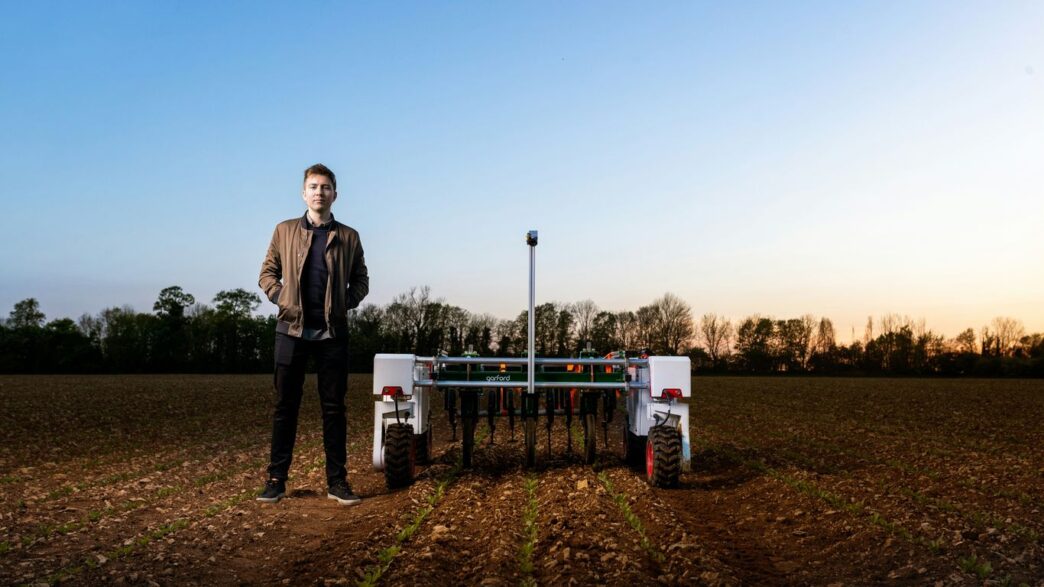
Robots are starting to show up on farms, and it’s pretty wild. We’re not just talking about big, automated tractors anymore. There are smaller robots designed for specific tasks, like weeding or even picking delicate crops. The idea is that these machines can work around the clock, doing jobs that are repetitive or physically demanding for people. Some experts think we’re heading towards a future where tractors will drive themselves from the farm office to the field. It sounds futuristic, but the technology is moving fast.
The Role of Drones in Crop Management
Drones are becoming a common sight over fields. They’re not just for taking cool aerial photos anymore. Farmers are using them to get a bird’s-eye view of their crops. Drones equipped with special cameras can spot problems like disease or nutrient deficiencies long before a person walking the field would notice. This means farmers can react quickly, applying treatments only where needed. It saves time, money, and reduces the amount of chemicals used. They can also help with tasks like mapping fields or checking on irrigation systems.
Digital Agriculture Takes Center Stage
This year at Farm Technology Days, the buzz is all about how digital tools are changing the way we farm. It’s not just about bigger tractors anymore; it’s about smarter farming. We’re seeing a big shift towards using technology to make better decisions and get more done with less effort.
Artificial Intelligence Transforming Farming Practices
Artificial intelligence, or AI, is starting to show up in some pretty interesting ways on the farm. Think of it like having a super-smart assistant that can look at a lot of information really fast. For example, AI can help predict when pests might show up or when crops are ready to harvest. This kind of predictive power can save farmers a lot of time and money. It’s also being used to help develop better seeds and figure out the best ways to manage fields.
Here’s a quick look at how AI is making a difference:
- Predictive Analytics: Forecasting weather patterns, disease outbreaks, and optimal harvest times.
- Automated Decision Support: Providing recommendations for irrigation, fertilization, and pest control.
- Robotic Integration: Guiding autonomous machinery for tasks like planting, weeding, and harvesting.
Data-Driven Crop Management Solutions
Farming generates a ton of data these days, from soil sensors to weather stations and drone imagery. The real magic happens when we can actually use that data to make smarter choices. Data-driven solutions help farmers understand exactly what their fields need, right down to the row or even the plant. This means less waste of water, fertilizer, and other resources. It’s all about precision – giving each part of the field what it needs, when it needs it.
Some key areas where data is making an impact include:
- Variable Rate Application: Applying inputs like fertilizer and water only where and when they are needed.
- Yield Monitoring and Analysis: Tracking harvest results to identify productive and less productive zones.
- Soil Health Monitoring: Using sensors to understand soil conditions and inform management practices.
Virtual Reality Showcasing Future Farm Technologies
Imagine stepping into a virtual farm to see what the future holds. That’s what virtual reality (VR) is starting to do at events like this. VR can give you a realistic look at new equipment, like advanced robotic harvesters or automated irrigation systems, without you having to physically be there. It’s a cool way to explore complex technologies and understand how they might fit into your own operation. You can get a feel for how these machines work and what the farm of tomorrow might look like, all from the comfort of a VR headset.
Sustainable Practices and Future Farming
Farming is always changing, and a big part of that change is figuring out how to grow food in ways that are better for the planet and for the animals. Farm Technology Days 2025 is really shining a light on these new ideas. It’s not just about getting more crops out of the ground; it’s about doing it smarter and kinder.
Enhancing Cow Comfort Through Barn Technology
Think about a cow. She needs to be comfortable to do her best, right? New barn designs and technology are making a real difference here. We’re seeing barns with better ventilation systems that can be adjusted based on the weather. This means cows aren’t too hot or too cold. Some farms have reported that just moving into a new, more comfortable barn led to a noticeable increase in milk production per cow. It turns out, happy cows are productive cows! It’s a good reminder that technology isn’t just for the fields; it’s also about taking care of the animals that are a big part of agriculture.
The Evolution of Forage Harvesting and Storage
Getting the best quality feed for livestock is super important, and how we harvest and store that feed is getting a serious upgrade. New machinery is designed to harvest forage more efficiently, preserving more nutrients. This means better feed for the animals. Storage is also getting smarter, with technologies that help maintain the quality of silage and hay, reducing waste. This not only helps the animals but also makes the whole operation more cost-effective.
Agrivoltaics and Renewable Energy on the Farm
This is a really interesting one: combining solar power with farming. Agrivoltaics involves setting up solar panels on farmland. Sometimes, the panels are raised high enough that crops can grow underneath them, or they can be used in areas not typically used for crops. This dual use of land provides clean energy while still allowing for agricultural production. It’s a way for farms to generate extra income and reduce their carbon footprint. Plus, some studies suggest that the shade from the panels can even benefit certain crops by reducing water needs and heat stress. It’s a win-win for energy production and farming.
Engaging the Agricultural Community
Farm Technology Days 2025 isn’t just about showcasing shiny new equipment; it’s a place where people from all walks of life in agriculture come together. Think of it as a big family reunion, but with more tractors and less awkward small talk. The real magic happens when farmers, researchers, and tech developers get to chat face-to-face. It’s where ideas are swapped, problems get solved, and sometimes, you even get a laugh out of it.
Connecting Farmers with Cutting-Edge Innovations
This year, we’re making it easier than ever for you to see and touch the latest tech. Forget reading about it in a magazine; you can get hands-on. We’ve got live demonstrations happening all over the grounds. You’ll see robots that can weed your fields with pinpoint accuracy, drones that scout your crops faster than you can blink, and even AI tools that help you make smarter decisions.
Here’s a peek at what you can expect:
- Robotics in Action: See robots designed for tasks like weeding, spraying, and even mowing. We’ll have demonstrations showing how these machines work and how they can fit into your operation.
- Drone Technology: Learn how drones are being used for everything from crop monitoring to applying treatments. We’ll have experts on hand to answer your questions about flight, data, and regulations.
- Precision Ag Equipment: Get up close with the latest in GPS guidance, variable rate technology, and soil sensing equipment that helps you use resources more efficiently.
Educational Opportunities for All Generations
Farm Technology Days is for everyone, from the seasoned farmer to the kid just starting to dream about the farm life. We’ve got sessions tailored for different age groups and experience levels.
- For the Young Guns: FFA and 4-H members can explore interactive exhibits, learn about career paths in ag tech, and even get a chance to try out some of the equipment.
- For the Experienced Farmers: We’re hosting workshops and panel discussions on topics like adopting new technologies, managing data, and navigating the changing agricultural landscape.
- For the Curious: If you’re just interested in where your food comes from or how technology is changing farming, there are plenty of exhibits and talks for you too.
Building Trust in AI for Agricultural Services
Artificial intelligence might sound a bit intimidating, but at Farm Technology Days, we’re breaking it down. We know that trusting new technology, especially something as complex as AI, is important. That’s why we’re focusing on transparency and practical applications.
We’ll have experts discussing how AI is being developed with farmer input, focusing on tools that provide reliable advice. You can learn about initiatives that are creating benchmarks for AI systems, making sure the recommendations you get are accurate and helpful. It’s all about making AI a useful partner on your farm, not a mystery.
Come ask questions, share your concerns, and see for yourself how AI can be a practical tool for modern agriculture.
The Economic Impact of Wisconsin Agriculture
Agriculture’s Contribution to the State Economy
It’s no secret that farming is a big deal in Wisconsin. We’re talking about a massive industry that keeps a lot of people employed and brings in serious money. In fact, agriculture is a cornerstone of the state’s economy, contributing a staggering amount each year. This sector is more than just fields and cows; it’s a complex network of businesses, from the farm gate to the grocery store.
| Sector | Annual Contribution (Approx.) |
|---|---|
| Direct Farm Output | $116.3 billion |
| Agribusiness Support | Billions |
| Food Processing & Retail | Billions |
Driving Progress Through Technological Adoption
Farming isn’t what it used to be, and that’s a good thing for the economy. Farmers are getting smarter about how they work, using new tools and techniques to get more done with less. Think about precision farming equipment that uses GPS to plant seeds exactly where they need to go, or automated systems that handle repetitive tasks. These aren’t just fancy gadgets; they mean better yields, less waste, and ultimately, more profit for farmers. This push for efficiency is what keeps Wisconsin agriculture competitive on a national and even global scale.
Here’s how technology is making a difference:
- Increased Efficiency: New machines and software help farmers do more in less time.
- Reduced Waste: Precise application of resources like water and fertilizer means less is thrown away.
- Improved Yields: Better management practices lead to healthier crops and livestock.
- New Job Opportunities: While some tasks are automated, new roles in tech support and data analysis are emerging.
Showcasing Wisconsin’s Farming Legacy
Wisconsin has a long history tied to the land, and Farm Technology Days is a perfect example of how that legacy continues. You see multi-generational families still working the farms, passing down knowledge and adapting to new ways of doing things. It’s a blend of the old and the new. The event itself highlights how innovation doesn’t mean leaving tradition behind. Instead, it builds upon it, making sure that Wisconsin’s agricultural heritage remains strong and vibrant for years to come. It’s about honoring where we came from while embracing the future.
Looking Ahead
So, Farm Technology Days 2025 was pretty eye-opening. It’s clear that farming is changing fast, with new tech popping up everywhere from giant tractors to tiny robots. It’s not just about bigger machines anymore; it’s about smarter ways to grow food, making things more efficient, and keeping the land healthy. Seeing all these ideas in one place really shows how much innovation is happening. It makes you wonder what the next few years will bring, but one thing’s for sure: the future of farming is looking pretty interesting, and maybe even a little bit like science fiction.
Frequently Asked Questions
What is Wisconsin Farm Technology Days 2025 all about?
Wisconsin Farm Technology Days 2025 is a big event where farmers and people who work in farming get to see the newest tools, machines, and smart ideas for growing crops and raising animals. It’s like a giant showcase of what’s next in farming, with live shows and chances to learn.
What kind of new technology will be shown?
You’ll see cool stuff like super-smart tractors that can do a lot from the driver’s seat, robots that help with farm jobs, and drones that help watch over crops. They’ll also show how computers and data can help farmers make better decisions.
Is this event just for experienced farmers?
No way! It’s for everyone interested in farming, from experienced farmers to students just starting out. There are learning sessions and exhibits for all ages, so you can learn about farming’s past, present, and future.
What does ‘digital agriculture’ mean?
Digital agriculture is all about using computers, software, and the internet to make farming smarter and more efficient. Think using apps to track crops, sensors to measure soil, or even AI to predict problems before they happen.
Will there be anything about taking care of the environment?
Yes! The event will highlight ways to farm that are good for the planet. This includes things like making sure cows are comfortable in their barns, better ways to harvest and store food, and even using solar power on the farm.
How important is farming to Wisconsin’s economy?
Farming is a huge deal for Wisconsin! It’s a multi-billion dollar industry that creates lots of jobs and brings money into the state. Events like this show how new technology helps keep Wisconsin’s farming strong and successful.