
Alright, let’s talk about what’s new and exciting in the world of tech for 2026. It feels like just yesterday we were trying to figure out the latest gadgets, and now there’s a whole new wave coming. This year, it’s not just about flashy new things, but about how technology is really changing how we work and live. We’re seeing AI get serious, software getting smarter, and even how we use the cloud is getting a makeover. Plus, there are some pretty cool hi-tech products hitting the market that you’ll want to know about.
Key Takeaways
- AI is moving past the testing phase and becoming a core part of how businesses operate, focusing on real results.
- Software development is changing, with AI taking on more tasks, from writing code to managing systems on its own.
- Cloud computing is getting more diverse, with different types of cloud setups needed to support AI effectively.
- Operations are getting smarter, using AI to make systems more adaptable and to help humans manage complex tasks.
- New hi-tech products are emerging, from advanced phones and wearables to innovative home devices, showing what’s possible.
The Year Of Truth For AI
After years of just playing around with AI, 2026 is shaping up to be the year we really see what it can do. It’s not about flashy demos anymore; it’s about AI actually making a difference in how businesses work, day in and day out. Think of it as AI finally growing up and getting serious.
AI Becomes The Backbone Of Enterprise Architecture
Forget those little AI projects tucked away in a corner. This year, AI is moving into the main office, becoming a core part of how companies are built and run. It’s about integrating AI so deeply that it supports everything from making big decisions to handling daily tasks. This means companies are investing in solid data systems and making sure their AI tools work well with their existing setups. It’s a big shift from just trying things out to making AI a reliable part of the business.
Measurable Impact Over Experimentation
We’re past the point of just seeing if AI can do something. Now, the focus is on whether it does something valuable. Businesses want to see real results, like cost savings, better efficiency, or new ways to make money. This means AI projects need clear goals and ways to measure success. It’s less about the cool factor and more about the bottom line. For example, tools are being developed to help fact-check information in real-time, showing how AI can have a direct, practical impact in news delivery.
Human-AI Chemistry For Scalable Outcomes
AI isn’t going to replace everyone, not by a long shot. The real magic happens when people and AI work together. This isn’t just about having AI tools; it’s about figuring out the best way for humans to guide, use, and trust AI. It’s about building systems where AI can handle the heavy lifting, and people can focus on the creative, strategic, and ethical parts. This partnership is key to making sure AI can actually scale up and deliver consistent results across an entire organization, not just in a few test cases.
AI Is Eating Software
Remember when we used to write pages and pages of code, meticulously crafting every line? Well, that whole scene is changing, and fast. The big shift in 2026 is moving from just writing code to actually expressing what we want the software to do. Think of it like telling a really smart assistant exactly what you need, and they figure out the best way to build it. AI is becoming the architect, not just the builder.
From Writing Code To Expressing Intent
This isn’t just a minor tweak; it’s a whole new way of thinking about software. Instead of getting bogged down in syntax and logic, developers are focusing on the desired outcomes. You define the goal, the requirements, and the AI tools take it from there. This means faster development cycles and, ideally, fewer bugs because the AI can check its own work. It’s a big change for anyone who’s spent years perfecting their coding skills, but it opens up a lot of possibilities for creating complex systems more efficiently. It’s about articulating the ‘what’ and letting the AI handle the ‘how’.
Autonomous Development And Maintenance
Once the software is built, the AI doesn’t just clock out. It’s also taking on the job of maintaining and updating systems. This means software can become more self-sufficient, fixing issues as they pop up and even adapting to new needs without constant human intervention. Imagine systems that heal themselves – pretty wild, right? This frees up human teams to focus on higher-level strategy and innovation, rather than just firefighting. It’s a move towards systems that are not only built by AI but also managed by it, leading to more stable and reliable operations. This is where tools that help engineers boost productivity really start to shine.
Mastering Orchestration And Governance
With AI taking the reins on development and maintenance, the real challenge shifts. It’s no longer about who can write the most elegant code. Instead, success will come from how well we can manage and direct these AI systems. This involves mastering orchestration – making sure all the different AI-driven parts work together smoothly – and establishing strong governance. We need clear rules and oversight to ensure the AI is doing what we intended, safely and ethically. Think of it as conducting a massive orchestra; the individual musicians (AI agents) are incredibly skilled, but it takes a skilled conductor (human oversight) to create a beautiful symphony. Getting this balance right is key to making AI-powered software truly work for us.
Cloud 3.0: All Flavors Of Cloud
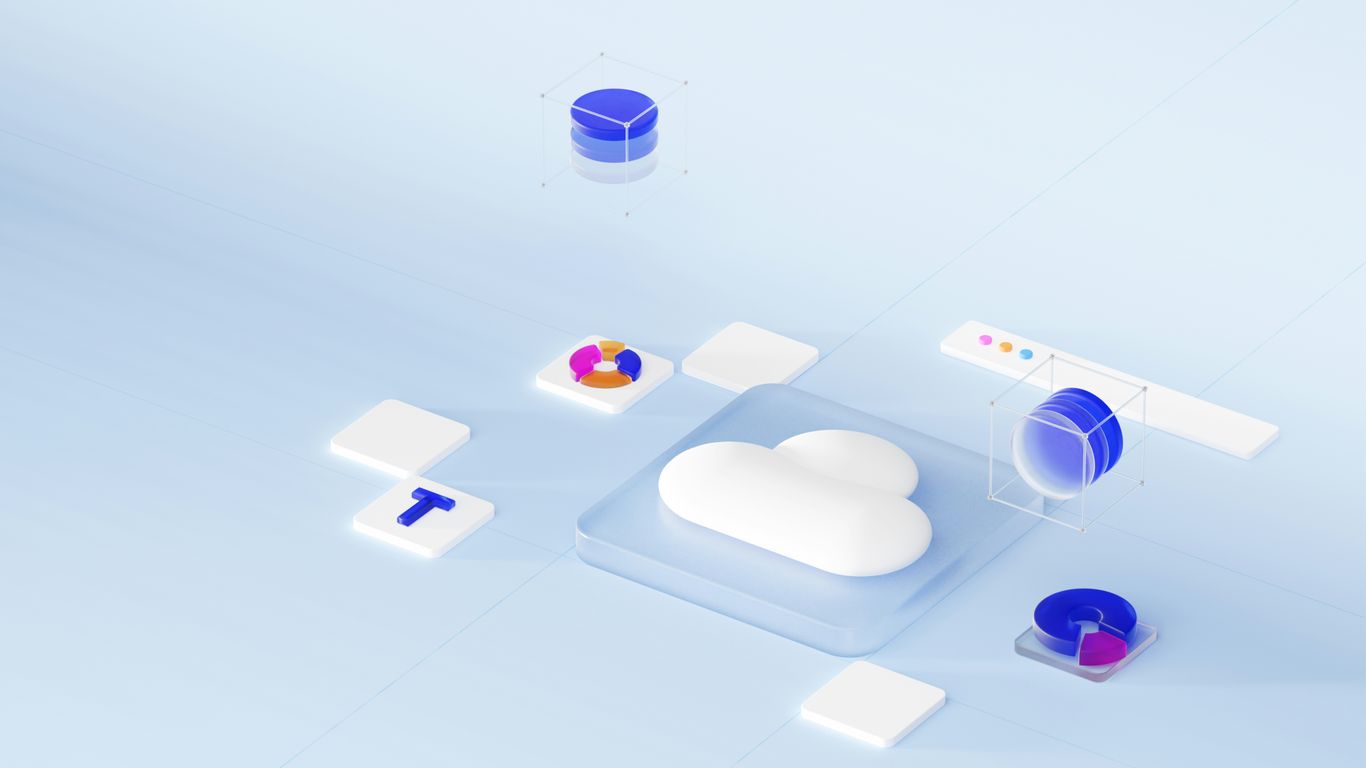
Remember when the cloud was just about moving stuff off your own servers to save a buck? Yeah, that feels like ancient history now. Cloud 3.0 is here, and it’s way more than just storage and processing power. It’s become the engine room for all the new AI stuff we’re seeing. You can’t just slap AI onto old cloud setups and expect it to work at scale. We need to fine-tune models with our own data, keep sensitive information locked down, and make sure AI can respond super fast. This is why we’re seeing a big push towards different cloud setups – hybrid, private, multi-cloud, and even sovereign clouds. It’s not just a niche thing anymore; it’s becoming the standard way to build for AI. The cloud isn’t just a place to put things anymore; it’s actively helping AI do its job, making sure our systems can move around and stay under our control.
Supporting AI Scalability And Resilience
AI needs a lot of power and needs to be available all the time. Traditional cloud setups sometimes struggle with this, especially when you’re dealing with massive amounts of data or complex AI models. Cloud 3.0 architectures are built with this in mind. They offer ways to automatically scale up resources when AI tasks get heavy and scale back down when they don’t, which saves money and keeps things running smoothly. Think of it like a power grid that can instantly add more generators when everyone turns on their AC at the same time. This also means if one part of the cloud has a hiccup, the AI can just switch to another part without anyone noticing. It’s all about keeping those AI applications up and running, no matter what.
Hybrid, Multi-Cloud, And Sovereign Architectures
So, what does this ‘all flavors’ thing actually look like? Well, it means companies aren’t just picking one cloud provider anymore. They’re mixing and matching.
- Hybrid Cloud: This is where you have your own private cloud infrastructure combined with public cloud services. It gives you flexibility – keep sensitive data on-prem, but use the public cloud for less critical tasks or when you need extra power.
- Multi-Cloud: This involves using services from more than one public cloud provider, like AWS, Azure, or Google Cloud. It helps avoid getting locked into one vendor and lets you pick the best service for each specific job.
- Sovereign Cloud: This is a newer concept, driven by data privacy and national regulations. It means keeping data and AI processing within specific geographic borders, often managed by local providers or with strict controls on data access.
This variety means businesses can build systems that fit their exact needs, whether that’s about cost, performance, security, or following local laws.
Cloud As An Active Enabler Of AI-Driven Architectures
It’s a big shift from just using the cloud as a utility. Now, the cloud is a partner in building AI. Cloud providers are offering specialized hardware and software that are perfect for AI tasks, like powerful GPUs and machine learning platforms. They’re also making it easier to move AI models between different environments, which is key for that hybrid and multi-cloud approach we just talked about. The cloud is no longer just a passive backdrop; it’s an active participant in creating and running intelligent systems. This means the cloud itself is getting smarter, helping us build and manage AI more effectively, making sure it’s secure, and keeping it compliant with all the rules and regulations.
The Rise Of Intelligent Operations
Evolving Enterprise Systems Into Adaptive Engines
Remember when enterprise systems were just big, clunky machines that did one thing? Yeah, those days are pretty much over. Now, we’re seeing them transform into something way more dynamic. Think of them less like a rigid factory line and more like a living organism that can adjust on the fly. These systems are becoming adaptive engines, constantly learning and changing based on what’s happening around them. It’s not just about keeping the lights on anymore; it’s about making the whole operation smarter and more responsive. This shift means that the core of how businesses run is changing, moving from static processes to something that can actually anticipate needs and react quickly.
Blending Human Oversight With AI Agents
So, how does this all work? Well, it’s a mix of people and smart software. We’re not talking about AI taking over completely, not by a long shot. Instead, it’s about creating a partnership. AI agents are stepping in to handle repetitive tasks, analyze huge amounts of data, and even suggest actions. But humans are still in the driver’s seat, providing that critical judgment, creativity, and ethical guidance. This blend is key. It means that complex problems can be tackled more effectively because you have the speed and processing power of AI combined with the nuanced understanding and decision-making skills of human experts. It’s like having a super-powered assistant who knows when to step back and let you make the final call.
Continuous Reinvention Through Intelligent Ops
What’s really cool about this whole intelligent operations thing is that it’s not a one-and-done deal. It’s built for constant improvement. Because the systems are adaptive and AI is always learning, businesses can continuously reinvent themselves. This isn’t just about tweaking things here and there; it’s about fundamentally rethinking how operations work to stay ahead. Imagine being able to roll out new features or adapt to market changes almost instantly because your operational backbone is already set up to handle it. This continuous reinvention is what separates companies that just survive from those that truly thrive in today’s fast-moving world. It’s about building a business that’s not just resilient but also agile enough to constantly find new ways to add value.
The Borderless Paradox Of Tech Sovereignty
So, tech sovereignty is back in the spotlight for 2026. It’s a bit of a head-scratcher, right? We want our own control, our own strategic advantage, but at the same time, everything is so interconnected. It’s like wanting to build a fortress but also needing a highway connecting it to everywhere else. The real goal isn’t isolation, but resilient interdependence.
Balancing Global Interdependence With Strategic Control
This whole idea of being completely self-sufficient with technology is pretty much a fantasy these days. Geopolitical stuff makes it a priority, sure, but you can’t just unplug from the world. Instead, companies are figuring out how to build systems that are tough and can withstand disruptions, even while they’re still connected globally. Think of it as having your own secure vault, but with a very controlled delivery service.
- Selective Control: Focusing on keeping critical tech layers under tight management.
- Global Connectivity: Maintaining links for collaboration and market access.
- Diversified Suppliers: Not putting all your eggs in one basket, tech-wise.
- Regional Models: Developing AI and cloud solutions tailored for specific geographic needs.
Designing Globally Connected Yet Controllable Systems
Building these systems means thinking differently. It’s not about building walls; it’s about smart design. We’re talking about architectures that can work with partners worldwide but still give you the reins when it matters most. It’s about making sure your tech stack can adapt, whether it’s a hybrid setup, a multi-cloud environment, or even a sovereign cloud designed for specific national requirements. This approach helps ensure that your operations can continue smoothly, even when global supply chains get shaky. It’s a complex dance, for sure, but one that’s becoming necessary for long-term stability.
Embedding Sovereignty Principles Into Architecture
Ultimately, this isn’t just about buying different cloud services. It’s about baking these sovereignty ideas right into the blueprints of your technology. It means making choices about data handling, where processing happens, and how you manage access, all while keeping an eye on the bigger global picture. It’s a shift from just using tech to actively shaping how it serves your strategic goals in a world that’s both more connected and more complex than ever before.
Groundbreaking Hi-Tech Products Unveiled
This year, the tech world really showed up with some seriously cool stuff. Forget those sci-fi movies; some of this feels like it’s straight out of them, but it’s actually hitting the shelves. We saw a lot of things at CES 2026 that are going to change how we interact with our homes, our work, and even our own bodies.
Futuristic Smartphones and Wearables
Remember when phones were just for calls? Yeah, me neither. This year, we’re seeing phones that fold in more ways than one. Samsung’s Galaxy Z TriFold is a prime example, starting as a regular-sized phone but opening up into a 10-inch tablet. It’s a bit chunky when closed, sure, but the idea of having that much screen real estate in your pocket is pretty wild. Then there’s the Clicks Communicator, which is like a throwback to the BlackBerry days but with modern smarts. It’s got a physical keyboard that’s also touch-sensitive, which is a neat trick. This device is aiming to bring back tactile interaction in a big way. For wearables, augmented reality glasses are getting a serious upgrade. The new Xreal 1S glasses boast a sharper display and a wider field of view, making AR feel less like a novelty and more like a useful tool. It’s exciting to think about how these will change daily tasks, from navigation to getting information on the fly. You can check out some of the latest innovations from CES here.
Advanced Display Technologies
Displays are getting bigger, brighter, and frankly, more unbelievable. TCL dropped an 85-inch Mini LED TV that hits an insane 10,000 nits of peak brightness. The picture quality sounds amazing, with deep colors and sharp details. If that’s a bit much, LG is continuing its push with an ultra-thin OLED TV, the W6 series, which is barely thicker than a piece of paper. It’s designed to sit flush against your wall, almost disappearing. For those who need screens for both work and play, MSI has a new 27-inch monitor that can switch between a super-sharp 5K resolution for productivity tasks and a blazing-fast 330 Hz refresh rate for gaming. It’s like getting two top-tier monitors in one package.
Innovative Home Automation Devices
Our homes are getting smarter, and not just in the ‘lights turn on when you walk in’ way. GE’s new smart fridge is pretty practical. You can ask it what ingredients you have for dinner, and its cameras can show you what’s inside even when you’re at the store. It’s the kind of helpful tech that makes you wonder how you lived without it. Then there’s the Roborock Saros Rover, a robot vacuum that’s trying something new: legs. The idea is to help it navigate tricky home layouts, including stairs. Imagine a vacuum that can actually clean your steps – that’s a game-changer for many. And for the Lego fans out there, they’ve introduced smart bricks. These bricks have sensors and can interact with other smart tiles, creating light and sound effects. It’s a whole new level of interactive building that could be really fun for kids and adults alike.
Wrapping It Up
So, that’s a look at some of the cool new tech hitting the scene in 2026. From AI getting more practical to some really interesting gadgets that might actually make our lives easier, it feels like things are moving fast. It’s not just about flashy new phones anymore; it’s about how these technologies can change how we work and live. We saw some neat stuff at CES and heard about bigger trends like AI becoming a core part of how businesses run. It’s going to be interesting to see which of these ideas actually stick around and become everyday things. For now, it looks like 2026 is shaping up to be a pretty exciting year for anyone who likes new gadgets and forward-thinking tech.
Frequently Asked Questions
What’s the big deal with AI in 2026?
Think of 2026 as the year AI really starts to prove itself. Instead of just trying things out, companies will focus on making AI work in real ways that actually help their business. It’s like going from playing with building blocks to actually building a strong house with them. AI will become a core part of how businesses run, not just a side project.
How is AI changing how we make software?
Imagine telling a computer exactly what you want a program to do, and it just builds it for you. That’s what’s happening! AI is moving beyond just helping write code. Now, it can understand what you need and create, fix, and manage software all by itself. This means people can focus on the big ideas instead of the tiny details of coding.
What’s ‘Cloud 3.0’ all about?
Cloud computing is getting a makeover. It’s not just about storing stuff online anymore. Cloud 3.0 is about making the cloud super powerful and flexible, especially for AI. This means using different kinds of clouds together – some private, some public, some in specific countries – to make sure AI can run smoothly, stay safe, and be available whenever needed.
What are ‘Intelligent Operations’?
This is about making businesses smarter and more adaptable. Instead of old, rigid systems, companies will use AI to create ‘living’ systems that can learn and change. Think of it like having smart assistants (AI agents) working alongside people to make things run better and solve problems faster. It’s all about constantly improving how things work.
What does ‘Tech Sovereignty’ mean for global companies?
It’s a tricky balance. On one hand, companies work with others all over the world. On the other hand, they need to keep control over their important technology. Tech sovereignty means building systems that can connect globally but still be managed and protected by the company. It’s about being part of the world without losing your own independence.
What kind of cool new gadgets can we expect?
Get ready for some exciting new tech! We’re seeing super-smart phones and watches that do more than ever before. Displays are getting amazing, with super clear pictures and new ways to see information. And your home will get even smarter with new devices that make life easier and more connected, all thanks to the latest innovations.