Anyone who has ever had to sit in a clinic or hospital waiting for a nurse to find a vein knows the anxiety that comes with it. You roll up your sleeve, the tourniquet goes on, and the practitioner starts tapping away at your arm. If you are lucky, they find a suitable spot immediately, and the needle slides in with minimal discomfort. However, if you are dehydrated, that routine procedure can turn into a frustrating cycle of multiple pokes, searching, and growing annoyance. The single most effective thing you can do to ensure a smooth, pain-free appointment for IV therapy is ridiculously simple: drink plenty of plain water before you arrive. Proper hydration transforms your veins, making the process faster and infinitely more comfortable for both you and your nurse. Let’s take a look at the science behind how water affects your circulatory system and why drinking up makes such a dramatic difference.
What Happens to Your Veins When You Drink Water
To understand why drinking water makes an IV insertion so much easier, it helps to look at what is happening inside your blood vessels. Your blood is not a solid substance; it is a complex liquid made mostly of plasma, which is roughly 90% water. When you drink adequate fluids, your total blood volume increases. This increase in volume creates internal pressure inside your vascular network, causing your veins to dilate, expand, and push outward toward the surface of your skin.
In contrast, when you are dehydrated, your body conserves every drop of moisture it can. Your total blood volume drops, causing your blood vessels to constrict and shrink. Instead of standing out like plump, easy targets, your veins become narrow, flat, and hidden under layers of tissue. Trying to insert a tiny catheter into a flat, empty vein is like trying to thread a needle while walking on a bumpy road. By filling your tank with water ahead of time, you give your veins the fluid they need to plump up, making them easy to see, feel, and access.
Plump Veins versus Rolling Veins
If you have ever been told that you have rolling veins, dehydration might actually be the primary culprit rather than your anatomy. When a vein is fully hydrated and pressurized with blood, it becomes firm and anchored in place by surrounding tissue. A nurse can easily stabilize the vessel with a thumb and insert the needle cleanly on the very first try.
When a vein is flat from a lack of fluids, it loses its structural integrity. As the needle approaches, the soft, unpressurized wall of the vessel gives way, allowing the vein to roll out of the path of the needle instead of accepting it. This leads to the uncomfortable fishing sensation that everyone wants to avoid during a medical procedure. Drinking water builds the internal stability your veins need to stand their ground, ensuring the catheter glides in smoothly without rolling away.
Reducing Pain and Bruising
Nobody enjoys getting poked with a needle, but being dehydrated makes the experience significantly more painful. When a nurse struggles to find a collapsed vein, they may have to adjust the angle of the needle or try multiple spots on your arms and hands. This extra movement irritates the surrounding nerves and soft tissues, leading to immediate sharp pain and tender, dark bruises that linger for days afterward.
A quick, successful insertion on the first attempt minimizes tissue damage. When your veins are full and resilient, the catheter enters cleanly, causing minimal sensation beyond a minor pinch. You walk away from your session without painful dark spots or soreness, allowing you to enjoy the benefits of your treatment without lingering physical discomfort.
Better Circulation and Faster Setup Time
Plump veins do more than just make the initial insertion easier; they also streamline the rest of your appointment. When your body is well-hydrated, your heart pumps blood efficiently, and your peripheral circulation improves. This means the nurse can quickly locate a prime site, whether in the bend of your elbow or on the back of your forearm, without spending ten minutes applying warm compresses or slapping your skin to bring a vessel to the surface.
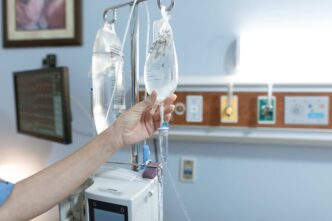
Once the line is successfully placed, adequate hydration helps maintain a steady flow rate. A collapsed vein can clamp down around the plastic catheter, slowing the drip rate to a crawl or triggering alarms on automated pump machines. Proper fluid levels keep the channel wide open, allowing the saline, vitamins, or medications to flow smoothly into your system so you can finish your appointment on schedule and get back to your day.
How to Prepare for Your Upcoming Appointment
Knowing that water helps is great, but timing matters too. Drinking a gallon of water ten minutes before walking into the clinic won’t do much good. Your digestive system needs time to process the liquid and absorb it into your bloodstream.
Start increasing your water intake at least 24 to 48 hours before your scheduled session. Aim to drink several steady glasses of water throughout the day leading up to your visit. Cut back on heavy caffeine and alcohol intake during this window, as both substances act as diuretics that pull moisture out of your body and shrink your veins right back down. If you wake up on the morning of your appointment, drink a large glass of room-temperature water before you leave the house. That steady preparation guarantees that by the time you sit down in the chair, your veins will be primed, plump, and ready for a quick, effortless insertion.