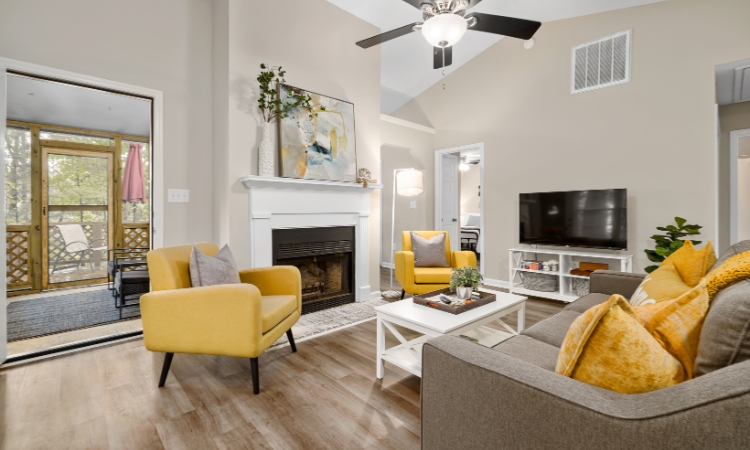
A fresh coat of paint can completely change the atmosphere of a home. Whether you want to brighten dark spaces, modernize outdated rooms, or prepare your property for sale, interior painting remains one of the most effective and affordable home improvement projects. The right colors, quality materials, and proper preparation can make any room feel cleaner, larger, and more inviting.
Many homeowners underestimate the impact that professional painting can have on both appearance and property value. Beyond aesthetics, quality paint protects walls from daily wear, moisture, stains, and minor damage, helping interiors stay attractive for years.
This comprehensive guide explores everything you need to know about interior house painting, from planning and color selection to preparation, application techniques, maintenance, and deciding when to hire professionals.
Why Interior Painting Matters
Interior painting is much more than changing wall colors. It contributes to the overall comfort and functionality of your living space. Fresh paint creates a healthier environment by covering stains, sealing damaged surfaces, and in many cases reducing odors left by previous occupants or aging walls.
Some of the biggest benefits include:
- Enhances the overall appearance of your home.
- Increases property value.
- Protects walls from moisture and everyday damage.
- Makes rooms feel brighter and more spacious.
- Reflects your personal style.
- Improves indoor cleanliness and freshness.
Whether you’re renovating an older home or refreshing a newly purchased property, interior painting is one of the highest-return investments you can make.
Planning Your Interior Painting Project
Proper planning leads to better results. Before opening a paint can, consider several important factors.
Evaluate Every Room
Walk through each room and inspect:
- Wall condition
- Existing paint quality
- Cracks or dents
- Water stains
- Mold or mildew
- Nail holes
- Ceiling condition
- Trim and woodwork
Addressing these issues before painting ensures a smoother, longer-lasting finish.
Set a Realistic Budget
Your budget should include:
- Paint
- Primer
- Brushes
- Rollers
- Drop sheets
- Painter’s tape
- Sandpaper
- Fillers
- Repair materials
- Labor if hiring professionals
Higher-quality paint often costs more initially but typically requires fewer coats and lasts longer.
Choosing the Right Paint Colors
Color selection can dramatically influence how a room feels.
Neutral Colors
Neutral shades remain timeless because they:
- Match almost any furniture
- Appeal to future buyers
- Create relaxing environments
- Make decorating easier
Popular options include:
- Soft white
- Warm beige
- Light grey
- Cream
- Greige
Bold Colors
Accent walls or feature rooms benefit from deeper shades such as:
- Navy blue
- Forest green
- Charcoal
- Deep teal
- Burgundy
Used carefully, bold colors add personality without overwhelming the space.
Light Colors
Smaller rooms often benefit from lighter tones because they:
- Reflect more light
- Make ceilings appear higher
- Create an open atmosphere
- Increase perceived room size
Understanding Paint Finishes
Different finishes serve different purposes.
Flat Finish
Best for:
- Ceilings
- Low-traffic bedrooms
Pros:
- Hides imperfections
- Soft appearance
Cons:
- Harder to clean
Eggshell Finish
Suitable for:
- Living rooms
- Dining rooms
- Bedrooms
Pros:
- Slight sheen
- Easier maintenance
Satin Finish
Ideal for:
- Hallways
- Children’s rooms
- Family rooms
Pros:
- Washable
- Durable
- Smooth appearance
Semi-Gloss
Excellent for:
- Kitchens
- Bathrooms
- Doors
- Trim
Pros:
- Moisture resistant
- Easy to clean
Gloss Finish
Best used on:
- Cabinets
- Decorative woodwork
- Furniture
Provides maximum shine and durability.
Preparing the Walls
Preparation often determines the final quality more than painting itself.
Essential preparation includes:
- Removing furniture
- Covering floors
- Cleaning walls
- Filling holes
- Sanding rough spots
- Priming repaired areas
- Protecting switches and outlets
Skipping these steps often leads to peeling, uneven coverage, and visible imperfections.
Importance of Priming
Primer creates a consistent surface that allows paint to adhere properly.
Use primer when:
- Painting new drywall
- Covering dark colors
- Repairing damaged walls
- Painting over stains
- Switching paint types
Quality primer can reduce the number of paint coats required.
Choosing High-Quality Paint
Premium paints generally provide:
- Better coverage
- Longer durability
- Richer color
- Improved washability
- Better stain resistance
Although cheaper paints may reduce upfront costs, they often require additional coats and earlier repainting.
Essential Painting Tools
Successful projects require quality equipment.
Basic supplies include:
- Rollers
- Angled brushes
- Paint trays
- Extension poles
- Drop cloths
- Painter’s tape
- Putty knife
- Sandpaper
- Ladder
- Stir sticks
Professional-grade tools usually deliver smoother finishes and save time.
Painting Ceilings First
Experienced painters always begin with ceilings.
This approach:
- Prevents drips on freshly painted walls
- Simplifies cleanup
- Creates cleaner lines
- Improves efficiency
After ceilings dry, walls can be painted followed by trim and doors.
Proper Painting Techniques
Consistent techniques produce professional-looking results.
Recommended methods include:
- Maintain a wet edge.
- Apply thin, even coats.
- Avoid overloading rollers.
- Work in sections.
- Allow complete drying between coats.
Most rooms require at least two coats for full coverage.
Don’t Forget Trim and Doors
Fresh walls paired with worn trim reduce the overall effect.
Painting:
- Baseboards
- Door frames
- Window frames
- Crown molding
- Interior doors
creates a polished appearance that completes the room.
The Role of Professional Painters
While DIY painting can be rewarding, professionals bring expertise that saves time and reduces mistakes.
A qualified house painter and decorator understands surface preparation, product selection, precise edging, and efficient application techniques. Their experience often results in smoother finishes, better durability, and a cleaner overall appearance compared to inexperienced DIY work.
Professional painters also have access to commercial-grade tools that improve consistency across large spaces.
Common Interior Painting Mistakes
Avoid these frequent errors:
Skipping Preparation
Dirty or damaged walls prevent proper paint adhesion.
Choosing the Wrong Finish
Bathrooms require moisture-resistant finishes while ceilings generally benefit from flat paint.
Poor Color Testing
Always test paint samples under both natural and artificial lighting before making a final decision.
Using Low-Quality Brushes
Cheap brushes leave streaks, loose bristles, and uneven finishes.
Painting Too Quickly
Rushing between coats often causes peeling or patchy coverage.
Interior Painting Trends
Modern homes continue embracing versatile color palettes.
Popular trends include:
- Earthy greens
- Warm whites
- Soft greys
- Clay tones
- Beige neutrals
- Natural textures
- Matte finishes
- Contrasting trim
These colors create welcoming environments while remaining timeless.
Painting Different Rooms
Every room has unique requirements.
Living Room
Focus on warmth and comfort with durable finishes that handle everyday activity.
Kitchen
Choose washable paints resistant to grease and moisture.
Bathroom
Use mildew-resistant products with semi-gloss or satin finishes.
Bedroom
Soft calming colors promote relaxation and restful sleep.
Home Office
Neutral shades improve concentration while maintaining a professional atmosphere.
Improving Home Value Through Painting
Fresh interior paint remains one of the most cost-effective improvements before selling a home.
Potential buyers appreciate:
- Clean walls
- Neutral colors
- Fresh appearance
- Modern style
- Well-maintained interiors
Even older properties appear newer with professionally completed painting.
Eco-Friendly Painting Options
Many homeowners now choose environmentally friendly paints.
Low-VOC and zero-VOC paints offer benefits such as:
- Reduced odor
- Better indoor air quality
- Lower environmental impact
- Safer application
These products have improved significantly in durability and finish quality.
Maintaining Freshly Painted Walls
Proper care extends the life of your paint.
Maintenance tips include:
- Dust walls regularly.
- Clean spills immediately.
- Use soft cloths for washing.
- Avoid abrasive cleaners.
- Repair small chips promptly.
- Maintain proper ventilation.
With proper care, quality interior paint can remain attractive for many years.
Why Hiring Local Professionals Can Make a Difference
Local painting specialists understand regional climate conditions, common building materials, and homeowner preferences. For homeowners seeking interior house painting sydney, working with experienced professionals can help ensure appropriate product selection, efficient project management, and finishes that stand up well to local environmental conditions.
Reliable contractors also provide valuable advice on color coordination, paint durability, and maintenance, helping homeowners achieve lasting results that complement their property’s style.
Final Thoughts
Interior house painting is one of the simplest ways to transform a home while improving comfort, style, and long-term value. Careful planning, thorough preparation, quality materials, and proper application all contribute to beautiful results that stand the test of time.
Whether you’re refreshing a single room or repainting an entire home, investing in the right approach will reward you with interiors that feel brighter, cleaner, and more welcoming. By selecting suitable colors, using durable products, and maintaining painted surfaces properly, you can enjoy an attractive living environment for years to come.