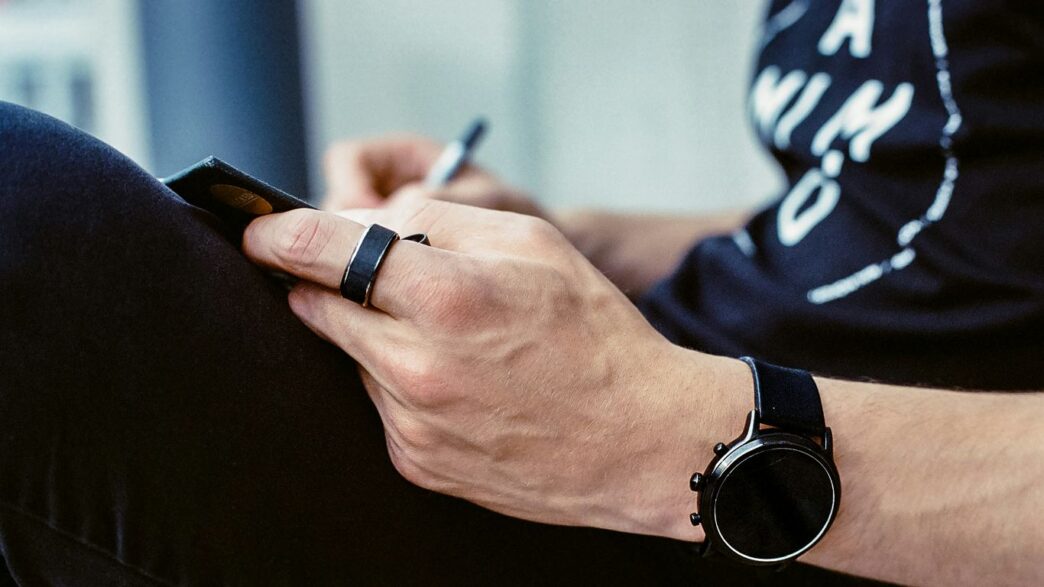
You know, sometimes it feels like we’re just guessing when it comes to our health. Like, did I actually sleep well, or was I just lying in bed for a long time? And am I ready for that tough workout, or should I take it easy today? The Oura Ring health tracker aims to take the guesswork out of it. It’s a small ring that sits on your finger, collecting data about your sleep, activity, and body signals. The idea is to give you a clearer picture of what’s going on inside, so you can make better choices for your well-being. Let’s check out what this little device is all about.
Key Takeaways
- The Oura Ring health tracker acts like a personal health dashboard, giving you insights beyond just counting steps or sleep duration.
- It uses advanced sensors to measure things like heart rate, body temperature, and movement, all to paint a picture of your health.
- Understanding your sleep quality and the daily Readiness Score helps you decide when to push yourself and when to rest.
- The ring can help you get a better handle on stress by monitoring heart rate variability, showing how your body responds to daily pressures.
- You can personalize your Oura health journey by using tags to track how specific habits or events affect your metrics.
Understanding Your Oura Health Data
So, you’ve got this Oura Ring, right? It’s not just a piece of jewelry; it’s like a tiny, super-smart health detective living on your finger. It’s constantly gathering information about what your body is up to, day and night. Think of it as your personal health dashboard, but way more detailed than anything you’ve seen before.
The Oura Ring Health Tracker: A Personal Health Dashboard
This little ring is designed to be worn all the time, which is pretty neat. It doesn’t get in the way, whether you’re working, sleeping, or just hanging out. Because it’s always with you, it can collect a constant stream of data about your body’s signals. This means you get a much clearer picture of your overall health, not just snapshots from when you remember to check something.
Key Features Beyond Basic Activity Tracking
Sure, it tracks your steps and how long you slept, but that’s just the beginning. The Oura Ring really shines when it comes to understanding the quality of your sleep. It breaks down your sleep into different stages – like Deep, Light, and REM sleep – and tells you how efficient your sleep was. It also keeps an eye on things like your body temperature and blood oxygen levels (SpO2) during the night. One of the coolest parts is the Readiness Score, which basically tells you how ready your body is to handle stress and activity on any given day. It pulls all this info together to give you a single, easy-to-understand number.
The Science Behind The Smart Ring: Sensors and Metrics
How does it do all this? Well, the ring is packed with tiny sensors. It uses infrared lights to measure your heart rate and heart rate variability (HRV). HRV is a really important number because it tells you about the balance in your nervous system, which is a good indicator of how stressed or recovered you are. It also tracks your movement to see how active you are and if you’re tossing and turning in your sleep. Plus, it monitors subtle changes in your body temperature, which can sometimes be an early sign that you’re coming down with something or related to your cycle.
Here’s a quick look at what it measures:
- Heart Rate (HR): Your heart’s rhythm throughout the day and night.
- Heart Rate Variability (HRV): A measure of your nervous system’s balance, showing stress and recovery.
- Body Temperature: Tracks small shifts that can indicate changes in your health.
- Movement: Detects your activity levels and sleep disturbances.
- Sleep Stages: Deep, Light, and REM sleep, plus total sleep time and efficiency.
- SpO2: Blood oxygen saturation levels during sleep.
Transforming Wellness with Oura Health Insights
Mastering Sleep Quality for Peak Performance
Getting good sleep isn’t just about clocking in eight hours; it’s about the quality of that rest. The Oura Ring really shines here, breaking down your sleep into different stages: Light, Deep, and REM. It doesn’t just tell you how long you slept, but how much time you spent in each stage, and how efficiently you slept overall. If you notice you’re consistently getting less Deep sleep, for example, Oura might suggest adjusting your bedtime or winding down routine. This detailed breakdown helps you pinpoint what might be messing with your rest, so you can actually do something about it.
Here’s a look at what Oura tracks in your sleep:
- Sleep Stages: Time spent in Light, Deep, and REM sleep.
- Sleep Efficiency: The percentage of time in bed actually spent asleep.
- Restfulness: How undisturbed your sleep was.
- Timing: When you fell asleep and woke up, and how aligned it is with your body’s natural rhythm.
Leveraging The Readiness Score for Optimal Activity and Recovery
Think of the Readiness Score as your body’s daily report card. It takes into account your recent sleep, your activity levels from the past few days, and your resting heart rate and heart rate variability (HRV). This score, usually a number between 0 and 100, gives you a pretty good idea of how prepared your body is to handle stress and exertion on any given day.
- High Readiness (80-100): Your body has recovered well. It’s a good day to push yourself with a tough workout or tackle demanding tasks.
- Medium Readiness (50-79): Your body is doing okay, but maybe not at its absolute best. Moderate activity is usually fine, but listen to your body.
- Low Readiness (0-49): Your body needs rest. Pushing too hard today could lead to burnout or injury. Focus on recovery, light activity, or rest.
This score is super helpful for deciding whether to go for that intense run or opt for a gentle walk instead. It stops you from guessing and gives you data-backed guidance.
Managing Stress and Understanding Your Body’s Signals
Stress shows up in your body in lots of ways, and Oura can help you see it. Your heart rate variability (HRV) is a key indicator here. A higher HRV generally means your body is more relaxed and ready to handle challenges, while a lower HRV can suggest your body is under more stress, whether from physical exertion, lack of sleep, or mental strain. Oura tracks your HRV throughout the night and day, giving you a clearer picture of your stress levels over time. By paying attention to trends in your HRV and how they correlate with your daily activities and feelings, you can start to identify your personal stress triggers and find ways to manage them better. It’s like having a quiet conversation with your body, learning its limits and needs.
Oura Health in The Real World
So, how does this fancy ring actually perform when you’re just living your life? It’s one thing to see impressive specs, but another to see how it fits into the everyday grind. Let’s break down what people are actually experiencing.
Accuracy and Validation: What The Research Says
When it comes to tracking your body’s signals, accuracy is pretty important, right? Studies and user feedback generally point to the Oura Ring being quite good at what it does, especially with things like heart rate and heart rate variability (HRV). These are the numbers that tell you a lot about how your body is handling stress and recovering. Because it’s so good at capturing these, the data it gives you about your sleep and how ready you are for the day feels pretty reliable. It’s not just guessing; it’s using solid sensor tech.
User Experience: Comfort, Design, and The App
One of the biggest wins for Oura is how comfortable it is. You’re supposed to wear it all the time, even when you sleep, and it’s designed to be so low-profile you barely notice it. It doesn’t get in the way, which is a huge plus. The app that goes with it is also pretty straightforward. It takes all the complicated numbers from the ring and turns them into charts and scores that make sense. You get suggestions based on your data, which helps you figure out what changes you might want to make.
Oura Ring vs. Other Wearables
Okay, so how does Oura stack up against other gadgets out there? It’s not really trying to be an Apple Watch or a Fitbit that does a million things. Oura’s main focus is on sleep and recovery. If you’re someone who really wants to understand your sleep patterns and get a daily readiness score, Oura is a strong contender. If you need a device that can also handle calls, texts, and a ton of different workout modes, you might look elsewhere. But for deep dives into your body’s recovery, Oura has its own lane.
Here’s a quick look at how it compares:
| Feature | Oura Ring | Typical Smartwatch (e.g., Apple Watch) |
|---|---|---|
| Primary Focus | Sleep, Recovery, Readiness, Stress | Activity, Notifications, Apps, Fitness |
| Design | Discreet, comfortable ring | Larger watch face, more visible |
| Sleep Tracking | Very detailed (stages, efficiency, etc.) | Good, but often less in-depth |
| Readiness Score | Core feature, highly personalized | Less common or less sophisticated |
| App Interface | Focused on health insights | Broader range of functions |
| Battery Life | Typically 5-7 days | Typically 1-2 days |
Personalizing Your Oura Health Journey
Activity and Menstrual Cycle Tracking with Precision
So, Oura isn’t just about telling you how much you slept or how active you were. It gets pretty detailed, especially when it comes to tracking your menstrual cycle. It uses your body temperature, heart rate, and heart rate variability to map out your cycle phases. This means you can start to see patterns, like when your energy levels might dip or when you might feel more social. It’s like having a little heads-up about what your body is up to. For example, Oura can help you anticipate changes in mood or physical performance throughout your cycle, so you can plan your days a bit better. It’s not just guessing; it’s using your actual body data.
The Power of Tagging for Tailored Insights
This is where things get really interesting. Oura gives you the option to add tags to your daily data. Think of it like adding notes to your own personal health diary. You might notice that after a late-night meal, your sleep quality score drops. By adding a "late meal" tag, you can see that connection more clearly in the app. It helps you figure out what specific habits or events are affecting your sleep, readiness, or stress levels. You can tag pretty much anything: "travel," "late caffeine," "feeling happy," "reading before bed," or even "breastfeeding." The more you tag, the more context Oura has, and the more personalized the insights become. It’s a simple way to fine-tune your understanding of what works for you and what doesn’t.
Styling Your Oura Ring
Let’s be honest, a lot of wearables can look a bit clunky or overly sporty. The Oura Ring is different. It’s designed to look like regular jewelry, so you can wear it all the time without it looking out of place. Whether you’re heading to a fancy dinner or just lounging at home, it fits right in. It comes in a few different finishes, like silver, gold, and rose gold, so you can pick one that matches your style. Because it’s so comfortable and discreet, you’re more likely to wear it 24/7, which is exactly what you need for Oura to collect the most accurate data. It’s a piece of tech that actually looks good and feels good to wear.
Wrapping It Up
So, that’s the lowdown on the Oura Ring. It’s more than just a fancy piece of tech; it’s like having a little health detective on your finger, constantly giving you the scoop on what your body’s up to. You get to see how your sleep really stacks up, how ready you are for the day, and even how stress is messing with you. It’s not about chasing perfect numbers, but about getting a clearer picture so you can make smarter choices for yourself. If you’re looking to get more in tune with your body and make some real improvements, this little ring might just be the nudge you need. It’s been a game-changer for me, helping me feel more balanced and energetic.