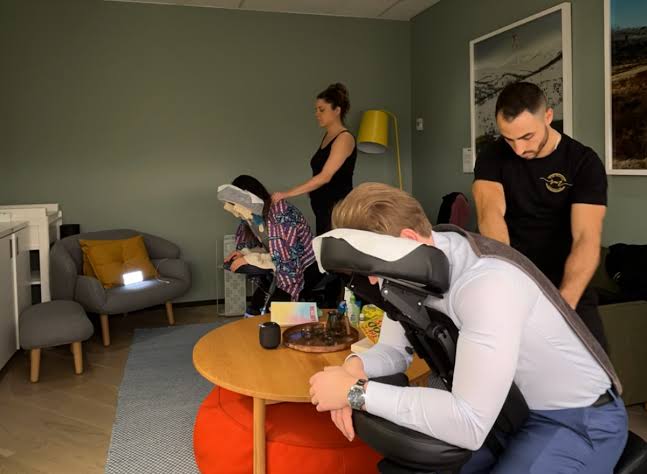
Sydney’s busy pace can make it difficult to find time to pause. Work, commuting, family commitments and social plans can fill a week before there is room to recharge. A massage can offer a dedicated break from that routine, whether you are looking to ease everyday tension, enjoy a calming experience or try a traditional treatment.
Choosing a massage, however, involves more than picking the nearest appointment. Different styles use different techniques and levels of pressure, and each person has their own preferences. Knowing what to expect can help you choose a session that feels comfortable and suited to your needs.
Why People Make Time for Massage
People book massage for many reasons. Some want a quiet hour away from screens and responsibilities. Others enjoy the feeling of having tense muscles worked on after a long day at a desk or an active weekend. For many, the appointment is simply a form of personal care: time set aside to slow down and focus on how they feel.
A massage should be approached as a relaxation or wellness experience, not a substitute for medical care. If you have an injury, persistent pain, a health condition or a concern about whether massage is appropriate for you, speak with a qualified health professional before booking. It is also sensible to tell the therapist about any relevant concerns so they can discuss suitable options.
Finding a Convenient Appointment in the City
Location can make a real difference to whether a massage fits into your routine. A convenient studio may allow you to book a session during a lunch break, after work or while spending time in the city. Some people prefer an appointment close to their workplace, while others look for somewhere near public transport or a regular shopping area.
When searching for a Massage in City, consider more than the address. Check the appointment hours, session lengths and booking process, and allow enough time to arrive without rushing. If you are going straight from work, for example, you may prefer a later appointment that gives you time to travel and settle in. If you want a short break during the day, ask whether the studio offers shorter sessions and how much time you should leave before returning to your normal schedule.
The setting matters, too. Look for clear information about the services, prices and what to expect. A professional studio should make it easy to ask questions before you book. If a particular treatment is unfamiliar, you can contact the provider to find out how the session is structured and whether the therapist can adapt the pressure.
Understanding Thai Massage
Thai massage is a traditional style that can feel different from an oil-based relaxation massage. Depending on the provider and the specific session, it may involve a combination of rhythmic pressure, stretching and guided movement. Some treatments are performed on a mat, while others take place on a massage table. Clothing requirements and techniques can vary, so it is helpful to check the studio’s description before your appointment.
Many people choose thai massage sydney when they want to explore a treatment that includes more movement than a conventional massage. The experience may involve stretches that are adjusted to your comfort and mobility. You should never feel that you need to force a movement or tolerate pressure that feels uncomfortable. Let the therapist know what works for you, and ask them to explain anything you are unsure about.
Thai massage is not a single fixed routine. The session may vary according to the practitioner’s approach, your preferences and the time booked. Before the appointment begins, you can ask which techniques are likely to be used and whether the session can be adapted for a more gentle experience.
Choosing Between Massage Styles
If you are unsure which service to book, start by thinking about the kind of experience you want. A gentle, flowing session may suit someone who mainly wants to relax. A treatment with firmer pressure may appeal to someone who prefers a more focused massage, provided the pressure remains comfortable. A style involving assisted stretching may be a better fit for someone interested in movement as part of the session.
The names of treatments do not always tell the whole story. Two studios may describe similar services differently, and two therapists may have distinct techniques. Read the service descriptions carefully, then ask questions if you need more detail. You can explain whether you prefer light, moderate or firm pressure and whether there are areas you would like the therapist to avoid.
Your choice can also depend on the day. After a tiring week, you might want a quieter session with little conversation. On another occasion, you might be interested in trying a more active style. There is no need to settle on one type of massage for every visit.
What to Check Before Booking
A few practical checks can make the booking process easier:
- Session length: Confirm how long the treatment lasts and whether changing or consultation time is included.
- Price: Check the total cost, along with the studio’s cancellation or rescheduling policy.
- Treatment details: Find out whether the service includes oil, stretching, or other techniques.
- Accessibility: Consider transport, parking, stairs and any mobility needs.
- Communication: Make sure you can tell the therapist about your preferences and receive clear answers to your questions.
These details can prevent surprises and help you feel more at ease when you arrive. If you are booking for someone else, it is especially useful to check that the style and setting suit their preferences rather than choosing based only on convenience.
Preparing for Your Appointment
You do not need an elaborate routine before a massage. Arrive with enough time to check in, use the restroom and discuss any preferences with the therapist. Wearing comfortable clothing can make travel to and from the appointment easier. If the treatment involves changing or specific clothing, the provider should explain what is needed.
Think ahead about what you would like from the session. You might prefer a quiet appointment, a particular level of pressure or extra attention to a certain area. You can also mention if there are places you would rather not have touched. Clear communication helps the therapist tailor the experience within the service they provide.
If you feel uncertain during the session, speak up. You can ask for less pressure, request a pause or stop the treatment. A professional appointment should respect your boundaries throughout.
The Value of Comfort and Communication
Feeling comfortable is central to a good massage experience. That includes the temperature of the room, the level of noise, the therapist’s communication and your ability to share feedback. It is reasonable to expect a respectful and professional environment where your questions are answered without pressure.
A therapist may ask about your general preferences before beginning. Be as specific as you can. “A little lighter” or “please avoid my shoulders” gives clearer direction than silently hoping the technique will change. You do not need to explain personal details beyond what is relevant to your comfort and the treatment.
Communication can continue during the massage. Some people enjoy conversation; others prefer silence. Let the therapist know what you prefer, and remember that your comfort can change as the session goes on.
Making Massage Part of a Balanced Routine
For some people, an occasional massage is a pleasant treat. Others choose to book from time to time as part of a broader routine that includes rest, movement and other forms of self-care. How often you go is a personal decision influenced by your schedule, preferences and budget.
There is no universal schedule that suits everyone. You can begin with one appointment and see how you feel about the experience. If you want to book again, consider whether the same style, duration and pressure suited you, or whether you would like to try something different next time.
It may also help to think about how a session fits into your day. Scheduling an appointment immediately before a demanding commitment can feel rushed. If possible, leave a little room afterward to travel home or enjoy a calmer transition back into your routine.
Choosing a Studio That Suits You
A suitable studio should provide straightforward information about its services and make the booking process clear. Look for descriptions that explain what a treatment involves, rather than relying on a name alone. Reviews may help you understand other clients’ experiences, but your own preferences are still the most useful guide.
You might value a quiet atmosphere, flexible appointment times, easy access or a particular treatment style. Write down your priorities before comparing options. That can make it easier to choose a place that works for you instead of booking the first available appointment.
If a studio cannot answer basic questions about the treatment or your comfort, consider contacting another provider. A short conversation before booking can give you a better sense of whether the service is a good match.
Enjoying a More Relaxed City Experience
Massage can be a welcome pause in a crowded calendar. Whether you choose a familiar relaxation treatment or decide to try Thai massage, the experience is more likely to suit you when the style, setting and pressure match your preferences.
Take a moment to check the treatment details, choose an appointment that fits your schedule and tell the therapist what would make you comfortable. With a little preparation, a city visit can become an easy opportunity to slow down, reset and give yourself time away from the demands of the day.