
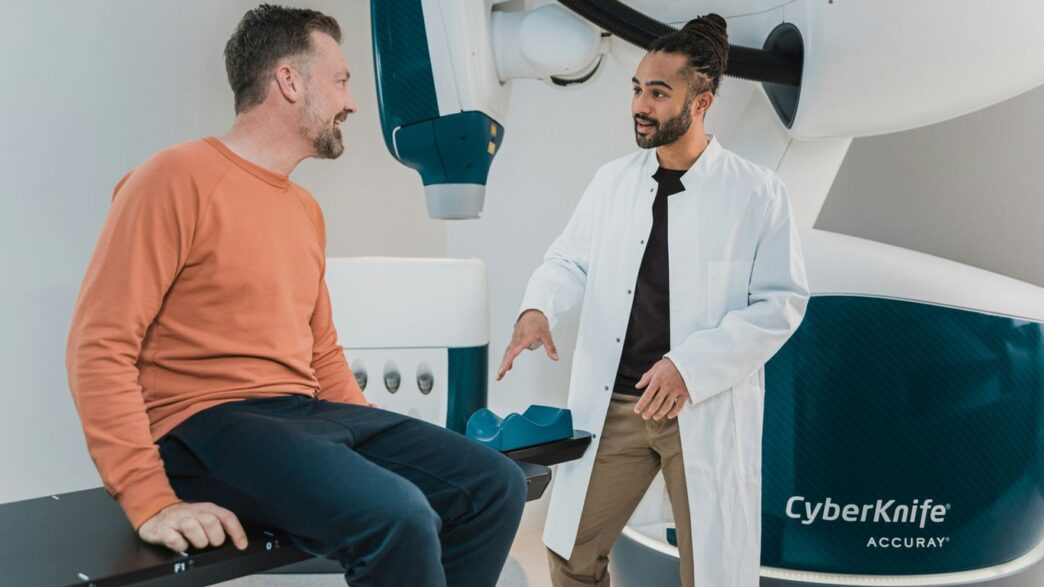
Streamlining Healthcare Operations with Robotic Process Automation
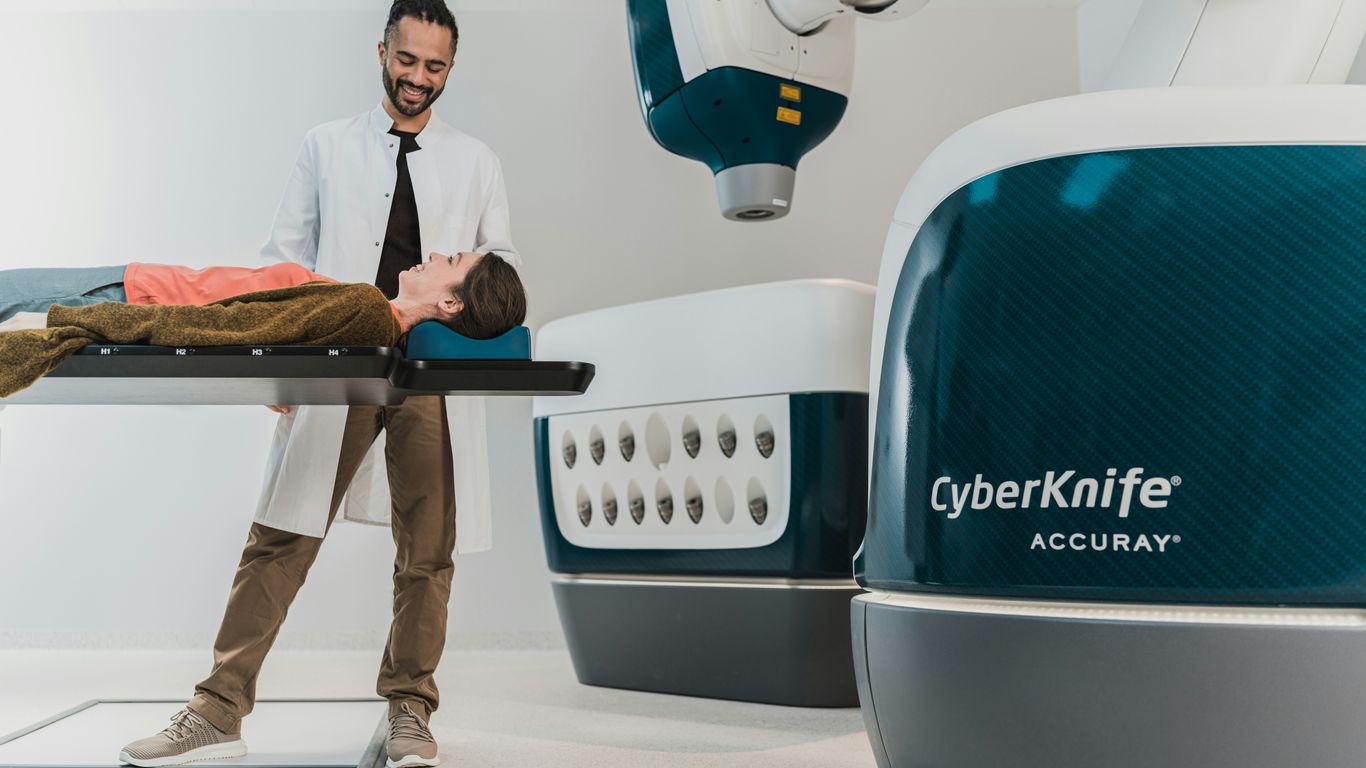
Healthcare is a busy place, right? Lots of moving parts, and sometimes, things can get a bit bogged down. That’s where Robotic Process Automation, or RPA, comes in. Think of it like having a super-efficient digital helper that can handle all those repetitive, time-consuming tasks that often slow things down. RPA is changing how hospitals and clinics run by taking over the grunt work, freeing up people to focus on what really matters: patient care.
Automating Patient Admissions and Discharge
Getting admitted to a hospital or being discharged can involve a lot of paperwork and back-and-forth. RPA can step in here. It can help gather necessary patient information, verify insurance details, and even update records automatically. This means less waiting for patients and a smoother process for the staff. Imagine a system that can pre-fill forms based on existing data or send out discharge instructions automatically. It cuts down on manual entry errors and makes sure everyone has the information they need, right when they need it.
Optimizing Appointment Scheduling and Billing
Scheduling appointments and handling billing can be a real headache. RPA bots can manage appointment calendars, send out reminders to patients, and even process payments or insurance claims. This not only speeds things up but also reduces the chances of double-bookings or billing mistakes. For example, a bot could check a doctor’s availability, find a slot that works for the patient, book it, and then send a confirmation. Similarly, it can process insurance information, flag potential issues, and submit claims, all without a human having to touch every single step. This makes the whole financial side of healthcare run much more smoothly.
Enhancing Medical Record Management
Medical records are super important, but keeping them accurate and up-to-date across different systems is tough. RPA can help by automating the entry and synchronization of patient data. It can pull information from one system and put it into another, making sure that a patient’s history, test results, and treatment plans are consistent everywhere. This is a big deal because it means doctors and nurses have access to the most current and correct information when they’re making decisions about patient care. It also helps with things like preparing records for audits or sharing information between different departments or even different healthcare providers, all while keeping data secure.
Reducing Errors and Enhancing Patient Safety Through Automation
Human error is a reality in any field, but in healthcare, the stakes are incredibly high. Even small mistakes can have serious consequences for patients. This is where robotic process automation (RPA) steps in, acting like a diligent assistant that never gets tired or distracted.
Minimizing Medication Errors with Automated Systems
Think about how many medications a patient might be on, or how many different prescriptions a doctor writes in a day. It’s a lot. Automated systems can cross-reference a patient’s medical history, allergies, and current prescriptions in an instant. This helps flag potential drug interactions or contraindications before a prescription is even finalized. It’s like having an extra layer of safety built right into the process.
- Automated checks for drug-drug interactions.
- Allergy alerts integrated into prescription software.
- Dosage verification against patient weight and age.
Improving Data Accuracy in Electronic Health Records
Electronic Health Records (EHRs) are supposed to make things better, but manual data entry can still lead to typos or incorrect information being logged. RPA bots can be programmed to pull data from one system and accurately input it into another, or to validate entries against predefined rules. This means the information doctors and nurses rely on is more likely to be correct, leading to better-informed decisions.
| Process | Manual Error Rate (Est.) | RPA Error Rate (Est.) |
|---|---|---|
| Patient Demographics | 5-10% | < 0.1% |
| Medication History | 3-7% | < 0.5% |
| Lab Result Entry | 2-5% | < 0.2% |
Ensuring Precision in Clinical Processes
Beyond just data entry, automation is making its way into more hands-on clinical areas. Robotic-assisted surgery, for example, allows surgeons to perform procedures with enhanced precision, often through smaller incisions. While not strictly RPA, the principle of using technology to reduce human variability and improve accuracy is the same. Even in less complex scenarios, automated workflows can guide staff through standardized procedures, reducing the chance of steps being missed or performed incorrectly. This meticulous attention to detail is what makes automation such a powerful tool for patient safety.
The Impact of Robotic Process Automation on Administrative Efficiency
Let’s talk about the behind-the-scenes work in healthcare. It’s a lot, right? Think about all the paperwork, scheduling, and billing that goes on. Robotic Process Automation (RPA) is stepping in to make a huge difference here. It’s like giving the administrative side a super-powered assistant that never gets tired and always gets the details right.
Lowering Administrative Costs and Labor Expenses
Healthcare organizations are often bogged down by the sheer volume of administrative tasks. These tasks, while necessary, can be incredibly time-consuming and expensive when done manually. RPA bots can take over many of these repetitive jobs, like processing forms or updating patient information, much faster and more accurately than a person could. This doesn’t just speed things up; it can lead to significant savings. We’re talking about potentially cutting down on labor costs because fewer people are needed for these routine jobs, and the overall operational expenses can drop quite a bit. It’s a way to run things more leanly without sacrificing quality.
Accelerating Insurance Claims and Processing
Dealing with insurance claims can be a real headache. There are so many forms, so many rules, and it takes ages to get everything approved and paid. RPA can really speed this up. Bots can be programmed to gather all the necessary information, fill out the claim forms correctly, and submit them. They can also track the status of claims and flag any issues that need human attention. This means less waiting around for payments, which is good for the hospital’s finances and can even help keep patient costs down. Imagine getting through the claims process in days instead of weeks or even months.
Improving Provider Data Management
Managing information about doctors, nurses, and other healthcare providers is surprisingly complex and costly. Keeping track of licenses, certifications, and contact details for hundreds or thousands of professionals is a massive undertaking. Errors in this data can lead to big problems, like incorrect billing or even compliance issues. RPA can automate the process of collecting, verifying, and updating this provider data. Bots can cross-reference information from different sources, flag outdated details, and ensure everything is current and accurate. This not only saves a lot of administrative time but also helps avoid costly mistakes and keeps everything in line with regulations.
Boosting Productivity and Staff Satisfaction with RPA
It’s no secret that healthcare professionals are often stretched thin. Between patient care, endless paperwork, and administrative duties, it’s easy for staff to feel overwhelmed. This is where Robotic Process Automation (RPA) steps in, acting like a super-efficient digital assistant for your team. By taking over repetitive, time-consuming tasks, RPA frees up valuable human hours, allowing your staff to focus on what truly matters: patient well-being.
Freeing Up Healthcare Professionals for Patient Care
Think about all the time spent on tasks like data entry, appointment confirmations, or processing insurance forms. These are necessary, sure, but they don’t require a skilled medical professional’s expertise. RPA bots can handle these jobs with speed and accuracy, 24/7. This means doctors and nurses can spend less time clicking through screens and more time at the bedside, talking to patients, and providing hands-on care. It’s about shifting the focus back to the human element of medicine.
Preventing Employee Burnout Through Task Automation
Burnout is a serious issue in healthcare, leading to decreased morale and increased staff turnover. When employees are constantly bogged down by mundane, repetitive tasks, it’s exhausting. RPA can significantly alleviate this pressure. By automating these tasks, the daily workload becomes more manageable and less draining. This isn’t just about making jobs easier; it’s about creating a more sustainable work environment where staff can maintain their passion for healthcare without feeling constantly depleted.
Increasing Job Satisfaction Among Medical Staff
When staff feel their time is being used effectively and that they can focus on meaningful work, job satisfaction naturally increases. RPA contributes to this by:
- Reducing the burden of administrative tasks: Less paperwork means more time for patient interaction and complex problem-solving.
- Improving workflow efficiency: Smoother processes lead to less frustration and a greater sense of accomplishment.
- Allowing for professional development: With routine tasks automated, staff may have more opportunities to engage in training or focus on specialized areas.
Ultimately, a happier, less stressed workforce translates to better patient care and a more positive overall healthcare experience for everyone involved.
Enhancing Patient Experience and Outcomes with Automation
It’s not just about making things run smoother behind the scenes; automation is really changing how patients feel about their healthcare journey. Think about it: no one likes waiting around forever or dealing with confusing paperwork. Automation helps fix that.
Reducing Patient Wait Times
Remember those long waits in the waiting room? Automation is helping to shrink those down. Systems can now manage appointment schedules much more efficiently, sending out reminders so fewer people miss their slots. This means fewer no-shows and a better flow of patients through the clinic. Plus, automated check-in processes can get you seen faster, cutting down on that frustrating time spent just sitting around.
Improving Communication and Engagement
Staying in touch with your doctor’s office used to be a chore. Now, automated systems can send you reminders for appointments, tell you when it’s time for a follow-up, or even share helpful health tips. Chatbots can answer common questions instantly, 24/7. This constant, easy communication makes you feel more connected to your care and more likely to stick with your treatment plan. It’s like having a helpful assistant keeping you on track.
Enabling More Informed Clinical Decisions
When doctors have all your information readily available and accurate, they can make much better decisions about your health. Automation helps by organizing electronic health records so everything is easy to find. AI tools can even look at your history and suggest possible issues or treatments that a human might miss. This means you get care that’s more tailored to you and based on the most complete picture of your health. This leads to better health results and a safer experience overall.
Here’s a quick look at how automation helps:
- Faster Check-ins: Automated kiosks or apps speed up the arrival process.
- Timely Reminders: Automated messages reduce missed appointments.
- Quick Information Access: Doctors can pull up your full medical history instantly.
- Personalized Health Info: Automated systems can send relevant wellness tips.
- Proactive Alerts: Wearable devices can automatically notify you or your doctor of concerning changes.
Key Applications of Robotic Process Automation in Healthcare
Streamlining Patient Data Entry and Synchronization
Getting patient information right from the start is a big deal. Think about it: collecting basic details, digging into medical history, checking insurance, and then lining up appointments with doctors. It’s a lot of back-and-forth, especially when data is scattered everywhere. RPA can really clean this up by automating these repetitive tasks. Bots can quickly grab information from different forms, verify insurance details, and even update patient records across various systems. This means less manual work for staff and a much smoother start for patients.
Effective Management of Healthcare Supply Chains
Healthcare supply chains are notoriously complex and costly. Managing everything from ordering supplies to keeping track of inventory can be a headache. RPA steps in here to simplify things. It can automate tasks like processing purchase orders, managing inventory levels, and even predicting demand. This not only saves money and reduces errors but also makes sure that the right supplies are where they need to be, when they need to be there. It’s about making sure the hospital has what it needs to care for patients without any hiccups.
Meeting Regulatory Standards and Ensuring Data Security
Healthcare has a ton of rules to follow, especially when it comes to patient data and privacy. Things like HIPAA compliance can feel like a maze when you’re dealing with manual processes and different software. RPA helps by creating clear, documented logs of every step taken, which is great for audits. Plus, bots can handle sensitive information without human eyes on it, reducing the risk of data breaches. This means patient data stays private and secure, and the healthcare provider stays on the right side of the law. It also makes it easier for patients to get their own health information when they need it, which is a right they have.
Looking Ahead
So, what does all this mean for the future of healthcare? It’s pretty clear that tools like robotic process automation aren’t just a passing trend. They’re becoming a really important part of how hospitals and clinics work. By taking over those repetitive, time-consuming tasks, RPA lets doctors and nurses spend more time actually caring for people, which is what they got into the field to do in the first place. We’re seeing fewer mistakes, things are running smoother, and patients are likely to get better care because of it. It’s not about replacing people, but about giving them better tools to do their jobs. As this technology keeps getting better, we can expect even more positive changes, making healthcare more efficient and, hopefully, more accessible for everyone.