


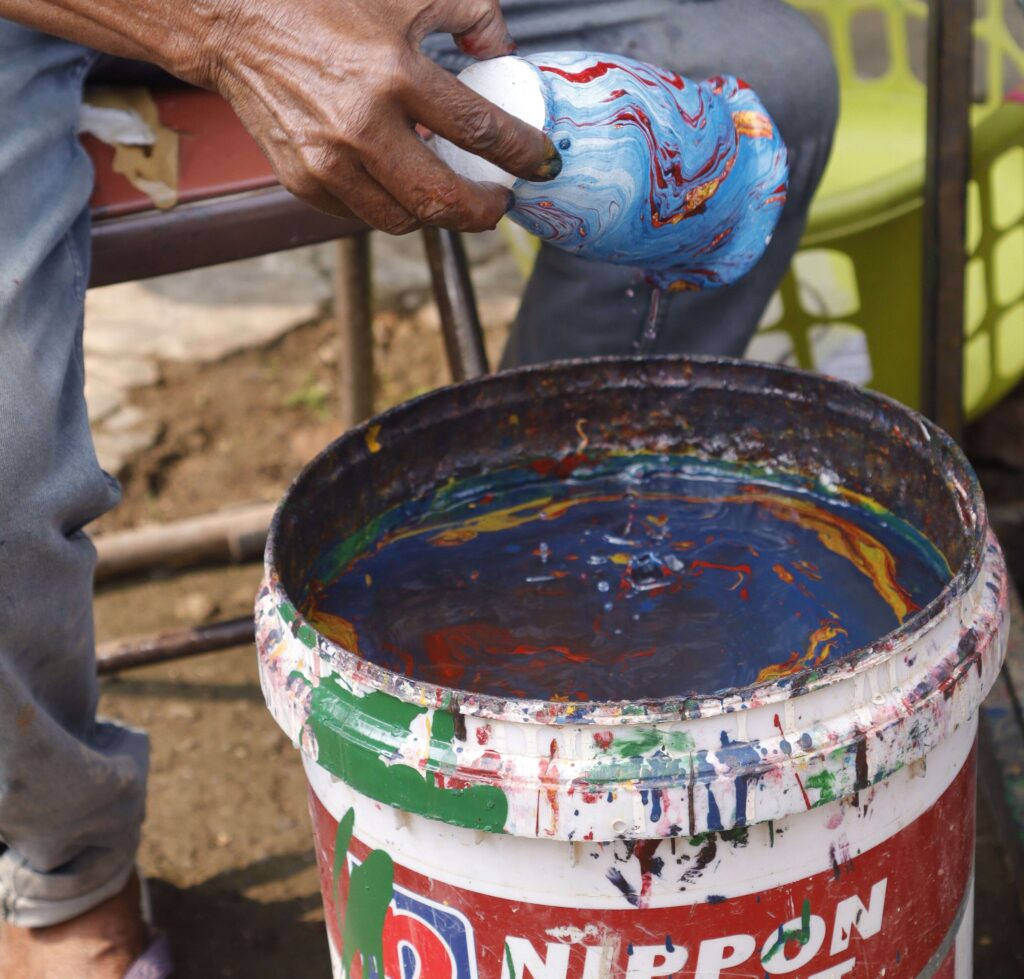
Have you ever watched a plain motorcycle helmet or piece of automotive trim slowly submerge into a vat of water, only to emerge perfectly coated in a complex carbon fiber or camouflage pattern? If so, you’ve witnessed the incredible process of hydrographics. Also known as water transfer printing, this method allows decorators to apply intricate graphics to 3D objects. While the dipping process looks like pure magic, a tremendous amount of science happens beneath the surface. Over the last decade, this industry has shifted from a manual, trial-and-error craft into a highly precise manufacturing operation. Modern technology plays a vital role in every single step, ensuring the final product looks flawless and lasts for years. Let’s look at exactly how hardware and software advancements have transformed this unique decorative process.
Digital Pattern Design and Printing
The journey of a flawless finish starts long before the water tank is ever filled. In the early days, pattern options were limited to whatever a few specialized manufacturers decided to produce. Today, digital design software blew the doors wide open. Graphic designers use advanced vector software to create incredibly detailed, seamless patterns that wrap perfectly around complex curves. Software even helps predict how a pattern will stretch over a contoured object, allowing designers to compensate for the distortion ahead of time.
Once the digital design is ready, it has to be printed onto a specialized polyvinyl alcohol film. This is where modern printing technology steps in. Large-format printers use eco-solvent inks to print these high-resolution graphics onto the delicate, water-soluble film. These printers are calibrated to lay down the exact amount of ink needed so the pattern remains vibrant even after it stretches over the surface of a dashboard or a tumbler.
Precision Temperature Control and Filtration
The water tank is the heart of the operation, and it’s far more than just a heated bathtub. The temperature of the water dictates how well the film hydrates and dissolves. If the water is too cold, the film won’t dissolve properly, leading to a stiff graphic. If it’s too warm, the ink will scatter before the object even touches the surface.
Modern dipping tanks are outfitted with digital thermostatic controls that keep the water at an exact, consistent temperature throughout the entire day. These tanks utilize advanced skimming and filtration technology. After an item is dipped, leftover ink and film residue remain on the surface. Automated baffle systems and high-powered water pumps push the waste through a multi-stage filtration setup, ensuring the water is pristine for the next dip. This hardware speeds up production and guarantees consistent quality.
Automated Activator Application
Once the film rests on the water, it must be sprayed with a chemical activator. This chemical melts the film base and turns the solid ink into a liquid state so it can wrap around the object. Applying the activator by hand with a standard spray gun requires incredible skill. Spraying too much or too little will ruin the design instantly.
To solve this inconsistency, commercial facilities now rely on automated activator spray systems. These mechanical rigs pass over the tank at a controlled speed, applying the precise volume of chemical required across the entire surface area. This technological upgrade eliminates human error. It ensures the ink liquifies perfectly every single time, preventing the graphic from tearing, fading, or washing away when the object passes through it.
Robotic Dipping Arms
Dipping a 3D object through the floating ink is a true art form. The operator has to introduce the item at the perfect angle to prevent air bubbles from getting trapped underneath the ink layer. They also have to maintain a steady, continuous speed. A slight flinch or a shaky hand will distort the pattern permanently.
For high-volume production runs, robotic arms have completely revolutionized this step. Engineers program these multi-axis robots to hold the object at the optimal angle and lower it into the vat at a mathematically perfect speed. The robot doesn’t get tired, and its movements are flawless. This level of automation allows manufacturers to process hundreds of identical parts, like gaming controllers or rifle stocks, with zero variation in the final aesthetic.
Advanced Curing and Clear Coating
The process doesn’t end when the object comes out of the water. To protect the newly transferred ink, the item needs a durable clear coat. The technology used in the finishing stage ensures the graphic won’t chip, fade, or peel when exposed to the elements.
High-tech spray booths with climate control systems manage the humidity and air purity, preventing dust particles from ruining the wet clear coat. Additionally, many shops now use ultraviolet curing technology. Instead of waiting hours for a clear coat to air dry, UV-activated clear coats harden instantly when exposed to a specific spectrum of light. This drastically cuts down production time and creates a protective shell that is incredibly resistant to scratches and sun damage.
A Modern Dip
The art of transferring a flat design onto a complex, 3D object is a brilliant concept, but technology is what makes it a reliable industry. By integrating digital design, automated chemical applicators, robotic arms, and rapid curing systems, professionals can deliver jaw-dropping results on everything from sporting goods to automotive interiors. The marriage of chemical science and modern machinery ensures this fascinating decorative process will continue to push the boundaries of custom design.