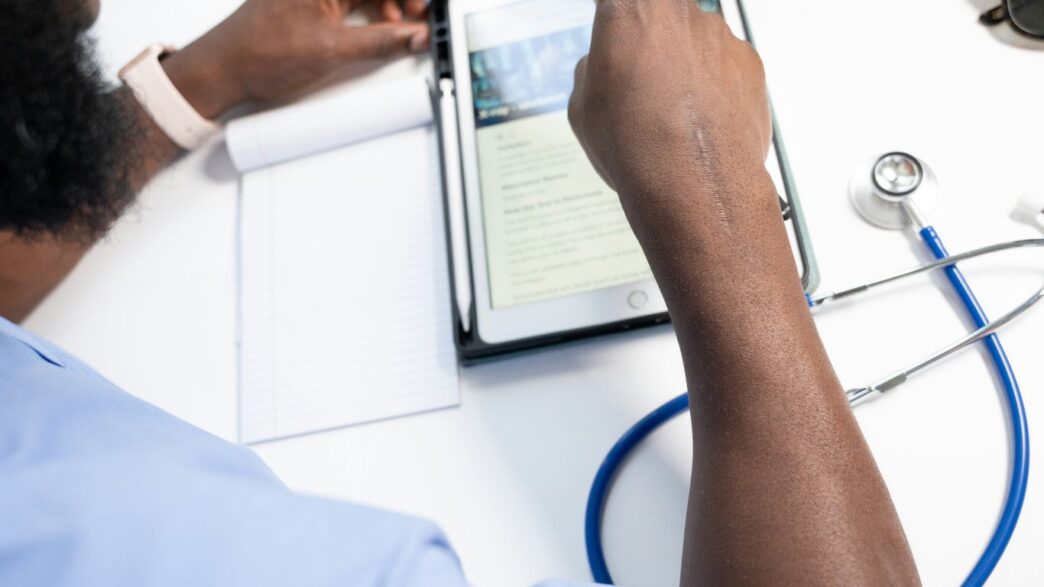
It feels like everywhere you look these days, there’s a new app or gadget promising to make our lives easier. When it comes to health, this tech boom is really changing things. We’re seeing a big shift in how we get care, how doctors and hospitals run things, and how we, as patients, stay involved in our own well-being. This whole wave of ‘mobi health’ technology is pretty significant, and it’s not just a passing trend. It’s reshaping healthcare delivery right before our eyes.
Key Takeaways
- Mobi health tech is expanding care with apps for self-management and telemedicine for better access.
- Healthcare operations are getting a boost from AI and smart data analysis, making things run smoother.
- Patients are more involved in their health thanks to digital tools that help track symptoms and connect them with providers.
- The future of healthcare involves connected systems, AI support, and smart environments for care.
- Cloud computing, diverse data, and training healthcare workers are key to advancing mobi health.
The Expanding Reach Of Mobi Health Technology
It feels like just yesterday we were all glued to our desktop computers for everything, right? Now, look around. Our phones are practically extensions of ourselves, and it’s no surprise that healthcare is catching up. Mobi health technology, or mHealth as some call it, is really changing how we get and manage our health.
Mobile Health Apps For Proactive Management
Think about it – instead of just waiting until you’re sick to see a doctor, there are now apps for pretty much everything health-related. You can track your daily steps, log your meals, monitor your sleep patterns, and even keep tabs on your blood pressure or glucose levels. These apps put a lot of information right at your fingertips, making it easier to spot trends and make small changes that add up over time. It’s like having a personal health journal that actually does something with the data.
Here are a few ways these apps are helping people take charge:
- Symptom Trackers: Jot down what you’re feeling, when, and any other details. This can be super helpful when you finally talk to your doctor.
- Medication Reminders: Forget to take your pills? Not anymore. These apps send you alerts so you stay on track.
- Lifestyle Logging: From water intake to exercise, you can see how your daily habits connect to how you feel.
Telemedicine Enhancing Patient Access
Remember those long waits in the doctor’s office? Telemedicine is shaking that up. It’s basically a doctor’s visit, but over the phone or video call. This is a huge deal, especially for people who live far from clinics or have trouble getting around. It means you can get advice, a diagnosis, or even a prescription without leaving your couch. It’s making healthcare a lot more convenient and, honestly, a lot less of a hassle.
Virtual Health Services For Remote Care
Building on telemedicine, virtual health services are taking remote care even further. This can include things like remote monitoring of chronic conditions, where devices you wear or have at home send data directly to your care team. It’s also about providing specialized care without needing to travel. For folks in rural areas or those with mobility issues, this kind of service can be a real lifesaver, connecting them to the medical attention they need, when they need it.
Transforming Healthcare Operations With Mobi Health
Streamlining Processes With AI Solutions
Healthcare systems are always looking for ways to work smarter, not harder. Mobi health tech, especially with AI, is stepping in to help. Think about how much time is spent on paperwork and scheduling. AI can take over a lot of that. It can sort through patient records faster than any human, flag potential issues, and even help manage appointments. This frees up doctors and nurses to spend more time actually caring for people. It’s like having a super-efficient assistant that never gets tired.
Predictive Analytics For Resource Optimization
Ever wonder how hospitals know when they’ll need more beds or staff? Predictive analytics, a big part of mobi health, is the answer. By looking at past patient data, current trends, and even things like local weather patterns, these systems can guess what might happen next. This means hospitals can get ready for busy periods, make sure they have enough medicine, and schedule staff more effectively. It helps avoid those moments where everyone is overwhelmed because they didn’t see a surge coming. It’s about being prepared and using resources wisely.
Automating Administrative Tasks
Let’s be honest, nobody enjoys doing administrative work. For healthcare professionals, it can take away from valuable patient interaction time. Mobi health tools are changing that by automating many of these repetitive tasks. This includes things like sending out appointment reminders, processing insurance claims, and managing patient billing. Imagine a system that handles all these details automatically. This not only reduces the chance of human error but also makes the whole operation run much smoother. It’s a win-win for both the staff and the patients who get quicker, more accurate service.
Mobi Health: Revolutionizing Patient Engagement
It’s pretty wild how much things have changed with how we handle our health, right? Mobi health tech is really shaking things up, making it way easier for us to be more involved in our own care. This isn’t just about convenience; it’s about giving people more control and making them active participants in their well-being.
Empowering Patients Through Symptom Tracking
Remember when you had to jot down notes on a napkin about how you were feeling? Yeah, me neither, but I can imagine it. Now, with mobile health apps, keeping tabs on your symptoms is super straightforward. You can log everything from your mood to specific pains, and even track how well you’re sleeping or what you’re eating. This kind of detailed information is gold.
- Daily Symptom Logging: Easily record any discomfort, pain levels, or changes in your condition.
- Medication Reminders: Get alerts so you don’t miss a dose, which is a big deal for managing chronic issues.
- Lifestyle Monitoring: Track things like exercise, water intake, and diet to see how they affect your health.
This data isn’t just for you; it’s incredibly useful when you talk to your doctor. It paints a clearer picture than just trying to recall everything from memory.
Strengthening The Patient-Provider Relationship
When you can share accurate, up-to-date information with your doctor, it changes the whole dynamic. Instead of just a quick check-in, you can have more productive conversations. Doctors can see trends and patterns you might not even notice yourself. This shared understanding builds trust and makes you feel more like a team working towards the same goal: your health.
Think about it: instead of just saying "I haven’t been feeling great," you can show your doctor a log that says, "My headaches have been worse on Tuesdays and Thursdays, and it seems to correlate with less sleep." That’s a much more actionable piece of information.
Improving Health Outcomes With Digital Tools
All this tracking and better communication naturally leads to better results. When patients are more engaged and providers have better information, treatment plans can be more personalized and effective. It’s about moving from a reactive approach to a more proactive one. We’re seeing fewer missed appointments, better adherence to treatment, and ultimately, people feeling healthier.
Here’s a quick look at how these tools make a difference:
| Feature | Benefit |
|---|---|
| Symptom Trackers | Identifies patterns and triggers |
| Telemedicine | Increases access to care and follow-ups |
| Digital Health Tools | Promotes adherence and self-management |
It’s a positive cycle: better engagement leads to better data, which leads to better care, and that, of course, leads to better health for everyone.
The Future Of Healthcare Delivery
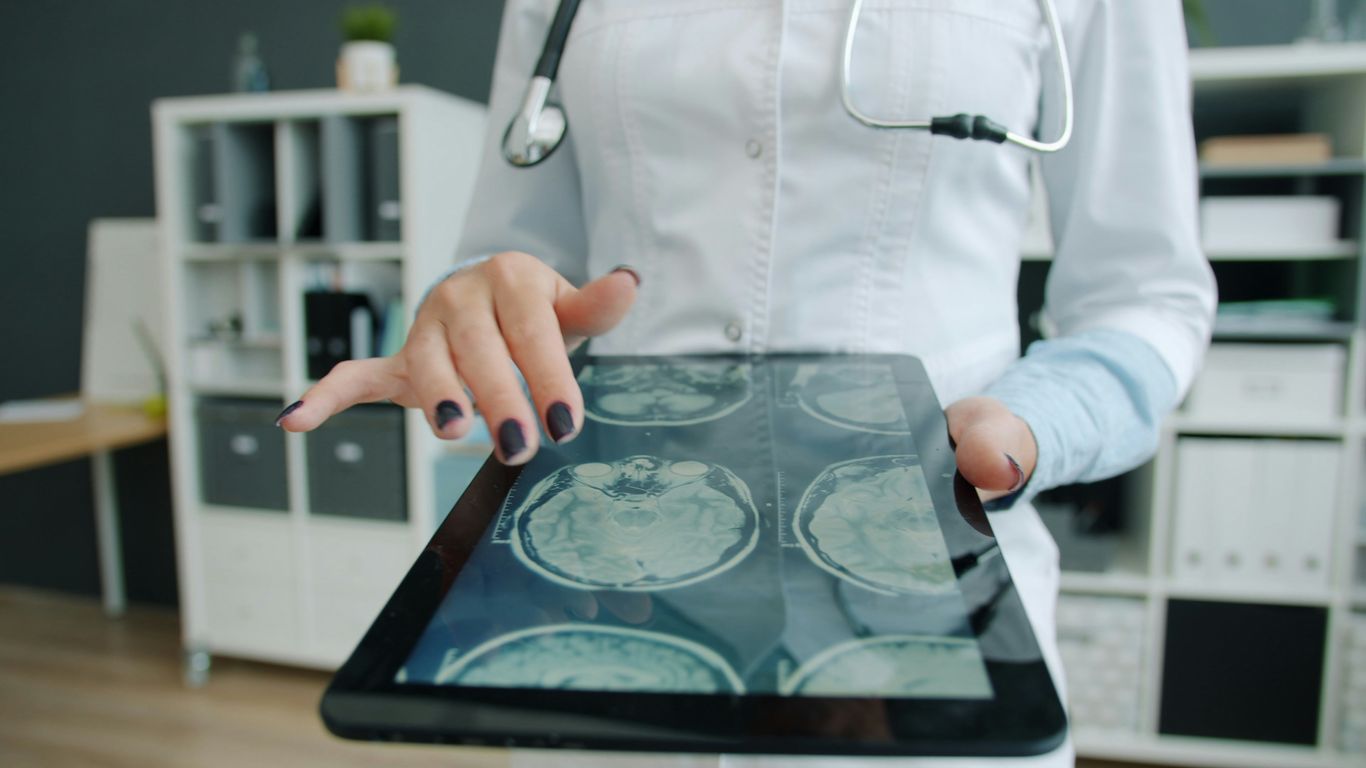
So, what’s next for how we get healthcare? It’s pretty clear things are changing fast, and a lot of it has to do with technology. We’re moving towards systems that are smarter and more connected.
AI-Augmented Healthcare Systems
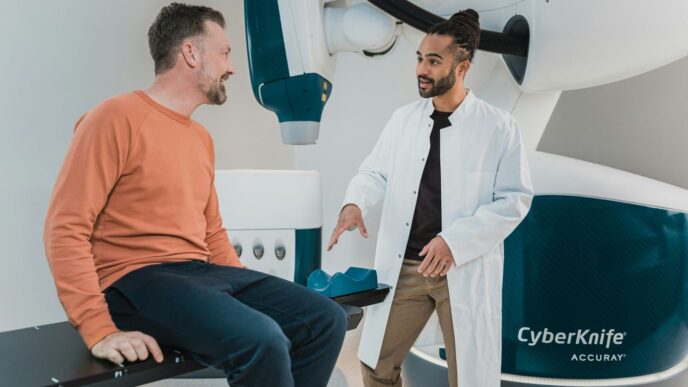
Think of AI not as a replacement for doctors, but as a super-smart assistant. Right now, AI is getting good at spotting patterns in huge amounts of data, way more than a person could handle. This helps with things like diagnosing diseases faster, like finding diabetic retinopathy in eye scans, or planning radiation therapy. In the next 5 to 10 years, AI will get even better. It’ll be able to learn from less data and combine all sorts of information – images, patient records, even genetic data – to help figure out the best treatments. The long-term vision is a healthcare system that’s truly personalized and preventative, moving away from the old ‘one-size-fits-all’ approach. This means better results for patients and a more efficient system overall.
Connected And Interoperable Digital Infrastructure
For all this advanced tech to work, our digital systems need to talk to each other. Right now, a lot of health information is stuck in different places. We need a way for all these systems – from hospital records to your smartwatch data – to connect and share information smoothly. This interoperability is key to making AI truly useful and giving doctors a complete picture of your health. It’s like building a highway system for health data so it can flow where it’s needed, when it’s needed.
Ambient Intelligence In Care Settings
This is a bit more futuristic, but imagine a hospital room or even your home where technology just knows what you need. Ambient intelligence means sensors and smart devices are working quietly in the background. They could monitor your vital signs without you even noticing, alert a nurse if you seem to be in distress, or adjust the room temperature for comfort. It’s about making the care environment more responsive and less intrusive, letting technology support care without getting in the way.
Innovations Driving Mobi Health Adoption
So, what’s really making mobile health technology take off? It’s not just one thing, but a mix of smart tech and how we’re using it. Think about cloud computing, for instance. It’s the backbone for a lot of the artificial intelligence that powers these health apps and services. Without the cloud, all that data processing and storage would be a huge headache.
The Role Of Cloud Computing In AI
Cloud platforms give AI the power it needs. They can handle massive amounts of information, which is exactly what AI needs to learn and get better. This means apps can offer more personalized advice, spot patterns in your health data, and even help doctors make quicker decisions. It’s like giving AI a super-powered brain that can grow.
Leveraging Multi-Modal Data For Insights
We’re not just looking at one type of health data anymore. Mobi health tools can now pull information from all sorts of places. This includes things like:
- Wearable devices (smartwatches, fitness trackers)
- Information you input yourself (symptoms, diet)
- Medical records from your doctor
- Even environmental factors, if relevant
By looking at all this data together, we get a much clearer picture of someone’s health. It’s like putting together a puzzle where each piece tells a part of the story. This helps in spotting issues early and creating better care plans.
Upskilling The Healthcare Workforce
Of course, all this new tech means healthcare workers need to know how to use it. There’s a big push to train doctors, nurses, and support staff on these new digital tools. This training is key to making sure everyone can take full advantage of what mobile health has to offer. It’s not just about having the technology; it’s about having people who know how to use it effectively to help patients.
Mobi Health’s Impact On Accessibility
It’s pretty amazing how Mobi Health technology is changing things for people who might have had a tough time getting medical help before. Think about folks living way out in the country, or people who can’t easily get around. Mobi Health is bringing healthcare right to their doorstep, or at least making it much, much easier to reach.
Bringing Healthcare To Underserved Communities
For a long time, if you lived far from a city or a major town, getting to a doctor could be a whole production. You’d have to take time off work, arrange transportation, and maybe even travel for hours. Mobi Health changes that. Mobile clinics, for example, can be set up in rural areas for a few days, offering check-ups and basic care without people needing to travel far. Apps also let people in these areas connect with specialists they wouldn’t normally have access to. It’s like shrinking the distance between patients and the care they need.
On-Demand Access To Physicians
Remember when you had to wait weeks for a doctor’s appointment? Or worse, rush to an urgent care for something that wasn’t quite an emergency but still needed attention? Mobi Health makes getting in touch with a doctor much faster. Through telemedicine platforms, you can often connect with a licensed physician via video call or even a phone call within minutes. This is a huge deal for getting quick advice, managing ongoing conditions, or just getting peace of mind without the hassle of a traditional visit. It means you can get help when you need it, not just when you can get an appointment.
Reducing Barriers To Essential Services
Beyond just seeing a doctor, Mobi Health helps break down other roadblocks to getting care. For instance, prescription refills can often be handled through an app, saving a trip to the pharmacy. Mental health support is also becoming more accessible, with online therapy sessions available to anyone with an internet connection. Even things like scheduling appointments or accessing your medical records are simplified through user-friendly mobile interfaces. This makes the whole process of managing your health less complicated and more manageable for everyone.
The Road Ahead
So, where does all this leave us? It’s pretty clear that mobile health tech isn’t just a passing trend. It’s changing how we get and give healthcare, making things easier for everyone. From apps that help you keep track of your health to virtual doctor visits, these tools are making care more accessible and, honestly, more convenient. We’re seeing a big shift towards people taking more control of their well-being, and that’s a good thing. While there are still hurdles to jump, like making sure everyone can use this tech and keeping data safe, the direction is set. This is just the beginning of a smarter, more connected way to manage health.
Frequently Asked Questions
What exactly is Mobi Health technology?
Mobi Health technology is like using your phone or computer to help with your health. Think of apps that track how you feel, or talking to a doctor on video instead of going to the clinic. It’s all about making healthcare easier to get and manage using digital tools.
How do mobile health apps help people stay healthy?
These apps are like personal health helpers on your phone. You can use them to keep track of your symptoms, remember to take your medicine, or even log your exercise and food. This helps you see what’s working and share that info with your doctor, so you can make better choices for your health.
What is telemedicine and how does it make healthcare better?
Telemedicine is basically a doctor’s visit over the internet. You can chat with your doctor on a video call, which is super handy if you live far away or can’t easily leave home. It means you can still get advice and care without the hassle of traveling to a clinic.
Can Mobi Health technology help doctors and hospitals work better?
Yes, it can! Smart technology, like AI, can help hospitals run more smoothly. It can sort through patient information faster, predict when more staff might be needed, and even handle some of the paperwork. This frees up doctors and nurses to spend more time actually caring for patients.
How does Mobi Health technology make healthcare more available to everyone?
It’s a big help for people who don’t live near a doctor’s office or find it hard to get to appointments. By using phones and computers, Mobi Health can bring medical advice and services right to people’s homes, even in remote areas. This means more people can get the care they need, when they need it.
What’s the future of Mobi Health technology in healthcare?
The future looks really exciting! We’ll likely see even smarter systems that can help doctors make better decisions, devices that are always connected to share health info, and technology that can help care for people in their own homes more easily. It’s all about making healthcare more personal, efficient, and accessible for everyone.