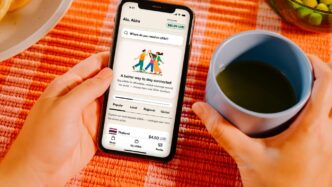
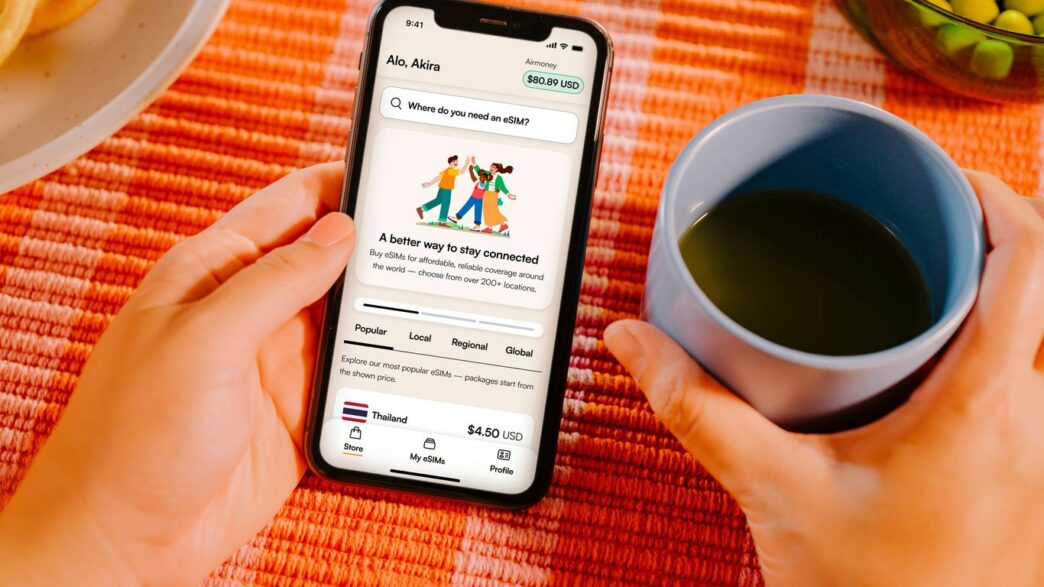
Trying to get healthier can feel like a lot sometimes, right? You’ve got goals, but figuring out the best way to reach them can be confusing. That’s where a direct meal tracker comes in handy. Think of it as your personal food diary, but way smarter. It helps you see exactly what you’re eating, making it way easier to stick to whatever health plan you’ve got going on. Whether you want to lose a few pounds, build muscle, or just eat a bit better, this tool can really make a difference.
Key Takeaways
- A direct meal tracker helps simplify your health goals by providing a clear view of your food intake.
- These trackers offer features like barcode scanning and custom meal creation for easy logging.
- They support various goals, from managing dietary restrictions to optimizing performance through macro tracking.
- Advanced features can offer detailed nutrient analysis and personalized advice based on your data.
- Consistent use and engagement with community features can maximize the benefits of your direct meal tracker.
Understanding Your Direct Meal Tracker Options
So, you’re looking to get a handle on what you’re eating, huh? It’s a pretty common goal these days, and thankfully, there are a bunch of tools out there to help. Think of these direct meal trackers as your personal food diary, but way smarter. They’re designed to make logging your meals and snacks less of a chore and more of a helpful step towards whatever health target you’ve set.
The Rise of Digital Nutrition Companions
It feels like just yesterday we were scribbling in notebooks or trying to remember everything we ate. Now, we’ve got these digital buddies. They’ve popped up because, let’s be honest, keeping track of our food intake can be tricky. Life gets busy, and remembering the exact ingredients in that restaurant dish or how much oil you used when cooking can be a challenge. These apps aim to simplify all that. They’ve become super popular for anyone trying to manage their weight, understand their energy levels, or just eat a bit better. It’s like having a nutritionist in your pocket, but without the constant appointments.
Key Features of a Direct Meal Tracker
When you’re looking at these apps, there are a few things that usually stand out. Most of them will let you log what you eat, obviously. But how they do it can vary a lot. Some have massive databases of foods, so you can just search and pick. Others have barcode scanners, which is a lifesaver for packaged goods – just a quick scan and boom, the info is there. You’ll also find apps that let you create your own meals or recipes, which is great if you cook a lot at home. And then there are the more advanced ones that break down your food into protein, carbs, and fats, sometimes even down to vitamins and minerals. The goal is always to make logging as quick and painless as possible.
Here’s a quick rundown of common features:
- Food Logging: The core function. This can be through searching a database, scanning barcodes, or manually entering items.
- Nutritional Breakdown: Seeing calories, macros (protein, carbs, fat), and sometimes micros (vitamins, minerals).
- Customization: Ability to add your own foods, recipes, or meals.
- Progress Tracking: Visual charts or summaries showing your intake over time.
- Goal Setting: Inputting targets for calories, macros, or weight.
Choosing the Right Direct Meal Tracker for You
Picking the best one really depends on what you need. Are you just trying to get a general idea of your calorie intake, or are you training for a marathon and need to nail your macros? If you’re new to this, something simple like MyNetDiary might be a good starting point. It’s pretty straightforward. For those who want super detailed info, especially about vitamins and minerals, apps like Cronometer are often recommended. If you’re focused on weight loss, LoseIt! is a popular choice. And if you find typing a hassle, an app that lets you log meals with photos, like YouAte, could be your jam. It’s worth trying out a couple to see which one feels right for your daily routine. Don’t feel pressured to pick the first one you see; take your time to find a good fit.
Leveraging a Direct Meal Tracker for Specific Goals
So, you’ve got a direct meal tracker, and now you’re wondering how to really make it work for what you want to achieve. It’s not just about logging food; it’s about using that data to get where you want to go. Whether you’re an athlete trying to shave seconds off your time, someone managing a tricky allergy, or just looking to drop a few pounds, your tracker can be a serious game-changer.
Optimizing Performance with Macro Tracking
For anyone serious about their physical performance, understanding macronutrients – protein, carbs, and fats – is key. These are the building blocks and fuel sources your body uses. A direct meal tracker lets you see exactly how much of each you’re getting with every meal. This isn’t just for bodybuilders; runners, swimmers, or even weekend warriors can benefit. Knowing your macros helps you fuel workouts properly and recover faster. For example, hitting your protein target can aid muscle repair, while the right amount of carbs provides sustained energy.
Here’s a quick look at why macros matter:
- Protein: Essential for muscle repair and growth. Aiming for adequate protein intake post-workout can speed up recovery.
- Carbohydrates: Your body’s primary energy source. Timing your carb intake around workouts can improve endurance and performance.
- Fats: Important for hormone production and nutrient absorption. Healthy fats are crucial for overall health and can help with satiety.
Many trackers allow you to set custom macro goals based on your activity level and specific training phases. This means you can adjust your intake to support periods of intense training or periods where you might be focusing more on recovery.
Managing Dietary Restrictions and Allergies
Dealing with food allergies or specific dietary needs can feel like a constant puzzle. A direct meal tracker can simplify this significantly. You can often input your restrictions, and the app will flag foods that don’t fit. This is a lifesaver when you’re grocery shopping or trying a new recipe. Some apps even have community features where users share allergy-friendly product recommendations or restaurant reviews. Imagine being able to quickly search for ‘gluten-free snacks’ or ‘dairy-free dinners’ within your app – it takes a lot of the guesswork out of eating safely.
- Customizable Food Databases: Many trackers let you exclude specific ingredients or entire food groups. This is super helpful if you’re avoiding gluten, dairy, nuts, or anything else.
- Recipe Analysis: Input a recipe, and the tracker can break down its nutritional content, highlighting potential allergens or ingredients that don’t align with your plan.
- Product Scanning: Use the barcode scanner to check packaged foods for hidden allergens before you buy them.
Supporting Weight Management Journeys
When your goal is weight management, whether it’s losing weight or gaining muscle, a direct meal tracker provides the accountability you need. It helps you understand your calorie intake versus your calorie expenditure. Seeing this data laid out clearly can be really motivating. You can set calorie targets and track your progress over time, making adjustments as needed. It’s not about strict deprivation; it’s about making informed choices that align with your goals. For instance, if you notice you’re consistently going over your calorie goal on certain days, you can identify those patterns and make small changes, like swapping a high-calorie snack for a lower-calorie, more filling option.
- Calorie Budgeting: Set a daily calorie target and monitor your intake to stay within it.
- Progress Visualization: Track your weight changes alongside your food intake to see how your diet impacts your results.
- Identifying Trends: Spot patterns in your eating habits that might be hindering your progress, like frequent dining out or late-night snacking.
Effortless Food Logging with a Direct Meal Tracker
Logging your food doesn’t have to be a hassle. Modern direct meal trackers are designed to make this process as quick and painless as possible, so you can focus on your health goals instead of getting bogged down in data entry. The right app can turn a tedious task into a simple habit.
Barcode Scanning for Instant Entry
Remember staring at grocery store shelves, trying to figure out the nutritional info for that new snack? Barcode scanning takes the guesswork out of it. Most apps have a built-in scanner that uses your phone’s camera. Just point it at the barcode, and bam – the food item and its nutritional details pop up. This is a lifesaver for packaged goods, saving you from manually searching databases or typing in numbers. It’s especially handy when you’re on the go or just want to quickly log what you’re eating without interrupting your day.
Customizing Meals and Recipes
What about those home-cooked meals or restaurant dishes that don’t have a barcode? That’s where custom entries come in. You can create your own food items or recipes within the app. This means you can input the ingredients for your famous chili or that salad you always get from your favorite cafe. Once saved, you can easily select it next time you eat it, without re-entering everything. This feature is super important for accuracy, especially if you’re tracking specific macros or calories. It also helps the app learn your eating habits over time.
Visual Logging for Mindful Eating
Sometimes, just seeing what you eat can be a powerful tool. Some trackers offer a visual logging option, where you can snap a photo of your meal instead of typing out all the details. This approach encourages mindfulness about your food choices. While it might not always capture exact nutritional data like calorie counts, it’s fantastic for building awareness of portion sizes and meal composition. It’s a less intense way to track, which can be really helpful if you find traditional logging stressful. You can still get a good sense of your eating patterns just by looking at your food diary photos. This method can be a great starting point for anyone new to tracking their intake, offering a gentler introduction to understanding your eating habits.
Here’s a quick look at how different logging methods stack up:
- Barcode Scanning: Fastest for packaged foods, highly accurate nutritional data.
- Custom Recipes: Perfect for home-cooked meals and restaurant dishes, ensures personalized tracking.
- Visual Logging: Promotes mindfulness, good for understanding portion sizes and meal variety, less data-intensive.
Beyond Basic Tracking: Advanced Features
So, you’ve got the hang of logging your meals, and maybe you’re even hitting your macro targets. That’s great! But what if your meal tracker can do more? Many apps go way beyond just counting calories or protein. They can actually give you a much clearer picture of your overall health and how your food choices impact it.
Micronutrient Analysis for Holistic Health
Think of macronutrients (carbs, protein, fat) as the big building blocks. Micronutrients, on the other hand, are the vitamins and minerals your body needs in smaller amounts, but they’re super important for everything from energy production to immune function. A good tracker can break down your intake of things like Vitamin C, Iron, Calcium, and Magnesium. It’s not just about hitting a number; it’s about seeing if you’re getting a good variety of these essential nutrients. Some apps even highlight foods that are good sources of specific micronutrients you might be low on. It’s like having a nutritionist in your pocket, pointing out where you can add more leafy greens or nuts to boost your intake.
Integration with Fitness and Health Platforms
Your food is only one piece of the health puzzle. What about your workouts? Or your sleep? Many advanced trackers can connect with other apps and devices you might already use. For example, if you use a fitness watch like a Garmin or an Apple Watch, your tracker might be able to pull in data about your activity levels and heart rate. This lets the app see how your food intake relates to your energy expenditure and recovery. It’s pretty neat to see how a well-timed meal might affect your next workout or how better nutrition could improve your sleep quality. This connected approach gives you a more complete view of your well-being.
Personalized Insights and Guidance
This is where things get really interesting. Instead of just spitting out numbers, some trackers use your logged data, combined with your connected health information, to offer personalized advice. Maybe it notices you consistently feel sluggish after meals high in processed carbs, or perhaps your energy levels are better on days you eat more fiber. The app might then suggest specific meal ideas or adjustments to your eating patterns. These tailored suggestions can be far more effective than generic advice because they’re based on your unique body and habits. It’s like having a coach who knows you well and can guide you toward making smarter choices that actually work for you.
Making the Most of Your Direct Meal Tracker
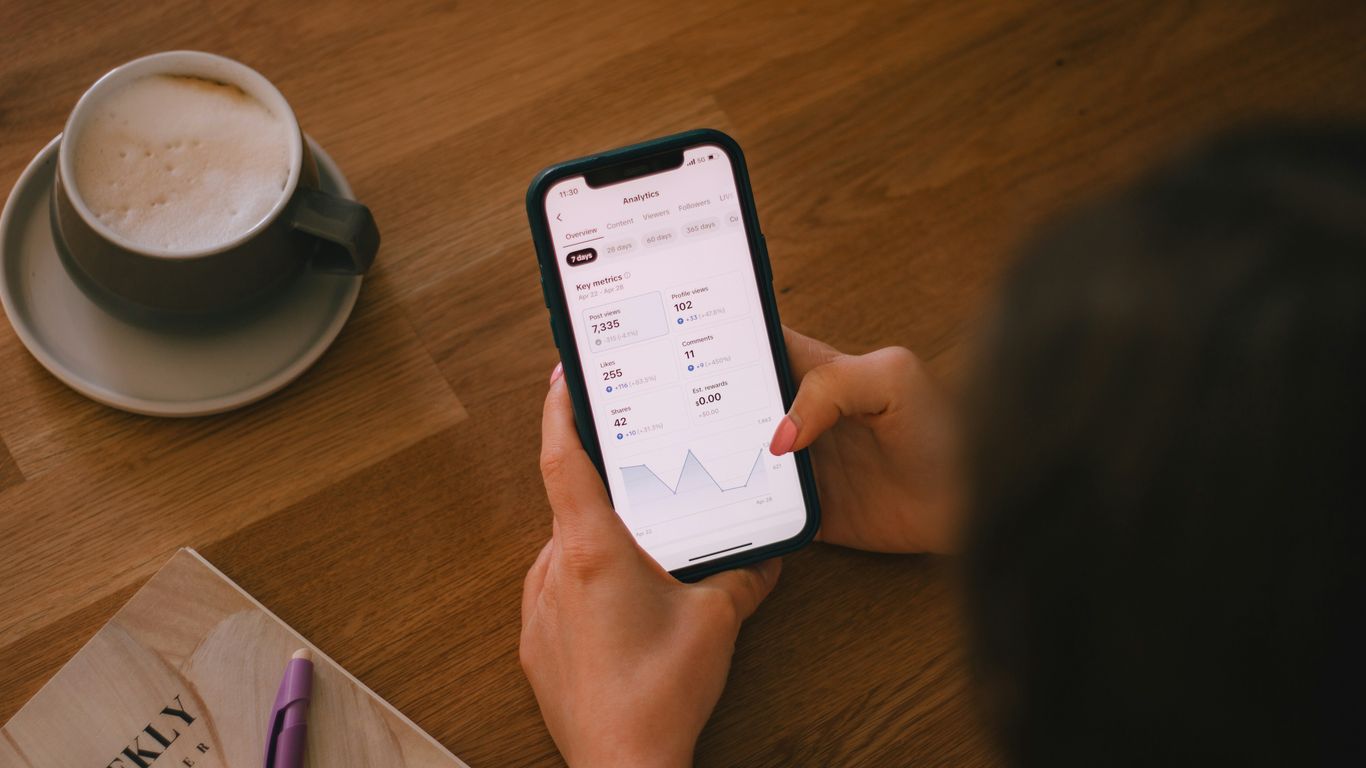
So, you’ve got your direct meal tracker set up and you’re logging your food. That’s awesome! But just having the tool isn’t the whole story, right? To really get the most out of it, you need to be consistent and actually use the data it gives you. It’s like having a fancy gym membership but never going – doesn’t do much good.
Consistency is Key for Accurate Data
This is probably the most important part. If you’re only logging your meals half the time, or you forget to add that snack you had at 10 PM, the information you’re getting is going to be way off. Think of it like trying to follow a map where half the roads are missing – you’re not going to get to your destination. Try to log everything, every single time. Even if it feels like a hassle, especially at first. The more complete your data, the more reliable the insights will be. It takes a little while to build the habit, but soon enough, it’ll feel as natural as brushing your teeth.
Utilizing Community Support Features
Many of these trackers have built-in communities or forums. Don’t just ignore them! These places can be goldmines for motivation and practical advice. You can find people who are dealing with the same challenges you are, whether it’s figuring out how to log tricky restaurant meals or staying on track when you’re traveling. Sharing your progress, asking questions, and even just reading about others’ successes can make a big difference. It helps you feel less alone in your health journey.
Adapting Your Goals with Data
Your direct meal tracker isn’t just a diary; it’s a tool for learning. Look at the reports and summaries it provides. Are you consistently hitting your protein goals? Are you getting enough fiber? Maybe you’re eating more carbs than you thought. Use this information to make small, informed adjustments to your eating habits. For example, if you see you’re often short on vegetables, you can make a conscious effort to add a side salad or some steamed broccoli to your lunch and dinner. The data helps you see patterns you might otherwise miss, allowing you to tweak your approach and get closer to your health objectives without drastic, guesswork-based changes.
Wrapping It Up
So, there you have it. Tracking what you eat doesn’t have to be a big, complicated thing. Whether you’re trying to lose a few pounds, build some muscle, or just feel a bit better day-to-day, there’s an app out there that can make it easier. These tools can really help you see what’s going on with your food without making it feel like a total chore. Give one a try, see how it fits into your life, and you might just find it’s the little nudge you needed to reach those health goals.
Frequently Asked Questions
What exactly is a direct meal tracker?
Think of a direct meal tracker as your personal food diary helper. It’s an app or tool that lets you easily log everything you eat and drink. It helps you see what you’re consuming so you can make smarter choices about your health goals.
How can these trackers help me reach my health goals?
These trackers are like a roadmap for your eating habits. Whether you want to lose weight, build muscle, or just eat healthier, they show you where you’re at. By seeing your food intake, you can figure out what’s working and what’s not, making it much simpler to adjust your plan and get closer to your goals.
Is it hard to log my food every day?
Not at all! Many trackers have super easy ways to log food. You can often scan barcodes on food packages, search a huge list of foods, or even save your favorite meals and recipes. Some even let you snap a photo, making it quick and painless.
What if I have food allergies or specific diets?
No problem! Many trackers let you note down allergies or specific diets like vegan or keto. They can help you find safe foods, recipes, and even restaurants, making it easier to stick to your plan without worry.
Do I need to be a tech expert to use these apps?
Definitely not! Most direct meal trackers are designed to be user-friendly, even for beginners. They often have simple layouts and clear instructions. You don’t need to be a computer whiz to get the hang of it and start tracking your meals.
Can these trackers help me understand my nutrition better?
Yes! Beyond just calories, many trackers can show you the details of your food, like how much protein, carbs, and fats you’re getting. Some even track vitamins and minerals. This deeper look helps you understand if you’re getting all the nutrients your body needs.