
We hear about technology all the time, right? It’s in our phones, our cars, and pretty much everything we do. But what does it really mean for us, day to day? This article takes a look at how technology affects our lives, from how we chat with friends to how we get our work done. It’s a big topic, and the impact of technology is something we’re all living with. Let’s break down what it all means.
Key Takeaways
- Technology makes it easier to talk to people no matter where they are, connecting us globally.
- Learning is more open now, with lots of information available and new ways to study that fit different people.
- Healthcare is getting better with new tools for finding sickness and watching patients from afar.
- Businesses can run smoother, and new jobs and industries are appearing because of technology.
- People have more chances to work remotely and share their ideas, making life more convenient.
Understanding The Core Meaning Of Technology
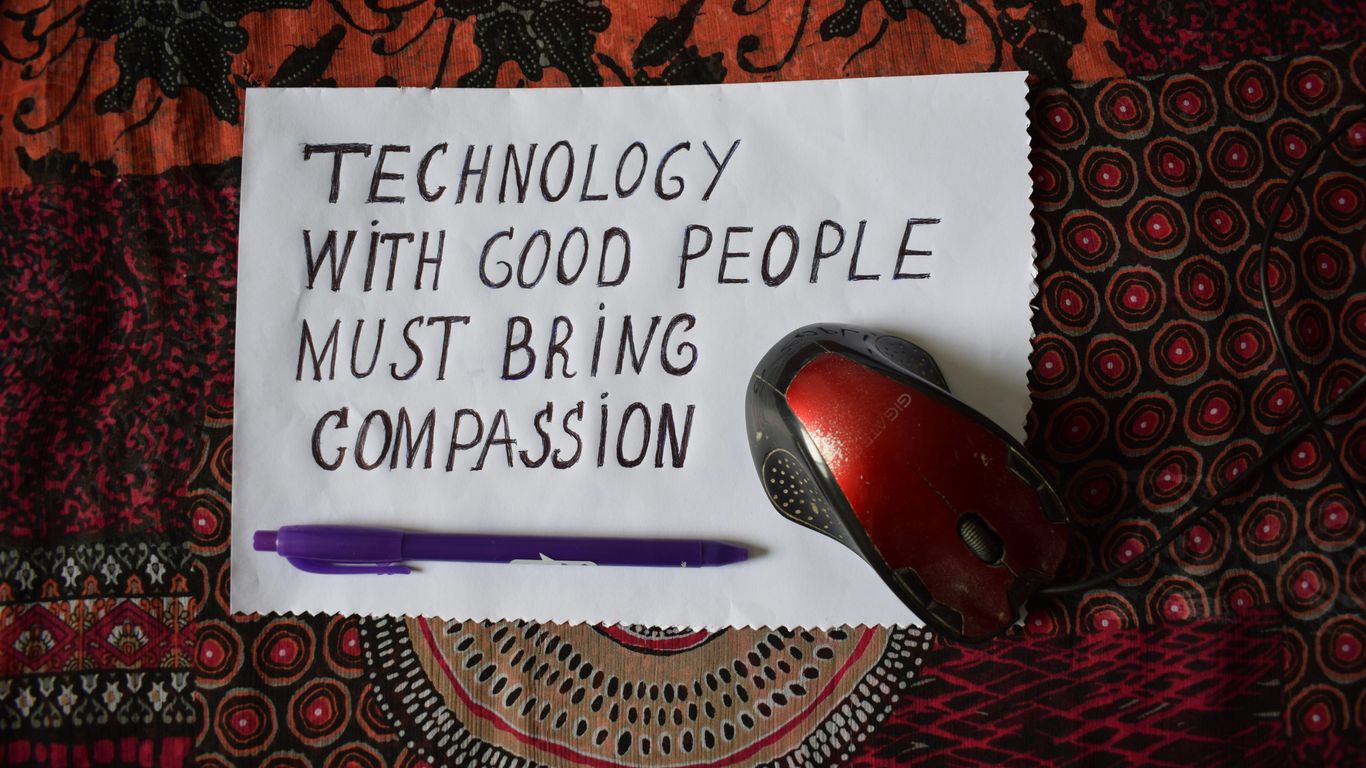
So, what exactly is technology? It’s a word we hear constantly, from the phone in your pocket to the fancy coffee maker on the counter. But if you really stop and think about it, pinning down a simple definition can be a bit tricky. At its heart, technology is basically about using knowledge to solve problems or make things happen. It’s the practical side of science, turning ideas into tools and systems that help us out. It’s the bridge between knowing something and doing something with that knowledge.
Think about it this way. Technology isn’t just about shiny new gadgets. It’s also about the methods and processes we use. We can break it down into a few key parts:
- Tools: These are the physical things we create and use. It could be as simple as a sharp rock used for cutting, or as complex as a supercomputer. The application of knowledge to make these tools is what makes them technology.
- Techniques: These are the ways we do things. Think about how you bake a cake, or how a programmer writes code. These are techniques that use knowledge to get a specific result.
- Systems: This is where tools and techniques come together. A city’s public transport system, for example, involves vehicles (tools) and schedules and routes (techniques) all working as one big system.
The Core Definition Of Technology Explained
When we talk about the core definition of technology, we’re really talking about the practical application of scientific understanding. It’s not just about having the latest smartphone; it’s about the entire process of creating and using things to achieve a goal. This has been going on for a very long time. Even our ancestors using fire or making simple tools were engaging in technology. It’s about human ingenuity and our drive to make life easier or better. The definition itself isn’t set in stone; it changes as we learn and invent more. It’s a constant evolution, really.
Technology Through The Ages: A Historical Perspective
To really get a handle on what technology means today, it helps to look back. Technology has a long, long history, stretching all the way back to when humans first started shaping their environment. Early on, it was about survival – making better tools for hunting, building shelters, or controlling fire. These were the first steps in applying knowledge to practical needs.
Then came bigger shifts. The invention of things like the printing press changed how information spread. Later, the Industrial Revolution brought about massive changes with machines like the steam engine, transforming how we made things and how we lived. This period really showed how technology could reshape entire societies. The practical use of scientific understanding became more widespread and impactful.
Fast forward to today, and we’re seeing changes happen at a speed that’s hard to keep up with. From the first computers to the internet and now artificial intelligence, each era has brought new definitions and new possibilities for what technology can do. It’s a story of continuous development, with each innovation building on what came before.
Exploring The Diverse Landscape Of Technology
The Different Types Of Technology
When we talk about technology, it’s easy to picture shiny gadgets and complex computer systems. But technology is a much broader concept than just the latest smartphone or a supercomputer. It really covers a huge range of things we use to solve problems and make life easier. Think about it: even a simple hammer is a piece of technology, developed ages ago to help us build things. Today, technology spans from the very basic tools we use daily to incredibly intricate systems that run our world.
We can sort technology into a few main categories to get a better handle on it:
- Information Technology (IT): This is what most people think of first – computers, software, the internet, and all the ways we store, retrieve, and share information. It’s the backbone of communication and data management.
- Biotechnology: This involves using living organisms or their parts to create products or solve problems, like developing new medicines or improving crops.
- Manufacturing Technology: This covers the tools, machines, and processes used to make physical goods, from cars to clothing. Automation and robotics are big parts of this today.
- Energy Technology: This includes ways we generate, store, and use energy, like solar panels, wind turbines, and batteries.
- Transportation Technology: From cars and trains to airplanes and rockets, this is all about moving people and goods from one place to another.
It’s pretty wild when you consider how many different forms technology takes, right? It’s not just one thing; it’s a whole collection of human ingenuity applied in countless ways. Understanding these different types helps us see how technology touches almost every part of our lives, shaping how we live, work, and interact with the world around us. It’s a story that has been unfolding for a long time, and it continues to change every day. You can find out more about how technology has transformed civilization by looking at historical context.
Tangible Tools And Complex Systems
So, we’ve got these different types of technology, but they also fall into two big buckets: the stuff you can actually touch and the systems that are more abstract but just as real in their impact. On one hand, you have tangible tools. These are the physical objects we create and use. Think of a wrench, a microscope, a 3D printer, or even a prosthetic limb. These are concrete items designed to perform a specific function, making a task easier or even possible.
Then there are the complex systems. These are often less about a single object and more about how multiple components, often including software and hardware, work together. The internet is a prime example – it’s not a single thing you can hold, but a vast network of interconnected devices and protocols. Other examples include global financial networks, air traffic control systems, or sophisticated supply chains. These systems manage vast amounts of data and coordinate actions on a massive scale.
It’s the combination of these tangible tools and complex systems that really drives progress. A new medical device (tangible tool) might rely on intricate software and data networks (complex system) to function effectively. This interplay is what allows for advancements that were unimaginable just a few decades ago. The way these pieces fit together is constantly evolving, leading to new possibilities and challenges. It’s a fascinating area to watch as it continues to develop and reshape our world.
The Profound Impact Of Technology On Society
Enhancing Communication and Connectivity
It’s pretty wild when you think about how much easier it is to talk to people now compared to, say, even twenty years ago. Technology has really changed the game for how we connect. Remember when calling someone overseas was a big deal, expensive and complicated? Now, with video calls and instant messaging, you can chat with someone on the other side of the planet like they’re in the next room. This makes keeping in touch with family and friends who live far away so much simpler. It also means businesses can work with teams spread across different countries without much hassle. Need to send a document, a photo, or just a quick message? It happens in seconds. This speed is a huge part of modern life. News travels fast, and so does personal communication. We can share ideas, get quick answers, and react to events almost as they happen. This rapid flow of information keeps everyone more informed and connected. Online platforms have made it possible for people with shared interests, no matter where they are, to find each other. Think about online forums for hobbies, support groups for specific challenges, or even fan communities for your favorite shows. These digital spaces allow people to connect, share experiences, and build relationships that might never have formed otherwise. It’s like having a neighborhood that spans the entire world. The ability to communicate instantly across vast distances has reshaped our social fabric. It allows for a level of global interaction that was once unimaginable, making the world feel smaller and more accessible. This is a big shift from how things used to be, and it’s something we often take for granted. The impact of technology on society is quite something to consider.
Streamlined Access To Essential Services
Beyond just chatting with friends, technology has made getting important stuff done way easier. Think about healthcare, for instance. We’ve got tools now that let doctors check on patients from miles away, which is a lifesaver for people who can’t easily get to a clinic. Plus, finding information about health issues is just a few clicks away, helping people understand their bodies better. It’s not just healthcare, though. Government services are also getting a digital makeover. Many forms and applications can now be done online, saving trips to offices and cutting down on paperwork. This makes dealing with bureaucracy a lot less of a headache. Even banking has changed; managing your money, paying bills, and transferring funds can all be done from your phone or computer. This convenience means people can spend less time on chores and more time on things they actually want to do. It’s about making life run smoother.
Transforming Education And Learning
The way we learn has changed a lot, thanks to technology. It’s not just about textbooks anymore. We have so many new ways to get information and practice skills. The internet puts a world of knowledge at our fingertips. Online databases, digital libraries, and educational websites mean students and lifelong learners can explore almost any topic imaginable. This accessibility breaks down barriers, allowing people in remote areas or those with limited mobility to access the same learning materials as someone in a major city. It’s like having a personal library that’s always open. One of the most exciting parts of technology in education is how it can tailor learning to each person. Not everyone learns at the same pace or in the same way. Adaptive learning platforms use algorithms to figure out what a student knows and where they struggle. They then adjust the difficulty and type of content presented. This means students get the support they need exactly when they need it, without feeling rushed or bored. It makes learning more effective and less frustrating. Forget dry lectures. Technology has brought us tools that make learning fun and interactive. Think about educational games, virtual reality field trips, and collaborative online projects. These tools make complex subjects easier to grasp and keep students more engaged. It’s a far cry from the chalkboards of the past, and it’s making education more effective for a wider range of people. The philosophical dimensions of this technogenic environment are worth exploring.
Technology’s Influence On The Global Economy
Facilitating Global Commerce
It’s pretty wild how easy it is now for businesses to sell stuff all over the world. Gone are the days when you needed a huge setup to even think about international sales. Online shops and simple payment systems mean even a small operation can reach customers in different countries. This opens up massive new markets that just weren’t accessible before. Plus, the tools we have for talking to people across time zones make working with partners and clients way less of a headache. It all just speeds things up and makes the global economy feel a lot more alive. Keeping up with new tech is key for businesses; those that don’t adapt can fall behind fast. For instance, online marketplaces have really changed how we shop and sell, making it easier to find products globally.
Driving Economic Growth And Innovation
Technology is a huge reason why economies grow and why we see so many new ideas popping up. It’s not just about doing things faster; it’s about finding completely new ways to do business and make money. Think about how software helps companies manage their stock or keep track of sales. This kind of automation cuts down on mistakes and saves time, letting businesses focus on getting bigger. Cloud computing, for example, lets teams work together from anywhere, which speeds up projects. Even supply chains are getting smarter with tracking systems that show exactly where goods are, cutting down on delays. This efficiency directly helps a company’s profits.
Creating New Industries And Job Opportunities
New technologies often lead to whole new sectors of business that didn’t exist before. The internet, for example, gave rise to e-commerce, social media, and digital marketing. These weren’t big deals just a few decades ago, but now they employ millions. The development of things like artificial intelligence and new energy sources are further examples of tech-driven innovation creating jobs that didn’t exist before. These fields require specialized skills, pushing education and training to adapt. It’s a constant cycle of change and opportunity, which is pretty interesting when you think about it. This constant evolution is reshaping our reality in many ways, leading to a "weirding" of our world.
Empowering Individuals Through Technological Access
Technology has really changed how people can get information and do things for themselves. It’s not just about big companies or governments anymore; individuals have more control. This shift means more people can learn, work, and create in ways that weren’t possible before.
Democratizing Information and Knowledge
Before the internet, getting reliable information often meant going to a library or subscribing to specific publications. Now, a vast amount of knowledge is just a few clicks away. This access helps people make better decisions about their health, finances, and daily lives. It also means that people can learn about different cultures and perspectives without leaving their homes. The ability to access and use digital tools has leveled the playing field in many areas. It allows individuals to participate more fully in society and the economy, regardless of their location or background. You can find resources on almost any topic imaginable, from learning a new language to understanding complex scientific concepts. This widespread availability of information is a huge step forward for personal growth and informed citizenship. It’s like having a personal library that’s always open, ready to share its contents with anyone who seeks it. This access is a key part of digital competence, helping people engage more successfully with the digital world [29de].
Enabling Remote Work Opportunities
Having an internet connection is a big deal these days. Technology makes working from home or anywhere with a connection possible through video conferencing, cloud storage, and project management tools. This flexibility can improve work-life balance and open up job opportunities for people who might have trouble commuting or living near major job centers. It’s a game-changer for many, allowing for a better balance between professional life and personal responsibilities. This shift has also been studied for its impact on the financial well-being of those seeking employment [ed3c].
Providing Tools for Creativity and Expression
Creating art, music, writing, or videos used to require expensive equipment and specialized skills. Today, many apps and software programs are affordable or even free, making creative pursuits accessible to more people. Online platforms also allow individuals to share their work with a global audience, potentially building communities around their creations. This has opened up new avenues for self-expression and even for building careers. Think about:
- Digital art software that lets you paint on a screen.
- Video editing tools that make creating films accessible.
- Music production software that allows anyone to compose and record songs.
- Writing platforms that connect authors with readers worldwide.
These tools have truly lowered the barrier to entry for creative endeavors.
Navigating The Challenges Of Technological Advancement
So, we’ve talked a lot about how great technology is, right? It connects us, makes things easier, and opens up new worlds. But let’s be real, it’s not all sunshine and rainbows. There are some pretty big hurdles we need to jump over as things keep changing so fast.
Addressing Privacy and Cybersecurity Concerns
This is a big one. Every time we share something online, use a new app, or even just browse the web, we’re leaving digital footprints. Protecting that personal information from falling into the wrong hands is a constant battle. Companies collect tons of data, and while they say it’s to improve services, it makes you wonder where it all goes. Then there’s the whole cybersecurity side of things – hackers are always trying to find ways into systems, whether it’s to steal money, identities, or just cause chaos. It’s like living in a house where you’re always double-checking the locks, but the locks themselves keep changing.
Here are some common worries:
- Data Breaches: Sensitive personal information getting exposed.
- Identity Theft: Someone stealing your personal details to pretend to be you.
- Malware and Phishing: Tricky emails or software designed to trick you into giving up information or letting bad stuff onto your devices.
Mitigating Job Displacement Risks
Automation is awesome for efficiency, but it also means some jobs people used to do are now being done by machines or software. Think about factories, customer service, or even data entry. While new jobs are created in tech fields, they often require different skills. This can leave people who have been doing a job for years feeling left behind. We need ways to help people retrain and adapt to these changes. It’s not just about having the latest gadgets; it’s about making sure people can still make a living.
Bridging The Digital Divide
Not everyone has the same access to technology. Some people live in areas with poor internet service, or they can’t afford the latest devices. This creates a gap, a "digital divide," where some people have all the advantages of modern tech, and others are left out. This affects everything from education and job opportunities to accessing basic services. We saw how important internet access became for remote work opportunities during recent times, and it’s clear that this divide needs to be addressed so everyone has a fair shot. It’s a complex problem with no easy answers, but ignoring it isn’t an option if we want a society where everyone can participate.
Forecasting The Future Trajectory Of Technology
Emerging Trends and Innovations
So, what’s next on the tech horizon? It’s a bit like trying to guess the weather, but some patterns are definitely showing up. We’re seeing a big push towards more intelligent systems, like AI that can actually do things on its own, not just follow commands. Think of it as technology getting a bit more independent. This isn’t just about computers anymore; it’s about robots and machines that can sense, decide, and act in the real world. It’s pretty wild to think about how much this could change things, from how we get our groceries to how we manage our health. The increasing volume of data generated by these applications is driving further investment, leading to improved infrastructure and reduced operational costs. This enhanced infrastructure is key to making these advanced systems work smoothly.
Here are a few areas to keep an eye on:
- Agentic AI and Autonomous Systems: These are AI systems that can set their own goals and take steps to achieve them without constant human input. We’re talking about AI that can manage complex projects or even drive cars entirely on its own.
- AI Integrated into Infrastructure: Imagine AI not just in your phone, but embedded in the very fabric of our cities and homes – managing traffic, optimizing energy use, and making public services run better.
- Physical AI and Robotics: This is where AI meets the physical world. Robots are becoming more capable, able to perform delicate tasks, work alongside humans, and operate in challenging environments.
- Biotechnology Advances: Expect big leaps in areas like gene editing and personalized medicine, potentially changing how we treat diseases and even how we age.
- Virtual and Augmented Reality: These technologies are getting more realistic and accessible, moving beyond gaming into education, training, and even everyday communication.
The Evolving Definition of Technology
It’s funny how the word ‘technology’ itself keeps changing. What we consider ‘tech’ today might seem quaint in a decade. The definition of technology is really just a reflection of our current level of ingenuity and our aspirations. It’s not just about gadgets; it’s about the tools, systems, and knowledge we create to solve problems and improve our lives. As these new trends take hold, our understanding of what technology is will naturally shift. We’re moving towards a future where technology is less of a separate tool and more of an integrated part of our existence. It’s a constant evolution, driven by our curiosity and our need to adapt. Staying informed about these developments is important for understanding the world around us and preparing for what’s next. Many experts are predicting these kinds of shifts for the coming years.
Wrapping It Up
So, we’ve looked at how technology has changed pretty much everything, from how we chat with friends across the ocean to how we get our news. It’s made life easier in a lot of ways, connecting us more and giving us access to tons of information. But, as we’ve seen, it’s not all smooth sailing. There are definitely things to watch out for, like keeping our personal info safe and making sure everyone can get in on the tech action. As things keep changing super fast, it’s on all of us to figure out how to use these tools smartly, making sure they help us move forward without leaving people behind. It’s a constant balancing act, really.
Frequently Asked Questions
What is technology in simple terms?
Technology is basically using tools and knowledge to solve problems or make things easier. Think of it like using a hammer to build something or using a computer to write a story. It’s all about how humans create and use things to get stuff done.
How has technology changed over time?
Technology has changed a lot! It started with simple tools like rocks and sticks used by early humans. Then came things like fire, the wheel, and farming tools. Later, we got machines, electricity, cars, phones, and now computers and the internet. It’s gone from basic survival tools to complex systems that connect the whole world.
What are some main types of technology?
There are many kinds! Some are physical things you can touch, like smartphones, cars, or robots. Others are more like systems or ideas, such as the internet, software that runs computers, or even ways of organizing information. Think about communication tech, transportation tech, and medical tech – they’re all different branches.
How does technology help us communicate?
Technology makes talking to people super easy, no matter how far away they are. We can send messages instantly, have video calls with friends across the ocean, and share pictures and videos in seconds. It connects us all and makes the world feel smaller.
What are the downsides of so much technology?
While technology is great, it can cause problems. Sometimes, it’s hard to keep our personal information safe online (privacy and security). Also, new machines can sometimes do jobs that people used to do, which can be worrying. And not everyone has equal access to technology, creating a gap between those who do and those who don’t.
What new technologies might we see in the future?
The future looks exciting! We’ll likely see even smarter computers (like advanced AI), new ways to connect virtually (like in virtual reality), and technologies that help us live more sustainably. Technology is always changing, so we can expect new inventions that we can’t even imagine right now!