Some ads just stick with you, right? They’re not just commercials; they’re like little cultural moments. These cool marketing campaigns didn’t just try to sell something. They changed how we think about brands, started conversations, and honestly, just made us pay attention. We’re looking at some of the best examples out there, figuring out what made them so special and what we can learn from them.
Key Takeaways
- Great ads have a clear point and talk straight to the people they want to reach.
- Using different places to show ads, like TV, online, and social media, helps brands connect with more people.
- Ads that tell a story and make you feel something are easier to remember and work better.
- When the look, feel, and message are the same everywhere, people notice and remember the brand.
- The best ads are original. They don’t just copy others; they do something new.
1. Apple – “1984”
Back in 1984, when the Macintosh computer was about to hit the market, Apple dropped a commercial that pretty much blew everyone’s minds. It wasn’t just an ad; it was a cinematic event. Directed by Ridley Scott, the same guy who did ‘Alien’ and ‘Blade Runner,’ it showed this bleak, dystopian world, kind of like Orwell’s ‘1984,’ where everyone’s just marching along, all grey and uniform. Then, this one woman, running like she’s on a mission, throws a giant hammer at a screen showing a Big Brother-type figure. It was a bold statement, basically saying the Mac was going to break free from the computer conformity of the time.
This ad only aired a few times, most famously during the Super Bowl. That was a huge deal. It wasn’t about showing off the computer’s features; it was about creating a feeling, a story. It made people stop and think, ‘What is this all about?’ and, more importantly, ‘I need to know more about this Macintosh.’ It set a whole new bar for what an advertisement could be – more like a mini-movie with a powerful message.
2. Coca-Cola – “Share a Coke”
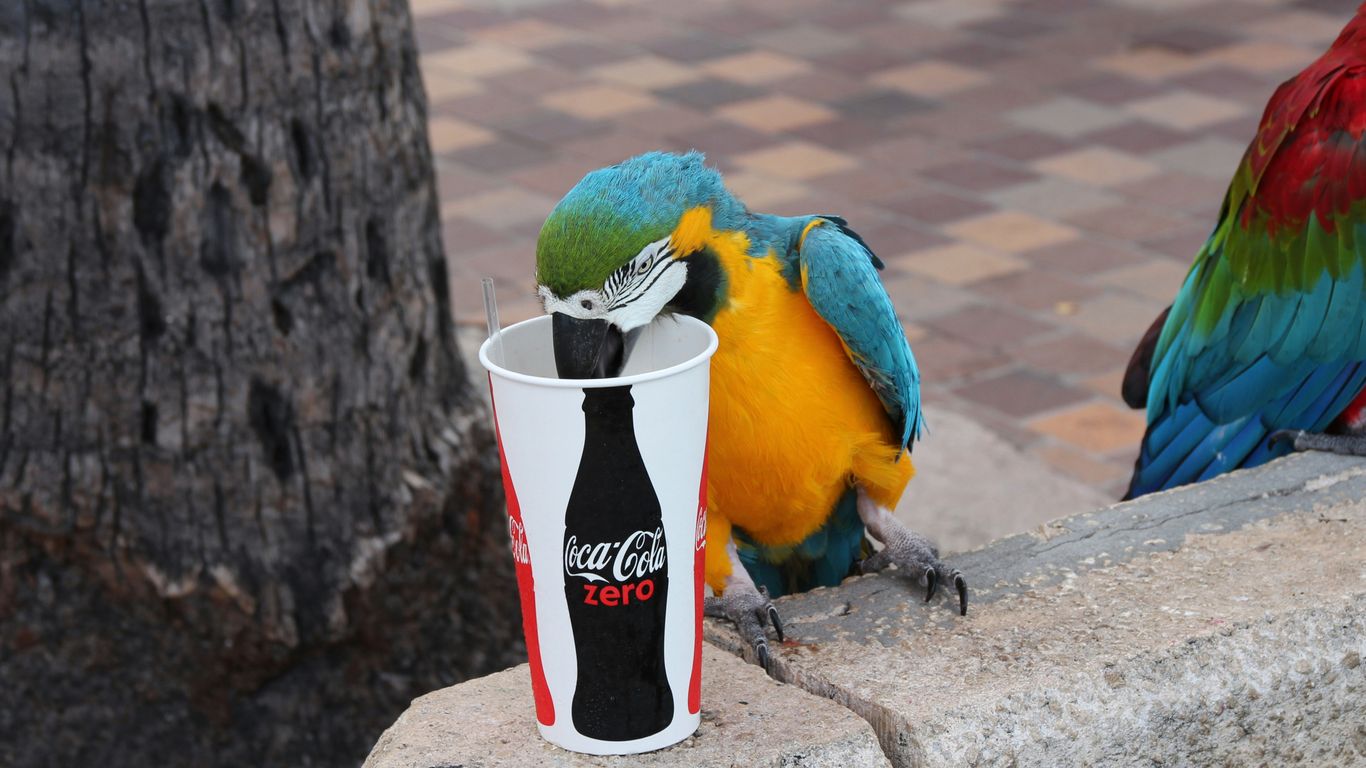
Remember when finding your name on a Coke bottle felt like a personal victory? That was the magic of Coca-Cola’s "Share a Coke" campaign. It kicked off in Australia back in 2011, and honestly, it was a pretty simple idea that just took off. They swapped out the classic Coca-Cola logo for some of the most popular first names out there. Suddenly, that regular bottle of Coke became a potential gift, a conversation starter, or just a fun little personal treat.
This campaign really tapped into something special. It wasn’t just about drinking a soda; it was about connection and personalization. People went on treasure hunts in supermarkets, trying to find their name or the names of friends and family. It turned a mass-produced product into something uniquely yours, even if just for a moment. The real genius was how it encouraged people to share their finds online, turning everyday consumers into brand ambassadors.
Here’s a quick look at why it worked so well:
- Personalization: Swapping the logo for names made each bottle feel special.
- Social Sharing: People loved posting pictures of their name-bottles, creating a huge online buzz.
- Giftability: Bottles with names became easy, thoughtful gifts for friends and loved ones.
- Increased Sales: The novelty and desire to find specific names definitely boosted purchases.
It was a smart move that made people feel seen and connected to the brand in a new way. The campaign was so successful that Coca-Cola brought it back in various forms over the years, proving that sometimes, the most effective marketing is the most human. It’s a great example of how a simple change can make a big impact.
3. Nike – “Just Do It”
Nike’s "Just Do It" campaign is more than just a slogan; it’s a mindset. Launched back in 1988, it wasn’t about selling shoes as much as it was about selling the idea of pushing yourself, no matter who you are or what you’re doing. Think about it – it works for elite athletes training for the Olympics, but it also works for someone just trying to get off the couch and go for a walk. That’s the genius of it.
What made it so effective? Well, a few things. First, the slogan itself is incredibly simple and direct. It’s short, it’s memorable, and it’s a call to action. You can’t really misinterpret it. It taps into that universal feeling of wanting to achieve something but maybe needing that little push.
Here’s what made it stick:
- Universality: It speaks to everyone. Whether you’re a pro athlete or just trying to make it through a tough day, the message applies.
- Motivation: It’s inherently inspiring. It encourages people to overcome their own doubts and limitations.
- Consistency: Nike has stuck with it for decades. This kind of long-term commitment builds a really strong brand identity. You see "Just Do It," and you immediately think of Nike and all the effort and determination that goes into sports.
It wasn’t just about showing people winning. The ads often featured athletes facing challenges, sometimes failing, but always getting back up and trying again. This made the brand feel more real and relatable. It’s a powerful reminder that the journey is just as important as the finish line.
4. Old Spice – “The Man Your Man Could Smell Like”
Remember when Old Spice basically took over the internet? That was this campaign. It was a total game-changer for a brand that, let’s be honest, felt a bit old-fashioned before this.
The ads featured a super smooth, impossibly charming guy who could do anything, from riding a horse to holding a diamond, all while talking directly to the camera. It was funny, unexpected, and honestly, a little bit surreal. The humor wasn’t just random; it was smart. It played on traditional masculinity but flipped it on its head with this over-the-top, confident character.
What made it really work was how they embraced the digital age. They didn’t just run TV ads; they responded to people on social media with personalized video messages. It felt like they were talking directly to you, which was pretty wild back then.
Here’s a quick look at why it was so effective:
- Surprise Factor: Nobody saw it coming. It was so different from anything else on TV.
- Humor: The jokes landed, and the actor’s delivery was spot on.
- Relatability (sort of): While the guy was over-the-top, the idea of wanting to smell good, or having someone you care about smell good, is pretty universal.
- Digital Savvy: They jumped on social media and made it interactive, which was pretty new for a big brand.
It wasn’t just about selling body wash; it was about creating a moment. And they totally did. It made Old Spice cool again, and that’s no small feat.
5. Dove – “Real Beauty”
Dove really shook things up with their "Real Beauty" campaign. Back when most ads showed super-thin models, Dove decided to feature women of all different shapes, sizes, and ages. It was a pretty bold move, honestly.
The whole point was to challenge what society thought was beautiful and show that beauty comes in many forms. They wanted women to feel good about themselves, not like they had to fit some impossible mold. It wasn’t just about selling soap; it was about sending a message of self-acceptance.
Here’s what made it stand out:
- Inclusivity: They used real women, not professional models, which made the ads feel much more relatable. People saw themselves reflected in the campaign.
- Conversation Starter: The campaign got people talking about body image and unrealistic beauty standards. It sparked a much-needed discussion.
- Emotional Connection: By focusing on genuine beauty and confidence, Dove built a strong connection with its audience. It felt authentic.
It was a smart way to connect with people on a deeper level, and it definitely made a splash in the advertising world.
6. Volkswagen – “Think Small”
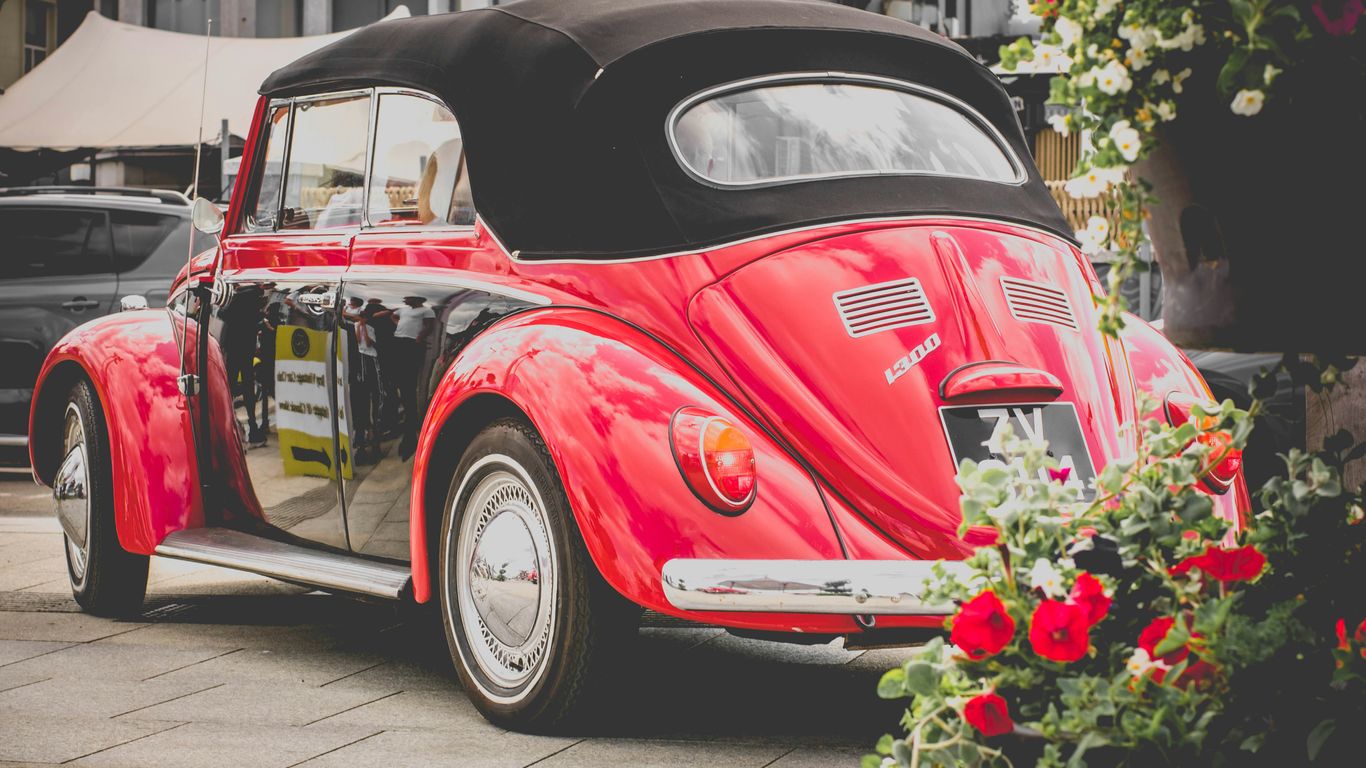
Back in the 1960s, the American auto market was all about big, flashy cars. Think tail fins, V8 engines, the whole nine yards. Then, Volkswagen comes along with the Beetle, a tiny, quirky car that was the complete opposite of everything else on the road. And instead of trying to pretend it was something it wasn’t, they leaned into it.
Their "Think Small" campaign was a masterclass in honesty and self-awareness. It didn’t try to compete with the big guys; it just highlighted what made the Beetle special: its affordability, its fuel efficiency, and its unique design. The ads were simple, often just a picture of the car and a few honest words. They acknowledged the car’s size and simplicity, turning potential weaknesses into strengths. It was a bold move that totally paid off, making the Beetle a symbol of smart, practical transportation for a whole generation. This approach really helped establish the Volkswagen brand in a crowded market.
Here’s what made "Think Small" so effective:
- Honest Messaging: The ads didn’t oversell. They talked about the car’s size and its German engineering in a straightforward way.
- Challenged the Norm: In a culture that valued excess, Volkswagen offered a sensible alternative.
- Memorable Visuals: The minimalist design of the ads made them stand out against the busy advertisements of the time.
- Focus on Value: They appealed to consumers looking for reliability and good gas mileage, not just status symbols.
7. Always – “Like a Girl”
You know how sometimes a phrase just gets used so much, it starts to lose its meaning, or worse, it gets used in a way that’s kind of… well, not great? That’s exactly what Always tackled with their “Like a Girl” campaign. They pointed out that for a long time, saying someone did something “like a girl” was basically an insult, meaning weak or clumsy.
Always decided to flip that script entirely.
They launched a campaign that really made people stop and think. It wasn’t just a TV ad; it felt more like a social experiment. They asked people, young girls and adults alike, to show them what running “like a girl” looked like. The results were pretty telling. The younger girls ran with all their might, strong and determined. The adults, however, often did this sort of exaggerated, weak-kneed shuffle, clearly influenced by the negative stereotype.
Here’s a breakdown of what made it so effective:
- The Core Idea: Challenge the negative connotation of the phrase “like a girl.”
- The Execution: Used real people, including young girls, in a way that highlighted the difference between the stereotype and reality.
- The Message: Doing things “like a girl” should mean doing them with strength, determination, and pride.
It was a powerful moment that sparked conversations everywhere about gender stereotypes and how we use language. By showing that doing something “like a girl” is actually a good thing, Always managed to connect with a huge audience and really make a difference in how people thought about the phrase. It was a smart move that boosted their brand by standing for something important.
8. Pepsi – “The Pepsi Challenge”
Okay, so Pepsi really shook things up back in the day with something they called the Pepsi Challenge. It was pretty straightforward, honestly. They’d set up little tasting stations, often in public places, and ask people to try both Pepsi and Coke, but without knowing which was which. The idea was simple: let people decide based on taste alone.
It was a bold move, going head-to-head with Coca-Cola, the undisputed king of cola at the time. They weren’t just saying they were better; they were asking people to prove it for themselves. This interactive approach really got people talking and, more importantly, trying Pepsi.
Here’s a quick look at how it worked:
- Blind Taste Tests: Participants would sample both sodas from unmarked cups.
- Preference Choice: They’d then pick the one they liked more.
- Reveal: Finally, the cups would be revealed, showing which soda was which.
This campaign wasn’t just about a taste test; it was about challenging the status quo and building confidence in their product. It showed that Pepsi wasn’t afraid to put itself to the test and let consumers be the judge. It was a smart way to get people to reconsider their cola loyalties and definitely helped Pepsi gain ground in the market.
9. McDonald’s – “I’m Lovin’ It”
You know that little jingle? The one that pops into your head when you’re driving around and suddenly crave fries? That’s the magic of McDonald’s "I’m Lovin’ It" campaign. It’s been around for ages, and honestly, it just works. It’s not trying to be super edgy or complicated; it’s just… happy.
Launched back in 2003, this campaign was all about creating a feeling, a simple, positive association with the Golden Arches. It’s a masterclass in consistency, using that catchy, hummable tune and upbeat visuals across pretty much everything they do. This approach has helped them stay relevant for over two decades, which is pretty wild when you think about how fast trends change.
What makes it so good?
- Simplicity: The slogan is short, easy to remember, and universally understood.
- Emotional Connection: It taps into feelings of enjoyment and satisfaction, making people feel good about choosing McDonald’s.
- Ubiquity: You hear it, you see it, you feel it everywhere. This constant presence reinforces the brand in your mind.
McDonald’s digital marketing strategy really leans into this reliable messaging. It’s less about flashy new ideas and more about sticking with what’s proven to work. The "I’m Lovin’ It" slogan has become practically synonymous with the brand itself. It’s a great example of how a simple, positive message, delivered consistently, can build a lasting connection with customers. It’s a strategy that focuses on reliability, and it’s clearly paid off for McDonald’s for a very long time.
10. Snickers – “You’re Not You When You’re Hungry”
Remember when Snickers really hit it big with the whole ‘You’re Not You When You’re Hungry’ idea? It was everywhere for a while, and honestly, it just made so much sense. The ads were pretty funny, showing people acting totally out of character because they needed a snack. Like, you’d see someone being really grumpy or making weird mistakes, and then BAM, they eat a Snickers and suddenly they’re back to normal.
It was a smart way to connect a candy bar to a common, everyday feeling. Who hasn’t been a bit hangry and said or done something they later regretted? Snickers tapped into that relatable experience. They didn’t just say their candy was good; they showed how it could fix a specific problem – your mood when your stomach’s empty.
Here’s a breakdown of why it worked so well:
- Relatability: Everyone gets hungry and a little irritable. The ads mirrored real-life situations.
- Humor: The exaggerated scenarios made the ads memorable and shareable.
- Clear Solution: The Snickers bar was presented as the quick fix.
- Consistency: They stuck with the theme for a long time, making it a recognizable Snickers campaign.
It wasn’t just about selling chocolate; it was about understanding human behavior and offering a simple, tasty solution. They really nailed the idea that a Snickers could bring you back to your best self when hunger struck.
So, What’s the Takeaway?
Looking back at these campaigns, it’s pretty clear that playing it safe just doesn’t cut it anymore. The brands that really made a splash were the ones willing to take a chance, to be a little weird, and to actually connect with people on a human level. Whether it was a catchy jingle, a bold statement, or just a really funny idea, these campaigns showed us that creativity isn’t just about looking good – it’s about making people feel something and remember your name long after the ad is gone. It’s a good reminder that sometimes, the most effective marketing is the kind that doesn’t feel like marketing at all.
Frequently Asked Questions
What makes a marketing campaign “brilliant”?
A brilliant marketing campaign is one that really grabs people’s attention and makes them remember the brand. It’s not just about selling something; it’s about being creative, telling a good story, and connecting with people in a special way. These campaigns often do something new or unexpected that makes them stand out from all the other ads we see.
Why are old ads like Apple’s “1984” still talked about?
The Apple “1984” ad is remembered because it was like a mini-movie with a powerful message. It wasn’t just about a computer; it was about breaking free from the usual way of doing things. Its amazing visuals and strong story made it unforgettable and showed how ads could be more than just commercials.
How did “Share a Coke” get people to buy more soda?
Coca-Cola put popular names on their bottles, making each one feel special and personal. People loved finding their own name or a friend’s name and sharing it. This simple idea made drinking Coke more fun and personal, leading lots of people to buy it and share photos online, which helped sell even more.
What’s the big idea behind Nike’s “Just Do It”?
Nike’s “Just Do It” slogan is super short and easy to remember, but it’s also very inspiring. It tells everyone, no matter who they are, to go after their goals and not give up. This message has helped Nike connect with everyone, from top athletes to people just trying to stay active, making it a huge part of their brand.
Why was Dove’s “Real Beauty” campaign so successful?
Dove’s “Real Beauty” campaign showed that beauty comes in all shapes, sizes, and ages, not just the perfect looks we often see in ads. This made many people feel seen and understood. By celebrating real women, Dove encouraged self-love and confidence, starting important talks about how we see ourselves and others.
What did Always learn from the “Like a Girl” campaign?
The “Like a Girl” campaign showed that the phrase “like a girl” is often used in a mean way, making girls feel less capable. Always flipped this around by showing that doing things “like a girl” can be strong and amazing. The ad made people think and feel proud, showing that words matter and that girls are powerful.