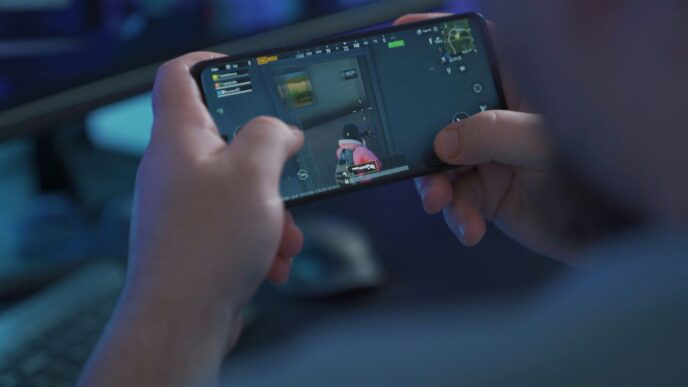
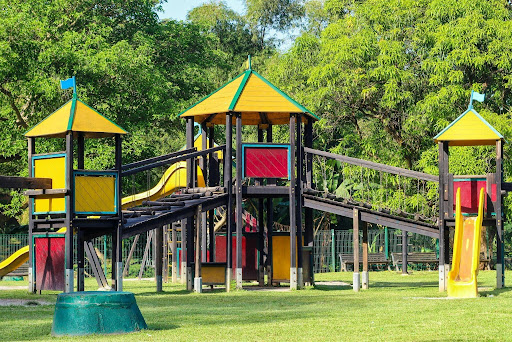
Kids today are digital natives. Trying to convince a ten-year-old to drop their tablet and go play outside on a hot Saturday afternoon is an endless battle for modern parents. For decades, community parks have relied on the same metal slides, wooden swings, and basic climbing frames.
While traditional outdoor play is essential for physical development, competing with high-speed video games is a tough sell. But what if the park fought back using the same tools? Instead of treating screens and outdoor play as mortal enemies, community planners and school boards are starting to blend them.
By integrating smart technology directly into modern playground equipment, you can create highly interactive, physically demanding environments that actually speak the language of today’s youth. Let’s think about a few innovative ways to wire the neighborhood park for the next generation of kids.
Interactive Light and Sound Arenas
The easiest way to get kids running is to turn fitness into a massive arcade game. Manufacturers are now building heavy-duty electronic nodes directly into climbing walls, turf surfaces, and freestanding pillars. These nodes light up and play sounds in specific patterns. Think of it as a massive, outdoor version of Simon Says or Whack-a-Mole.
Kids have to sprint across the mulch, climb a rope web, or jump across stepping stones to slap the illuminated button before the digital timer runs out. This completely gamifies cardio. It forces them to use intense physical energy, coordination, and teamwork to beat the high score, tricking them into getting a serious workout while they feel like they are just playing a competitive video game.
Harnessing Kinetic Energy
If a kid is going to spend an hour spinning on a merry-go-round or pumping their legs on a swing set, that physical energy should not go to waste. A massive trend in modern park design is kinetic energy harvesting. You can install specific spinners, stationary bikes, and specialized swings that actually generate low-voltage electricity when the kids physically move them.
This captured energy can be used to light up LED strips integrated into the play structure, power a localized Bluetooth speaker so teenagers can play their own music, or even provide a USB charging station for parents sitting on the nearby benches. It is an incredibly hands-on way to teach children about renewable energy and physics while giving them a highly tangible, immediate reward for playing hard.
Augmented Reality Scavenger Hunts
Augmented reality is no longer just a gimmick for smartphone games; it is a highly effective tool for outdoor exploration. By placing specific, weather-proof markers or brightly painted symbols around the perimeter of the playground, you can turn a basic park into a massive digital scavenger hunt.
Parents can download a dedicated app on their phones, and when the kids point the camera at the physical markers, animated characters, educational puzzles, or hidden virtual treasures pop right up on the screen. This is a fantastic way to encourage younger kids to explore every single inch of the park, combining the digital reward system they love with actual, physical steps out in the fresh air.
Smart Inclusivity and Sensory Play
Playgrounds need to be accessible to absolutely everyone, and technology is successfully bridging the gap for children with physical and cognitive disabilities. Traditional sensory panels are getting a massive digital upgrade. You can install heavy-duty electronic boards that offer tactile feedback, soft vibrations, and calming auditory cues for children on the autism spectrum who might get overwhelmed by the loud chaos of the main play area.
Directional audio speakers can be installed near wheelchair ramps and transfer stations to help visually impaired children navigate the physical structures safely. Tech allows park designers to create a highly customizable, inclusive environment where every single child, regardless of their physical abilities, can engage with the space on their own terms.
QR Codes for Dynamic Obstacle Courses
You do not always need massive, expensive hardware to digitize a park. Sometimes, the best tech integration is incredibly simple and low-cost. Printing durable, weather-resistant QR codes and attaching them to different starting points around the playground is a brilliant way to keep the space feeling brand new.
A family can scan the code to load a digital stopwatch and a specific obstacle course route on their phone. One week, the code might challenge the kids to a specific climbing route, and the next week, the backend software can be updated to feature a floor-is-lava jumping challenge. It is a highly cost-effective way to constantly change the rules of the playground without ever having to unbolt or replace the actual physical structures.
Redefining Outdoor Play
The days of building a metal jungle gym and hoping for the best are officially over. If communities want to pull kids away from their living room couches, they have to build outdoor spaces that actively compete for their attention. By embracing interactive lighting, kinetic energy harvesting, and augmented reality, you completely redefine what a trip to the park looks like. Blending physical exertion with digital rewards creates a highly engaging, modern environment that gives kids the arcade-level excitement they crave, right in the middle of the neighborhood.