We’re all hearing a lot about net zero these days, and for good reason. It’s not just some buzzword; it’s about making sure our planet stays livable. This means figuring out how to power our lives without adding more greenhouse gases to the air. It’s a huge challenge, but it’s also an opportunity to build a more secure and stable future for everyone. This article looks at how we can get there, focusing on making our energy systems work for us and the planet, especially when it comes to net zero energy security.
Key Takeaways
- Getting to net zero energy security means balancing the greenhouse gases we put out with those we take away. It’s about making sure our energy systems are reliable and don’t harm the planet.
- We need to ramp up clean energy sources like solar and wind power much faster than we are now. Plus, using energy more wisely across all parts of our lives is a big piece of the puzzle.
- As we rely more on renewables, we need to be smart about managing their variability and protecting our energy systems from new risks, like cyber threats and making sure we have enough critical minerals.
- New technologies will play a big role. Things like better battery storage, ways to capture carbon, and smart grids can help us manage energy better and cleaner.
- Governments and investors need to work together. Strong policies, smart investments in clean infrastructure, and global cooperation are all needed to make net zero energy security a reality for everyone.
Strategies for Achieving Net Zero Energy Security
Getting to net zero energy security isn’t just about switching to solar panels, though that’s a big part of it. It’s a whole system change. We need to think about how we generate power, how we use it, and what happens when things don’t go exactly as planned. The goal is a reliable energy system that doesn’t harm the planet.
Understanding the Net Zero Energy Concept
So, what does "net zero energy" actually mean? It’s about balancing the amount of greenhouse gases we put into the atmosphere with the amount we take out. For energy, this means our energy system as a whole should not be adding to the problem. This involves two main things: drastically cutting down on emissions from burning fossil fuels and finding ways to remove any remaining unavoidable emissions. It’s not about stopping all emissions entirely, but about reaching a point where the net effect is zero. This requires a clear picture of where our emissions are coming from, which means doing a thorough check of our energy use across the board.
The Urgency of Net Zero for Global Security
Why the rush? Well, relying heavily on fossil fuels has always come with security risks – think price shocks, supply disruptions, and geopolitical tensions. As we move towards cleaner energy, new vulnerabilities pop up, like making sure we have enough of the right materials for batteries and wind turbines, and protecting our increasingly digital energy grids from cyberattacks. A stable, secure energy future depends on getting this transition right. If we don’t act, we risk not only climate disaster but also ongoing energy instability.
Balancing Emissions and Removals for a Sustainable Future
Reaching net zero isn’t just about cutting emissions; it’s also about dealing with what’s left. This means we need to actively remove greenhouse gases from the atmosphere. There are a couple of ways to think about this:
- Reducing Emissions: This is the priority. We need to shift to renewable energy sources like solar and wind, make our buildings and transport more efficient, and electrify as much as possible. Think better insulation, electric cars, and smarter appliances.
- Carbon Removal: For emissions that are really hard to eliminate, like from certain industrial processes or agriculture, we need ways to take that carbon back out of the air. This can involve natural methods like planting trees and restoring ecosystems, or technological solutions like carbon capture and storage.
It’s a two-pronged approach. We cut what we can, and then we actively clean up the rest. This balance is key to a truly sustainable energy system.
Transforming the Energy Landscape for Net Zero
Okay, so getting to net zero isn’t just about tweaking things here and there. We’re talking about a major overhaul of how we get and use energy. It’s a big shift, but it’s totally doable if we focus on a few key areas.
Scaling Renewable Energy Sources
This is probably the most obvious part. We need to ramp up solar and wind power like crazy. Think about it: the cost of these technologies has dropped so much, making them super competitive. The goal is to install massive amounts of solar and wind capacity every year. We’re talking about adding enough solar power annually to build the world’s biggest solar farm almost every single day. Hydropower and nuclear also play a role, giving us a solid base of low-carbon electricity. It’s all about making sure clean energy is the main game in town, not just a side player.
Enhancing Energy Efficiency Across Sectors
This one is huge, and maybe a bit less flashy, but incredibly important. Even with more clean energy, we can actually use less energy overall. This means making everything from our homes and offices to our factories and transportation systems more efficient. Improving energy intensity – basically, getting more economic output for less energy input – needs to happen at a much faster rate than it has in the past. It’s about smart design, better insulation, more efficient appliances, and just generally being more mindful of how we use power. A world that’s 40% bigger economically could use 7% less energy if we get serious about efficiency.
The Role of Electrification and Low-Carbon Fuels
As our electricity grid gets cleaner, we can use that clean power for more things. Electrification is key here. Think electric cars going from a small percentage of sales to a huge chunk by 2030. It also applies to heating buildings and many industrial processes. But what about the areas that are harder to electrify? That’s where low-carbon fuels come in, like hydrogen produced using renewable electricity. These fuels can help decarbonize sectors like heavy industry and long-haul transport where batteries might not be the best solution. It’s about having a toolbox of solutions, not just one magic bullet.
Addressing Emerging Energy Security Risks
As we shift towards a net-zero future, the landscape of energy security is changing, and not always in predictable ways. While we’re moving away from some old worries, new ones are popping up that we really need to pay attention to.
Managing Renewable Energy Variability
One of the biggest shifts is our growing reliance on renewable sources like wind and solar. They’re great for the planet, but they don’t always produce power when we need it. The sun doesn’t shine at night, and the wind doesn’t blow constantly. This variability means we need ways to store energy when it’s plentiful and release it when demand is high or supply is low. Think of it like a pantry for electricity. We’re talking about big battery systems, smart grids that can adjust demand, and maybe even new kinds of flexible power plants that can switch on quickly when needed. Making sure the lights stay on, no matter what the weather, is a whole new ballgame.
Securing Critical Mineral Supply Chains
To build all those solar panels, wind turbines, and electric car batteries, we need a lot of specific minerals – things like lithium, cobalt, and rare earth metals. The demand for these is set to skyrocket. Right now, the mining and processing of many of these minerals are concentrated in just a few countries. This creates a new kind of vulnerability. If there are disruptions in these supply chains, whether due to political issues, environmental problems, or just not enough production, it could slow down our transition and even cause prices to jump. We need to think about how to get these minerals from more places, produce them more sustainably, and maybe even find ways to use less of them or recycle them better.
Strengthening Cybersecurity in Energy Systems
Our energy systems are becoming more connected and digital, which is good for efficiency, but it also opens the door to new threats. A modern power grid relies heavily on computer systems to operate. This makes it a target for cyberattacks that could disrupt power supplies, cause blackouts, or even damage equipment. Protecting these systems is becoming just as important as protecting physical infrastructure. We need strong defenses against hackers and a plan for how to respond if something does go wrong.
The Critical Role of Technology and Innovation
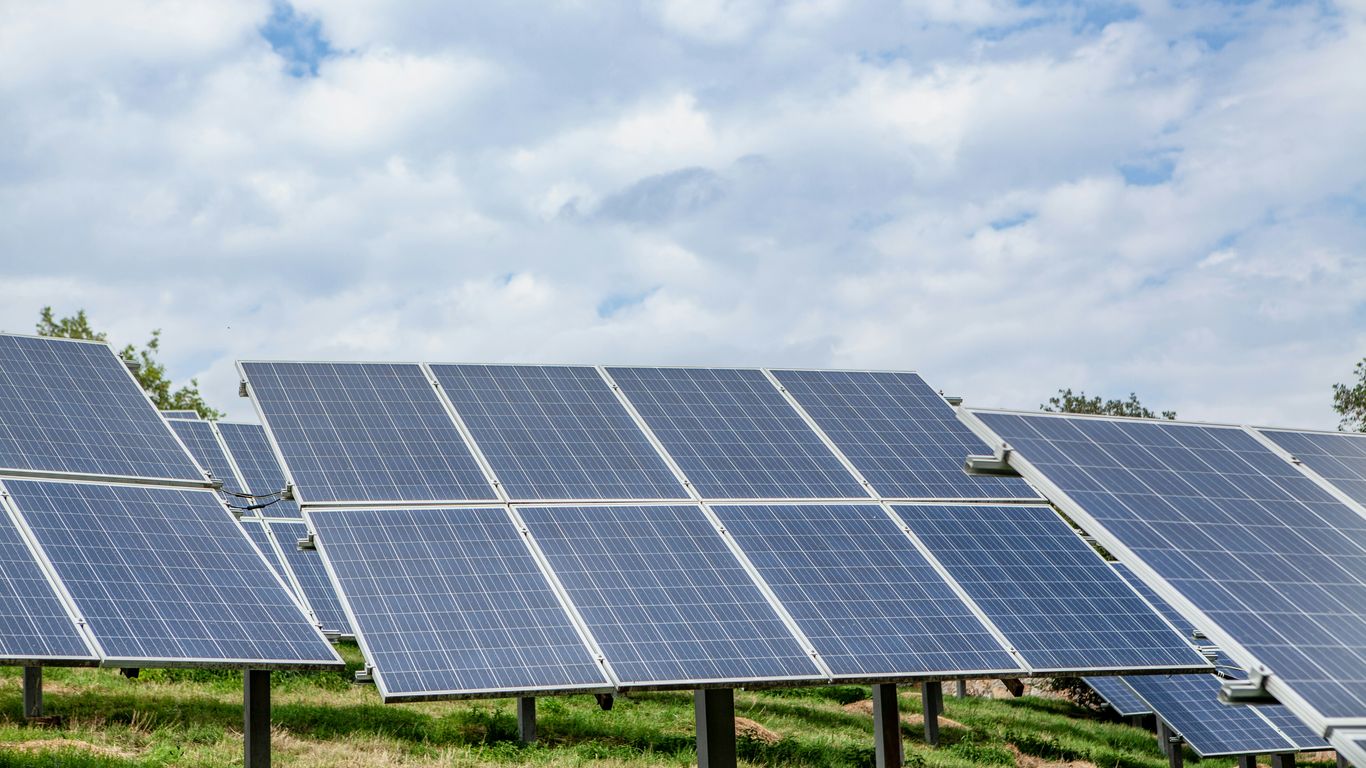
Look, getting to net zero isn’t just about slapping some solar panels on roofs and calling it a day. We need some serious brainpower and new tools to make this happen, especially for those tricky parts of our energy system. Think about it: a lot of the emissions cuts we need by 2050 rely on technologies that are still just ideas or early prototypes today. That means we’ve got to get moving on research and development, and then actually build the stuff.
Accelerating Clean Technology Deployment
We’ve got good technologies now, like wind and solar, but we need to ramp them up like crazy. Governments need to put more money into R&D, but also help get these new ideas out of the lab and into the real world. Right now, things like advanced batteries, ways to make hydrogen cheaply, and machines that suck CO2 right out of the air aren’t getting enough support. We’re talking about needing about $90 billion globally just to get demonstration projects off the ground before 2030, and we’re way short of that. Getting these technologies working and widely used will create new jobs and industries, which is a pretty good bonus.
Advancements in Carbon Capture and Storage
Some industries just can’t go fully electric or use low-carbon fuels easily. For those, we’re looking at carbon capture and storage (CCS). This involves trapping CO2 emissions before they hit the atmosphere. There are a few ways to do this:
- Direct Air Capture: Machines that pull CO2 directly from the air.
- Bioenergy with CCS: Burning plants for energy and capturing the CO2.
- Mineral Carbonation: Using rocks that naturally absorb CO2.
It’s not a magic bullet, and we need to be smart about how we use it, but it’s a necessary piece of the puzzle for those hard-to-abate sectors. We need to keep improving these methods to make them more efficient and affordable.
Leveraging Digital Solutions for Grid Modernization
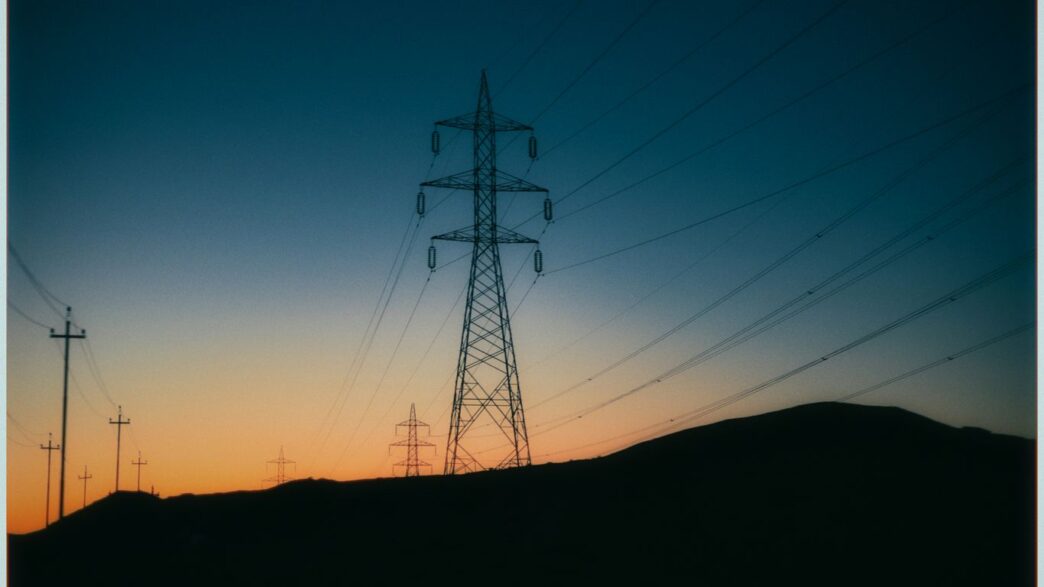
Our electricity grids are going to be working overtime with all the new electric cars and heating systems. We need them to be smarter and more flexible. This means using digital tools to manage the flow of electricity better, especially since renewable sources like wind and solar aren’t always producing power. Think of it like a super-smart traffic controller for electricity. We also need to make sure these digital systems are safe from cyberattacks, because a blackout caused by hackers would be a major problem for energy security. The future grid will rely heavily on data and smart management to keep everything running smoothly and securely.
Policy and Investment for a Net Zero Pathway
Getting to net zero isn’t just about new gadgets or fancy tech; it really comes down to smart policies and where we put our money. Governments have a massive role to play here, setting the rules and creating the right environment for change. Without clear direction and financial backing, the whole net zero thing could just stay a nice idea.
Strengthening Energy and Climate Policies
Governments need to lay out a clear plan, not just for 2050, but with steps along the way. Think of it like a road trip – you need to know your destination, but also where you’re stopping for gas and rest. Setting short-term goals helps everyone, from big companies to regular folks, know what’s expected and builds confidence. This means creating long-term strategies that are tied to actual, measurable targets. It’s not enough to say ‘we’ll be net zero by 2050’; we need to see how we’ll get there year by year.
- Establish clear, short-term emission reduction targets. These should align with the long-term net zero goal.
- Develop integrated policy frameworks. Energy policy can’t exist in a vacuum; it needs to connect with finance, industry, and transport plans.
- Phase out fossil fuel subsidies. Redirecting these funds towards clean energy is a logical next step.
Incentivizing Investment in Sustainable Infrastructure
We’re talking about a huge shift in how we power our lives, and that requires serious cash. The good news is, there’s a growing appetite for investing in clean energy. But investors need to see that governments are serious. This means creating policies that make clean energy projects attractive and stable. We’re looking at big investments in things like:
- Grid upgrades: Making our electricity networks smarter and stronger to handle more renewable energy.
- EV charging infrastructure: Building out a widespread network so electric cars are practical for everyone.
- Clean energy production: Scaling up solar, wind, and other renewable sources.
The amount of money needed for these upgrades is staggering, but the cost of inaction is far greater. For example, annual investment in electricity grids alone needs to jump from around $260 billion today to over $800 billion by 2030. That’s a massive increase, but it’s what’s needed to build the energy system of the future.
International Cooperation for Global Net Zero Goals
Climate change doesn’t stop at borders, so neither can our solutions. Getting to net zero is a global challenge that needs global teamwork. Countries need to work together on sharing technology, setting common standards, and supporting each other, especially helping developing nations make the transition. This isn’t just about being nice; it’s about practical necessity. No country can achieve net zero alone. International agreements and collaborative projects are key to accelerating the shift and making sure everyone benefits from a cleaner, more secure energy future.
Ensuring a Just and Equitable Energy Transition
Supporting Developing Economies in Net Zero Efforts
Making sure everyone benefits from the shift to clean energy means we can’t forget about developing countries. They often have fewer resources to invest in new technologies and infrastructure. We need to help them get the funding and support they need to build clean energy systems. This isn’t just about fairness; it’s about global stability. International groups and wealthier nations can provide financial aid, share technology, and help create policies that attract private investment. It’s a big job, but it’s necessary for a truly global net zero future.
Addressing Social Acceptance and Behavioral Change
Shifting to a net zero world isn’t just about big power plants and new cars. It also means everyday people making different choices. Think about how we travel, heat our homes, or even what we buy. A lot of the emissions cuts needed come from these personal decisions. We need to make it easy and affordable for people to choose cleaner options. This could mean better public transport, incentives for energy-efficient homes, or clear information about the benefits of new technologies. It’s about bringing people along on this journey, not leaving them behind.
Maintaining Affordable and Accessible Energy for All
As we move towards cleaner energy, we absolutely must keep energy prices fair and make sure everyone can get the power they need. This is especially important for lower-income households and communities. Sometimes, the initial cost of new clean tech can be high. Governments can step in with things like tax breaks, low-interest loans, or direct help for those who need it most. The goal is to make sure that going green doesn’t mean going without. Access to reliable and affordable energy is a basic need, and that has to stay true as we build our sustainable future.
Looking Ahead: Making Net Zero a Reality
So, we’ve talked a lot about what net zero means and how we can get there. It’s a big undertaking, no doubt about it. We’re talking about changing how we power our lives, from the cars we drive to the electricity we use. The good news is, it’s not impossible. We’ve seen how renewable energy is getting cheaper and better, and how smart policies can make a real difference. It’s going to take effort from everyone – governments, businesses, and us as individuals. But the payoff? A more secure, cleaner planet for everyone. It’s about making smart choices now so we don’t have to deal with bigger problems later. Let’s keep pushing forward on this path.