The Evolving Role Of Autonomous Vehicle Cameras
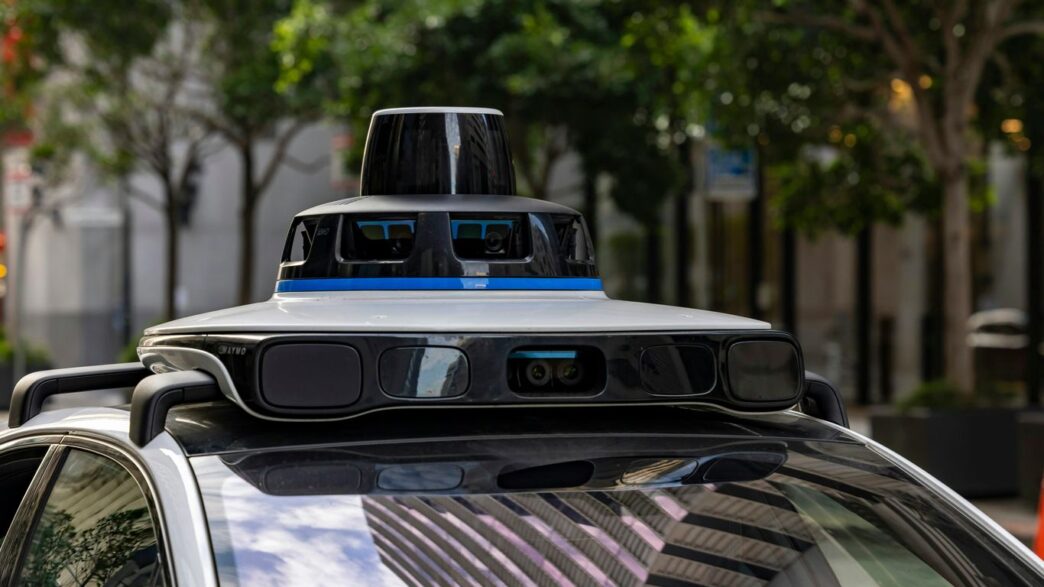
Autonomous vehicle cameras haven’t just appeared overnight. It’s taken decades for them to move from research prototypes to something you’d find on even an average family car. Since their first big debut in the world of advanced driver-assistance systems (ADAS), cameras have started to take center stage. Here’s how it all happened, and why they’re absolutely central to where we’re going.
Pioneering Camera-First Approaches
There was a time when people really doubted a camera could do all that much in a car. But over the years, a small crowd of engineers and inventors put forward the idea that “seeing” should be the central way a car makes sense of the world. Single-camera systems—once considered a risky bet—are now proven to detect road lines, moving cars, even pedestrians with just one lens. Today, more and more companies are betting on this camera-first model because:
- Cameras give a rich, detailed look at the environment, letting cars “read” signs, signals, and lane markings.
- They cost far less to manufacture and install than radar or LiDAR.
- Cameras can be positioned flexibly—on bumpers, windshields, even embedded in mirrors.
Historical Significance in ADAS
It’s pretty wild to think that just twenty years ago, most cars didn’t even have simple lane-keeping systems. Now, you’re hard pressed to buy a car without at least some form of ADAS, and it’s usually run by cameras.
Let’s look at how it changed over time:
| Era | Sensor Approach | Main Purpose |
|---|---|---|
| Early 2000s | None/Radar Only | Basic cruise control & warnings |
| 2010s | Camera + Radar | Lane keeping, emergency braking, auto-park |
| 2020s | Camera-Centric | Full perception, sign reading, vision-based steering/support |
This timeline really spells it out—cameras moved from “nice to have” to “can’t do without.”
The Foundation For Future Autonomy
Now, cameras aren’t just part of ADAS—they’re the backbone for advanced self-driving features. Companies are constantly updating the way they use images to handle ever more complex road scenarios. Mass production is only possible because of how affordable and easy-to-scale camera sensors have become. Think of it:
- Millions of vehicles use cameras daily to map roads and share crowd-sourced updates.
- Advancements like 360-degree vision are possible only because using more cameras is affordable.
- The technology keeps getting more compact, accurate, and easier to update with new software.
In short, cameras have gone from experimental gadgets to the “eyes” of tomorrow’s vehicles. The journey isn’t over yet—these sensors will keep evolving, changing how we all get from A to B.
Mimicking Human Perception With Advanced Cameras
Think about how you see the world. Your brain takes in a ton of information all at once – colors, shapes, how far away things are, how fast they’re moving. It all happens so fast, you don’t even notice it. When a ball flies at you, your brain instantly figures out where it’s going and how to react, maybe ducking. The goal for autonomous vehicles is to do the same thing: perceive like a human, but think like a robot.
The Human Visual Cortex As A Model
For a long time, self-driving tech focused on one type of sensor at a time, like just a camera or just LiDAR. These systems didn’t really learn or adapt like our brains do. They couldn’t process different kinds of data at the same time, especially when things were moving. It’s like trying to understand a conversation by only hearing one word at a time. To really get autonomous driving right, we need systems that can handle and make sense of information the way our visual cortex does.
Biomimicry In Artificial Perception
This is where biomimicry comes in – basically, learning from nature. We’re looking at how the human brain processes visual information and trying to copy that. It’s about creating sensors that don’t just see, but actively understand what they’re looking at. This means sensors that can:
- Adjust their focus based on what’s important.
- Gather more detail when needed, like looking closer at a potential hazard.
- Combine different types of data, like color from a camera and depth from LiDAR, to get a fuller picture.
Processing Data Like The Brain
Instead of just collecting raw data, advanced systems are starting to process information right at the sensor. This is similar to how our brain processes visual input. For example, a new type of sensor data called a "Dynamic Vixel" combines camera pixels with 3D LiDAR data. This gives the car a much richer understanding of its surroundings, including color and depth. This approach allows the vehicle to:
- Identify objects more accurately.
- Understand the context of what it’s seeing.
- Make quicker, more informed decisions.
This way, the car doesn’t just see; it truly perceives, much like we do.
Intelligent Sensing And Data Fusion
Think about how you drive. You don’t just see; you process, you anticipate, you react. Current autonomous vehicle sensors often work like a bunch of separate eyes, each looking in a fixed direction, collecting data that’s then sent off for someone else to figure out. A lot of that data ends up being useless by the time it’s looked at, which is kind of like trying to drink from a firehose and only catching a few drops. We need something smarter, something that works more like our own brains.
Dynamic Vixels For Enhanced Vision
This is where the idea of "dynamic vixels" comes in. Imagine a single point of data that isn’t just a color from a camera or a distance from a LiDAR sensor, but both, all at once. That’s essentially what a dynamic vixel is. It combines the rich visual information from a camera – like colors, signs, and lane markings – with the precise 3D spatial data from LiDAR. This means the car gets a much more complete picture of its surroundings, almost like seeing in full color and depth simultaneously. These dynamic vixels allow the vehicle to understand not just what is there, but also where it is in three dimensions, and what it looks like, all from a single data point. This fusion happens right at the sensor level, making the information more actionable from the get-go.
Integrating Camera And LiDAR Data
Instead of having cameras and LiDAR sensors operate independently, the goal is to make them work together. Think of it like having a conversation between your eyes and your sense of depth. When a camera sees a red traffic light, the LiDAR can immediately confirm the precise distance to the intersection. If the camera spots a pedestrian, LiDAR can tell the system exactly how far away they are and their trajectory. This isn’t just about sticking two sensors next to each other; it’s about creating a new, richer data stream by physically combining their capabilities. This allows the system to build a more robust understanding of the environment, especially in tricky situations like bad weather or low light, where one sensor might struggle.
Real-Time Data Processing At The Sensor
The real game-changer is processing this combined data at the sensor itself, rather than waiting for it to travel back to a central computer. This is like your brain processing visual information instantly instead of waiting for a report. By doing the initial analysis right where the data is collected, the system can:
- Prioritize Information: Focus on the most important objects and events, ignoring the clutter.
- Adapt Data Collection: If the sensor detects something unusual, it can adjust its scanning pattern or sensor power on the fly, perhaps to get a clearer reading in fog or to track a fast-moving object more closely.
- Reduce Latency: Make decisions much faster because the data doesn’t have to travel far. This is critical for safety, especially at higher speeds.
This approach mimics how humans process information – we don’t analyze every single detail of our surroundings equally. We focus on what matters, and we do it incredibly quickly. Bringing this kind of intelligent, real-time processing to the sensor level is a big step towards making autonomous vehicles truly safe and reliable.
Advantages Of Camera-Centric Systems
When you think about how we humans drive, our eyes do most of the heavy lifting, right? We see the road, the signs, other cars, and people. Cameras in autonomous vehicles work in a similar way, and building systems around them just makes a lot of sense for a few key reasons.
Cost-Effectiveness And Scalability
Let’s be real, cost is a big deal when you’re trying to get new tech into millions of cars. Compared to other sensors like LiDAR, cameras are way more affordable. This means we can put advanced driver-assistance features into more cars without making them ridiculously expensive. Think about it: more cars on the road with better safety tech means a safer world for everyone. It’s not just about the cheap cars, either. Even high-end vehicles can pack in more cameras for better all-around vision because the cost per camera is so low. This approach is how we get this technology out to the masses.
Rich Semantic Understanding
Cameras don’t just see shapes; they understand what they’re looking at. They can read road signs, tell if a traffic light is red or green, and even spot lane markings. This level of detail, what we call semantic understanding, is super important for making smart driving decisions. While other sensors might tell you that something is there, cameras can often tell you what it is and what it means in the context of driving. This detailed picture helps the car know how to react.
Driving Safety Through Vision
Ultimately, it all comes down to safety. By using cameras as the primary sensor, we’re mimicking how human drivers naturally perceive the world. This vision-based approach allows the car to build a detailed, real-time map of its surroundings. It can identify potential hazards, predict the actions of other road users, and react accordingly. The more effectively a system can ‘see’ and interpret its environment, the safer the journey will be. This focus on visual perception is a big step towards making autonomous driving a reality for everyone.
Overcoming Limitations With Camera Technology
Even though cameras are pretty amazing, they aren’t perfect. Sometimes, things get tricky out there on the road, and cameras can run into problems. Think about really bad weather, like a blizzard or a super foggy morning. Cameras can struggle to see clearly then, and that’s a big deal when you’re trying to drive yourself, let alone have a car drive itself.
Addressing Edge Cases in Perception
Edge cases are those weird, unexpected situations that don’t happen very often but can cause big problems. For example, what happens when a traffic sign is partially covered by a tree branch, or when there’s a weird shadow on the road that looks like an obstacle? Cameras need to be smart enough to figure these things out. This is where advanced software and AI really come into play, helping the car’s ‘brain’ interpret fuzzy or incomplete visual information. It’s like teaching a kid to recognize a cat even if they only see its tail sticking out from behind a couch.
- Unusual Obstacles: Identifying things like debris on the road or animals that aren’t typically seen.
- Complex Scenarios: Understanding situations with many moving parts, like a busy intersection during a parade.
- Environmental Challenges: Dealing with glare from the sun, reflections, or very low light conditions.
Improving Response Times
When a car needs to react, it needs to do it fast. Cameras collect a lot of data, and processing all of it quickly is key. The goal is to get the information from the camera to the car’s decision-making system as fast as possible. This means having really efficient computer chips and smart software that can sort through the visual noise and pick out what’s important without delay. It’s not just about seeing; it’s about seeing and understanding in the blink of an eye.
The Future of Stereo Vision
One way to make cameras better is to use more than one, kind of like how we have two eyes. This is called stereo vision. By having two cameras spaced apart, the system can get a better sense of depth and distance, which helps a lot with figuring out how far away things are. Imagine trying to catch a ball with one eye closed – it’s much harder to judge its speed and distance. New techniques are making stereo vision more accurate and affordable, helping cameras get closer to mimicking how our own eyes work to perceive the world around us.
The Future Landscape Of Autonomous Vehicle Cameras
Beyond Current Sensor Limitations
So, where are we headed with all this camera tech in self-driving cars? It’s pretty clear that cameras are going to keep getting better. We’re talking about sensors that can see more, even when it’s dark or foggy, and do it without needing a ton of extra power. Think about how our own eyes work – they’re amazing at adapting to different light. We’re trying to get cameras to do something similar, picking up details that current sensors might miss. It’s not just about seeing more, but seeing smarter, understanding what’s important in a split second.
Enabling Mass Market Autonomy
One of the biggest hurdles for self-driving cars to become common is cost. LiDAR, for example, is great tech, but it’s pricey. Cameras, on the other hand, are way more affordable. This means we can put more advanced camera systems into more cars without making them ridiculously expensive. It’s like how smartphones became everywhere once they got cheaper. We’re seeing systems that use a bunch of cameras to get a full 360-degree view, and these are becoming more common. The goal is to make self-driving tech accessible to everyone, not just a luxury.
Continuous Innovation In Vision Systems
What’s next? Well, engineers are always tinkering. We’re looking at ways to make camera systems even more robust. This includes things like:
- Better low-light performance: Seeing clearly at night or in tunnels.
- Improved weather handling: Working well in rain, snow, and fog.
- Higher resolution and frame rates: Capturing more detail, faster.
- Advanced algorithms: Smarter software to interpret what the cameras see.
We’re also seeing a lot of work in stereo vision, which uses two cameras to judge distance, much like our own eyes. This approach, especially with cameras placed further apart (a wider baseline), can help detect objects from much farther away. It’s all about building systems that are reliable, affordable, and can handle whatever the road throws at them, paving the way for cars that can drive themselves everywhere.
The Road Ahead
So, where does all this leave us? It’s pretty clear that cameras are the main players when it comes to giving self-driving cars their "eyes." They’re good at seeing details, they’re getting better all the time, and importantly, they don’t cost a fortune. While other sensors have their place, cameras seem to be the most practical choice for making autonomous vehicles a reality for everyone. It’s exciting to think about how these advanced cameras will change how we get around, making our roads safer and our commutes a lot less stressful. The future is definitely looking clearer, thanks to these incredible camera systems.