The Genesis Of Amazon Robotics Kiva Systems
Back in 2012, Amazon made a pretty big move, buying a company called Kiva Systems. This wasn’t just a small purchase; it was a significant investment aimed at shaking up how things worked in their warehouses. At the time, Amazon already had some automation, but bringing Kiva into the fold was a clear signal that they were betting big on robotics to shape the future of getting packages to customers. The idea was to make work simpler and more productive for the people working there, while also improving how they served customers. It was a bold step, and honestly, it changed the game for Amazon.
A Bold Acquisition For Future Fulfillment
When Amazon acquired Kiva Systems for $775 million, it wasn’t just about adding more robots. It was about rethinking the entire fulfillment center. Kiva’s technology involved automated guided vehicles, essentially robots that could move entire shelves of inventory around the warehouse. These robots followed specific paths marked on the floor, bringing products to human pickers. This system allowed Amazon to pack more inventory into the same space and speed up the process of getting orders out the door. This acquisition was a clear sign that Amazon saw automation as a key ingredient for future growth and efficiency. It was a strategic move to get ahead in the fast-paced world of e-commerce.
Transforming Operations With Kiva’s Technology
The Kiva robots, often described as low-slung orange machines, were the first wave. They operated within designated, caged-off areas, moving shelves to stationary human workers. This setup meant that instead of employees walking miles each day to find items, the items came to them. This dramatically changed the workflow. Think about it: less time spent searching, more time spent picking and packing. This efficiency boost was a major factor in Amazon’s ability to handle massive order volumes and continue its rapid expansion. It was a practical application of robotics that directly impacted the bottom line and customer delivery times.
The Vision: People And Technology In Harmony
There was a lot of talk when the Kiva acquisition happened, with many wondering if Amazon was planning to replace its human workforce with robots. But Amazon has consistently said that’s not the goal. The vision from the start, and even today, is about people and technology working together. The Kiva robots were designed to handle the heavy lifting and repetitive movement, freeing up human employees for tasks that require more complex decision-making or dexterity. It’s about creating a safer, more efficient environment where both humans and robots can contribute. This partnership approach has allowed Amazon to scale its operations significantly while also creating new types of jobs, like those in robot manufacturing and maintenance, which have grown alongside the robotic fleet.
A Decade Of Innovation Beyond Kiva
So, the Kiva acquisition in 2012 was a huge deal for Amazon, right? It really kicked things off. But it wasn’t like they just stopped there. Oh no, Amazon kept tinkering and building. They didn’t just rest on their laurels; they kept pushing the boundaries of what robots could do in their warehouses.
Expanding The Robotic Fleet
After Kiva, Amazon didn’t just stick with one type of robot. They started bringing in all sorts of new machines to help out. Think of it like building a whole team, not just hiring one star player. They’ve got over a million robotic drive units now, which is pretty wild when you think about it. These aren’t just Kiva bots anymore; it’s a whole diverse crew.
- More than a dozen different types of robotic systems are now part of Amazon’s operations.
- These systems handle everything from moving inventory to sorting packages.
- The goal is always to make things smoother and safer for the people working there.
Introducing Proteus: The Autonomous Mobile Robot
One of the really cool developments is Proteus. This is Amazon’s first robot that can just roam around on its own, without needing to be in a special caged-off area. It uses some pretty smart tech to see where it’s going and to avoid bumping into people. Proteus is designed to work alongside employees, which is a big shift from earlier robots that had to stay in their own zones.
- Proteus can move itself and other items, like those GoCarts, around the warehouse.
- It uses advanced safety and navigation tech developed by Amazon.
- This means less walking for human workers to grab items.
Sequoia: Accelerating Inventory Sortation
Then there’s Sequoia. This system is all about getting inventory sorted super fast. Before an order even gets placed, Sequoia helps organize everything that’s already in the fulfillment center. It uses AI and computer vision to figure out where things should go, which helps free up space and makes it quicker to grab items when someone orders them.
| Feature | Benefit |
|---|---|
| AI-powered sortation | Faster inventory processing |
| Computer vision | Accurate item identification and placement |
| Storage optimization | More space available for incoming stock |
| Reduced manual handling | Less strain on employees |
Revolutionizing Fulfillment Centers With Advanced Robotics
Amazon’s fulfillment centers have seen some serious upgrades over the last decade, way beyond just the Kiva bots. They’ve brought in a whole new crew of robots designed to tackle different parts of getting your stuff from the warehouse to your doorstep. It’s all about making things move faster and smoother, while also trying to make the jobs of the people working there a bit easier.
Cardinal: Automating Package Handling
Think about all the packages that need to be picked up, sorted, and moved around. That’s where Cardinal comes in. This robotic system is pretty neat because it can grab packages right from a pile. It reads the label on the package and then puts it into a cart, ready for its next stop. This helps cut down on a lot of the heavy lifting and awkward twisting that employees used to have to do. Right now, Cardinal is still being tested, but it can already handle packages up to 50 pounds. The plan is to see it working in more fulfillment centers soon.
Containerized Storage Systems
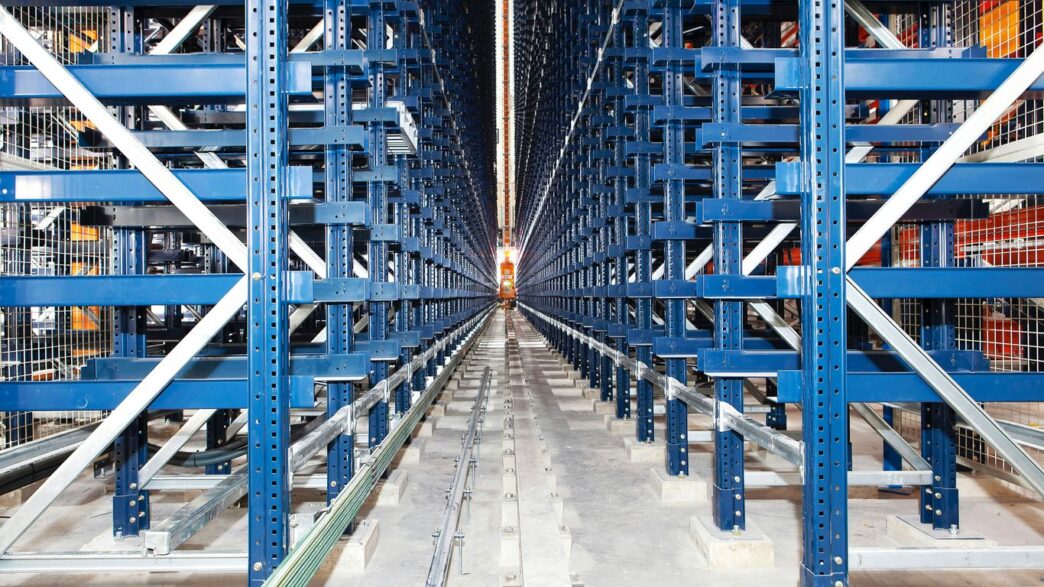
Another big change is how items are stored. Instead of employees having to reach up high, bend down low, or even climb ladders to get products, Amazon is using a robotic containerized storage system. The system figures out which container holds the item needed and then a robotic arm brings that container right to an employee. Once the employee grabs the product, the container goes back to its spot. This makes finding and retrieving items much more efficient and safer for the workers.
Robin And Pegasus Bots
While not as widely publicized as some of the others, Amazon has also explored and deployed various other robotic solutions. Systems like the Robin and Pegasus bots are part of this ongoing effort to automate specific tasks within the fulfillment process. These bots often work behind the scenes, contributing to the overall efficiency of the warehouse by handling specialized functions, from sorting to moving materials. Their integration is part of a larger strategy to create a more interconnected and automated logistics network.
The Evolving Role Of Humans In An Automated Warehouse
When you think about robots taking over warehouses, it’s easy to imagine a future with no people. But that’s not really what’s happening. Amazon’s move into robotics, starting with Kiva, hasn’t just replaced some jobs; it’s also created new ones and changed how people work. The goal isn’t to get rid of humans, but to have them work alongside robots more effectively.
Enhancing Employee Safety And Productivity
Robots handle a lot of the heavy lifting and repetitive tasks that used to strain human workers. Think about moving heavy shelves or constantly bending down to pick items. Robots like the Kiva bots can do that all day without getting tired or hurting themselves. This means fewer workplace injuries and a more comfortable environment for the people who work there. Plus, when robots bring items to human workers, those people can focus on the more complex parts of the job, like making sure the right items are picked and packed correctly. It’s about making the work less physically demanding and more about using people’s judgment and skills.
New Roles In Robot Manufacturing And Maintenance
All these robots don’t just appear out of thin air. Someone has to build them, fix them when they break, and keep them running smoothly. Amazon has actually opened new facilities just to build these robots. This means jobs for engineers, technicians, and assembly line workers who are skilled in robotics. It’s a different kind of work than picking and packing, but it’s a growing area. Imagine needing people who understand the electronics, the software, and the mechanical parts of these machines. That’s a whole new set of careers opening up.
The Human Touch In Complex Tasks
While robots are great at following instructions and moving things, they still struggle with tasks that require a lot of judgment or delicate handling. Picking up an oddly shaped item, dealing with a damaged product, or figuring out the best way to pack a fragile item often still needs a human touch. Robots can bring the items, but a person might be the one to make the final check or decide how to best secure it for shipping. This means that human workers are becoming more like supervisors or quality control experts, overseeing the automated processes and stepping in when the robots can’t quite figure things out. It’s a partnership where technology handles the grunt work, and people handle the thinking and the fine-tuning.
The Intelligence Driving Amazon Robotics Kiva Systems
It’s pretty wild to think about how much goes on behind the scenes to get that package to your door. A big part of that is the smarts behind the robots Amazon uses. Ever since they picked up Kiva Systems back in 2012, Amazon has been all about making these machines work better and smarter. It’s not just about having robots; it’s about how they think and learn.
AI And Machine Learning For Robot Efficiency
Think of the robots as having their own little brains, powered by AI and machine learning. This tech helps them figure out the best way to move around the warehouse, avoid bumping into things (or people!), and get items where they need to go. It’s like giving them a GPS and a sense of direction, but way more advanced. They’re constantly crunching data to find quicker routes and more efficient ways to handle tasks. This continuous optimization is key to keeping things moving smoothly.
DeepFleet And Project Eluna
Amazon has developed some pretty cool internal systems to make their robot army even more capable. DeepFleet is a big AI model that helps make all the robots smarter, kind of like a central brain for the whole fleet. Then there’s Project Eluna, which acts like a helpful assistant for the people working alongside the robots, making sure workflows are as safe and efficient as possible. It’s all about teamwork between humans and machines.
Continuous Learning And Improvement
These robots aren’t static; they’re always getting better. The systems they use are designed to learn from every task they perform. If a robot finds a slightly faster way to do something, that information gets shared. This means the whole fleet benefits from the experiences of each individual robot. It’s a cycle of constant improvement, making the entire operation more streamlined over time. It’s a bit like how we learn from our mistakes, but for robots, it happens at a much, much faster pace.
The Future Landscape Of Warehouse Automation
Scalability and Network-Wide Integration
Thinking about the future, it’s clear that warehouses are going to keep getting smarter and more connected. It’s not just about having a few robots doing their thing in one building anymore. The real game-changer is how all these automated systems, across many different warehouses, can talk to each other and work together. Imagine a whole network of fulfillment centers, each with its own specialized robots, all coordinated to handle orders efficiently, no matter where they come from or where they need to go. This kind of network-wide integration means Amazon can shift inventory around, manage stock levels, and even reroute orders on the fly to make sure things get to customers as fast as possible. It’s about building a flexible, responsive system that can handle whatever the world throws at it.
The Competitive Edge of Robotic Systems
Let’s be honest, if you’re not looking at automation, you’re probably falling behind. Companies that invest in robotics and AI are just plain faster and more accurate. They can handle more orders, especially during those crazy busy times like holidays, without needing to hire a massive temporary workforce. Plus, robots don’t get tired, they don’t make as many mistakes on repetitive tasks, and they can work in conditions that might be tough for people. This means lower operating costs in the long run and happier customers because their orders arrive on time and correct. It’s a pretty clear advantage.
Adapting to Evolving Logistics Demands
The way people shop and expect things to be delivered is always changing. Think about how quickly things have shifted to online ordering and the demand for same-day or next-day delivery. Warehouse automation has to keep up with this. It means systems need to be flexible enough to handle different types of products, from tiny electronics to bulky furniture. It also means being able to quickly adjust to changes in demand, maybe a sudden surge in orders for a popular new gadget. The goal is to build warehouses that aren’t just efficient today, but can also adapt to whatever the next big trend in shopping or delivery might be. It’s a constant process of learning and upgrading.
The Road Ahead
So, looking back over the last ten years since Amazon brought Kiva Systems into the fold, it’s clear that things have changed a lot. What started as a big bet on robots has really reshaped how packages get from here to there. It wasn’t about replacing people, but more about figuring out how humans and machines could work together better. We’ve seen robots like Proteus and Cardinal come into play, doing tasks that used to be tough or repetitive for workers. This whole journey is still going, with new tech always being tested and rolled out. It’s a constant evolution, aiming to make things faster, safer, and just plain smarter for everyone involved, from the warehouse floor to the customer’s doorstep.