The Genesis Of Amazon Robotics Kiva Systems
Acquisition Of Kiva Systems
Back in 2012, Amazon made a pretty big move, quietly buying up a company called Kiva Systems. This wasn’t just some small purchase; it was a game-changer for how Amazon handled its warehouses. Kiva had developed this neat idea: instead of people walking all over the place to find items, squat robots would lift entire shelves of products and bring them to the workers. This simple shift meant workers didn’t have to trek miles each day just to grab a single item. It was a smart way to speed things up and make the whole process way more efficient.
Revolutionizing Warehouse Operations
Before Kiva, Amazon’s warehouses were a lot like any other. Workers spent a good chunk of their day just moving around, searching for products. Kiva’s robots changed all that. They brought the inventory to the people, which meant a lot less wasted time and a lot more items being picked and packed. This system allowed Amazon to store more stuff in the same amount of space and get orders out the door faster. It was a big reason why Amazon started to really stand out in the online shopping world.
Early Kiva System Functionality
The original Kiva robots were pretty basic but effective. They were these low, orange machines that followed set paths within special caged-off areas of the warehouse. They’d slide under shelves packed with goods and then carry those shelves over to human pickers waiting at the edge. The workers would then grab what they needed for customer orders and put them into bins. These robots used clever software to make sure thousands of them could move around without bumping into each other. It was the start of a whole new way of running a fulfillment center.
Scaling The Robot Army
Exponential Growth In Robot Deployment
It’s pretty wild to think about how quickly Amazon’s robot fleet has grown. When they first acquired Kiva Systems, the idea of using robots to move entire shelves around was pretty cutting-edge. Fast forward a bit, and Amazon went from having around 10,000 of these mobile robots in 2013 to a staggering 750,000 by 2023. That’s a massive jump, and it really shows how committed Amazon is to automation. This huge number of robots means that a huge percentage of the items Amazon sells, pretty much everything you can imagine, gets handled by a robot at some point. It’s not just about having a lot of robots, though; it’s about how they work together. Amazon uses smart algorithms to keep thousands of these bots moving around without bumping into each other, which is no small feat.
| Year | Number of Robots |
|---|---|
| 2013 | 10,000 |
| 2023 | 750,000 |
Impact On Order Fulfillment Speed
This massive robot army isn’t just for show; it directly impacts how fast you get your stuff. By having robots bring the shelves to human workers, instead of people walking miles to find items, things move a lot quicker. This system has been a big reason why Amazon can deliver so many packages so fast and, frankly, cheaper than many others. It’s all about efficiency. The robots handle the heavy lifting and the constant movement, letting human employees focus on picking and packing orders. This division of labor, powered by robots, has really changed the game for how quickly orders can be processed and sent out the door.
Global Reach Of Amazon’s Robotics
It’s not just one or two warehouses getting all the robots. Amazon has deployed these systems in hundreds of fulfillment centers all over the world. This global rollout means that no matter where you are, there’s a good chance a robot was involved in getting your order ready. The sheer scale of Amazon’s operations, with its vast product variety and the enormous number of items processed daily, makes these fulfillment centers a unique testing ground for robotics. The data gathered from all these robots working in different locations helps make the whole system smarter and more efficient over time. It’s a continuous cycle of improvement, driven by real-world use across the globe.
Advancements Beyond Kiva
While the Kiva robots were a game-changer, Amazon didn’t just stop there. They’ve been busy developing new kinds of robots and using smarter tech to make things even more efficient. It’s like they’re always looking for the next upgrade.
Introduction Of Proteus And Cardinal Robots
Amazon has rolled out some new robotic helpers that go beyond the original Kiva design. There’s Proteus, a mobile robot that’s a bit more flexible and can actually move around outside of those safety cages. It’s designed to do more general tasks, and Amazon can update its software to give it new abilities over time. Think of it as a more adaptable workhorse. Then there’s Cardinal, a big robotic arm that works with the mobile bots. Unlike the Kiva bots that moved shelves, Cardinal is fixed in place. It uses suction cups, kind of like a giant squid’s tentacles, to grab heavy packages off conveyor belts. It’s pretty neat to watch it pick up a jumble of boxes and then place them into a tote that a mobile robot like Proteus will carry away. This combination shows how they’re trying to automate more steps in the process.
Machine Learning For Enhanced Dexterity
Getting robots to do more complex tasks requires them to be smarter, and that’s where machine learning comes in. Amazon is using this tech to help robots get better at things like seeing, grabbing, and sorting packages. The more items that flow through their warehouses, the more data these robots collect. This data helps improve the computer programs that control them, making them more accurate and faster over time. It’s a continuous learning process for the machines.
The Role Of AI In Robotic Grasping
One of the trickiest parts of warehouse work for robots is actually picking up items. It’s not as simple as it looks. Different items have different weights, textures, and shapes, and they can be slippery or awkward. This is where artificial intelligence is really being tested. Amazon has been working with companies like Covariant, which is developing AI algorithms specifically for this challenge. The goal is to create robots that can figure out how to grab a wide variety of objects reliably, even if they’ve never seen that exact item before. It’s about giving robots a more human-like ability to handle things, which is a big step towards automating even more of the picking and packing process.
The Covariant Deal And Future Automation
So, Amazon’s been busy. Beyond just the Kiva bots zipping around, they’ve been looking to make their robots smarter, especially when it comes to actually picking things up. That’s where this Covariant deal comes in. They brought in the brains behind Covariant, a startup that’s been working on AI that can handle a whole bunch of different items without needing a specific setup for each one. Think of it like teaching a robot to be more generally useful, not just good at one specific task.
Acquiring Talent For Advanced AI
Instead of just buying the tech, Amazon basically hired the Covariant team – the founders and some researchers. These folks are experts in machine learning for robotics. It’s a smart move because getting good AI talent is tough. They’re essentially bringing in a ready-made team that already has a head start on developing more advanced robotic manipulation. It’s like buying a really good recipe book and the chef who wrote it, instead of just the ingredients.
Leveraging Data For Robotic Improvement
Here’s the really interesting part: Amazon has a ton of data from its warehouses. Every item, every movement, it’s all logged. Covariant’s AI models are designed to learn from data. So, by feeding all of Amazon’s operational data into these models, the robots can get better and better over time. This continuous learning loop is what could really set Amazon apart, making its robots more capable and reliable with each passing day. It’s a bit like how those language models get smarter the more people use them.
The Next Frontier In Picking And Handling
What does this mean for the future? Well, it’s all about making robots better at the fiddly bits of warehouse work. Picking individual items, sorting them, and packing them are still areas where humans are heavily involved. With Covariant’s AI, Amazon is aiming to automate more of these tasks. Imagine robots that can reliably pick up a tiny screw one moment and a bulky sweater the next, all without needing a human to reprogram them. This could lead to even faster order fulfillment and potentially change how warehouse jobs are structured down the line.
Impact On The Workforce And Industry
Shifting Job Roles In Fulfillment Centers
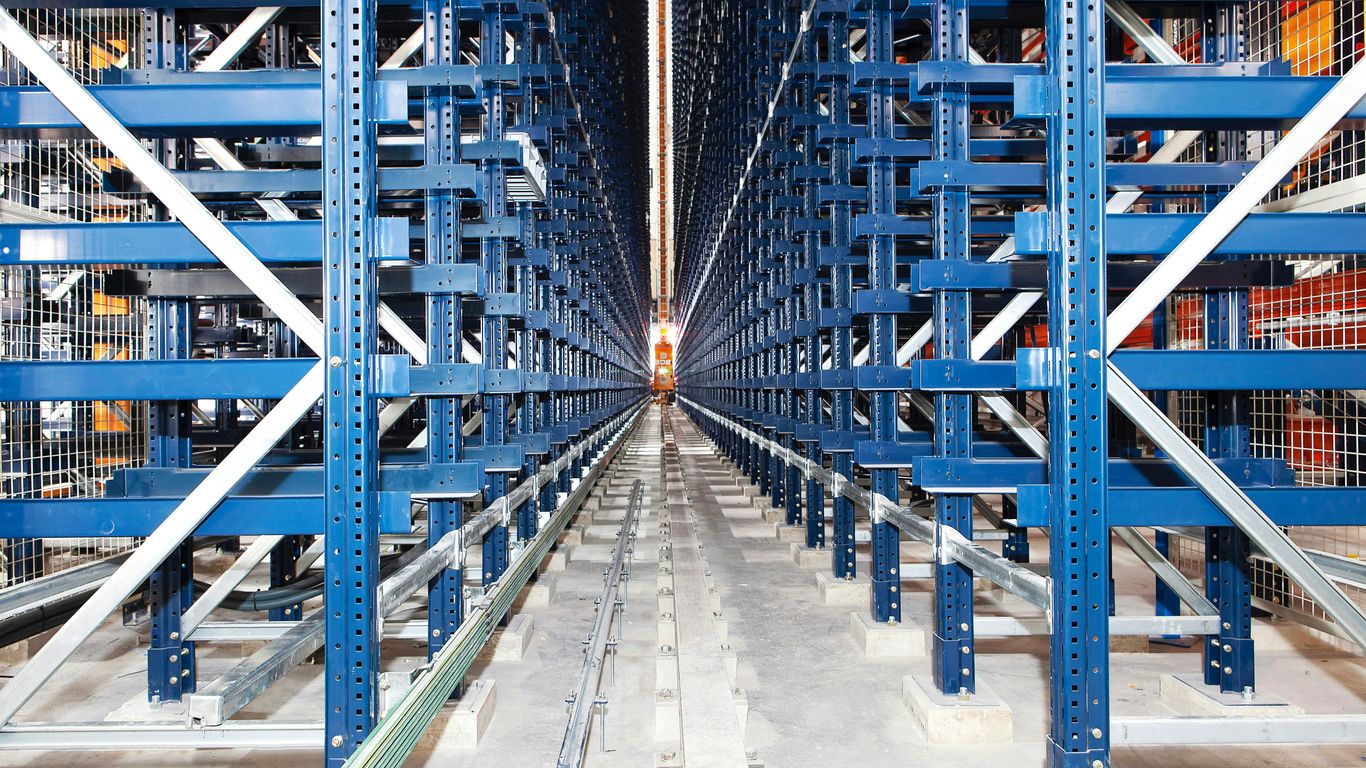
When Amazon first brought in those Kiva robots, it really changed how things worked inside the warehouses. Instead of people walking miles to grab items, the robots brought the shelves to them. This meant fewer people were needed for that specific task, and the jobs that remained shifted. Workers went from being pickers to more like supervisors or quality checkers, making sure the robots were doing their job right and grabbing the correct items. It’s not like everyone was replaced overnight, but the nature of the work definitely changed. Some folks found it easier, others found it harder to adjust to the new pace and different responsibilities. The company says it’s all about making things more efficient, but it’s clear that the human element in the warehouse is evolving.
New Opportunities In Robot Manufacturing
While some jobs might change or disappear, there’s a whole new set of jobs popping up because of all these robots. Think about it: someone has to build these machines, right? Amazon has been hiring more people to actually put the robots together. This involves working with big metal parts, installing all the electronic bits, sensors, and motors. Plus, these robots need maintenance and repairs. So, there are new roles for technicians and engineers who understand how to keep the robot army running smoothly. Amazon even opened a whole new factory just for making robots. It’s a different kind of work, requiring different skills, but it’s definitely a growing area.
Industry-Wide Implications Of Automation
What Amazon is doing with Kiva and its newer robots isn’t just an Amazon thing. It’s pushing other companies in the e-commerce and logistics world to do the same. If Amazon can get orders out faster and store more stuff because of robots, competitors have to keep up. This means more investment in automation across the board. We’re seeing other warehouses start to use similar systems. It’s creating a ripple effect. This push for automation also means there’s a bigger demand for AI and robotics talent, which is why Amazon is acquiring companies like Covariant – they’re buying the brains behind the robots. It’s a big shift for the whole industry, changing how goods are moved and how quickly we can get them.
Amazon Robotics Kiva Systems’ Enduring Legacy
Foundation For Modern Fulfillment
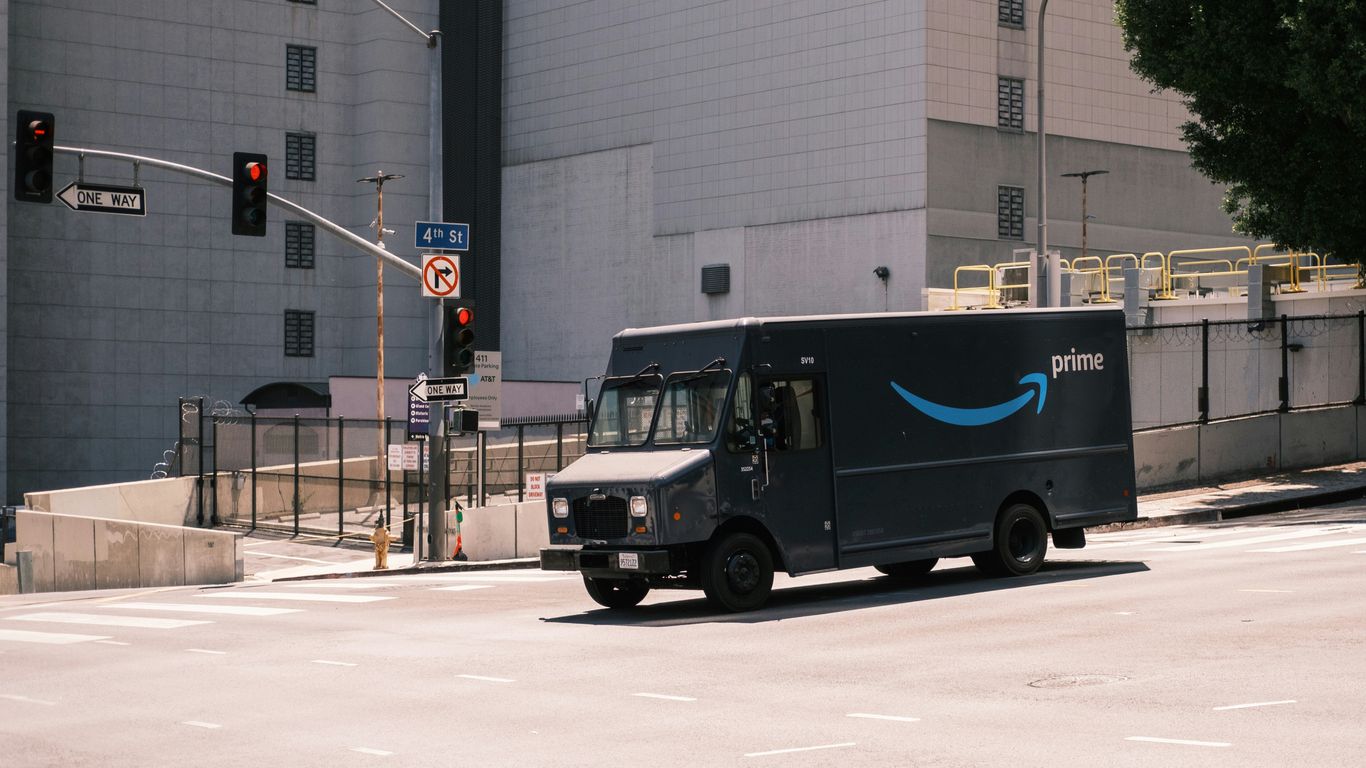
It’s pretty wild to think about, but the Kiva Systems acquisition back in 2012 really set the stage for how warehouses operate today. Before Kiva, warehouse workers spent a ton of time just walking around, trying to find items. Kiva’s robots changed all that by bringing the shelves to the people. This simple shift meant fewer steps for employees and a much faster way to get orders ready. It wasn’t just a small tweak; it was a complete rethink of warehouse logistics. This laid the groundwork for all the other automation we see now.
Continuous Innovation In Automation
Amazon didn’t just buy Kiva and call it a day. They kept pushing. We’ve seen them bring in new robots like Proteus and Cardinal, and they’re constantly working on making these machines smarter. Think about how they’re using machine learning to help robots get better at picking up all sorts of different items. It’s a tough problem, especially with the sheer variety of stuff Amazon sells. They’re also looking at AI to help robots figure out the best way to grab things, which is way more complicated than it sounds. It’s all about making the robots more capable and adaptable.
Setting The Pace For Competitors
What Amazon did with Kiva, and continues to do with its robotics efforts, has really forced other companies to step up. You see other businesses investing more in automation because they have to keep up. The scale of Amazon’s robot deployment is pretty staggering – we’re talking hundreds of thousands, even over a million robots across their network. This kind of investment and innovation makes it hard for anyone else to compete on speed and cost. It’s like they created a whole new game, and everyone else is still trying to catch up.
The Road Ahead
So, looking back over the last decade, it’s pretty clear that Kiva Systems really changed the game for Amazon. Those little robots zipping around, moving shelves – it was a huge step. Now, with new tech and smart folks joining up, Amazon is pushing even further. They’re aiming to get robots to do more of the tricky stuff, like grabbing all sorts of different items. It’s going to mean big changes in how warehouses work and what jobs people do there. We’ll have to wait and see exactly how much more automation comes next, but one thing’s for sure: Amazon isn’t slowing down its robot journey anytime soon.