The Genesis of Amazon Robotics Kiva Systems
The Acquisition and Evolution of Kiva Systems
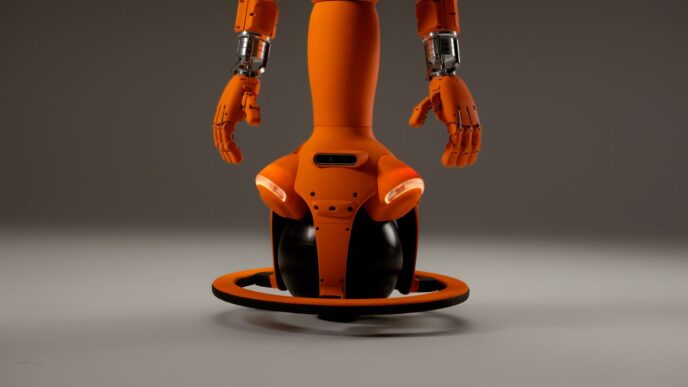
Amazon’s push into robotics really took off in 2012. That’s when the company bought a small robotics startup called Kiva Systems for around $775 million. Kiva didn’t sound particularly flashy at the time, but what they brought to the table was game-changing. The Kiva robots weren’t about fancy arms or humanoid shapes—they were squat, orange units that would scoot around warehouse floors, carry shelving racks loaded with products, and deliver these racks directly to human workers for picking and packing.
This move meant Amazon went from toe-dipping in automation to just about cannonballing into it. The robots let the company rethink its entire workflow in fulfillment centers.
Here’s a quick timeline of what happened:
- 2012: Amazon acquires Kiva Systems
- Kiva robots begin appearing in Amazon warehouses
- Kiva Systems is rebranded as Amazon Robotics
Amazon didn’t just buy a tech product—they bought the whole philosophy Kiva was built on, and soon every new warehouse got designed with robots in mind.
Transforming Warehouse Operations
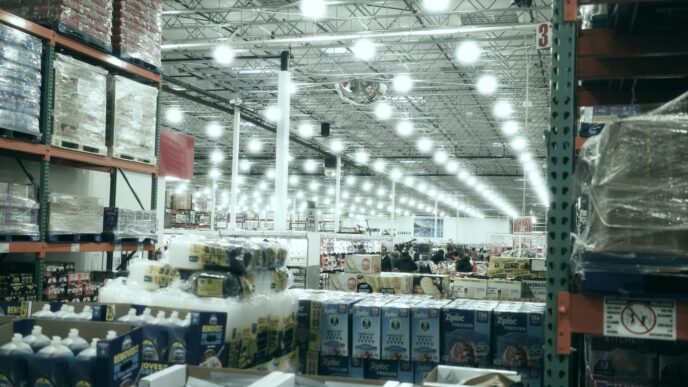
Before robots showed up, warehouses were mostly about people zigzagging between shelves, picking products as fast as possible. It worked, but honestly, it was slow and tough on workers. After Kiva robots were introduced, everything shifted:
- Robots now bring shelf racks to stationary pickers, cutting down miles walked by humans each day.
- Storage became much denser since shelves no longer needed big aisles for people to walk through.
- The speed of getting items out the door increased since robots could operate basically around the clock.
Let’s put it side by side:
| Feature | Pre-Kiva | Post-Kiva (Robotic) |
|---|---|---|
| Picker walking distance | 10+ miles/day | Under 1 mile/day |
| Storage density | Moderate | High |
| Order processing speed | Several hours | Minutes |
From Kiva to Amazon Robotics
Not long after bringing Kiva in-house, Amazon changed its name to Amazon Robotics. They started building those iconic orange robots themselves and expanded what they could do. Now, not only do the robots grab entire shelves, but the company keeps tweaking and tuning everything:
- Designs were updated so robots could carry heavier loads
- New sensors and navigation technology let robots move more precisely
- Entire warehouses were engineered around what robots can do best
What started as a clever solution for moving boxes became the backbone of how Amazon moves just about everything. The original Kiva idea started small but ended up totally shifting how shopping and shipping works for millions of people every day.
How Amazon Robotics Kiva Systems Revolutionize Fulfillment
Amazon’s fulfillment centers don’t just run on the efforts of human workers anymore. Robots have stepped in as a game changer, completely overturning the way packages move from shelf to doorstep. Here’s how these systems shape the whole process:
Automating the ‘Click to Ship’ Cycle
Getting something from the website to your front step used to be a huge task, with many hands touching each item along the way. Now, robots do a lot of the heavy lifting:
- When you hit ‘order,’ an AI system figures out the fastest way to collect those items.
- Kiva robots find the right shelves, lift them, and whisk them over to packing stations—no wandering through warehouse aisles needed.
- Inventory is tracked automatically, so workers and robots always know where things are.
This shift cuts out wasted time and reduces mistakes during picking and packing.
Average "Click-to-Ship" Time
| Before Robots | With Kiva Robots |
|---|---|
| Up to several hours | As little as minutes |
Optimizing Warehouse Navigation and Space
One of the biggest surprises with these robots is how Amazon’s warehouses now use space differently. Here’s what’s changed:
- Robots move through narrower lanes than people, so shelf spacing can be tighter.
- Shelves can be taller, stacked with loads heavier than what a human could handle.
- No need for large walkways or safety zones for foot traffic—robots follow virtual routes controlled by software.
Key Advantages of Robot-Guided Warehousing:
- Higher storage density (more products in the same amount of floor space)
- Greater flexibility—shelves can move to wherever they’re required
- Less downtime: robots don’t need breaks
Reducing Order Fulfillment Time
If you ever wondered how Amazon manages those lightning-fast shipping times, the robots are the reason. Here’s how they cut down fulfillment time:
- Faster retrieval: Robots pick and deliver shelves to packers in minutes
- Streamlined packing: Items arrive right at the station for packing, minimizing movement
- Smooth handoffs: Robots quickly return to the field for the next job
Today, it’s normal for some orders to ship out within minutes of being placed. There are always a few robots ready, so there’s little waiting between steps. This setup simply wouldn’t be possible with just humans on the job.
Top Impacts of Kiva Systems in Fulfillment:
- Same-day and next-day shipping become achievable on a large scale
- Human error drops, since robots don’t get tired or distracted
- More orders are processed daily, keeping up with demand
In short, the robotic system is the hidden power making modern, fast shipping a standard thing rather than a rare perk.
The Technology Behind the Robotic Fleet
Amazon’s robotic workforce is what keeps the modern fulfillment machine moving. These systems don’t just follow simple patterns; there’s a whole world of coordination, sensors, and software that make it all work. Here’s a look at the nuts and bolts behind the robots that carry your future packages.
AI-Powered Coordination and Routing
Amazon’s robots don’t just move randomly — their every step is planned. A cloud-based control system acts like an air traffic controller, deciding which route each robot should take, when it’s safe to cross intersections, and which package gets top priority.
- Robots are assigned tasks based on demand and proximity.
- Traffic patterns are analyzed to avoid bottlenecks and slowdowns.
- The system can even swap chute assignments to balance workflow when certain areas get slammed with orders.
The goal here? Keep robots busy, avoid crashes, and never let the floor feel crowded.
The ‘Drive’ Robot: Design and Functionality
The Amazon "drive" robots (sometimes called Pegasus) look kind of like a super-sized robotic vacuum, but instead of dust, they move packages. Here’s how they stack up:
| Feature | Details |
|---|---|
| Size | About the size of a suitcase |
| Speed | Roughly human walking pace |
| Payload | 1,000-3,000 pounds |
| Shape | Low profile, rectangular slab |
| Main jobs | Carry packages, dock at chutes |
- Each robot can slide under a bin, lift it using a motor, and scoot it over to a packing or sorting spot.
- They use a little conveyor belt on top to drop packages down chutes.
- After a run, robots queue up for the next job, keep moving all day, and only stop when it’s time to recharge.
Sensors and Navigation Systems
Robots in Amazon warehouses rely on a network of sensors to move safely and find their way:
- LIDAR and vision sensors help robots spot obstacles and other robots, even in busy spaces.
- Floor stickers or QR codes give position info for dead-simple navigation.
- Pressure and lift sensors tell the robot if a package is actually loaded before moving off.
These systems constantly send feedback to the central control to help everyone avoid problems. If a robot’s a little off-track or needs maintenance, it can flag itself for a tune-up before anything breaks down.
With all these layers working together, Amazon Robotics Kiva Systems shows what’s possible when machines and code take on the hard work behind the scenes — making sure your orders get sorted, packed, and sent out almost as soon as you hit ‘Buy.’
The Human-Robot Collaboration in Warehouses
It’s easy to picture these warehouses as being run entirely by robots, but that’s not quite the whole story. The reality is a bit more nuanced, a blend of human smarts and robotic muscle. Think of it less like robots taking over and more like a partnership. Humans and robots are working side-by-side, each doing what they do best. This setup does bring up some questions, though. As robots get smarter and more capable, what does that mean for the people working alongside them?
Synergy Between Human Workers and Robots
In these busy fulfillment centers, the robots, often called ‘drives,’ are like tireless workers on wheels. They bring shelves of items to human ‘pickers’ who then grab the specific products ordered. It’s a bit like a dance. The robots move with purpose, bringing the goods right to the person who needs them, cutting down on the amount of walking and searching humans have to do. This means people can focus more on the actual picking and packing, which requires a human touch.
- Robots handle the heavy lifting and repetitive transport. They bring the mobile shelves, called pods, to human associates.
- Humans then pick the items from the pods and place them into totes for shipping. This requires dexterity and judgment that robots currently lack.
- The system is designed so robots and humans rarely get in each other’s way. Routes are carefully planned to avoid collisions and keep things moving smoothly.
Redefining Warehouse Roles
This new way of working means some jobs have changed. Instead of walking miles a day to find items, associates might now spend their time at a station, picking items as robots bring them. Other roles have popped up too, like people who manage the robot fleet or troubleshoot when something goes wrong. It’s not about replacing people, but about shifting tasks to where they make the most sense. The goal is to make the entire process faster and more accurate.
Here’s a look at how roles have shifted:
| Old Role Example | New Role Example |
|---|---|
| Manual stock retrieval | Station-based picking from robot-delivered pods |
| Manual sorting | Robot fleet monitoring and management |
| General warehouse labor | Specialized tasks like quality control or repair |
Addressing the ‘Existential Conundrum’ of Automation
It’s natural to worry about robots taking jobs. When you see how efficient these systems are, it’s easy to think people might become obsolete. But the current setup shows that’s not the case. Humans are still needed for tasks that require problem-solving, fine motor skills, and adapting to unexpected situations – like dealing with a damaged package or a tricky item. The robots are tools, incredibly advanced ones, that help humans do their jobs better and faster. The focus is on how humans and robots can work together to achieve more than either could alone.
Impact and Future of Amazon Robotics Kiva Systems
Enhancing Delivery Efficiency
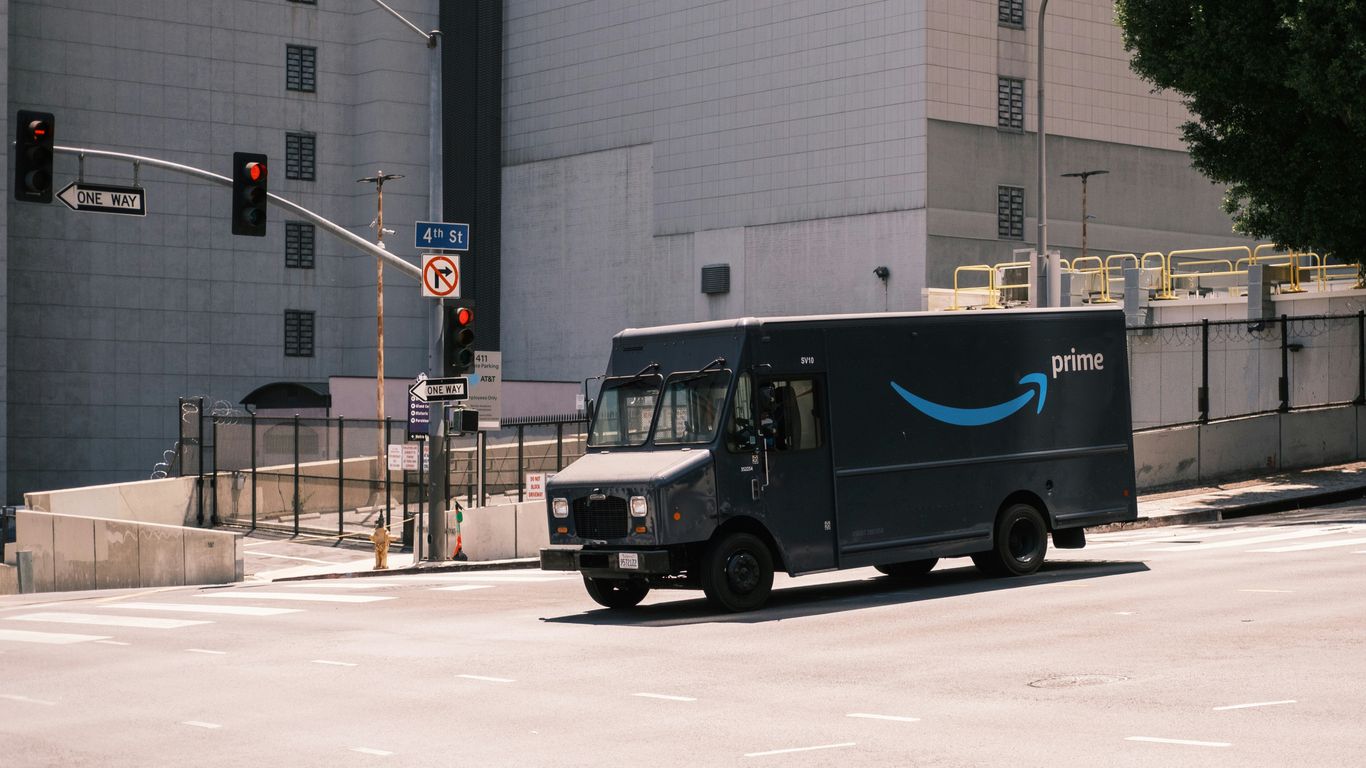
Amazon’s robotics systems are like a hidden engine, quietly pushing the pace of everything behind the scenes. By automating order picking, moving, and packing, the company has cut the time from “click to ship” down to minutes instead of hours or even days. Robots carry thousands of pounds, travel faster than a person normally would, and work around the clock—no need for coffee breaks or shift changes. Plus, the robots allow for aisles to be much narrower, meaning more stuff can fit in a single warehouse. That packs a serious punch for efficiency.
Let’s break down some numbers:
| Factor | Before Kiva | After Kiva Robots |
|---|---|---|
| Orders/day per facility | ~100,000 | >300,000 |
| Click-to-ship time | 2-3 hours | 15-30 minutes |
| Employees per package | 4 | 2 |
It’s not just about speed. Robots lower the risk of injury from heavy lifting, and are basically immune to fatigue.
Continuous Improvement and Innovation
Amazon isn’t standing still—far from it. One day it’s a fleet of little orange drive units, next day there’s an experiment with sidewalk robots or tweaks to the packing process. What’s wild is how often improvements come in small steps:
- Fine-tuning the AI that tells each robot what to do, so they collide less and idle less.
- Squeezing even more products on the shelves by getting clever about how inventory is arranged.
- Adding new sensors and software updates to make robots adjust to new layouts without tons of reprogramming.
The company seems to run on constant trial and error, making the robots just a little bit better each week. If one idea doesn’t work? Scrap it and try another—there’s always more packages coming down the line.
The Evolving Landscape of Logistics Automation
Looking forward, robots in warehouses are pretty much here to stay—and their numbers are likely to keep growing. But Amazon isn’t the only game in town; other retailers and logistics outfits are getting into the robotics game, too. Still, a few things seem certain:
- More robots will roll out, not just at Amazon but everywhere these package mountains stack up.
- Humans will stick around to solve problems, supervise, and step in when something weird happens—at least for now.
- Expect smarter software to keep squeezing out faster delivery times; competition is fierce.
Amazon’s robotics experiment is far from over. Whether the next big thing is floating drones or delivery bots that buzz down the sidewalk, the company has bet big on technology doing as much of the heavy lifting as possible—sometimes literally. If you get something at your door in a few hours, chances are the robots made it happen.
The Future is Now (and It’s Rolling)
So, next time you get that notification that your package is on its way, take a second to think about the whirring, orange robots zipping around behind the scenes. They’re not just machines; they’re a huge part of how Amazon gets things to your door so fast. It’s pretty wild to think about how these Kiva systems, and the smart tech controlling them, have totally changed the game for getting stuff from a warehouse to your home. It’s a quiet revolution, happening right under our noses, making our online shopping habits possible. Pretty neat, huh?