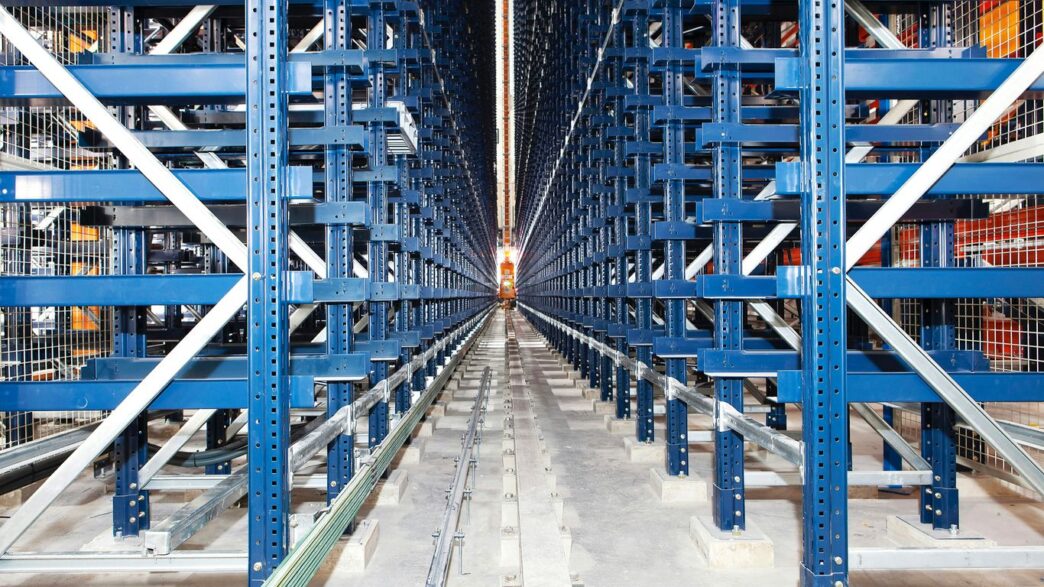
The Rise Of Amazon Robotics Kiva Systems
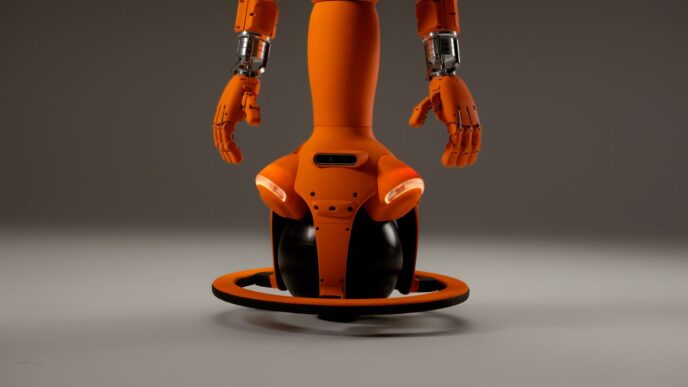
It’s pretty wild to think about how much online shopping has changed, right? A big part of that shift, especially for Amazon, comes down to those little robots zipping around their warehouses. These aren’t just any robots; they’re part of what Amazon calls its Kiva Systems, now known as Amazon Robotics. These mobile robots are the unseen force that brings shelves of products directly to human workers, completely changing how orders get picked and packed.
Transforming Warehouse Operations
Before Amazon Robotics, warehouse workers spent a lot of time walking miles each day just to find the items they needed to pack. Imagine that! Now, the robots do the heavy lifting, or rather, the heavy moving. They bring the inventory to the people. This means less time spent searching and more time spent actually getting orders ready to ship out the door. It’s a pretty big change from the old way of doing things.
The Genesis of Automated Fulfillment
Amazon bought Kiva Systems back in 2012, and that was a game-changer. They saw the potential for these robots to really speed things up. The idea was simple but effective: instead of people going to the products, the robots would bring the products to the people. This allowed Amazon to handle way more orders, way faster, which is pretty important when you’re dealing with millions of customers.
Impact on E-commerce Logistics
The impact on the whole e-commerce world has been huge. Because Amazon could process orders so much quicker and more efficiently, it set a new standard. Other companies have had to look at their own operations and figure out how to keep up. It’s pushed the whole industry to think more about automation and how to make getting products to your doorstep as fast as possible. It’s not just about having stuff online anymore; it’s about getting it to you when you want it.
Revolutionizing Order Fulfillment Processes
So, how exactly are these Kiva robots changing the game when it comes to getting stuff from the warehouse to your doorstep? It’s not just about speed, though that’s a big part of it. We’re talking about a whole new level of precision and efficiency that was pretty much impossible before.
Enhancing Picking Accuracy with Robotics
Remember the days when a wrong item in your package was a common annoyance? That’s becoming a lot rarer now. The Kiva system, with its robots bringing shelves to human pickers, cuts down on the distance people have to walk and the chances of grabbing the wrong thing. It’s like having a super organized assistant who knows exactly where everything is.
- Robots bring the inventory pods directly to the picker. This means less searching and more focused work.
- Scanners confirm each item. Before it goes into the order, it’s checked, reducing mistakes.
- Reduced human error. By minimizing the physical search and confirmation steps, the system naturally lowers the rate of picking errors.
Accelerating Order Processing Speeds
This is where you really see the difference. When a customer clicks ‘buy’, every second counts. The Kiva system is built for speed. Instead of people walking miles around a giant warehouse, robots zip around, bringing what’s needed to a central point. This drastically cuts down the time from order placement to when it’s ready to ship.
Imagine this:
- An order comes in.
- Software tells the Kiva robots which inventory pods are needed.
- Robots navigate the warehouse floor and bring those pods to a human picker.
- The picker quickly grabs the items, and the pod is sent back to its spot or to another station.
- The order is packed and on its way.
This whole dance happens much faster than traditional methods.
Improving Inventory Management
Keeping track of what’s in stock is a headache for any business. With Kiva, the robots are constantly moving inventory, and the system knows exactly where everything is at all times. This real-time tracking means less guesswork.
- Precise location tracking: Every item is accounted for, reducing lost stock.
- Better stock level visibility: Managers can see what’s low and what’s plentiful instantly.
- Reduced stockouts and overstocking: This leads to happier customers and less wasted money on unsold goods.
The Synergy of Robots and Human Workers
It’s easy to think of robots taking over warehouses, but the reality at Amazon’s fulfillment centers is a bit more complicated, and honestly, more interesting. Instead of a complete takeover, we’re seeing a partnership form between the Kiva robots and the people who work there. This isn’t about replacing humans; it’s about changing how they work for the better.
Think about it: the Kiva robots are fantastic at zipping around, grabbing shelves, and bringing them to a human worker. They can reach high and low without breaking a sweat, and they do it with incredible speed and consistency. This frees up the human workers from a lot of the walking and searching that used to take up so much of their day. Now, they can focus on the parts of the job that really need a human touch.
Collaborative Robotics in Action
What does this partnership look like on the ground? Well, a Kiva robot might bring a whole rack of items to a station. A human worker then picks the specific items needed for an order. This is where human judgment and dexterity really shine. They can quickly identify the right product, check for any damage, and pack it carefully. The robots handle the heavy lifting and the repetitive movement, while humans handle the nuanced tasks that require a bit more thought and skill.
Empowering Employees with Automation
This shift actually gives employees more interesting work. Instead of just walking miles a day, they’re now focused on tasks that require more attention and problem-solving. For example, when a robot brings a pod of items, a human might be responsible for figuring out the best way to pack those items into a shipping box, making sure they’re secure and don’t get damaged in transit. This can lead to a greater sense of accomplishment and job satisfaction. It’s about using automation to make jobs more engaging, not just faster.
Creating Safer Work Environments
Safety is another big win here. The Kiva robots are programmed to move predictably and avoid collisions. By taking over the tasks that involve a lot of repetitive motion or heavy lifting, the robots reduce the physical strain on human workers. This can lead to fewer injuries and a more comfortable working environment. The robots are essentially doing the physically demanding parts, allowing people to focus on tasks that are less physically taxing and require more cognitive effort.
Advanced Technologies Driving Automation
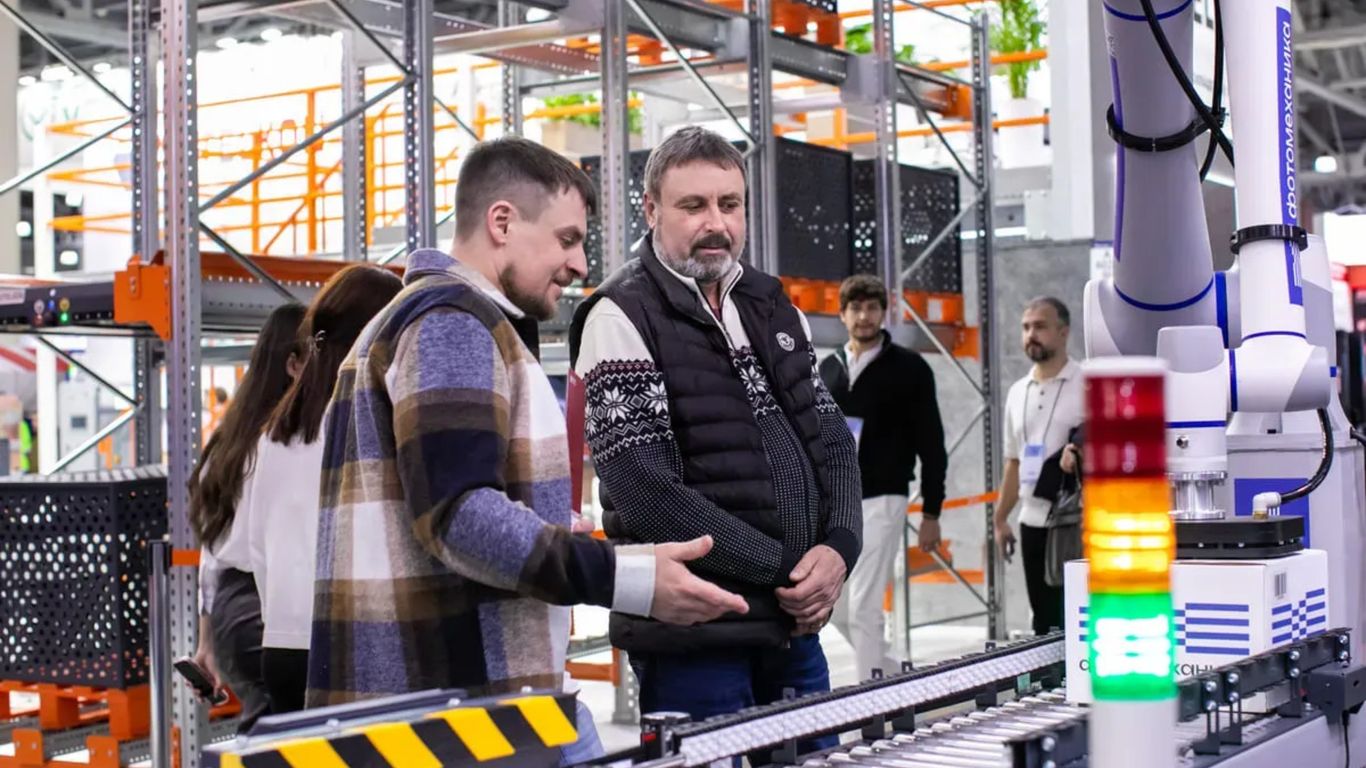
It’s not just about the robots themselves, you know? There’s a whole lot of smart tech working behind the scenes to make Amazon’s Kiva systems, and other automated warehouses, tick. Think of it like the brain and the nervous system for all those moving parts.
The Role of Artificial Intelligence
Artificial Intelligence, or AI, is pretty much the conductor of this whole automated orchestra. It’s what helps the robots make smart decisions on the fly. For instance, AI figures out the most efficient way for a robot to get from point A to point B in a busy warehouse, avoiding collisions and saving time. It also plays a big part in predicting what customers might want next. By looking at past sales and trends, AI can help warehouses stock the right items before people even start ordering them. This means less stuff sitting around and quicker deliveries for us.
Machine Learning for Predictive Analytics
Machine learning is a type of AI that’s really good at learning from data. In warehouses, this means systems can get better over time without needing humans to reprogram them constantly. They can look at tons of information – like how long it takes to pick certain items, when certain products sell best, or even what the weather might do – and use that to make predictions. This helps with things like:
- Inventory Management: Predicting demand so warehouses have enough of what people want, but not too much.
- Staffing Needs: Figuring out when more robots or human help might be needed based on expected order volume.
- Maintenance Schedules: Predicting when a robot might need a check-up before it actually breaks down.
This predictive power is a game-changer for keeping operations smooth.
Computer Vision in Robotic Systems
Ever wonder how robots know what they’re looking at? That’s where computer vision comes in. It’s like giving robots eyes. Using cameras and special software, robots can identify items, read labels, check for damage, and even figure out the best way to grab an object. This is super important for picking items accurately from shelves or making sure packages are sorted correctly. It helps robots understand their surroundings, which is key for working safely and efficiently alongside people and other machines.
Global Impact of Automated Fulfillment
Amazon’s Fulfillment Centers
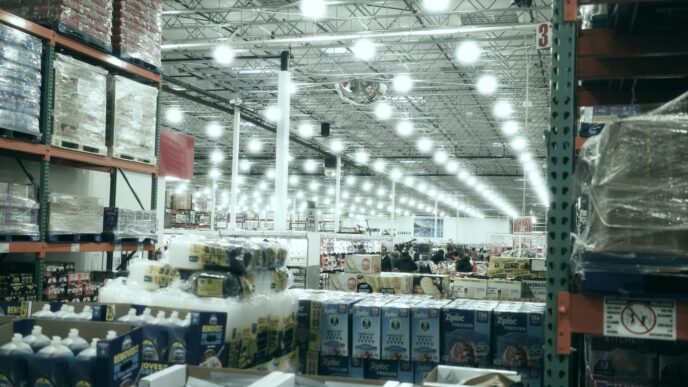
It’s pretty wild to think about how much Amazon has changed shopping, right? A big part of that is their massive fulfillment centers, and the Kiva robots are a huge piece of that puzzle. These aren’t just a few robots running around; we’re talking about thousands of them working together. They move entire shelves, called pods, to human workers who then pick the items. This whole system means Amazon can process orders way faster than they could with just people walking around. This speed is a major reason why getting your stuff in a day or two is now pretty normal. It’s not just about speed, though. The robots help keep track of inventory really well, cutting down on mistakes. Imagine trying to find one specific item in a warehouse the size of a few football fields – the robots make that possible.
Innovations in Grocery Retail
Grocery shopping has also seen some big changes thanks to automation. Think about online grocery orders. Before, it was a real challenge to get fresh food to people quickly and without damage. Now, some places use systems that are a bit like Amazon’s, but adapted for groceries. Robots can help pick and pack your order, keeping cold items together and making sure you get what you actually ordered. This is a game-changer for supermarkets trying to compete with online-only services. It means fresher food and fewer errors for customers, which is always a good thing.
Fashion E-commerce Logistics
Fashion is another area where this tech is making waves. Online clothing stores deal with a lot of different sizes, colors, and styles. Keeping all that organized and getting the right items to customers quickly is tough. Automated systems help sort through the massive amounts of inventory. They can quickly find a specific shirt in a specific size and get it ready for shipping. This means you’re less likely to get the wrong item, and your new outfit arrives faster. It also helps stores manage returns more efficiently, which is a big deal in the fashion world.
The Future of Warehouse Automation
So, where does all this Kiva robot magic lead us? It’s not just about faster shipping today; it’s about building warehouses that can keep up with whatever tomorrow throws at them. Think about it: customer demands are always changing, and new products pop up constantly. Warehouses need to be able to roll with those punches, and that’s where the future of automation really shines.
Scalability and Adaptability
One of the biggest things is making sure these systems can grow and change with the business. A warehouse that’s packed today might need to handle twice as much next year. The Kiva system, and others like it, are designed to be modular. You can add more robots, more shelves, and reconfigure the layout without shutting everything down. It’s like building with LEGOs, but on a massive scale. This flexibility means a company isn’t stuck with a system that’s too small or too rigid when business picks up or shifts.
- Adding more robots to handle increased order volume.
- Reorganizing storage layouts to fit new product types.
- Integrating new technologies alongside existing automation.
Continuous Improvement Through Data
These robots aren’t just moving boxes; they’re collecting data. Every movement, every pick, every path taken is a piece of information. This constant stream of data is gold for figuring out how to make things even better. By looking at this information, companies can spot bottlenecks, predict when equipment might need maintenance, and even optimize how products are stored based on how often they’re ordered. It’s a cycle: automate, collect data, analyze, improve, and then automate the improvements.
The Next Frontier in Fulfillment
What’s next? We’re already seeing hints of it. Autonomous vehicles for delivery are becoming more common, and robots are getting smarter, able to handle more delicate or complex items. We might see more specialized robots for different tasks, or even AI that can manage the entire warehouse flow with minimal human input. The goal is to make the whole process, from the moment an order is placed to when it arrives at your door, as smooth and efficient as possible. It’s about creating a fulfillment network that’s not just automated, but intelligent and responsive to everything.
The Future is Now
So, what does all this mean for the future? It’s pretty clear that robots like Kiva aren’t just a fad. They’re changing how warehouses work, making things faster and, honestly, probably a lot less stressful for the people working alongside them. We’ve seen how companies from grocery delivery to fashion are jumping on board with their own automated systems. It’s not just about getting packages out the door quicker; it’s about making the whole process smarter and more reliable. As technology keeps getting better, expect to see even more robots and smart systems working behind the scenes, making sure your online orders arrive right on time. It’s a big shift, and it’s already happening.