Introducing The Amazon Sparrow Robot
A New Era of Warehouse Automation
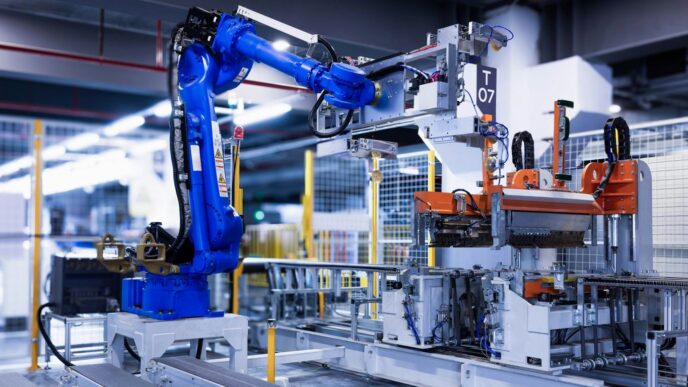
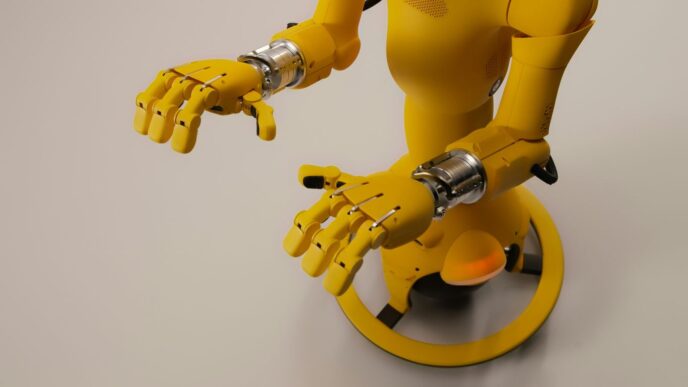
Amazon is rolling out new tech in its warehouses, and the Sparrow robot is a big part of that. Think about how many packages Amazon handles every single day – it’s millions. Keeping up with that kind of volume means constantly looking for ways to work smarter. Sparrow is one of those ways. It’s designed to help with the physical work of moving items around, which is a huge part of what happens in those massive fulfillment centers. This isn’t just about speed, though; it’s also about making sure the whole process runs smoothly and safely.
Detecting, Selecting, and Handling Diverse Products
What makes Sparrow stand out is its ability to actually pick up individual items. Before this, robots in Amazon’s warehouses were mostly for moving larger things like pallets or sorting packages. Sparrow can look at a whole bunch of different products, figure out which one it needs to grab, and then actually pick it up. This is a pretty big deal because Amazon has millions of different items, all sorts of shapes and sizes. Being able to handle this variety is key to automating more of the warehouse process.
The Role of AI and Computer Vision
So, how does Sparrow know what to do? It uses a lot of smart technology, especially artificial intelligence and computer vision. Basically, it has "eyes" that can see and a "brain" that can figure things out. This allows it to identify items, understand where they are, and plan how to pick them up without dropping them or messing up the surrounding items. It’s like giving the robot a sense of sight and decision-making ability, which is a step up from robots that just follow pre-set instructions in a controlled space.
Sparrow Robot’s Item-Picking Capabilities
Handling Millions of Varied Items
Sparrow is designed to tackle a huge variety of items found in Amazon’s warehouses. Think about it – we’ve got everything from tiny screws to large boxes, all sorts of shapes and weights. This robot’s main job is to pick individual items from bins and get them ready for the next step, like packaging. It uses smart technology to figure out what it’s looking at and how to grab it without messing things up. It’s a big deal because it can handle millions of different products, which is something robots haven’t really done before in this way.
Relieving Employees of Repetitive Tasks
Let’s be honest, some warehouse jobs involve a lot of the same motions over and over. Sparrow steps in to take on some of those tasks. By picking and handling items, it frees up human workers to focus on more complex jobs that require a human touch. This isn’t about replacing people, but about making the whole process smoother and safer for everyone. It means fewer people doing the same repetitive motions all day, which can lead to better job satisfaction and fewer strain injuries.
The Science Behind Grasping Decisions
So, how does Sparrow actually decide how to pick something up? It’s more than just pointing and grabbing. It uses a mix of advanced tech:
- Computer Vision: Like eyes, it sees the item and its surroundings. It figures out the item’s shape, size, and where it is.
- Machine Learning: This is the ‘brain’ part. It learns from lots of examples what works best for different items. It knows if it needs to use a gentle grip or a firmer one.
- 3D Understanding: It doesn’t just see a flat image; it understands depth and how the item sits in the bin, which is key for a clean pick.
- Geometric Reasoning: This helps it calculate the best angle and approach to grab the item without knocking over other things in the bin. It’s all about making smart, precise movements.
The Technology Powering Sparrow
So, how does this Sparrow robot actually work? It’s not just magic, though sometimes it feels like it when you see these machines in action. Amazon has put a lot of brainpower into making Sparrow capable of handling millions of different items.
Leveraging Machine Learning for Perception
At its core, Sparrow uses machine learning to figure out what it’s looking at. Think of it like teaching a kid to recognize different toys. The more examples it sees, the better it gets. For Sparrow, this means looking at countless images of products, learning their shapes, sizes, and textures. This continuous learning process is key to its ability to adapt to new items it hasn’t encountered before. Every item it successfully picks becomes a data point, helping the whole fleet improve over time. It’s like a massive, ongoing training session for the robots.
Advanced Computer Vision and 3D Understanding
Beyond just recognizing an item, Sparrow needs to know how to grab it. This is where advanced computer vision and 3D understanding come in. It’s not enough to see a product; the robot needs to understand its spatial orientation, its weight, and the best way to get a grip. This involves:
- Scene Segmentation: Breaking down the visual field into individual items and the background.
- Grasp Point Calculation: Determining the precise spot on an item where the gripper should make contact.
- Depth Perception: Understanding how far away an item is and its three-dimensional form.
This allows Sparrow to avoid fumbling or dropping items, which is pretty important when you’re dealing with millions of packages.
Optimization and Geometric Reasoning
Finally, Sparrow uses optimization and geometric reasoning to make smart decisions about how to pick things up. This isn’t just about seeing and understanding; it’s about planning the most efficient and effective movement. For instance, if there are several items clustered together, Sparrow needs to figure out the best sequence and angle to pick them without knocking others over. It’s a bit like playing a complex game of 3D Tetris, but with real-world objects. This involves calculating:
- Path Planning: The optimal route for the robot’s arm to take.
- Gripper Force: How much pressure to apply without crushing the item.
- Collision Avoidance: Making sure the arm doesn’t bump into other items or the bin itself.
All these technological pieces work together, allowing Sparrow to handle a huge variety of products with surprising dexterity.
Sparrow’s Integration into Amazon’s Fleet
So, Sparrow isn’t just going to be working all by itself in some corner of the warehouse. It’s designed to fit right in with the other robots Amazon already uses. Think of it like adding a new player to a sports team – they need to know how to work with everyone else on the field.
Complementing Existing Robotic Systems
Amazon has been putting robots to work for a while now. They’ve got systems that move entire shelves around, and others that sort packages. Sparrow’s job is to handle the smaller, individual items before they get to those bigger sorting robots. It’s like Sparrow does the initial sorting of the small stuff, making the whole process smoother for the machines that handle the larger volumes.
Synergy with Robots Like Robin and Cardinal
You might have heard of robots like Robin and Cardinal. Robin is the robotic arm that picks up packages from conveyors and puts them onto smaller delivery robots. Cardinal is another system that helps move those larger items. Sparrow works before Robin and Cardinal. Once Sparrow picks an item, it can then hand it off, perhaps to a conveyor or directly to another robot, which then gets it to the right place for packaging or further sorting by Robin or Cardinal. This teamwork means fewer steps for human workers and a faster flow of goods.
Streamlining the Fulfillment Process
Putting all these robots together, including Sparrow, is all about making the warehouse run better. It’s not just about speed, though that’s part of it. It’s also about making sure the right items get to the right place without getting mixed up or dropped. By having Sparrow handle those tricky individual item picks, it frees up the other robots and people to focus on their specific tasks. This kind of coordinated effort helps Amazon manage the huge number of orders they get every day.
Here’s a simplified look at how Sparrow fits in:
- Item Identification: Sparrow identifies and picks individual products from bins.
- Hand-off: It passes the picked item to a conveyor or another robot.
- Downstream Processing: Robots like Robin or Cardinal then take over for sorting and moving larger quantities or packages.
- Continuous Improvement: Every pick Sparrow makes adds data that helps it and other robots learn and get better over time.
Development and Deployment Considerations
Research and Development Phase
Building something like the Sparrow robot isn’t just about slapping some tech together. It starts way back in the lab. Think of it like this: you wouldn’t build a car without first designing and testing the engine, right? For Sparrow, this means a lot of time spent on figuring out the best ways for it to see, grab, and move items. A big part of this is using fancy computer simulations. These aren’t just video games; they’re complex digital worlds that mimic how real packages and robots behave. This lets engineers try out new ideas and fix problems without actually risking any real robots or messing up actual orders. They’re getting really good at simulating tricky situations, like dealing with squishy packages or items that look almost identical.
Factors for Large-Scale Deployment
Okay, so you’ve got a robot that works great in the lab. Now, how do you get it working in a massive warehouse with thousands of them? That’s a whole different ballgame. One of the biggest challenges is making sure the software can handle constant updates. Amazon’s approach here is to make the software modular. Imagine building with LEGOs; you can swap out one piece without the whole structure falling apart. This modular design means they can update one part of the robot’s brain, like its vision system, without breaking everything else. This also lets different teams work on improvements at the same time. They’re even retraining key parts of the robot’s perception system multiple times a week. It took months to even figure out how to break down the old software into these manageable modules, but it was worth it for easier upgrades and eventually, automatic updates for the whole fleet.
Continuous Learning and Improvement
Even with all the initial testing, robots will mess up sometimes. It’s just a fact of life. When a robot like Sparrow makes a mistake, like dropping a package or trying to grab two when it should only grab one, it’s a chance to learn. The system is designed to notice these slip-ups. If it can fix the problem itself, great. If not, it flags it for a human to sort out. This might cost a little time in the moment, but it’s way better than letting the error go uncorrected and potentially delaying a customer’s order. Every single package handled becomes a learning opportunity, and the experiences of each robot help the entire group get smarter. In just six months, they’ve managed to significantly cut down on the number of packages the robot’s vision system can’t handle and reduced errors by a huge amount. They’re not just looking at what went wrong, but why it went wrong, to really fine-tune how the robots behave.
The Future of Warehouse Robotics with Sparrow
Advancing Automation in Fulfillment Centers
So, what’s next for robots like Sparrow in Amazon’s warehouses? It’s pretty clear that automation isn’t just a trend; it’s becoming the backbone of how things get done. Sparrow represents a big step forward because it can handle so many different kinds of items, something that’s been a real challenge for robots until now. Think about it: millions of products, all sorts of shapes and sizes. Being able to pick and move those without human intervention is a game-changer for efficiency. This kind of smart automation helps Amazon keep up with the massive number of orders we all place. It means fewer repetitive tasks for people, which is good for everyone involved.
The Potential for Self-Learning Robots
Sparrow isn’t just a one-trick pony. The technology behind it, especially the AI and computer vision, is designed to learn and get better over time. This isn’t like the old robots that just did the same programmed moves over and over. Sparrow can figure out how to pick up new items or handle tricky situations it hasn’t seen before. This ability to adapt is key. Imagine a robot that can look at a pile of items and instantly know the best way to grab one without knocking over the rest. That’s the kind of intelligence we’re talking about. It’s all about making the robots smarter and more capable, reducing the need for constant human oversight for every single action.
Innovating Beyond Current Robotic Capabilities
Looking ahead, robots like Sparrow are just the beginning. The goal is to create a whole fleet of robots that can work together, each with specialized skills, but all connected and learning from each other. This could lead to warehouses that run almost entirely on automated systems, from receiving goods to shipping them out. We might see robots that can not only pick items but also do quality checks, sort packages with incredible speed, or even help with inventory management in ways we haven’t thought of yet. The continuous updates and modular software that make Sparrow possible are paving the way for even more advanced systems in the future, making the whole process faster, safer, and more efficient.
Wrapping It Up: What’s Next for Amazon’s Sparrow?
So, that’s the lowdown on Amazon’s Sparrow robot and its item-picking skills. It’s pretty wild to think about robots handling millions of different items, right? Right now, Sparrow is still in the testing phase, and Amazon is figuring out the best way to use it everywhere. They’re looking at how it can work with other robots, like Robin and Cardinal, to make the whole process smoother. It’s clear Amazon is really pushing to automate more tasks, especially after some recent growing pains. They’ve been investing in robots for a while, and Sparrow seems like the next big step in making warehouse work faster and maybe a bit easier for people. We’ll have to wait and see exactly when and where Sparrow shows up in full force, but it’s definitely a sign of things to come in how we get our packages.