
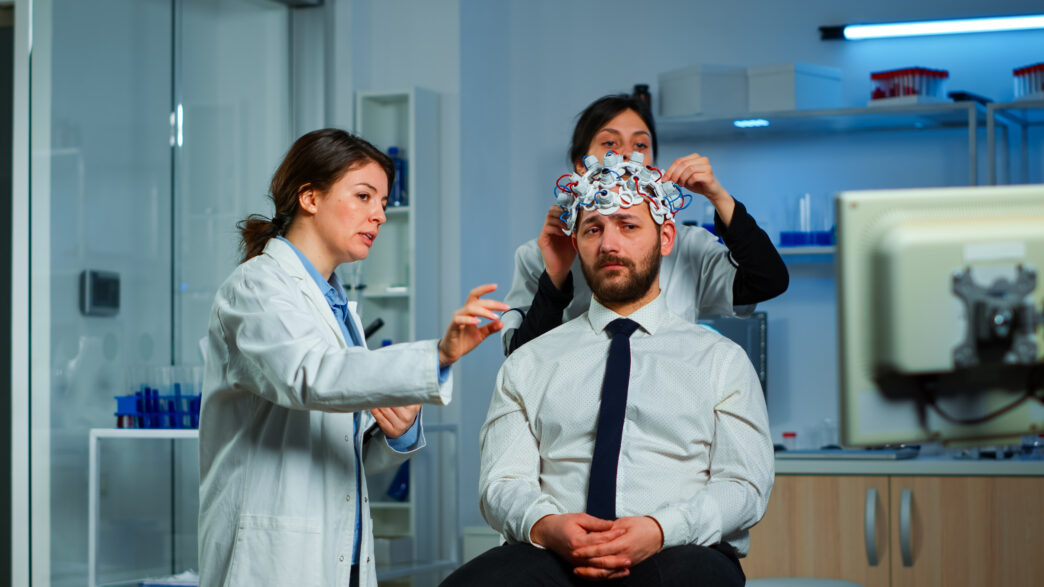
A brain tumor represents an abnormal growth of cells within the brain or the central nervous system. When these cellular growths are malignant, they are classified as cancer. The physiological impact of Cancer Brain Tumors on the human body is profound, largely because the skull provides a rigid, enclosed space. Any abnormal growth within this confined neurological area can increase intracranial pressure, leading to significant and potentially life-threatening complications. Malignant tumors can either originate directly within the brain, known as primary brain tumors, or they can travel to the brain from other parts of the body, which are referred to as secondary or metastatic brain tumors.
Primary malignant brain tumors frequently arise from the glial cells, which are responsible for supporting, nourishing, and protecting neurons. These types of malignancies are broadly categorized as gliomas. The most aggressive and prevalent form of glioma in adult patients is glioblastoma multiforme (GBM). Glioblastomas are notorious for their rapid cellular proliferation and their ability to infiltrate deeply into surrounding healthy brain tissue, making complete surgical removal exceptionally challenging. Other primary malignancies include anaplastic astrocytomas and specific high-grade oligodendrogliomas. Conversely, metastatic brain tumors are inherently malignant. These occur when cancer cells from primary tumors located elsewhere—most commonly from the lungs, breasts, colon, or from melanomas—disseminate through the bloodstream and establish secondary growths within the neurological tissue. Statistically, metastatic tumors are far more common than primary malignant brain tumors in the adult population.
The precise etiology of most primary brain tumors remains a subject of ongoing medical investigation. However, scientists and researchers have identified a few established risk factors. Exposure to high doses of ionizing radiation, such as radiation therapy previously utilized to treat other forms of cancer, significantly increases the risk of developing brain malignancies later in life. Additionally, certain rare inherited genetic syndromes, including Neurofibromatosis type 1 and type 2, Li-Fraumeni syndrome, and Tuberous Sclerosis, highly predispose individuals to developing central nervous system tumors. Despite these known associations, the vast majority of patients diagnosed with a brain malignancy present with no identifiable risk factors or familial history of the disease.
The physical symptoms produced by a brain malignancy depend heavily on the tumor’s exact size, its rate of growth, and its specific anatomical location within the brain. General symptoms typically manifest as a result of increased intracranial pressure. Patients frequently report experiencing persistent, severe headaches that are entirely uncharacteristic of their usual headache patterns; these are often most intense in the early morning and may be accompanied by unprovoked nausea and vomiting. Seizures present another highly common early diagnostic indicator, even in adult individuals who possess no prior medical history of epilepsy or seizure disorders. Furthermore, focal or localized symptoms occur as the expanding tumor mass presses on specific functional areas of the brain. These localized neurological signs can include progressive weakness or paralysis on one side of the body, sudden speech and language difficulties (aphasia), visual disturbances such as double vision or a loss of peripheral vision, and profound alterations in personality, memory retention, or overall cognitive processing.
Securing an accurate diagnosis is paramount for formulating an effective, individualized treatment strategy. The diagnostic process usually commences with a thorough neurological examination designed to meticulously assess vision, hearing, balance, coordination, muscle strength, and reflex responses. When a central nervous system abnormality is suspected, advanced neuroimaging becomes the next critical step. Magnetic Resonance Imaging (MRI) utilizing gadolinium contrast is widely considered the gold standard for visualizing brain anatomy and accurately detecting tumors. It provides highly detailed structural images that assist neuro-oncologists and neurosurgeons in determining the tumor’s exact dimensions and spatial location. Computed Tomography (CT) scans may also be utilized, particularly to identify specific calcifications within the tumor mass or to observe changes in the adjacent skull bone. Ultimately, securing a definitive diagnosis requires a physical tissue biopsy. This intricate procedure involves surgically extracting a small, targeted sample of the tumor for rigorous histopathological examination under a microscope. In modern neuro-oncology, the biopsied tissue undergoes extensive molecular and genetic profiling, searching for specific cellular markers—such as IDH mutations or MGMT promoter methylation—which definitively dictate the tumor’s precise classification and predict its likely response to various therapeutic interventions.
The medical management of malignant central nervous system tumors requires a highly coordinated, multidisciplinary approach involving highly trained neurosurgeons, medical oncologists, radiation oncologists, and supportive care specialists. The primary treatment modality is most frequently surgical resection. The ultimate objective of neurosurgery is to safely remove as much of the tumor mass as physically possible without causing irreversible neurological deficits. Advanced surgical techniques, such as awake craniotomies and the use of intraoperative MRI scanning, allow neurosurgeons to actively map critical brain functions in real-time, thereby maximizing tumor removal safely. Following primary surgery, adjuvant therapies are typically necessary to target microscopic cancer cells that inevitably remain embedded in the surrounding tissue. Radiation therapy utilizes high-energy beams, such as X-rays or specialized protons, to systematically destroy residual cancer cells. Innovative techniques like stereotactic radiosurgery deliver highly focused, intense doses of radiation directly to the tumor site while meticulously sparing healthy, adjacent brain tissue. Chemotherapy, utilizing systemic drugs to eradicate fast-growing cells, is frequently administered concurrently with radiation and often continued for several months afterward. For instance, the oral chemotherapy medication temozolomide is considered the standard of care for treating glioblastoma. Emerging medical treatments, including targeted drug therapies that selectively attack specific molecular vulnerabilities within the cancer cells, alongside immunotherapies designed to forcefully stimulate the patient’s own immune system to fight the tumor, remain the subjects of intense and ongoing clinical research trials.
Access to state-of-the-art medical infrastructure and a highly experienced oncology team significantly influences overall patient outcomes and survival rates. Treating complex neurological malignancies requires a medical facility fully equipped with the absolute latest diagnostic and surgical technologies, as well as a comprehensive, empathetic support system for patients and their extended families. Institutions like Liv Hospital offer the complex multidisciplinary expertise and advanced technical capabilities required to manage sophisticated neuro-oncological cases effectively. Immediate access to specialized neuro-intensive care units, advanced neuroimaging suites, and highly innovative physical rehabilitation programs ensures that patients receive holistic and continuous medical care throughout their rigorous treatment journey.
Advances in molecular biology and sophisticated neurosurgical techniques continue to rapidly reshape the landscape of modern neuro-oncology. As scientific research progresses deeper into the realms of genetic tumor profiling and personalized medicine, therapeutic strategies are becoming increasingly precise and specifically tailored to individual tumor characteristics. Early symptom recognition, coupled with prompt and highly accurate diagnostic evaluation, remains unequivocally crucial in managing the progression of the disease and improving long-term patient prognoses. Ongoing, dedicated innovations in medical science consistently offer renewed optimism for developing far more effective, life-prolonging interventions for these severe neurological conditions.