Looking back at the first half of 2025, it’s clear that marketers faced some unique challenges. Economic shifts and changing consumer moods meant brands had to get creative. Some played it safe, focusing on value, while others really leaned into humor or tapped into old memories. It’s interesting to see how these recent marketing campaigns tried to stand out, especially with so much new tech like AI popping up everywhere. Let’s check out some of the campaigns that really caught our eye and see what we can learn from them.
Key Takeaways
- Using humor and nostalgia can really grab people’s attention, like CeraVe’s prank or McDonald’s throwback meals.
- Brands that stand for something, like Dove with its beauty standards message or Coca-Cola’s recycling efforts, build stronger connections with customers.
- Getting customers involved, like Spotify Wrapped or GoPro challenges, turns them into brand fans and creators.
- Creative real-world experiences and eye-catching outdoor ads, such as RXBar’s truck or Coca-Cola’s ‘Recycle Me’ billboards, make a big impression.
- Sometimes, tackling criticism head-on with a sense of humor, like Little Caesars did on TikTok, can actually make a brand more likable.
Leveraging Humor and Nostalgia in Recent Marketing Campaigns

It feels like just yesterday we were all glued to our screens, trying to figure out what was going on. Now, looking back at the marketing from early 2025, a couple of big themes really stand out: making people laugh and tapping into that warm, fuzzy feeling of remembering the good old days. Brands that got this right really seemed to connect with people.
CeraVe’s Michael Cera Super Bowl Prank
This one was pretty clever. CeraVe basically pulled off a huge prank, making everyone think actor Michael Cera was somehow behind the brand. It was timed perfectly with the Super Bowl, and honestly, it got everyone talking. The whole thing generated billions of impressions, which is wild. It just goes to show that when you use humor and tap into what’s happening right now, you can get people to pay attention.
Snickers’ Rookie Mistake Super Bowl Contest
Snickers decided to have some fun with their "You’re not you when you’re hungry" slogan. They ran a contest asking people to share their biggest "rookie mistakes." Think about it – everyone has those moments where they mess something up, right? Sharing those stories for a chance to win Super Bowl tickets was a smart move. It created a ton of user-generated content and, I bet, a lot of laughs. It’s a good reminder that contests can really boost engagement if they feel fun and relatable.
McDonald’s As Featured In Meal Campaign
McDonald’s really leaned into nostalgia with their "As Featured In" meals. They picked moments from movies and shows that people remember fondly, especially from the 90s, and turned them into special meals. They used cool visuals and worked with influencers to get the word out. It worked because it tied together pop culture, memories, and their brand in a way that felt natural. It’s a solid strategy when you want to bring back good feelings.
Airbnb’s Polly Pocket Collaboration
Remember Polly Pocket? Airbnb brought that childhood favorite back to life by creating a real-life, giant Polly Pocket house. This was a huge hit, especially on platforms like Instagram and TikTok. Collaborating with something so iconic from our past can create a massive buzz, particularly when the whole idea is super visual and shareable. It tapped right into that childhood wonder we all still have.
Purpose-Driven Storytelling and Social Impact
It’s pretty clear that brands are doing more than just selling products these days. A lot of them are trying to make a real difference, and that’s showing up in their marketing. We’re seeing campaigns that aren’t just about catchy slogans, but about telling stories that matter and standing for something. It feels like people are tired of just being sold to; they want to connect with brands that share their values.
Dove’s #TheFaceOf10 Campaign
Dove has been at this for a while, and their #TheFaceOf10 campaign really hit home. Instead of pushing some impossible beauty standard, they focused on celebrating women as they age, specifically highlighting skincare that’s right for different stages of life. It’s a refreshing change from the usual airbrushed perfection we often see. The campaign uses real stories and faces, showing that beauty doesn’t have an expiration date. It’s about feeling good in your own skin, no matter your age. This kind of message really sticks with people because it feels genuine and tackles a common insecurity head-on.
Grammys Give Back: Amplifying Local Businesses
The Grammys, usually all about the music industry’s biggest stars, did something different this year by focusing on smaller, local businesses. They launched a program to help these businesses get more attention, especially those that might have been struggling. It wasn’t just a one-off thing; they used their platform to connect these businesses with resources and visibility. Think of it as using a big spotlight to shine on the little guys. This kind of initiative shows a commitment to community and supporting the ecosystem that makes the music world, and so many others, thrive. It’s a smart way to build goodwill and show that they care about more than just the awards show itself.
Coca-Cola’s ‘Recycle Me’ Sustainability Billboards
Coca-Cola put up some interesting billboards that really made you think about recycling. The idea was simple but effective: the billboards themselves were made of recycled materials, and they had a message that encouraged people to recycle their own bottles and cans. It’s a visual reminder of the impact of waste and the importance of taking action. They even had variations of the billboard that showed what happens after recycling, like turning old bottles into new ones. It’s a straightforward way to get people thinking about their own habits and how they can contribute to a more sustainable future, right there on the street.
Harnessing User-Generated Content and Community
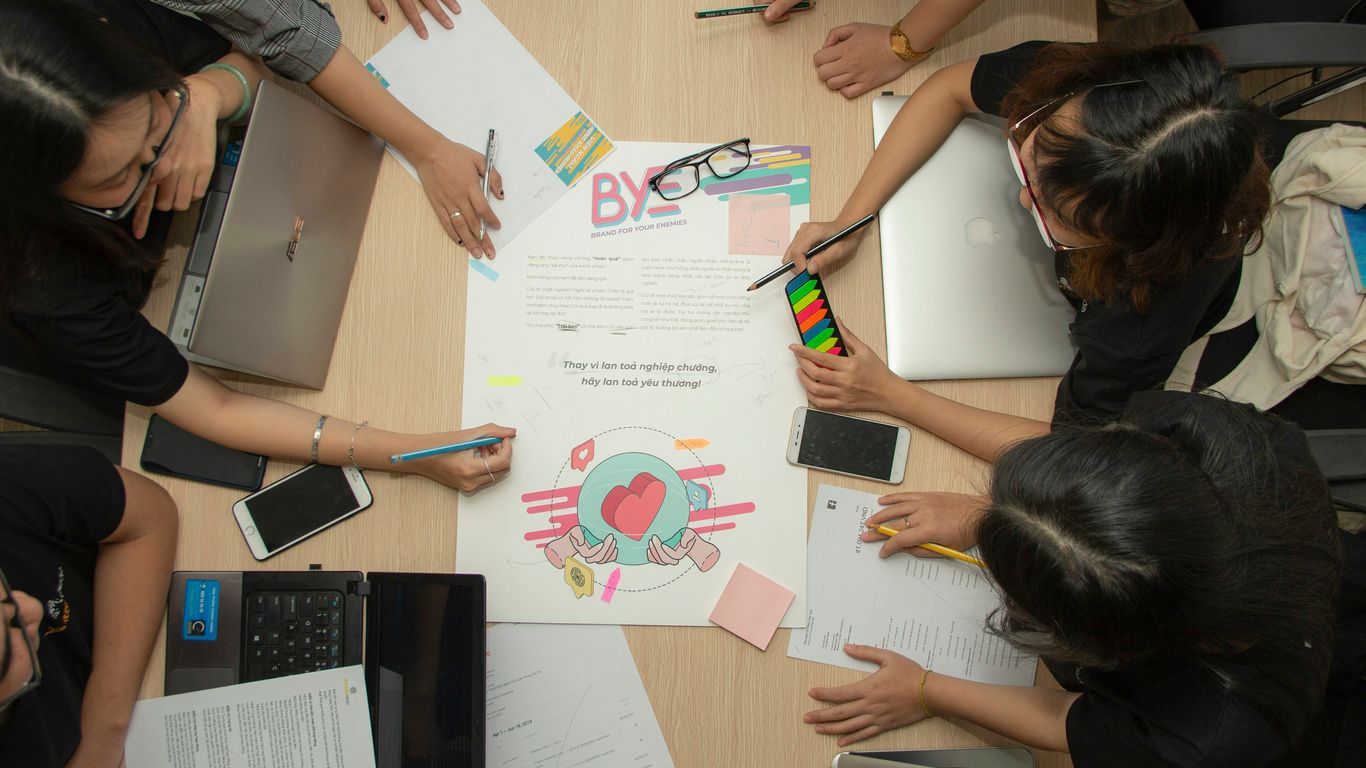
In 2025, brands are really getting smart about how they get their customers involved. It’s not just about shouting your message anymore; it’s about getting people to create and share their own stuff related to your brand. This whole user-generated content (UGC) thing is huge, and when you mix it with building a real community, you get some seriously sticky campaigns.
Spotify Wrapped’s Personalized Recaps
Okay, who hasn’t seen their Spotify Wrapped results all over social media by now? It’s become an annual event. Spotify takes your listening history – the songs you’ve played on repeat, your top artists, even your genre moods – and turns it into these super shareable, colorful graphics. It’s genius because it makes everyone feel like a music expert and gives them something personal to brag about. People love seeing their own data and comparing it with friends. It’s a perfect example of how personalization can drive massive engagement.
GoPro Awards and Million Dollar Challenge
GoPro has always been about capturing epic moments, and they’ve turned their customers into the stars of their marketing. Through programs like the GoPro Awards and the Million Dollar Challenge, they encourage people to submit their best photos and videos shot on a GoPro. They offer prizes and recognition, which is a pretty big deal. This not only floods GoPro with amazing content but also builds a strong community of adventurous users who feel like they’re part of something bigger. It’s a win-win: GoPro gets authentic content, and users get to showcase their skills and experiences.
Notion Faces Activation on LinkedIn
Notion, the productivity app, did something really clever on LinkedIn. They took user avatars – those little profile pictures – and turned them into a massive, collective brand activation. Imagine seeing a feed filled with these familiar little icons, all representing the Notion community. It created a real sense of FOMO (fear of missing out) and encouraged tons of people to join in, update their profiles, and show their affiliation with the brand. It’s a great way to make users feel seen and connected, turning a simple profile picture into a statement of belonging.
Innovative Experiential and Out-of-Home Strategies
This year, brands really stepped up their game when it came to getting noticed outside the digital space. We saw some seriously cool stuff happening in the real world, making people stop and pay attention. It’s like they remembered that sometimes, the best way to connect is to just be there, in a big, memorable way.
RXBar’s B.S. Blocker Truck
RXBar, known for its straightforward protein bars, decided to tackle a common problem: the confusing jargon and "bullshit" often found in marketing. They rolled out a "B.S. Blocker" truck, which was basically a mobile unit that offered people a "detox" from misleading claims. It was a clever way to highlight their own transparency by poking fun at the industry. They even had a "B.S. Meter" to rate marketing claims, which sounds like a fun gimmick, right? This campaign really leaned into authenticity, a theme many brands are trying to nail. It’s a good example of how a brand can use a physical activation to reinforce its core message and stand out.
Immersive Billboard Experiences
Billboards aren’t just static images anymore. We saw a lot of brands playing with 3D effects and interactive elements to grab attention. Think giant cans of Red Bull seemingly bursting out of screens in Atlanta, or footballs and helmets flying out of a futuristic maze for ESPN and the NFL in Los Angeles. These weren’t just for show; they were designed to be shared online. According to research, about 58% of people say they’d share an anamorphic billboard on social media. That’s a huge boost in reach beyond just the people who see it in person. It’s about creating a moment that people want to capture and share, turning a simple ad into a mini-event. It’s a smart way to get more bang for your buck.
Coca-Cola’s ‘Share a Coke’ Revamp
Remember the "Share a Coke" campaign? It made a comeback, and it was smarter this time around. Instead of just putting names on bottles, Coca-Cola found ways to make it more interactive and personal. They’ve been experimenting with different ways to bring this idea to life, focusing on connecting people. While the original campaign was huge, the updates show a brand that’s willing to evolve its successful ideas to keep them fresh and relevant. It’s a reminder that even established campaigns can be reimagined for new audiences and new times, proving that experiential marketing campaigns can have lasting power when done right.
Rebranding and Narrative Reclamation
Sometimes, a brand’s image needs a serious refresh. It’s not just about a new logo; it’s about changing how people see you, especially when the old story isn’t working anymore. This year, a couple of brands really leaned into this, taking control of their narrative and flipping the script.
Tinder’s Shift to Meaningful Relationships
Tinder, for a long time, was pretty much synonymous with casual hookups. That’s not exactly a bad thing, but it wasn’t the whole story, and the brand wanted to show there was more to it. Their "It Starts With a Swipe" campaign was a big move in this direction. Instead of just focusing on the quick connections, they started highlighting real stories from users who found something more serious, even marriage. They made a point to show all sorts of people and relationships, aiming for a more inclusive and genuine feel. This pivot aimed to reposition Tinder from just a dating app to a platform where meaningful connections can begin. It’s a tough job to change a perception that’s been around for years, but by using actual user experiences, they made a solid effort to show a different side of their service.
Little Caesars’ Embracing Criticism on TikTok
Little Caesars took a different, and honestly, pretty funny approach to dealing with negative comments. Instead of ignoring or deleting them, they did something wild on TikTok. They literally burned the negative comments and used the flames to cook their pizzas. It sounds crazy, right? But it totally worked. The videos got millions of views, and people loved the humor. It showed they weren’t afraid of criticism; they could even use it to make something entertaining. This campaign showed that sometimes, the best way to handle negativity is to own it and make a joke out of it. It made them seem more relatable and less like a big, faceless corporation. It’s a great example of how brands can use platforms like TikTok to engage with their audience in unexpected ways and turn feedback into content.
Wrapping It Up
So, looking back at the first half of 2025, it’s pretty clear that marketing isn’t just about shouting the loudest anymore. Brands that really connected did so by being smart, funny, and sometimes a little bit bold. Whether it was using humor like CeraVe or tapping into nostalgia like McDonald’s, the campaigns that got people talking often felt like they understood what was going on in the world and with their audience. It wasn’t always about huge budgets; sometimes, it was about clever ideas and getting people involved, like with GoPro or Snickers. As we move forward, it seems like being real and having a purpose, like Dove, is going to keep mattering a lot. The landscape is always changing, especially with new tech popping up, but these examples show that a good, honest message, delivered creatively, can still make a big splash.
Frequently Asked Questions
What made some of the 2025 marketing campaigns so special?
Many campaigns in 2025 stood out because they were really creative and connected with people. They used humor, reminded people of good times from the past (nostalgia), or told stories that made you feel something. Some also focused on important causes or let customers be a big part of the campaign.
Can you give an example of a funny marketing campaign from 2025?
Sure! CeraVe did a funny prank for the Super Bowl, pretending actor Michael Cera made their products. Snickers also asked people to share their silly mistakes for a chance to win Super Bowl tickets. These kinds of jokes made people laugh and talk about the brands.
What does ‘purpose-driven storytelling’ mean in marketing?
It means brands told stories that showed they care about more than just selling things. For example, Dove had a campaign called #TheFaceOf10 that talked about real beauty for different ages. Coca-Cola used billboards that said ‘Recycle Me’ to remind people to be eco-friendly. These campaigns connect with people on a deeper level by sharing values.
How did user-generated content (UGC) play a role in 2025 campaigns?
User-generated content means campaigns used stuff created by their customers. Spotify Wrapped is a great example, where people shared their personalized music year-end recaps. GoPro also encouraged users to share their adventure videos for rewards. It’s like letting customers be the stars of the show!
What were some cool ‘out-of-home’ marketing ideas in 2025?
‘Out-of-home’ means ads you see outside, like on billboards. In 2025, some billboards became really interactive or showed cool 3D effects. Coca-Cola had ‘Recycle Me’ billboards that looked like crushed cans, and RXBar had a truck that literally blocked ‘B.S.’ ads to highlight their honest ingredients.
Why did brands like Tinder and Little Caesars change their marketing approach?
Tinder wanted to show they were about more than just quick dates, focusing on real relationships. Little Caesars used funny videos to turn negative comments on TikTok into something positive. These brands were trying to fix their image or connect with people in a more honest and relatable way.