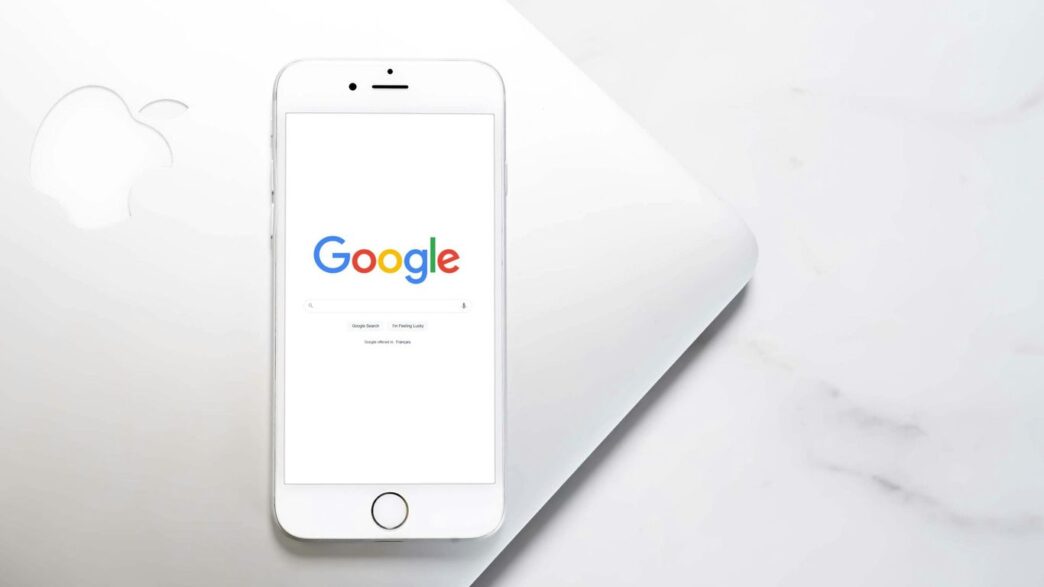
Well, this is big news. Apple and Google, two companies that usually keep to themselves, are teaming up on AI. It looks like Siri is getting a major upgrade, and it’s going to use Google’s Gemini technology to do it. This partnership is a pretty significant move, and it’s going to change how we interact with our Apple devices. Let’s break down what this apple google ai partnership actually means.
Key Takeaways
- Apple and Google have announced a multi-year partnership where Apple’s upcoming AI features, including Siri, will use Google’s Gemini models.
- This collaboration aims to significantly improve Siri’s conversational abilities, contextual understanding, and personalization for users.
- Apple chose Gemini after evaluating various options, believing it provides the best foundation for their future AI developments and helps them stay competitive.
- Despite using Google’s technology, Apple assures users that privacy remains a top priority, with data processing continuing on-device and through Apple’s private cloud.
- The alliance has broad implications, potentially expanding Google’s reach and accelerating Apple’s AI advancements, while redefining how voice assistants work.
The Landmark Apple Google AI Partnership
A New Era for Siri and Apple Intelligence
This is pretty wild, right? Apple and Google, two companies that have been going head-to-head for ages, are teaming up. It’s a big deal, especially for anyone who uses an iPhone or other Apple gear. The main thing is that Google’s smart AI, called Gemini, is going to start powering some of Apple’s own AI features. Think of it like this: Apple is bringing in a top-tier engine to make their existing tech even better. This means Siri, the voice assistant we all know (and sometimes get frustrated with), is in for a major glow-up. We’re talking about a whole new level of smarts and helpfulness coming our way.
Google’s Gemini Models Powering Apple’s Future
So, what exactly is Gemini? It’s Google’s latest and greatest AI. It’s really good at understanding language, figuring out what you mean even if you don’t say it perfectly, and remembering what you’ve talked about before. Apple decided that instead of trying to build something exactly like it from scratch, they’d partner with Google to use Gemini. This partnership is set to last for several years, which tells you they’re serious about this. It’s a smart move, honestly. Why reinvent the wheel when someone else has already built a really, really good one? This means Apple can focus on making the user experience great, while Gemini handles the heavy AI lifting.
Multi-Year Collaboration Announced
This isn’t just a quick fix or a one-off project. Apple and Google have signed a deal that will keep them working together for the foreseeable future. This kind of long-term commitment shows they both see a lot of potential in this partnership. It’s not just about making Siri better today; it’s about building the foundation for future AI advancements across Apple’s entire product line. We can expect to see Gemini’s influence grow over time, making our devices more intuitive and helpful. It’s a significant shift, and it’s going to be interesting to watch how it all unfolds.
Transforming Siri with Gemini’s Capabilities
So, what does this partnership actually mean for Siri? It’s a pretty big deal, honestly. For years, Siri has felt a bit… well, basic. You ask it something, and it gives you a straightforward answer, or sometimes it just doesn’t get it at all. But with Google’s Gemini models stepping in, things are about to get a whole lot smarter.
Enhanced Conversational Understanding
The biggest change? Siri will actually sound and act more like a real conversation partner. Instead of just spitting out facts, it’ll grasp the nuances of what you’re saying. Think about asking Siri to plan a weekend trip. Before, you’d have to break it down into tiny steps. Now, Gemini’s advanced language skills mean Siri can probably handle a request like, "Plan a weekend getaway to the mountains for my anniversary next month, find a pet-friendly hotel, and book a table for two at a nice Italian restaurant." It’s about understanding the whole picture, not just individual words. This is a huge step up from just basic command recognition.
Improved Contextual Awareness
This is where things get really interesting. Gemini is known for its ability to keep track of what’s going on. So, if you’re talking to Siri about a recipe, and then you ask, "What about a vegetarian version?", it’ll know you’re still talking about the recipe. It won’t suddenly think you’re asking about vegetarianism in general. This kind of context tracking makes interactions feel much more natural and less like you’re talking to a machine that forgets everything you just said. It’s like having a conversation with someone who’s actually paying attention. This improved contextual awareness is a key part of the new Apple AI features.
Personalized User Experiences
Gemini’s capabilities also mean Siri can become way more personalized. It’ll learn your habits and preferences over time, not just from what you say directly, but from how you use your devices. This could mean Siri proactively suggesting things you might need, like reminding you to leave for an appointment based on current traffic, or even curating news summaries based on topics you frequently read about. It’s about Siri anticipating your needs rather than just reacting to your commands. This level of personalization aims to make your Apple devices feel more like true assistants, tailored specifically to you.
Strategic Rationale Behind the Alliance
So, why did Apple, a company that usually likes to keep things in-house, decide to team up with Google for AI? It’s a pretty big deal, honestly. For years, Apple built its own chips and software, aiming for total control. But the AI game is moving so fast, and Google’s Gemini models are just really, really good right now.
Why Apple Chose Gemini Over Alternatives
It seems like Apple looked around and realized that Gemini was the best option available for what they wanted to do with Siri and other features. Building something comparable from scratch would take ages and cost a fortune. Plus, Google has been pouring tons of money and brainpower into Gemini for a while now. Think of it like this: Apple needed a top-tier engine for its next-gen cars, and Gemini was the most powerful, ready-to-go engine on the market. They probably evaluated other options, but Gemini likely offered the best mix of performance, features, and a clear development roadmap. This partnership suggests Apple believes Gemini’s current capabilities and future potential are unmatched by competitors or their own internal efforts in the short to medium term.
Staying Competitive in the AI Race
Let’s be real, everyone is racing to get better at AI. If Apple had stuck to only its own development, it risked falling behind. Google, with Gemini, and OpenAI, with its models, are pushing the boundaries constantly. By partnering with Google, Apple gets access to cutting-edge AI without the massive upfront investment and development time. This lets them keep pace with rivals and offer users the kind of smart features people are starting to expect. It’s about staying relevant and not letting competitors define the future of digital assistants.
Leveraging External Expertise for Innovation
Sometimes, you just need to bring in the experts. Google has a massive team dedicated to AI research and development. They’ve got data centers and computing power that are hard to match. Apple is smart to tap into that. It’s not a sign of weakness; it’s a smart business move. They can focus on what they do best – designing great hardware and user interfaces – while letting Google handle the heavy lifting on the AI model side. This collaboration allows Apple to innovate faster and bring more advanced AI features to its devices sooner than if they tried to build it all themselves. It’s a way to get the best of both worlds.
Privacy and Security in the New Partnership
When Apple teams up with Google on something as big as AI, the first thing a lot of people wonder about is privacy. It’s a big deal for Apple, right? They’ve always made a point of keeping user data safe. So, how does bringing Google’s Gemini models into the mix change things?
Apple’s Steadfast Commitment to User Data
Apple is really pushing the idea that this partnership won’t change their core privacy principles. They’re saying that all the heavy AI lifting, the stuff that needs to understand your voice and your requests, will happen right on your device or within Apple’s own secure cloud systems. This means your personal information isn’t just being sent off to Google’s servers without a second thought. It’s a way to get the benefits of advanced AI without giving up control over your data. It’s like getting a super-smart assistant without having to invite a stranger into your house to listen to everything you say.
On-Device and Private Cloud Compute Integration
So, how does this actually work? Well, Apple is planning to do most of the processing locally. Think about it: your iPhone or Mac is pretty powerful these days. For tasks that can be handled on the device itself, they will be. This keeps your data from ever leaving your control. For things that are too complex for your device alone, Apple has something called Private Cloud Compute. This is a system designed to handle sensitive data securely in the cloud, with Apple maintaining strict control over it. It’s a bit like having a secure vault for your data when it needs to go outside your device for processing. This approach is key to Apple’s integration of Google’s Gemini AI and their promise of privacy.
Balancing Advanced AI with User Trust
Ultimately, this is all about trust. Apple knows that users hand over a lot of personal information to their devices. They need to show that integrating Gemini doesn’t mean that trust is broken. Here’s a quick look at how they’re trying to balance things:
- Local Processing First: Prioritizing on-device computation whenever possible.
- Secure Cloud for Complex Tasks: Using their Private Cloud Compute for tasks that require more power, with strict privacy controls.
- User Control: Giving users options to manage their data and privacy settings related to AI features.
It’s a tricky line to walk, but Apple seems determined to prove that you can have cutting-edge AI without sacrificing your privacy. They’re betting that this careful approach will keep users feeling secure.
Implications for the Tech Landscape
Google’s Expanded Influence
This partnership is a pretty big deal for Google. By getting its Gemini models integrated into Apple’s massive user base, Google is basically getting a huge boost in reach. Think about it: billions of iPhones and iPads will now have Google’s AI tech powering features. This isn’t just about selling a service; it’s about planting Google’s flag firmly in the mobile AI space, right alongside Apple’s own ecosystem. It’s a smart move for them, extending their influence beyond just Android devices and Chrome. This could really change how people interact with their phones, and Google is right there at the center of it. It also shows how much faith Google has in its Gemini AI models, betting big on their continued development and superiority.
Apple’s Accelerated AI Development
For Apple, this deal means they can skip some of the really tough, early-stage AI development hurdles. Building cutting-edge AI models from scratch is incredibly expensive and takes a ton of time. Apple has had some stumbles with its AI features lately, so partnering with Google’s Gemini is a way to get top-tier AI capabilities into their products much faster. It’s like they’re saying, "We’re really good at making hardware and user experiences, but let’s team up with the AI experts to make our software smarter, quicker." This allows Apple to focus on what they do best: creating polished products and integrating new tech smoothly. It’s a pragmatic approach to staying competitive in a field that moves at lightning speed.
Redefining Voice-Assisted Interfaces
What does this mean for you and me? Well, expect Siri to get a whole lot better. We’re talking about an assistant that understands you more naturally, remembers what you were talking about earlier, and can actually give you more personalized help. This partnership is likely to set a new standard for what we expect from voice assistants. It’s not just about setting timers anymore; it’s about having a genuinely helpful digital companion. This could lead to:
- More natural conversations: You won’t have to use specific commands.
- Better context awareness: Siri will know what you mean based on previous interactions.
- Proactive suggestions: Your device might anticipate what you need before you even ask.
This collaboration really highlights how companies are working together to push the boundaries of what’s possible with AI, and it’s exciting to see how it will change our daily tech interactions.
Future Outlook and User Impact
So, what does all this mean for us, the people actually using these devices? It’s not just about Siri getting smarter, though that’s a big part of it. This partnership is setting up a future where our digital assistants are way more helpful, and honestly, a lot less frustrating.
Seamless Integration Across Apple Ecosystem
Think about it: your iPhone, your iPad, your Mac, even your Apple Watch – they’re all going to start talking to each other and to Siri in a much more connected way. The Gemini models are designed to understand context across different apps and services. So, you might ask Siri to find a document you were working on yesterday, and it won’t just search your files; it’ll know which document you probably mean based on your recent activity. This kind of cross-device intelligence is what we’ve been waiting for.
- Siri will understand follow-up questions better. No more starting from scratch every time.
- Tasks will flow more smoothly between devices. Start something on your phone, finish it on your laptop, with Siri helping along the way.
- Personalized shortcuts will become more intuitive. Siri will suggest actions based on what it learns about your habits across all your Apple gear.
Anticipating User Needs with Advanced AI
This is where things get really interesting. Instead of just reacting to commands, the AI powering Siri will start to anticipate what you might need next. Imagine your calendar reminding you not just about a meeting, but also suggesting the best route to get there based on current traffic, or pulling up relevant documents before you even ask. It’s about moving from a tool that responds to a partner that assists proactively.
The Evolution of Digital Assistance
We’re moving past the clunky voice commands of the past. The integration of Gemini means Siri will handle more complex requests, understand nuances in language, and even generate creative text formats. This isn’t just an upgrade; it’s a fundamental shift in how we interact with technology. The goal is to make technology feel less like a tool you operate and more like an extension of your own capabilities. It’s a big promise, and seeing how Apple and Google work together to deliver on it will be fascinating to watch over the next few years.
Looking Ahead
So, this whole Apple and Google team-up is pretty big news. It looks like Siri is getting a serious brain boost thanks to Google’s Gemini. While it’s cool to think about a smarter assistant, some folks are a little worried about Apple leaning on Google so much. But Apple says they’re keeping privacy front and center, which is good to hear. It’s definitely a new chapter for how our devices might work, and we’ll see how it all shakes out when the updates roll in later this year. It’s a move that shows Apple is really trying to keep up in the fast-paced AI world, even if it means working with a long-time rival.
Frequently Asked Questions
What is this new partnership between Apple and Google about?
Apple and Google are teaming up to make Siri and other Apple AI features much smarter. Apple will use Google’s advanced AI technology, called Gemini, to help Siri understand you better and give you more helpful answers. Think of it like Apple borrowing some super-smart brainpower from Google to make its own tools work better.
How will this change Siri?
Siri is going to get a big upgrade! It will be able to understand what you’re saying much more clearly, even if you don’t speak perfectly. It will also remember what you were talking about before, so your conversations will feel more natural. Plus, it will learn what you like and how you use your devices to give you more personalized help.
Why did Apple choose Google’s Gemini instead of making its own AI?
Apple looked at different options and decided that Google’s Gemini technology was the best starting point to make its own AI even better. Building super-advanced AI takes a lot of time and resources. By using Gemini, Apple can bring these cool new features to you faster and stay competitive with other tech companies.
Is my personal information safe with this new partnership?
Yes, Apple says it’s still very serious about keeping your information private. Even though they are using Google’s AI technology, the actual processing of your requests will happen on your Apple device or in Apple’s secure cloud. This means your personal data should stay protected.
What does this mean for other tech companies?
This partnership is a big deal! It shows that even big rivals like Apple and Google can work together. It also means Google’s AI technology will be used on billions of Apple devices, which is a huge win for Google. For everyone else, it sets a new standard for what we can expect from voice assistants and smart technology.
When will I see these changes on my Apple devices?
You can expect to start seeing these improvements with the next big software updates for iPhones and other Apple devices, likely sometime in 2026. Apple is planning to roll out these upgrades gradually to make sure everything works smoothly.