
Applied Intuition: Powering Intelligence Across Industries
Applied Intuition isn’t just about one type of vehicle or one specific job. Think of them as the software brains for anything that moves and needs to be smart about it. They’re building the intelligence layer that lets machines operate safely and effectively, no matter where they are or what they’re doing.
Automotive’s Next Generation
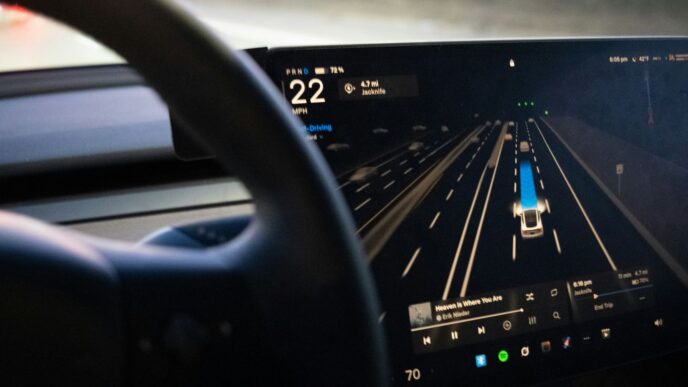
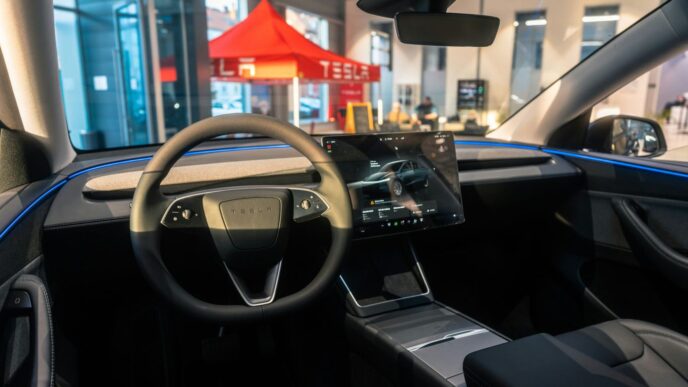
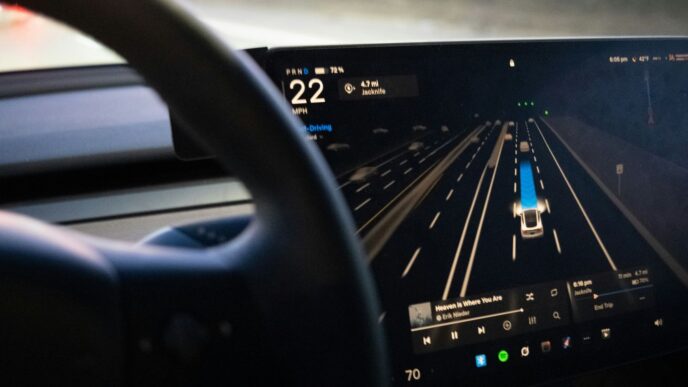
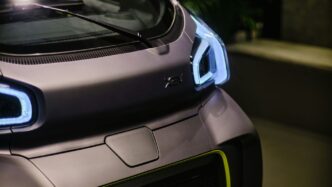
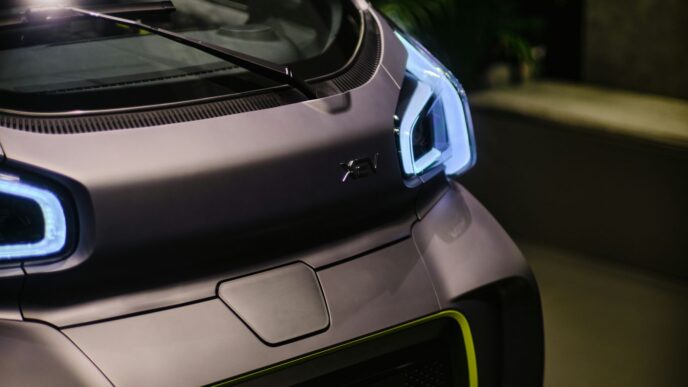
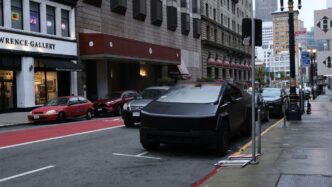
Cars today are way more than just metal and wheels. People expect their vehicles to do cool stuff, like update themselves and handle driving tasks. With almost 100 million new cars rolling off the line globally each year, and 18 of the top 20 car makers already working with Applied Intuition, it’s clear this is a huge area. They’re helping create vehicles that are not just transportation, but smart devices on wheels.
Transforming Commercial Trucking
Long-haul trucking is a tough business, and making it safer and more efficient is a big deal. Applied Intuition is teaming up with major players like TRATON and Isuzu to bring autonomous technology to commercial trucks. This isn’t just about convenience; it’s about improving safety on our roads and making logistics smoother.
Advancing Defense Autonomy
In the defense world, things are changing fast. Applied Intuition is taking its commercial tech and adapting it for military use. This means smarter autonomous systems for land vehicles, aircraft, and ships. They’re even expanding into collaborative autonomy, where different machines can work together, which is a pretty big step forward for defense operations.
Intelligence for Construction and Mining
Operating heavy machinery in construction and mining is dangerous and complex work. Applied Intuition’s technology is being put to use on various types of vehicles in these industries. The goal is to make these operations safer and more productive by adding a layer of smart automation to the equipment.
The Evolution of Applied Intuition’s Platform
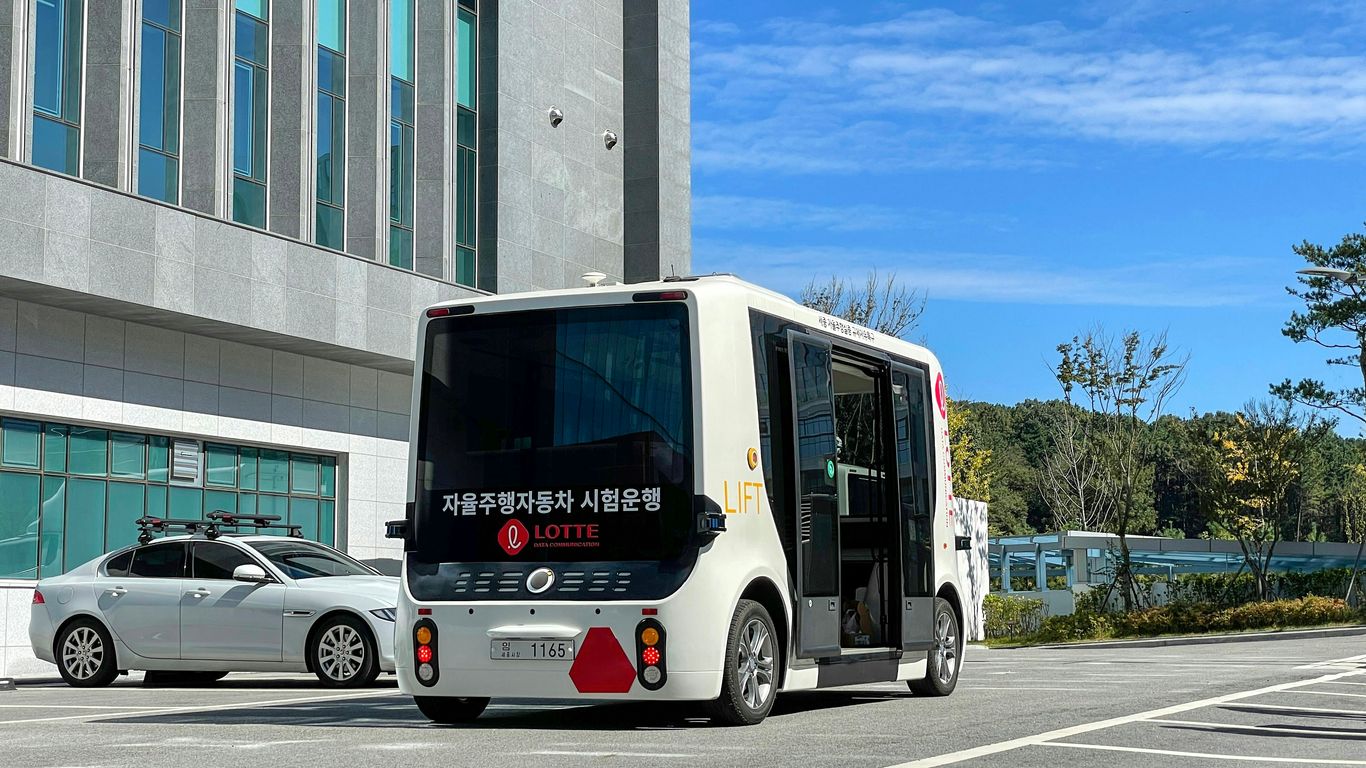
Applied Intuition didn’t just pop up with a finished product; it’s been a journey, building out a whole system for making machines smarter. It started with simulation tools, which are super important for testing out self-driving tech without actually crashing cars. But they realized that wasn’t enough. You need more than just a way to test; you need the whole package to build and run these intelligent systems.
From Simulation to Full-Stack Solutions
Think of it like building a house. You start with a blueprint and maybe a virtual model (that’s the simulation part). But to actually live in the house, you need the foundation, the walls, the plumbing, the electricity – the whole infrastructure. Applied Intuition has moved from just offering those blueprints to providing the entire construction crew and all the building materials. They’ve built out a platform that covers everything from the initial testing and development to the actual software that runs on the vehicle, and even how you update it over time. This full-stack approach means companies can go from an idea to a deployed intelligent machine much faster.
Accelerating Development with New Features
It’s not like they built this platform and then just sat back. They’re constantly adding new stuff. We’re talking about over a thousand new features every three months. That’s a lot. This rapid pace means the tools get better and better, helping developers iron out bugs, test new ideas, and generally speed up how quickly they can get new autonomous features out the door. It’s about making the whole process smoother and more efficient, so you’re not stuck waiting around for the next big software update.
Enabling Natural Vehicle Interaction
One of the cool new directions they’ve taken is making it easier for people to talk to their cars, or whatever machine they’re using. They’ve introduced ways to interact with vehicle intelligence using just your voice, in real-time. This is a big deal because, let’s be honest, fiddling with screens while you’re trying to drive or operate complex machinery is not ideal. Voice commands are becoming the go-to way people want to use smart technology, and Applied Intuition is building that capability right into their platform. It makes the whole experience feel more natural and less like you’re wrestling with a computer.
Core Technologies Driving Applied Intuition
Applied Intuition isn’t just about building cool software; it’s about the nuts and bolts that make intelligent machines actually work. They’ve developed some pretty neat tech to make sure these systems are safe, reliable, and can be tested thoroughly without needing to drive a million miles in the real world.
Neural Sim for Robust SDS Evaluation
Think about testing self-driving systems. You can’t just take a car out and hope for the best. Neural Sim is their way of taking real-world driving data – like sensor feeds and vehicle movements – and turning it into detailed 3D virtual environments. This lets them replay scenarios, find tricky edge cases that are rare in normal driving, and really stress-test the self-driving software. It’s like having an infinite test track where you can recreate any situation imaginable. This significantly cuts down on the need for expensive and time-consuming physical road testing.
Deterministic Execution in ADAS Middleware
When you’re dealing with Advanced Driver-Assistance Systems (ADAS) or full self-driving, predictability is key. You need the system to react the same way every single time under the same conditions. Applied Intuition’s approach to ADAS middleware focuses on deterministic execution. This means the software behaves in a predictable, repeatable manner. It’s built on a foundation that allows for precise control and understanding of how the system will respond, which is vital for safety-critical functions. They’ve put a lot of work into making sure the software stack is solid and doesn’t have unexpected quirks.
High-Fidelity Vehicle Models for Development
To simulate something accurately, you need a really good digital copy of the thing you’re simulating. Applied Intuition creates highly detailed models of vehicles. These aren’t just basic shapes; they include things like the vehicle’s physical properties, how its sensors work, and even how its different systems interact. Having these high-fidelity models means that the simulations are much closer to reality. This allows engineers to:
- Test new software features in a realistic environment.
- Understand how hardware and software changes will affect performance.
- Develop and refine control algorithms with confidence.
- Identify potential issues before they ever reach a physical prototype.
Securing the Future of Autonomous Systems
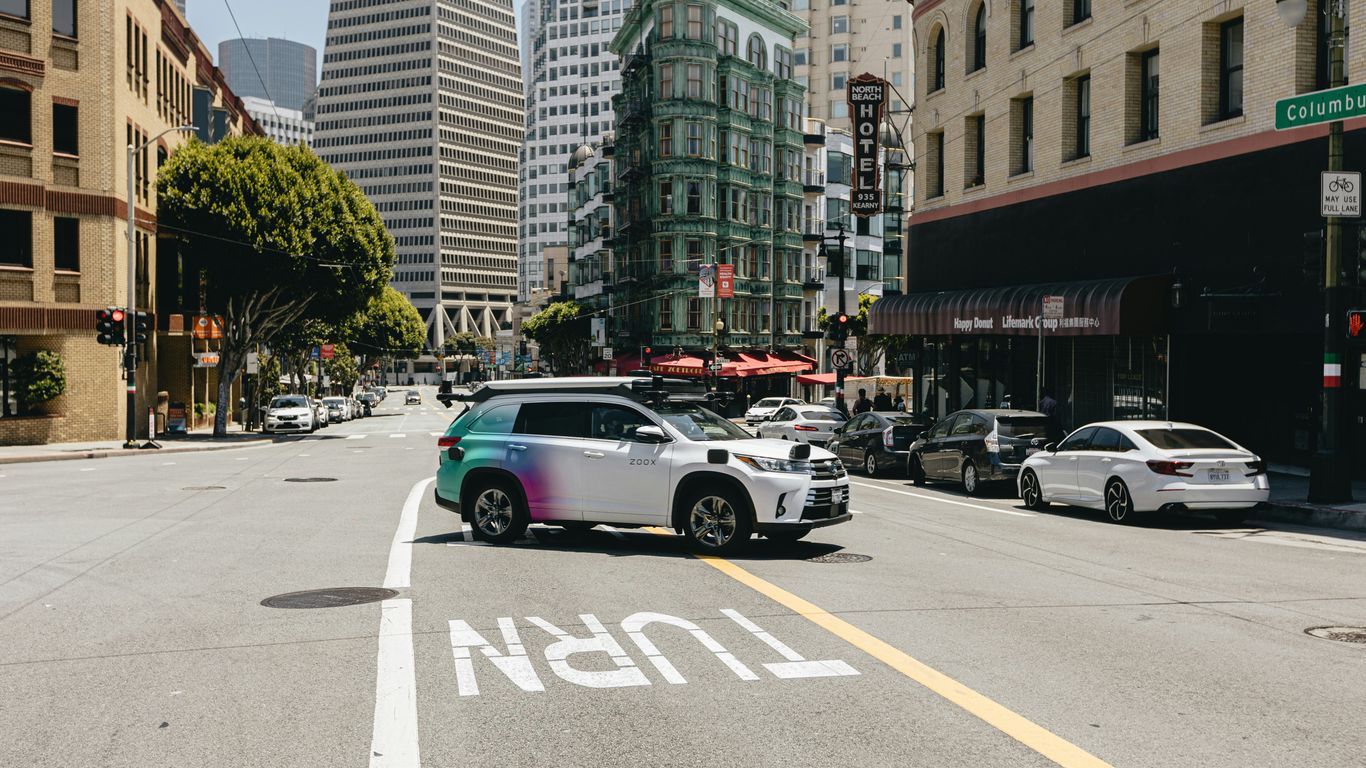
When we talk about self-driving cars or any autonomous system, the first thing that usually comes to mind is how they work. But what about keeping them safe from bad actors? It’s a huge deal, especially with how much software is running these days. Applied Intuition is putting a lot of effort into making sure these systems are secure, not just functional.
ISO/SAE 21434 for Automotive Cybersecurity
This standard, ISO/SAE 21434, is basically a rulebook for cybersecurity in cars. Think of it like building a house – you need to make sure the doors lock and the windows are secure. For vehicles, it means thinking about security from the very start of the design process, not just tacking it on later. Applied Intuition uses this standard to build security into their platforms. This helps car makers and their suppliers get their new tech out faster because they know it meets the security requirements.
Protecting Against Evolving Cyber Threats
Cyber threats are always changing, kind of like how new viruses pop up. What was secure yesterday might not be secure tomorrow. For autonomous systems, this is especially tricky. A hacked self-driving car isn’t just a data breach; it’s a safety risk on the road. Applied Intuition works on this by:
- Constantly updating their security measures to keep pace with new threats.
- Testing their systems rigorously to find weak spots before anyone else does.
- Building systems that can detect and respond to suspicious activity in real-time.
It’s a continuous battle, but one that’s absolutely necessary to build trust in these advanced technologies. They’re not just building smart machines; they’re building safe and secure ones.
Collaborative Autonomy and Future Fleets
Software Challenges for Hybrid Fleets
Getting different kinds of autonomous systems to work together, especially when some are crewed and some aren’t, is a big puzzle. Think about a fleet of trucks where some have drivers and others don’t, all trying to deliver goods efficiently. The software needs to handle all sorts of situations, from coordinating routes to managing unexpected events, without missing a beat. It’s not just about making one vehicle smart; it’s about making a whole group of them act like a well-oiled machine. This means the software has to be really good at communicating, adapting on the fly, and making sure everyone stays safe.
Enabling Crewed-Uncrewed Teaming
Imagine a future where fighter jets fly with robotic wingmen, or ships have autonomous escorts. This isn’t science fiction anymore; it’s becoming a reality. The key is creating systems where human pilots or captains can easily direct and work alongside their uncrewed counterparts. This human-machine partnership is where the real power lies, extending our reach and capabilities significantly. It requires intuitive interfaces that let humans convey their intent without getting bogged down in technical details, and autonomous systems that can understand and act on those commands reliably, even in chaotic environments. It’s all about building trust between humans and machines.
Advancing Digital Mission Spaces
Before sending any fleet, crewed or uncrewed, into a real-world situation, it’s smart to test it out virtually. Digital mission spaces are like incredibly detailed video game environments, but for serious training and testing. They allow teams to plan missions, practice complex maneuvers, and see how their autonomous systems perform under pressure. This is especially important for hybrid fleets where you need to understand how different types of vehicles will interact. By simulating everything from weather conditions to potential threats, we can iron out the kinks and build confidence before any physical assets are deployed. It’s a way to get a lot of practice without a lot of risk.
Applied Intuition’s Vision and Impact
Building Physical AI from Sea to Space
Applied Intuition isn’t just about cars or trucks; they’re building the brains for anything that moves, anywhere. Think bigger – way bigger. We’re talking about robots that can help in surgery, drones that can survey land, and even machines that can operate in space. They see a future where intelligent systems are everywhere, from the ocean floor to the skies above.
Their mission is to speed up how the world adopts machines that are both safe and smart. It’s a huge goal, and they’re tackling it by creating the digital backbone these machines need to function. This isn’t just about software; it’s about creating a whole new way for machines to understand and interact with the physical world.
A Mission-Driven Team and Culture
What really makes Applied Intuition tick? It’s the people. The folks there are driven by a clear purpose. The founders, Qasar Younis and Peter Ludwig, came from places like Google and General Motors, seeing firsthand how current systems fell short. They wanted to build something better, from the ground up.
They’ve built a company culture that’s all about getting things done, but doing them right. Here are a few of their guiding principles:
- Move fast, but always safe.
- Never let a customer down.
- Keep raising the bar on quality.
- Get a lot done.
- Become masters of the technology.
- Be responsible for your own work.
- Keep an eye on costs.
- Laugh a lot.
- Leave things better than you found them.
- Follow up on your tasks.
It sounds like a place where smart people are working hard on something important, and they actually enjoy it. That kind of energy is hard to beat.
Strategic Partnerships for Innovation
Applied Intuition knows they can’t do it all alone. They’re teaming up with other leaders in different fields. For example, they’re working with defense companies to get advanced autonomous systems into the hands of soldiers faster. This means combining Applied Intuition’s smart software with the defense industry’s know-how to create ready-to-use solutions.
They’re also working with major automakers, construction firms, and trucking companies. These partnerships are key to testing and improving their technology in real-world scenarios. By collaborating, they can make sure their systems are not only advanced but also practical and reliable across many different industries. It’s all about building trust and proving that these intelligent machines can handle tough jobs safely and effectively.
The Road Ahead
So, what does all this mean for the future? Applied Intuition is really building the brains for anything that moves, from cars and trucks to planes and even robots. They’ve gone from just testing things out to creating a whole system that lets companies build and update smart machines faster and cheaper. It’s pretty wild to think about how quickly this is all happening, with new features coming out all the time. They’re not just sticking to one area either; they’re working with car makers, the military, and even construction companies. It feels like we’re just at the start of this new wave of intelligent machines, and Applied Intuition seems to be right at the center of it all, making sure these systems can actually work safely and effectively in the real world.