
So, Paris recently hosted this big event, the Artificial Intelligence Action Summit Paris. It was a pretty important meeting, bringing together a lot of different people from around the world to talk about AI. You know, how it’s changing everything and what we should do about it. It felt like a moment where decisions were being made that will shape how AI works for all of us, and not just for a few.
Key Takeaways
- The artificial intelligence action summit paris brought leaders together to talk about AI’s impact on the world and how to make sure it’s used for good.
- France wants to be a big player in AI, with big investment plans announced for research and infrastructure.
- There are different ideas about how to manage AI, with the EU taking a rule-focused approach and the US having a different plan.
- Making sure developing countries aren’t left behind in AI is a big deal, with talks about bridging the digital gap and building up their tech skills.
- The summit highlighted the need to watch out for AI problems like bias and fake news, and to make sure AI systems are open and honest about how they work.
The Artificial Intelligence Action Summit Paris: A Global Forum
Defining the Artificial Intelligence Action Summit
So, Paris recently hosted this big AI meeting, right? It was called the Artificial Intelligence Action Summit, and it happened around February 10th and 11th, 2025. Think of it as a major get-together for folks from all over the world who are thinking hard about artificial intelligence. It wasn’t just a talk shop; the idea was to actually figure out how we can make AI work for everyone, not just a few. With AI popping up everywhere, from how we work to how we live, having a place to discuss the good and the bad, the ethical stuff and the economic impact, felt pretty necessary. This summit was a chance to get ahead of the curve on AI’s future.
A Critical Juncture for AI Governance
We’re at a point where AI is changing things fast. It’s exciting, sure, with new possibilities in medicine and education. But it also brings up some tricky questions. How do we make sure AI doesn’t make inequality worse? What about all the fake information out there? The summit was held because these issues can’t wait. It was a moment to really think about the rules and guidelines – the governance – for AI. Getting this right now means we can steer AI in a direction that helps more people, especially those who might get left behind.
Key Participants and Objectives
Who showed up? A pretty diverse crowd. You had government leaders, people from big tech companies, academics who study AI, and representatives from different communities. The goal was to get everyone talking and, more importantly, agreeing on some common ground. They wanted to figure out how to make AI development fair and inclusive. This meant looking at how to share the benefits of AI more widely and how to deal with the risks. It was about setting a path forward, not just for France, but for the whole world.
Shaping Global AI Policy and Investment
This summit really put a spotlight on how different countries and regions are thinking about AI, especially when it comes to money and rules. France, for instance, is really pushing to be a big player in AI. They announced a huge amount of private money, over €100 billion, to get their AI research and infrastructure going. A good chunk of that is coming from the UAE, which is putting in billions for a massive data center. The idea is to give Europe more power for training big AI models.
It’s interesting to see how this compares to what’s happening elsewhere. The European Union has its own AI Act, which is pretty strict. They’re trying to set up rules about safety, being open, and making sure people are in charge before AI gets too deep into everything. It’s a very careful approach.
Meanwhile, the United States has had some shifts in its AI policy. There was an executive order focused on safety and making AI trustworthy, but that got changed. The new direction seems to be about removing roadblocks to American AI leadership, aiming to boost the economy and national security. It’s a different vibe, for sure.
Even within countries, things are varied. Some US states, like California, are putting in place their own specific rules for AI safety. Others are more focused on just encouraging companies to invest and build new things.
And then there’s China, which has its own way of managing AI. They’re controlling things with regulations but also pushing for industry growth. Their model is quite different from both the US and Europe, but it shows that everyone is trying to figure out the best way forward.
Here’s a quick look at some of the investment figures mentioned:
| Source | Commitment | Focus |
|---|---|---|
| France (Private Sector) | €109 Billion | AI Research & Infrastructure |
| UAE | €30-€50 Billion | 1GW Data Centre for AI Training |
| EU (Total) | €200 Billion | AI-Related Opportunities & Gigafactories |
It’s clear that a lot of money is flowing into AI, and everyone’s trying to get ahead. But with all this investment, the big question remains: how do we make sure it’s done responsibly and benefits everyone? That’s what a lot of these discussions are trying to figure out.
Navigating Diverse AI Governance Approaches
It’s pretty clear that when it comes to AI, different countries and even different states are taking their own paths. This isn’t a one-size-fits-all situation, and the Paris Summit really highlighted these differences.
Contrasting US and European AI Strategies
Over in Europe, they’ve been pretty proactive with the EU AI Act. Think of it as a rulebook designed to keep AI safe, transparent, and under human watch. They’re trying to get ahead of potential problems before AI gets too deeply woven into everything. On the flip side, the US approach has seen some shifts. While there was an executive order focusing on AI safety and setting standards, a more recent one aims to "sustain and enhance America’s global AI dominance." It’s a different vibe, focusing more on leadership and competitiveness.
China’s Distinctive AI Governance Model
China is also charting its own course. They’re mixing government oversight with efforts to grow their AI industry. Their way of doing things is definitely not the same as what we see in the US or Europe. But, as China plays a bigger role in global AI talks, it’s becoming more obvious that everyone needs to work together on basic AI safety rules.
State-Level AI Safety Requirements
Even within countries, approaches vary. Some US states, like California and Colorado, are putting in place stricter rules for AI safety. Others, such as New Jersey, are more focused on encouraging investment and new ideas in AI. This patchwork of regulations shows just how complex it is to manage AI development across different regions.
International Cooperation and Inclusivity in AI
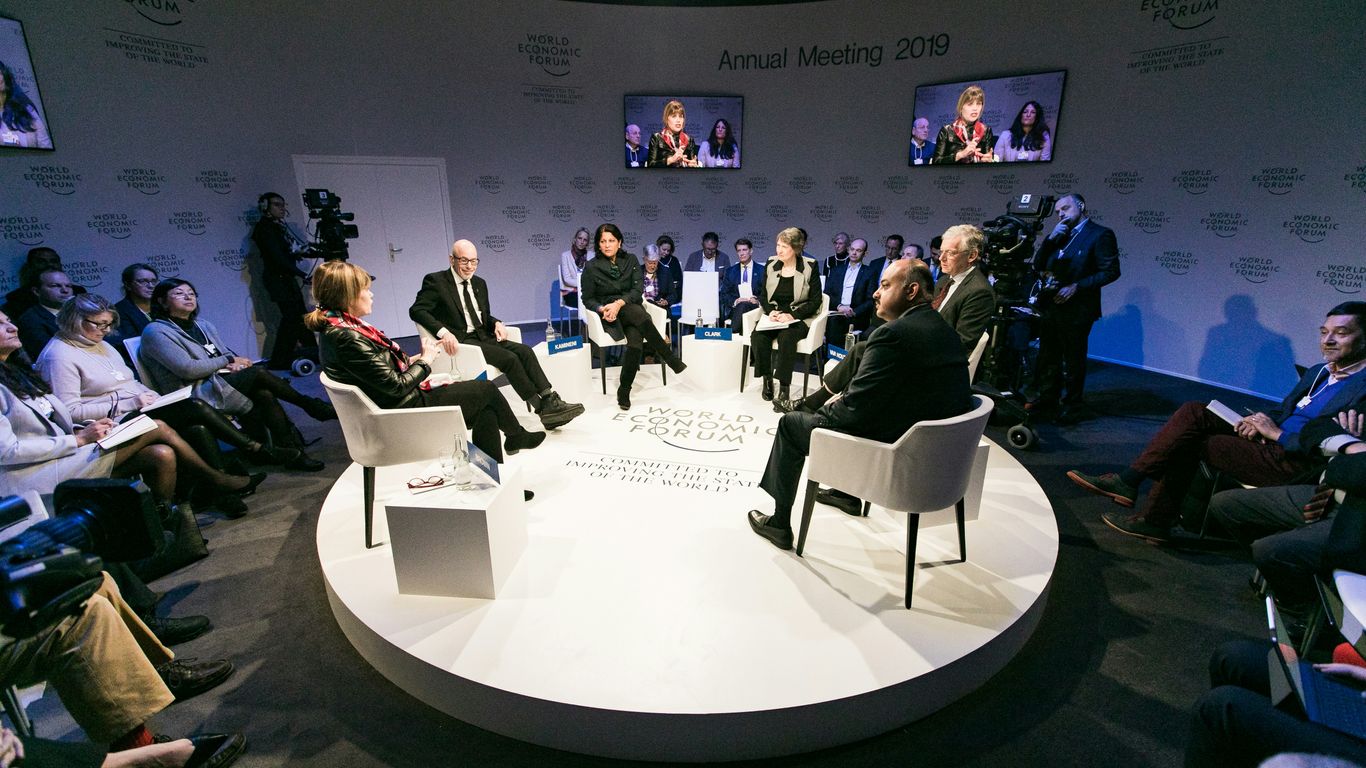
It’s pretty clear that AI isn’t just a local issue anymore. What happens in one country can really affect others, so getting everyone on the same page is a big deal. The Artificial Intelligence Action Summit in Paris really hammered this home, pushing for ways to work together and make sure AI benefits everyone, not just a select few. This means thinking about how we can all share in the opportunities AI brings, especially for countries that might be a bit behind on the tech curve.
Bridging the Digital Divide
One of the main points discussed was how to help developing nations catch up. It’s not just about sending them the latest gadgets. We’re talking about building the actual infrastructure needed to use AI effectively. This includes things like:
- Setting up reliable internet access.
- Training people to develop and manage AI systems.
- Creating local tech hubs where innovation can happen.
It’s about making sure everyone has a fair shot at using AI for good, whether that’s improving healthcare, education, or creating new jobs. We need to avoid a situation where AI just makes the gap between rich and poor countries even wider.
The Role of the United Nations in AI Solidarity
The United Nations is stepping up to be a central place for these global talks. They’re working on things like the Pact for the Future and the Global Digital Compact, which are basically roadmaps for how countries can cooperate on AI. It’s a place where all nations, big or small, can have a say in how AI is developed and used. This kind of solidarity is important because AI doesn’t respect borders. The UN provides an inclusive forum for cooperation, complementing existing efforts from groups like the OECD and G7. It’s all about making sure AI is developed with human rights in mind and doesn’t get misused. Global cooperation on AI is key to this.
Capacity Building for Developing Nations
Building AI capacity in developing countries is more than just a nice idea; it’s becoming an economic necessity. It requires a coordinated effort to build sustainable digital infrastructure on a large scale. Think about training workforces not just to use AI, but to actually create and maintain it. This helps nations become active players in the AI revolution, not just passive consumers. Initiatives like the AI Foundation for Public Interest are a step in the right direction, aiming to invest in open-source, people-first technologies. The goal is to make AI a force for good, helping all of humanity move forward together.
Addressing AI Risks and Ethical Considerations
The International AI Safety Report Findings
So, the big AI Safety Summit in Paris happened, and before it even kicked off, a bunch of experts and leaders put out this International AI Safety Report. It’s a pretty thorough look at what AI can do, both good and bad. The report basically says AI is going to change a lot of things, from how we do business to how we get healthcare. But, and this is a big ‘but’, it also points out that we really need to get a handle on the risks. Things like AI making biased decisions, spreading fake news, or just not working right are serious concerns. The report really hammers home the idea that we need to work together globally because AI doesn’t care about borders. It’s a call for governments, companies, and researchers to be upfront about how AI works and to build it in a way that people can trust. It’s all about making sure this powerful technology is used responsibly. For a deeper dive into the safety discussions, you can check out the Bletchley Declaration.
Mitigating Bias and Misinformation
One of the major headaches with AI is bias. AI systems learn from the data we feed them, and if that data has existing societal biases, the AI will just pick them up and run with them. This can lead to unfair outcomes, especially for certain groups. Think about AI used in hiring or loan applications – if it’s biased, it could unfairly disadvantage people. Then there’s misinformation. AI can be used to create convincing fake text, images, and videos, making it harder to tell what’s real. This is a huge problem for everything from elections to public trust. The summit talked a lot about ways to fight this:
- Developing better methods to detect and correct bias in AI training data.
- Creating tools to identify AI-generated content, like deepfakes.
- Educating the public on how to spot misinformation.
Ensuring Transparency and Accountability
This is where things get a bit tricky. When an AI makes a mistake, who’s to blame? Is it the developers, the company that deployed it, or the AI itself? The report and the discussions at the summit stressed that we need clear lines of accountability. This means making AI systems more transparent, so we can understand how they arrive at their decisions. It’s not always easy, especially with complex AI models. But without transparency, it’s hard to build trust. We also need mechanisms for people to seek recourse if an AI system causes them harm. It’s about making sure that as AI becomes more integrated into our lives, we have ways to hold it, and the people behind it, responsible for their actions. The goal is to have AI that benefits everyone, and that means being clear about how it works and who is responsible when things go wrong.
Key Outcomes and Future Directions
The Statement on Inclusive and Sustainable AI
The Artificial Intelligence Action Summit in Paris wrapped up with a significant agreement: the "Statement on Inclusive and Sustainable Artificial Intelligence for People and the Planet." This document isn’t just a collection of nice-sounding words; it’s a roadmap. It really hammered home the idea that AI development needs to benefit everyone, not just a select few, and that we need to think about the planet too. That means looking at how AI uses energy and making sure it’s developed in a way that doesn’t harm the environment. The core message is that AI should be a tool for good, helping us solve big problems while being mindful of our impact.
Industry Initiatives for AI Safety
It wasn’t just governments talking. A lot of the big players in the tech world also stepped up. Several industry groups announced new projects aimed at making AI safer. Think of it like this:
- Developing better ways to test AI systems before they’re released.
- Creating clearer guidelines for how companies should handle AI data.
- Setting up programs to share information about potential AI risks.
These initiatives are important because, let’s be honest, the companies building AI have a huge role to play. They’re the ones with the technical know-how, and they need to be on board with safety measures. It’s a good sign that they’re taking this seriously.
The Path Forward for AI Policy Implementation
So, what happens now? The summit was a big step, but the real work is just beginning. The next few months will be about turning all these discussions into actual policies and actions. We’ll likely see more countries getting on the same page about AI standards. There’s also a push to make AI regulations clearer, which should help businesses and researchers know where they stand. The United Nations is setting up a Global Dialogue on AI Governance, which sounds like a good way to make sure everyone, especially developing nations, gets a say in how AI is shaped. It’s a complex puzzle, and getting it right will take time and a lot of cooperation. The next big AI summit is already planned for India, showing that this conversation is far from over.
Looking Ahead: The Path Forward for AI Policy
So, the AI Action Summit in Paris wrapped up, and it feels like a big step, but also just the beginning. Lots of talk about making AI work for everyone, not just a few big players, and keeping things safe. Countries are still figuring out their own rules, and it’s clear everyone has a slightly different idea of how to get there. We saw some big money pledged for AI development, which is exciting, but the real work is making sure that progress doesn’t leave people behind. The next big question is how all these plans turn into actual action. Will countries really work together, or will we see more divides? It’s a lot to keep an eye on, but the conversations started in Paris are definitely important for where AI is headed next.
Frequently Asked Questions
What was the main goal of the AI Action Summit in Paris?
The summit was like a big meeting where important people from different countries and companies got together. They talked about how to make sure artificial intelligence (AI) is used in a good way for everyone. They wanted to figure out how to make AI help people and not cause problems, like making things unfair or spreading fake news.
Who was at the AI Action Summit?
Leaders from governments, big companies, universities, and groups that help people were all invited. It was a mix of people who have a lot of influence and want to shape how AI is used around the world.
What did France hope to achieve at the Summit?
France wanted to show that it can be a leader in AI. They announced plans to get a lot of money from companies to build better AI technology and research. It was like saying, ‘We want to be a go-to place for AI development in Europe.’
How is Europe trying to control AI?
Europe has a plan called the EU AI Act. It’s like a rulebook that sets strict guidelines for AI. The goal is to make sure AI is safe, that people know how it works, and that humans are in charge. They want to prevent problems before they happen.
Why is it important for developing countries to be involved in AI discussions?
Right now, some countries have a lot of AI technology, but many others don’t. This can make the gap between rich and poor countries even bigger. The UN wants to make sure AI helps everyone, not just a few, and that developing countries can also benefit and participate in the AI revolution.
What are some of the main worries about AI that were discussed?
People are concerned about AI making mistakes, like being unfair to certain groups of people (bias), or spreading false information. There are also worries about very powerful AI systems that we might not be able to control. The summit focused on finding ways to make AI safe, honest, and fair for everyone.