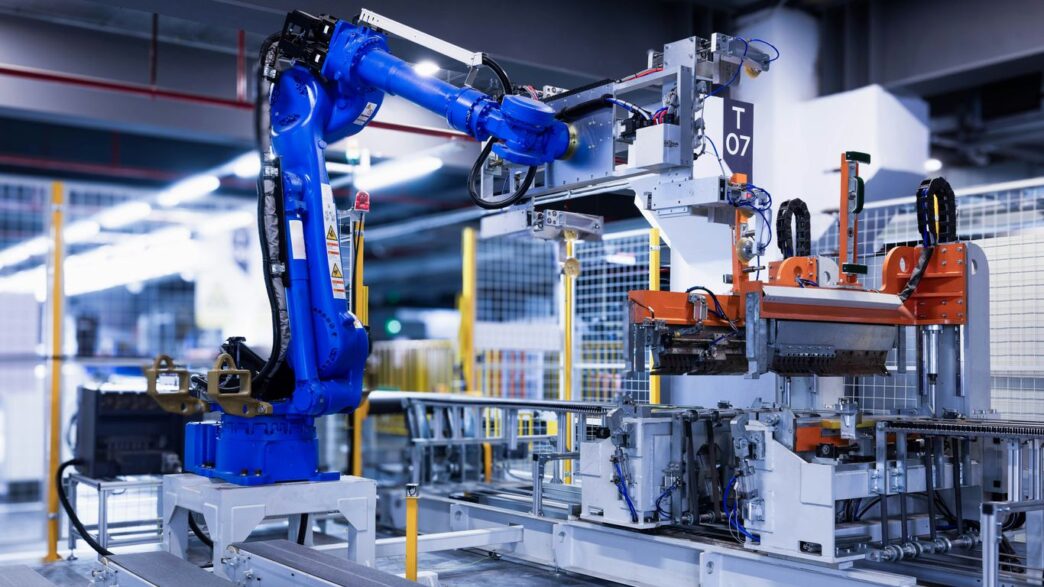
Pioneering Autonomous Solutions With ASI Robots
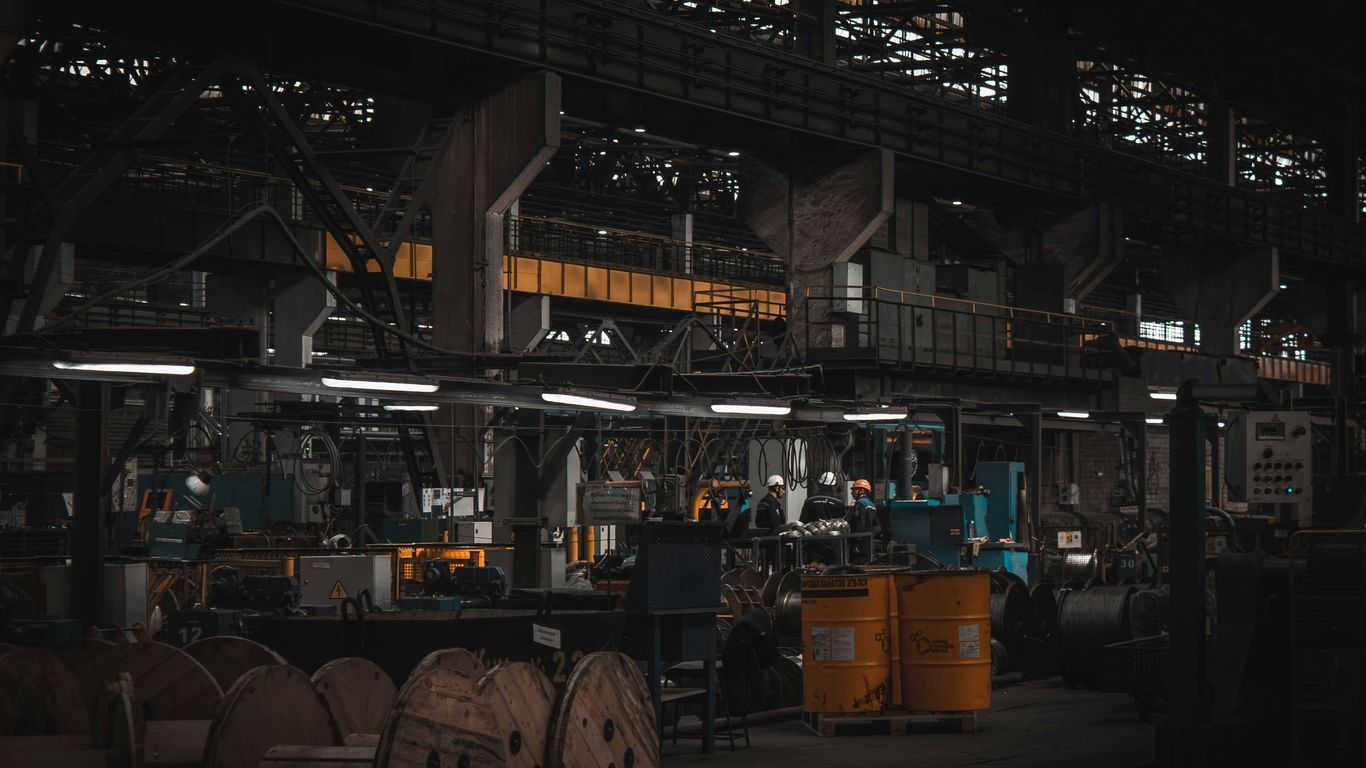
ASI Robots has been around for a while, about 25 years now, and they’ve used that time to build up a solid technology base. It’s not just about making robots; it’s about making them work in the real world, across different industries. They focus on taking existing vehicles, whether they’re big mining trucks or farm tractors, and making them drive themselves. This approach means they can get new products out there pretty quickly.
Transforming Industries Through Automation
Think about jobs that are, well, dirty, dull, or dangerous. ASI’s technology steps in to handle those tasks. They’re turning operations that used to be tough on people into something more efficient and reliable. It’s about making things productive without putting workers in harm’s way. This isn’t just a small tweak; it’s a big shift in how certain industries get their work done.
Scalable and OEM-Agnostic Solutions
One of the cool things ASI does is make their automation kits work on a lot of different vehicle models. It doesn’t matter who made the original vehicle; ASI’s system can often be fitted. This means a company doesn’t have to buy a whole new fleet of specialized autonomous machines. They can often convert what they already have. This makes the whole process more affordable and adaptable.
- Flexibility: Works with many different types of vehicles.
- Cost-Effectiveness: Reduces the need for entirely new equipment.
- Adaptability: Can be applied across various sectors like construction, farming, and logistics.
A Legacy of Innovation in Robotics
ASI started back in 2000, taking ideas from Utah State University and turning them into commercial products. They’ve grown a lot since then, becoming a significant player in the robotics field. Their experience means they’ve seen a lot and learned how to tackle complex automation challenges. This long history is baked into the technology and the way their team works. They’ve built a reputation for getting things done, even in tough environments.
The Technology Behind ASI Robots
So, what makes ASI robots tick? It’s not just magic, though sometimes it feels like it. The core of it all is some pretty smart tech that’s been in the making for a long time. We’re talking about systems that can see, understand, and act, all without a human driver.
Advanced AI and Machine Learning Models
At the heart of ASI’s autonomous systems are sophisticated artificial intelligence and machine learning models. These aren’t just simple programs; they’re designed to learn and adapt. Think of it like teaching a robot to recognize different objects or predict what might happen next on a busy construction site. The more data these models process, the better they get at making decisions in real-time. This allows the robots to handle unexpected situations, like a piece of equipment suddenly stopping or a person walking into their path, without missing a beat. It’s this continuous learning that makes the systems so reliable.
Vision-Language-Action Capabilities
One of the really neat things ASI has developed is the ability for robots to understand what they’re seeing and translate that into actions. This is often called Vision-Language-Action (VLA). Imagine a robot being able to ‘read’ a sign or understand a spoken command and then perform the correct task. This capability is a big step beyond just following pre-programmed routes. It means the robots can interact with their environment in a much more dynamic way. For example, a robot could be instructed to ‘move the red bucket over there,’ and it would understand what ‘red bucket’ means and where ‘over there’ is, then execute the task.
Brain-Inspired Hierarchical Control Systems
ASI also uses a control system that’s kind of inspired by how our own brains work. It’s a hierarchical system, meaning it has different levels of control, from big-picture planning down to the fine motor movements needed to operate a machine. This structure helps manage complex tasks efficiently. The higher levels of the system handle the overall goals, like planning a route across a large mine, while the lower levels manage the immediate actions, like steering or controlling the speed of the vehicle. This layered approach makes the robots capable of handling very complicated jobs and coordinating with many other machines at once, all while keeping things safe and efficient.
Applications of ASI Robots Across Sectors
ASI Robots aren’t just a cool idea; they’re actively changing how big industries get things done. Think about places where the work is tough, repetitive, or just plain dangerous. That’s where ASI’s tech really shines.
Revolutionizing Heavy Construction and Mining
These are industries that have always relied on heavy machinery and a lot of human operators. But let’s be honest, it’s a tough gig. Working in mines or on massive construction sites means dealing with dust, noise, and the risk of accidents. ASI’s autonomous systems can take over these jobs. They can convert existing vehicles, like haul trucks or excavators, into self-driving machines. This means fewer people are exposed to hazardous conditions. Imagine a fleet of autonomous haul trucks working 24/7 in a mine, moving materials without needing a driver. It’s not just about safety; it can also make projects that were too expensive or difficult before financially possible. Plus, ASI’s Mobius system lets one person manage a whole bunch of these machines, making sure they don’t bump into each other and keep working efficiently.
Enhancing Efficiency in Agriculture and Landscaping
Farming and landscaping might not seem as dangerous as mining, but they involve a lot of repetitive tasks over large areas. Think about planting, harvesting, or mowing vast fields. ASI robots can handle these jobs with precision and consistency. Autonomous tractors can till fields or spray crops at exactly the right time and with the right amount of product, reducing waste and improving yields. In landscaping, autonomous mowers can keep large areas like golf courses or parks perfectly manicured without constant human oversight. This frees up human workers to focus on more skilled tasks, like plant care or design, rather than just driving equipment around.
Optimizing Logistics and Warehousing Operations
In the world of moving goods, efficiency is everything. Warehouses and distribution centers are complex environments with constant movement of inventory. ASI’s technology can automate the movement of goods within these facilities. Autonomous forklifts or tuggers can shuttle pallets and materials around the clock, reducing bottlenecks and speeding up the entire process. This is especially helpful in large facilities where distances are significant. By taking over the more routine transport tasks, ASI robots allow human workers to concentrate on tasks that require more complex decision-making or interaction, like inventory management or customer service.
The ASI Robots Advantage
So, what makes ASI Robots stand out? It really comes down to a few key things that make a big difference in how work gets done.
Reducing Hazardous Conditions for Workers
Let’s be honest, some jobs are just plain dangerous. Think about working around heavy machinery in a mine or on a busy construction site. There’s always a risk of accidents, and nobody wants to see people get hurt. ASI’s robots take on these risky tasks, keeping human workers out of harm’s way. A robot doesn’t worry about getting a sprained back or a neck injury from repetitive motions or dangerous environments. This means fewer workplace injuries and a safer overall operation. It’s about using technology to protect people.
Enabling 24/7 Autonomous Operations
Imagine a worksite that never has to stop. With ASI’s Mobius system, that’s exactly what you get. This technology lets one person manage a whole fleet of vehicles, and the system makes sure they all work together without crashing into each other. This means operations can run around the clock, day and night, without breaks. This constant operation can make projects that seemed too expensive or complicated before actually become possible. It’s a huge boost for productivity and efficiency.
Facilitating Innovation in Complex Environments
ASI’s approach is pretty neat because they can take existing vehicles and make them autonomous. This means they aren’t just building robots from scratch; they’re upgrading the equipment you might already have. This flexibility is a big deal. It opens up new possibilities for innovation in tough places, whether it’s a sprawling farm, a busy warehouse, or a remote construction zone. If you can think of a way to use automation, ASI seems to have a way to make it happen, making complex jobs simpler and safer.
Collaborative Development and Future of ASI Robots
Synergies with Academic Research Institutions
ASI Robots isn’t just building machines; they’re actively weaving a network of collaboration. Think of it like this: ASI is bringing its real-world, on-the-ground experience with autonomous vehicles, and pairing that with the cutting-edge, theoretical work happening at universities. It’s a two-way street. ASI can share challenges they’re facing – like making robots work better in unpredictable outdoor environments – and universities can bring fresh ideas and research. For instance, institutions like MIT’s CSAIL or UC Berkeley’s robotics labs are doing amazing work in AI and control systems. ASI’s brain-inspired control architecture could be a perfect fit for some of their projects, and in turn, their research could help ASI refine its own technology. It’s about combining practical application with pure innovation to push the boundaries of what’s possible.
Building a Future Where People and Machines Work Smarter
At its core, ASI’s mission is about making work better, not just for robots, but for people too. They’ve been at this for 25 years, and a big part of that journey has been figuring out how humans and autonomous systems can team up effectively. The goal isn’t to replace people, but to take over the dangerous, dirty, or just plain dull jobs. This frees up human workers to focus on tasks that require more complex problem-solving, creativity, or oversight. Imagine a construction site where autonomous excavators handle the heavy lifting and repetitive digging, while human operators manage the overall project, make critical decisions, and ensure everything runs smoothly. ASI’s technology aims to create a partnership where machines handle the brute force and tireless repetition, and humans provide the intelligence and adaptability. This synergy is key to boosting productivity and making workplaces safer.
Strategic Focus on Off-Road Market Expansion
While ASI’s technology is adaptable, they’re putting a special emphasis on the off-road sector. This includes areas like heavy construction, mining, agriculture, and landscaping. These environments are often challenging – think uneven terrain, dust, and unpredictable weather – making them perfect testing grounds and application areas for advanced autonomous systems. ASI’s OEM-agnostic approach means they can convert a wide variety of existing vehicles into autonomous ones, which is a big deal for industries that already have a lot of equipment. This strategy allows them to:
- Address Skilled Labor Shortages: Many off-road industries struggle to find enough trained operators. Autonomous solutions can fill this gap.
- Improve Operational Efficiency: Robots can work 24/7 without breaks, significantly increasing output.
- Reduce Operational Costs: Over time, autonomous operations can lead to savings in labor and fuel.
- Enhance Safety: Removing human operators from hazardous tasks directly reduces the risk of accidents and injuries.
Looking Ahead: A Smarter Future with ASI Robots
So, what does all this mean for the future? It’s clear that companies like ASI are really pushing the boundaries of what robots can do. They’re not just building machines; they’re creating smart systems that can handle tough jobs, from busy warehouses to tricky construction sites. With 25 years under their belt, ASI has built a solid foundation, and their focus on making automation accessible across different industries is pretty impressive. As we move forward, expect to see these autonomous systems become even more common, helping us work safer and smarter. It’s an exciting time, and ASI seems ready to lead the way in making that future a reality.