
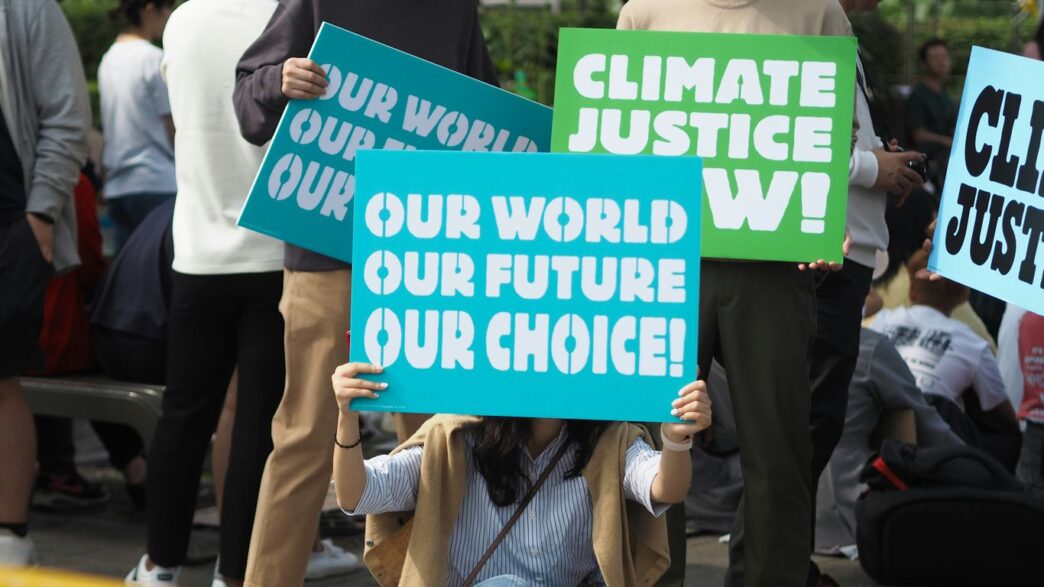
Asia Climate Summit 2025: A New Era of Regional Sustainability
Addressing Escalating Climate Adaptation Costs
The costs associated with adapting to climate change are really starting to bite across Asia. We’re seeing more frequent and intense extreme weather events, like the floods that recently displaced millions and caused over a thousand deaths in Southeast Asia. These aren’t just headlines; they translate into massive financial burdens. The economic toll of climate inaction in Asia is staggering, with estimates suggesting losses of 11–17% of GDP annually, potentially reaching 41% by 2100 if emissions continue unchecked. This reality means that simply reacting to disasters isn’t enough. We need proactive strategies to build resilience, especially for vulnerable communities. The challenge is how to fund these adaptation efforts effectively. It’s a complex puzzle that requires innovative financial mechanisms and a serious commitment from all stakeholders.
Navigating Diverse Regional Climate Vulnerabilities
Asia isn’t a monolith when it comes to climate change. Different parts of the region face unique threats. Think about the low-lying island nations dealing with rising sea levels versus the arid regions facing desertification, or the densely populated river deltas prone to flooding. This diversity means a one-size-fits-all approach just won’t work. We need to understand these specific vulnerabilities to tailor adaptation plans. For instance, the ASEAN-UN Plan of Action for 2026–2030 is focusing on strengthening disaster risk assessment and monitoring, integrating climate adaptation and disaster reduction right into the community framework. This kind of targeted approach is key to protecting communities and development gains.
Bridging the Adaptation Finance Gap
There’s a huge gap between what’s needed for climate adaptation and what’s actually being funded. Developing countries in Asia, in particular, need significant financial support. The BRICS alliance, with Brazil leading the 2025 presidency, has been pushing hard for more adaptation finance, calling for a doubling of 2019 levels by 2025. This push is crucial for setting the agenda for future climate finance goals. On top of that, the UN’s Fund for Loss and Damage in the Asia-Pacific, now operational, aims to provide initial disbursements by mid-2026. While these are positive steps, they are just the beginning. We need to see a substantial increase in both public and private investment to truly bridge this gap and help the most vulnerable nations cope with the impacts of climate change.
Charting an Independent Green Path for Asia
Asia is increasingly looking to forge its own way in the global climate effort. While many countries have stepped up their climate goals, submitting their Nationally Determined Contributions (NDCs) on time, there’s a growing sentiment to chart an independent course. This isn’t about going it alone, but about tailoring solutions to the region’s unique needs and strengths.
Strengthening Climate Ambitions and NDCs
Most Asian nations have indeed bolstered their climate commitments. This is a positive sign, showing a regional willingness to tackle climate change head-on. However, the real work lies in turning these pledges into concrete actions. It’s one thing to set ambitious targets, and quite another to implement the policies and investments needed to meet them. The focus now needs to be on the practical steps that will lead to actual emissions reductions and build resilience.
The Role of BRICS in Climate Finance
The BRICS nations are stepping up to play a bigger role in climate finance, especially for the Global South. They’ve been pushing hard for more adaptation funding, calling for a significant increase by 2025. This push is important because it highlights the financial needs of countries most affected by climate change. They are also working on setting the groundwork for future global climate finance goals, aiming to ensure that developing nations get the support they require.
UN’s Fund for Loss and Damage in Asia-Pacific
A significant development is the establishment of the UN’s Fund for Loss and Damage in the Asia-Pacific region. Based in the Philippines, this fund aims to provide financial assistance to countries that have already suffered severe impacts from climate change. With an initial disbursement goal, it represents a step towards addressing climate justice for vulnerable nations. This regional focus is key, as the impacts of climate change are not felt equally across the globe.
Innovations in Green Technology and Decarbonisation
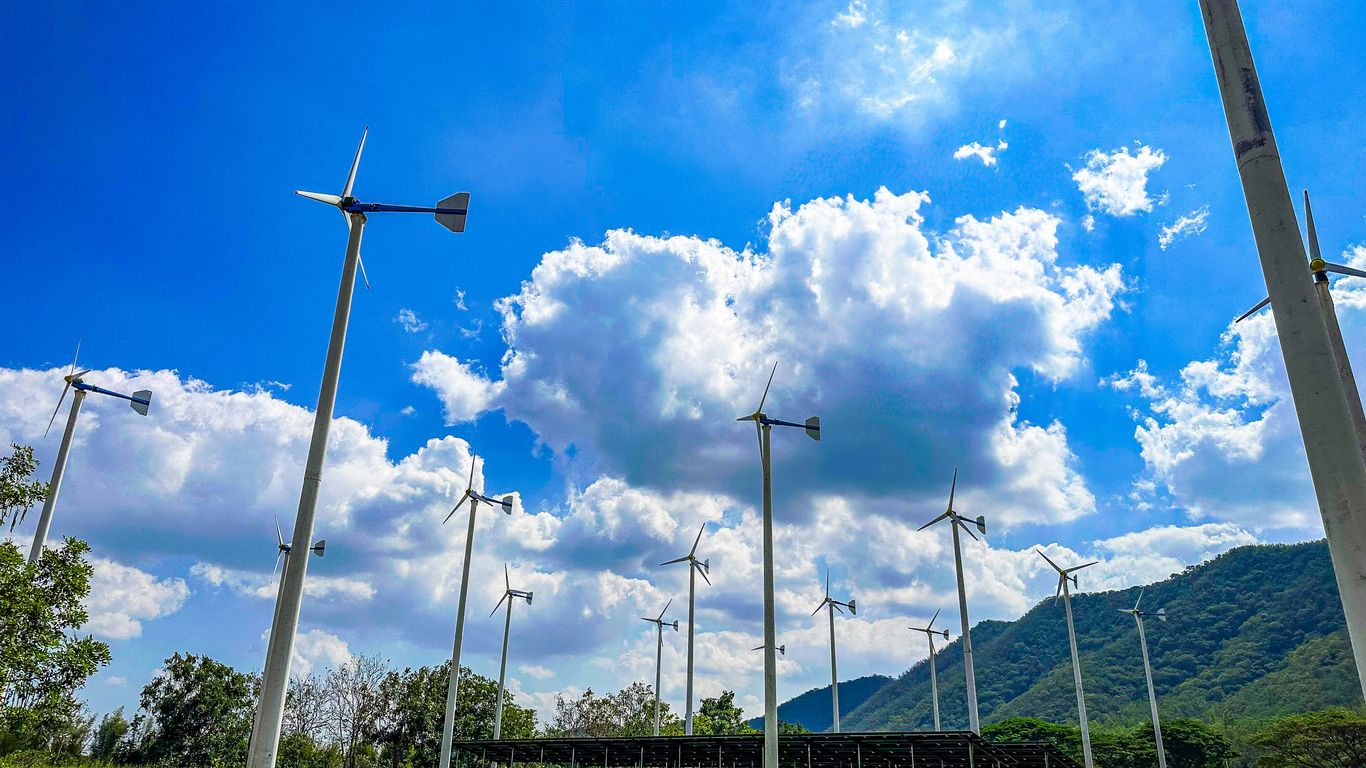
It feels like just yesterday we were talking about renewable energy as a future thing, but wow, things are moving fast. In 2025, we’re seeing a real shift where new green energy projects are actually outnumbering fossil fuel ones. Not only that, but for the first half of the year, the actual power generated from renewables actually beat out coal power. That’s a big deal, right? China, for instance, is really leading the charge here. They’ve apparently hit their emissions peak, thanks in large part to how quickly they’ve been putting up solar and wind farms. Experts are saying global renewable power capacity could double by 2030. That’s a lot of new capacity, but we still have to figure out how to expand the grids, make sure our supply chains are solid, and, of course, find the money.
Renewable Energy Surpasses Fossil Fuels
This whole transition isn’t without its bumps. Some countries, pushed by places like the US and gas-exporting nations, are still being encouraged to buy a lot of natural gas. This is a bit of a head-scratcher when you look at how cheap batteries are getting. China has put a massive amount of money into battery storage – over 100 gigawatts installed. That’s a huge jump in just a few years. These batteries help make sure the power grid is stable, even when the sun isn’t shining or the wind isn’t blowing. So, investing more in gas plants seems like a questionable move, especially when it could end up costing us more and making us rely on imports.
Advancements in Hydrogen for Industrial Use
Hydrogen is another big piece of the puzzle, especially for heavy industries that are tough to decarbonize, like steel and manufacturing. China is way ahead in making the equipment needed for green hydrogen, like electrolyzers. They’ve got a huge chunk of the global manufacturing capacity. They’re even building massive pipelines to move hydrogen for steel production. Japan is also stepping up, expanding its own manufacturing and working with other countries like Malaysia on hydrogen tech. They’re even offering subsidies to make hydrogen fuel cell trucks more competitive with diesel. Australia is also getting in on this with a big plan to focus on renewable hydrogen and other green fuels.
The Promise of Green Iron and Steel
Decarbonizing industries like steel is a major challenge, as it’s a big source of emissions in places like China. But there’s some really interesting new tech emerging. One process called "flash ironmaking" could be a game-changer. It’s supposed to be way more efficient than old blast furnaces, taking minutes instead of hours. This method uses a high-heat furnace powered by gas, like hydrogen, and it produces almost no carbon dioxide. It could also help China use its own lower-grade iron ore more effectively, meaning less need to import higher-quality stuff. If this technology can be scaled up, it could really change how we make steel and significantly cut down on emissions from this sector.
The Evolving Landscape of Green Finance
Okay, so let’s talk about money and the planet. Green finance, right? It’s this whole area of investing that’s supposed to help the environment. In Asia, things are… interesting. We’ve seen a bit of a pushback against the whole "ESG" thing in some parts of the world, but here in Asia, green finance is actually picking up steam. Green bond issuances, which are basically loans specifically for green projects, hit a record high in the second quarter of 2025, with over 51 billion US dollars being raised. That’s a lot of money going towards cleaner stuff.
Navigating ESG Pushback and Green Bond Issuances
Even with some global noise about ESG (Environmental, Social, and Governance) investing, Asia’s commitment to green finance hasn’t really wavered. In fact, it’s grown. We saw a really strong quarter for green bonds in mid-2025, bringing in more than $51 billion. This money is flowing into things like clean energy projects. For example, in Southeast Asia, investments in green energy jumped to $47 billion in 2024, which is way up from $30 billion in 2015. It’s almost matching the money going into fossil fuels, which has actually gone down. What’s cool is that most of this green investment is coming from private companies, not just governments.
Challenges in Regulatory Alignment for Green Finance
Now, it’s not all smooth sailing. Getting all the rules and regulations to line up across different countries in Asia is a big hurdle. While many financial regulators are starting to think about making companies report their climate risks, which is good, the actual policies are moving pretty slowly. For instance, guidelines on "transition finance" – that’s helping existing, dirtier industries become cleaner – are just starting to appear. And when it comes to central banks, most aren’t really focused on climate issues yet. Only a few places like Singapore, the Philippines, and Malaysia are making moves to adjust how banks handle climate risks.
Here’s a quick look at how Asian investors are doing compared to the rest of the world:
- Climate Scenario Analysis: Only 58% of Asian investors look at how climate change might affect their investments, compared to 67% globally.
- Board Oversight: Just 63% of investors have their company boards keeping an eye on climate action.
- Investing in Climate Solutions: Asian investors are pretty low on the global list when it comes to actually putting money into new green technologies.
Investor Engagement in Climate Solutions
This brings us to investor engagement. While many Asian investors say they’re committed to climate action, the actual investment in green solutions isn’t quite matching up. It’s a bit of a gap between talking the talk and walking the walk. We need to see more concrete actions from investors to really drive the transition to a sustainable future. This means not just setting targets, but actively directing capital towards renewable energy, sustainable infrastructure, and innovative climate technologies. It’s about making sure the money flowing into Asia is actually building a greener tomorrow, not just maintaining the status quo.
Regional Collaborative Efforts Driving Climate Action
Asia’s push for sustainability isn’t happening in a vacuum. Countries are increasingly realizing that working together is the only way to tackle the massive climate challenges ahead. It’s not just about individual nations setting goals; it’s about building bridges and creating shared strategies.
ASEAN’s Focus on Disaster Management and Resilience
The Association of Southeast Asian Nations (ASEAN) is putting a lot of energy into preparing for and responding to climate-related disasters. Think floods, typhoons, and droughts – things that hit this region hard. They’re working on better early warning systems and coordinated relief efforts. The idea is to move beyond just reacting to disasters and build up the region’s ability to bounce back, making communities stronger against future shocks. This involves sharing data, training emergency responders, and developing common protocols for when disaster strikes.
Shanghai Cooperation Organization’s Renewable Energy Investments
The Shanghai Cooperation Organization (SCO) is also stepping up, particularly when it comes to renewable energy. While they’re a diverse group, there’s a growing consensus on the need to invest in clean power. This means looking at joint projects for solar, wind, and other green technologies. The goal is to not only reduce emissions but also to create energy security and economic opportunities for member states. It’s a practical approach, focusing on tangible investments that can make a real difference in the energy mix.
Australia’s Role as a Green Regional Partner
Australia is positioning itself as a key player in the region’s green transition. They’re looking to collaborate on everything from critical mineral supply chains for batteries to developing green hydrogen hubs. Australia sees an opportunity to partner with its neighbors, sharing technology and investment to build resilient green supply chains. This partnership approach aims to diversify manufacturing and reduce reliance on single sources, while also supporting the development of new green industries across the Asia-Pacific.
Addressing the Urgency of Climate Risks in Asia
It feels like every other week we’re hearing about another extreme weather event somewhere in Asia. Just recently, floods in Southeast Asia forced millions to evacuate and sadly, over a thousand people lost their lives. And the heat? Data from 2025 showed record-breaking temperatures, making it likely the first year to go over 1.5°C above pre-industrial levels. Globally, there were 151 unprecedented extreme weather events that year. The financial fallout from all this is staggering, with global losses hitting nearly $1.5 trillion in 2024 alone. It’s a tough pill to swallow, especially when you look at the emissions trends, which, unfortunately, are still climbing across many Asian regions. The economic cost of doing nothing is huge; some estimates suggest Asia could lose between 11% and 17% of its GDP annually, and that number could jump to 41% by 2100 if we don’t get a handle on things.
Record Temperatures and Extreme Weather Events
Asia is really bearing the brunt of this. The Pacific Islands, for instance, are dealing with sea-level rise that’s happening four times faster than the global average. This isn’t just a little bit of water creeping up; we’re talking about irreversible land loss. In places like Tuvalu and Fiji, sea levels have risen by about 15 cm, and when you add in the extreme weather, it’s a recipe for disaster. Some small island nations are already seeing climate damages eat up over 5% of their GDP. It’s gotten so bad that large-scale relocation is becoming unavoidable unless there’s a massive influx of financial help. Australia is even looking at ways to resettle people from Tuvalu.
Meanwhile, South Asia is facing a triple threat: scorching heat, conflicts over dwindling water and land resources, and frequent cyclones. Agriculture, which employs over half the women in the region, is hit hard by the heat and unpredictable rains. Pakistan has seen devastating floods multiple times in recent years, leaving millions without homes.
Southeast Asia, with its long coastlines, is particularly vulnerable to rising sea levels. Countries like Indonesia and the Philippines could see up to 300 million people threatened by coastal flooding.
The Overwhelming Economic Risks of Climate Inaction
Let’s talk numbers for a second. Protecting communities and economies from these climate impacts requires a serious amount of money for adaptation. Developing countries, especially in Asia and the Pacific, need somewhere around $310 to $365 billion each year by 2035 just for adaptation. That’s a massive figure. But here’s the kicker: the international public money that actually went towards adaptation in 2023 was only about $26 billion. That means we’re falling short by about 12 to 14 times the amount needed. To put that in perspective, the annual funding gap is only about three times the profit Saudi Aramco, a major oil producer, made in 2024.
| Region | Estimated Annual Adaptation Needs (by 2035) | Actual International Public Finance (2023) | Shortfall Factor |
|---|---|---|---|
| Developing Asia & Pacific | ~70% of global need ($217-255B) | ~$18.2B (70% of $26B) | 12-14x |
Emissions Trends Across Asian Regions
Despite all these warnings and the very real impacts we’re seeing, emissions across many parts of Asia are still on the rise. It’s a complex picture, with different countries facing unique challenges and having varying levels of commitment. While some nations are stepping up their climate ambitions and setting more aggressive targets, others are lagging. The push for renewable energy is gaining momentum, with solar and wind power becoming more competitive, but the reliance on fossil fuels in many industrial sectors remains a significant hurdle. The gap between what’s needed to adapt and what’s being provided is widening, creating a precarious situation for millions.
Looking Ahead: Asia’s Path to a Greener Future
So, the Asia Climate Summit 2025 wrapped up, and it’s clear the region is facing some serious challenges. We saw record-breaking heat and floods, showing just how much we’re already feeling the effects of climate change. While global talks sometimes feel slow, Asia is really stepping up with its own plans. Groups like BRICS and ASEAN are making moves, pushing for more money for adaptation and setting up new ways to work together on green projects. Plus, the tech side is looking promising, with renewables getting cheaper and new ideas for cleaning up industries. It’s not all smooth sailing, though. There are still big gaps in how we’re financing this transition and getting everyone on the same page with reporting. But the conversations at the summit have definitely set a direction. It’s about finding practical ways for countries to work together, invest in new technologies, and build a more sustainable future for everyone in the region. The work ahead is huge, but the momentum is building.