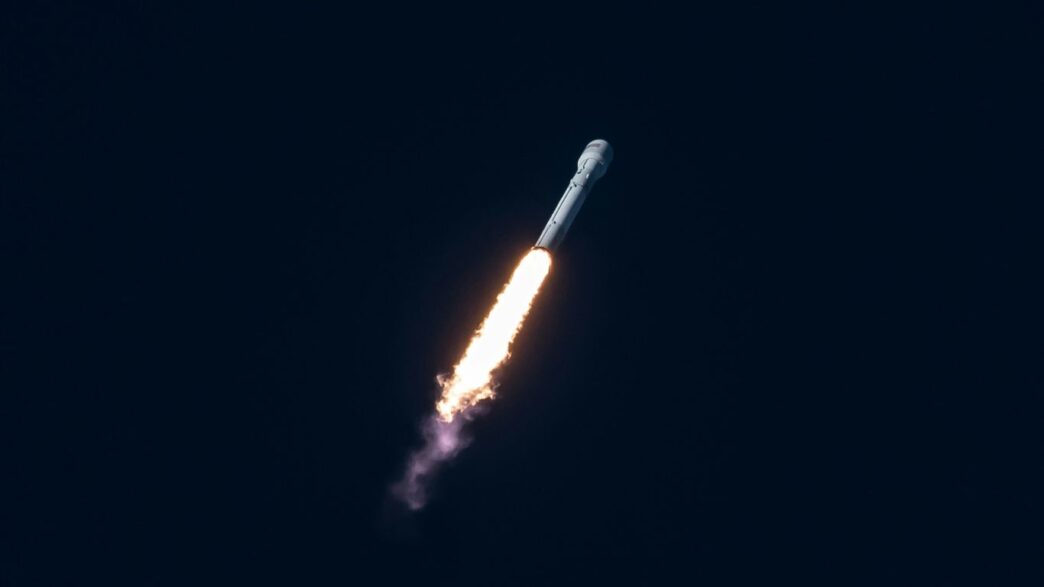
Astra Space Inc’s Vision for Affordable and Frequent Launches
Astra Space Inc. has a pretty big goal: to make getting things into space way cheaper and way more often. Think of it like this – right now, launching a satellite can be a really big deal, taking a lot of time and money. Astra wants to change that, making it more like a regular delivery service, but for space.
Scaling Toward Daily Space Delivery
The idea of launching something into orbit every single day sounds pretty wild, right? It’s a huge ambition, and honestly, not many companies have pulled it off yet, even the big ones. Astra’s plan is to build up their launch capabilities so much that they can handle that kind of frequency. This isn’t just about launching one rocket here and there; it’s about creating a system that can consistently put payloads into orbit on a daily basis. This would dramatically speed up how quickly new satellites can be deployed and how fast data from space can get back to us.
Simplifying Satellite Access for Customers
Beyond just the launch itself, Astra is looking at the whole process of getting a satellite ready for space. A lot of customers spend years figuring out the basic stuff needed to host their equipment, like a camera or a radio, which is what actually solves a problem in orbit. Astra wants to make this much easier. They’re aiming to help customers go from just having an idea to having a whole constellation of satellites up and running in months, not years. It’s a bit like how cloud computing changed building websites – you don’t need to build your own data center anymore, you just use the cloud. Astra wants to do something similar for space, handling the complicated parts so customers can focus on their unique mission.
Overcoming Industry Cost Barriers
Launching rockets has always been expensive. Astra is trying to tackle this head-on by simplifying their approach. Instead of using fancy, complex manufacturing methods like 3D printing, they’re sticking with more traditional techniques. This, combined with their focus on mass production and a streamlined design, is how they plan to bring down the cost per launch. The goal is to make space accessible to more people and businesses by cutting down the financial hurdles that have traditionally kept many out of the market.
Leadership and Strategy Behind Astra Space Inc’s Ambitions
Chris Kemp’s Influence and Background
Chris Kemp, the CEO of Astra, has a background that really shaped the company’s direction. Before co-founding Astra, he spent time at NASA, where he held roles like Chief Information Officer and Chief Technology Officer. That experience, plus his earlier work as Chief Architect at Classmates.com and founding Escapia, gave him a solid understanding of both tech and business. He also co-founded OpenStack and Nebula, showing he’s not afraid to tackle big, complex projects. Kemp’s ability to build and maintain a strong network of contacts has been a significant factor in Astra’s journey. He seems to have a knack for connecting with people who can help move the company forward.
Navigating the SPAC Merger and Funding
Astra went public through a SPAC merger with Holicity Inc. in mid-2021. This move was intended to bring in significant capital to fund their ambitious plans, like achieving daily space delivery. The company announced a $500 million investment at a $2.1 billion valuation at one point. However, the path hasn’t been smooth. Fundraising has become tougher, especially with changing economic conditions like higher inflation and interest rates. This has led to financial challenges, including defaults on loans and significant layoffs. Kemp and co-founder Adam London even made an offer to take the company private again, aiming to secure capital and better pursue their strategic goals.
Strategic Partnerships and Contracts
Securing partnerships and contracts is a big part of Astra’s strategy. They’ve had a launch contract with the US Space Force, which provided some upfront cash based on achieving milestones. Early on, they also had a multi-launch deal with Planet Labs, a customer that understood the risks and potential of a developing launch provider. These relationships are key, not just for revenue, but for building credibility and demonstrating progress in a competitive market. The company’s ability to land these deals, even with past setbacks, speaks to the perceived potential of their technology and vision.
Technology Choices at Astra Space Inc: Innovation Through Simplicity
When you look at Astra Space Inc., one thing that stands out is their approach to building rockets. It’s not about the flashiest, most cutting-edge methods, but rather a focus on making things work reliably and affordably. Think of it like building a really solid, dependable car instead of a super-fast, experimental one. They’re not using fancy 3D printing for their main rocket structures, nor are they relying heavily on expensive composite materials. Instead, Astra is sticking with more traditional manufacturing techniques. The idea here is to get good at making rockets the old-fashioned way, but doing it really, really fast. They want to churn them out.
Traditional Manufacturing Over 3D Printing
Astra’s choice to avoid 3D printing for its primary rocket components is a deliberate one. While some competitors are going all-in on additive manufacturing, Astra believes that established, well-understood manufacturing processes can be scaled more effectively and affordably for their needs. This means using things like sheet metal and standard machining. It’s a bit like how a big car company can produce millions of vehicles because they’ve perfected assembly lines over decades. Astra is aiming for a similar kind of high-volume, repeatable production for their launch vehicles. This strategy aims to cut down on costs and make the production process more predictable.
Rocket 3 and the Shift to Rocket 4
Astra’s journey with its Rocket 3 vehicle showed the challenges of developing new launch systems. After several attempts, some successful in reaching orbit and others not, the company decided to move on. The lessons learned from Rocket 3, including its limitations and the issues encountered, directly influenced the design of its successor, Rocket 4. This new rocket is intended to be larger and more capable, representing a step forward in Astra’s ability to carry heavier payloads. It’s a natural progression, taking what they learned from the earlier version and applying it to build something better.
Developing Integrated Satellite Solutions
Beyond just launching satellites, Astra is also looking at how they can help customers get their satellites ready for space. They’re developing integrated satellite platforms. Imagine wanting to send a package, but instead of just handing it to the delivery service, they also help you build the box, pack it, and label it. Astra wants to simplify the whole process for their customers. This means customers can focus more on their specific payload – like a camera or a sensor – and less on the complex engineering of the satellite bus itself. The goal is to help customers go from an idea to a working satellite constellation much faster than before. This is a big shift, moving from just being a launch provider to offering a more complete space service.
Competing in the Small Satellite Launch Market
Challenges from Established Players like SpaceX
Look, the small satellite launch market is getting pretty crowded. You’ve got a bunch of companies trying to get their piece of the pie, and that’s great, but it also means a lot of competition. The biggest elephant in the room is definitely SpaceX. They’ve been running these "Transporter" missions, basically packing a bunch of small satellites onto their big Falcon 9 rockets. It’s a smart move because it brings the cost per kilogram way down. Honestly, it’s hard for smaller companies to match those prices. It’s like, they’ve made it so cheap to send stuff up that it’s changing the whole game for everyone else.
Addressing Market Demand for Small Payloads
Even with SpaceX’s rideshare missions, there’s still a need for dedicated small launch services. Not everyone wants to hitch a ride and wait for a specific launch window or orbit. Sometimes, you need more control over when and where your satellite goes. That’s where companies like Astra come in. They’re aiming to provide more frequent and flexible launch options, which is a big deal for certain customers. Think about it: if you’ve got a specific mission or a tight deadline, having your own launch vehicle ready to go can be a real advantage. It’s not just about the lowest price; it’s about meeting specific customer needs.
Comparisons with Rocket Lab and Relativity Space
So, how does Astra stack up against others in this space? Rocket Lab has really established itself as a leader in small launch. They’ve got a solid track record and a good reputation. Then there’s Relativity Space, which is taking a different approach, focusing on 3D printing their rockets. They’ve got a lot of backing, but they’ve also shifted their focus to larger rockets. Astra, on the other hand, is sticking with more traditional manufacturing methods, aiming for high-volume production. It’s a bit of a mixed bag out there:
- Rocket Lab: Strong player, proven success in small launch.
- Relativity Space: Innovative 3D printing, but moving towards larger rockets.
- Astra: Focus on simple design and high-volume traditional manufacturing.
Each company has its own strategy, and it’s going to be interesting to see how they all fare as the market continues to grow and change. The race is on to find the right balance between cost, flexibility, and reliability.
Securing a Customer Base: Relationships and Contracts
Multi-Launch Partnership with Planet Labs
Astra’s relationship with Planet Labs is a big deal for them. Planet, you know, they’re the ones with that huge constellation of Earth-imaging satellites. Getting them to sign on for multiple launches shows a lot of confidence in Astra’s ability to get their satellites into orbit reliably. It’s not just a one-off deal; it’s a commitment that spans several missions. This kind of partnership is exactly what Astra needs to show other potential customers that they’re a serious player.
Government Contracts with NASA and the US Space Force
Beyond commercial clients, Astra has also been working with government agencies like NASA and the US Space Force. These contracts are super important. They often come with strict requirements and high stakes, so successfully completing them really builds Astra’s reputation. It’s not just about the money; it’s about proving they can handle critical missions for national security and scientific exploration. These government ties can open doors to even bigger opportunities down the line.
Building Trust Through Launch Milestones
Ultimately, getting customers and keeping them comes down to trust. For Astra, this means hitting those launch milestones. Every successful launch, every satellite delivered to its intended orbit, adds another brick to that foundation of trust. It’s a tough business, and things don’t always go perfectly, but showing progress and learning from setbacks is key. Astra’s ability to secure and maintain these customer relationships hinges on consistent performance and clear communication.
Financial Challenges and Adaptation in a Competitive Industry
Astra Space Inc has had to get pretty creative lately. No matter how exciting the idea of daily space launches sounds, money—both raising it and holding onto it—is the hurdle keeping those dreams in check. Financial pressure in the launch sector is especially tough because everything depends on reliability, timing, and scale—but setbacks are both common and costly. Here’s a look at how Astra has managed so far and what they’re up against.
Fundraising in a Shifting Economic Climate
The markets have not exactly been friendly to space startups in the last two years. New investor funds slowed down, and companies like Astra, who went public via a SPAC, felt that pinch even more. Early enthusiasm for space cooled off as many ventures missed their ambitious milestones.
Table: Funding Rounds and Key Milestones (2021-2025)
| Year | Funding Event | Notes |
|---|---|---|
| 2021 | SPAC Merger | Public debut, high initial interest |
| 2022 | Secondary Offering | Raised less than projected |
| 2024 | Bridge Financing | Needed after revenue goals fell short |
Things investors started asking: Where’s the revenue? Are recurring launch contracts coming? Can Astra show leaps in launch reliability? Without clear answers, raising money got even harder.
Addressing Operational Setbacks and Layoffs
Astra’s big plans ran into technical issues and failed launches. Each failed rocket means millions lost and normally leads to:
- Postponed launches for other customers
- Increased insurance and testing costs
- Leadership under pressure to explain delays
In early 2025, Astra laid off a significant number of staff and paused some R&D projects. Layoffs hit morale but, in some cases, they helped extend Astra’s limited cash runway long enough to finish a new design or seek additional funding.
Considering Business Model Diversification
Sticking to just launching satellites was risky, with so many strong competitors and prices dropping. Astra started experimenting:
- Offering not just launches, but also full-service satellite integration (hardware + delivery)
- Pursuing in-space propulsion as a secondary revenue stream
- Looking for more stable, longer-term government contracts, which provide reliable income and help balance the volatility of commercial launches
Astra’s survival depends on adapting fast. Shifting to related services, re-negotiating contracts, and trimming costs has been the main story over the past two years. For now, the big question is if these moves will be enough to keep them flying, or if more drastic changes will be needed soon.
The Evolving Business of Satellite Services at Astra Space Inc
Astra Space Inc has shifted from focusing solely on rocket launches to building up its satellite services business, responding to market shifts and pressing financial pressures. As the demand for simpler, quicker access to space grows, Astra is taking some interesting new directions—like focusing on propulsion tech and integrated platforms—that might help them stick around, even if rocket launches aren’t the breadwinner right now.
Expanding into In-Space Propulsion
Launching satellites isn’t the only game anymore. Astra now invests significant resources into electric propulsion for satellites, offering systems that help small spacecraft adjust their orbits or dodge space debris.
Here’s what the company now highlights about its propulsion offerings:
- Designed to fit on a wide range of small satellites
- Uses an electric thruster system to reduce satellite fuel weight
- Early commercial interest from both private and government customers
- Shifting focus here while facing launch vehicle setbacks
| Product | Target Customers | Unique Feature |
|---|---|---|
| Astra Propulsion | SmallSat operators | Lightweight electric thruster |
| Integrated Platform | Constellation startups | Fast customer integration |
Satellite Platform Integration for Customers
A lot of potential Astra clients aren’t, well, rocket scientists. They just want to get their sensor or transponder into orbit with as little friction as possible. So, Astra is working on making it easy for customers to:
- Bring just their custom payload (like a camera, radio, or test instrument)
- Pick from Astra’s pre-designed satellite buses and platforms
- Complete integration and testing on tight timelines, instead of waiting years
This reduces complexity for startups who don’t have the time or budget to engineer an entire satellite from scratch.
Responding to Industry Disruptions
The satellite market isn’t stable. With competitors folding (like Virgin Orbit) and funding becoming harder to find, Astra’s management realizes pure launch services aren’t always reliable.
So, they’re making some hard choices to try to stay afloat. Their approach includes:
- Scaling back on launch attempts to conserve cash
- Looking at strategic sales or partnerships in the propulsion division
- Exploring new recurring revenue from satellite services and integration
In this unpredictable market, the company’s willingness to shift gears might be what keeps it going—at least in some form—even if they end up orbiting around the satellite services field instead of leading the next big wave of rocket launches.
Looking Ahead
So, where does Astra stand now? It’s been a bumpy ride, for sure. They’ve faced setbacks with their launch vehicles and had to make tough decisions, like cutting staff and shifting focus. Even the idea of daily space delivery, once a big goal, seems a long way off, much like for other companies. But Astra isn’t giving up on getting things into orbit. They’ve also been working on electric thrusters, which have actual customers, and that’s a good sign. The company is trying to find its footing, whether that’s through new funding or maybe even going private. The whole small satellite launch business is tough, with big players like SpaceX setting a fast pace. It’s clear that not every startup will make it, but Astra is still trying to carve out its space, focusing on what it can do and looking for ways to keep moving forward.