Australia’s Electric Vehicle Sales Surge
It’s pretty wild to see how fast electric vehicles (EVs) are taking off in Australia. We’re talking about a real surge, not just a little bump. After a bit of a slow start to 2026, things really picked up steam, especially in February. It looks like EVs grabbed almost 12% of the new car market that month, which is a huge jump. This isn’t just a fluke, either; it’s part of a bigger trend we’ve been watching for a while.
February 2026 Market Rebound
February 2026 was a standout month. After January felt a little quiet, the EV market came roaring back. A big part of this comeback seems to be thanks to the popularity of medium and small SUVs. People are really digging these types of vehicles, and it’s translating into sales. Plus, plug-in hybrid electric vehicles (PHEVs) also saw a nice boost, showing that Aussies are definitely looking for greener options across the board. It feels like a real shift is happening.
Shifting Consumer Preferences
What’s driving this surge? Well, it seems like what people want in a car is changing. We’re seeing a clear move towards more sustainable choices. Brands like Tesla, BYD, and Zeekr have been doing really well, showing that consumers are paying attention and making different choices than they used to. It’s not just about being eco-friendly anymore; people are finding EVs that fit their lifestyle and preferences, especially in the SUV segment.
Resilience Amidst Broader Market Challenges
It’s also important to note that this EV boom is happening even when the overall car market has been a bit shaky. While traditional petrol cars have seen sales drop, the electric and plug-in hybrid segments are growing strong. This shows that EVs aren’t just following the market; they’re actually leading a charge of their own, proving their resilience and appeal even when other parts of the industry are facing headwinds.
Longitudinal Trends in EV Adoption
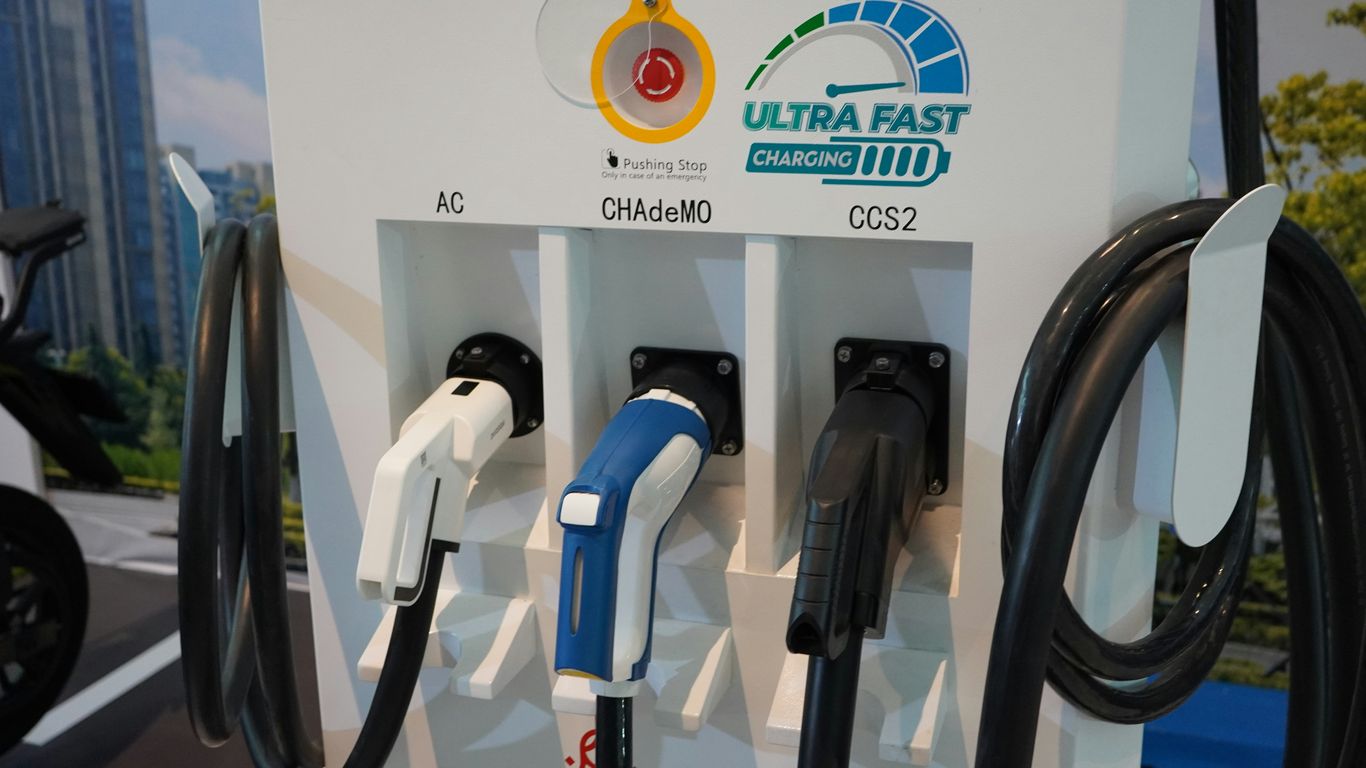
Looking back at how electric vehicles (EVs) have been selling in Australia over the past few years really shows how much things have changed. It wasn’t that long ago that EVs were a bit of a niche product, but now they’re becoming a much bigger part of the car market. We’ve seen a pretty steady climb in their share of new car sales, and it looks like that’s only going to keep going up.
Year-Over-Year Growth Analysis
The numbers from previous years paint a clear picture of accelerating adoption. For instance, the EV market share jumped from around 9.6% in 2024 to a solid 13.1% in 2025. This upward trend continued into early 2026, with EVs grabbing nearly 12% of the market share in February alone, showing a strong rebound after a slower January. This consistent growth isn’t just about EVs taking a bigger slice of the pie; it’s happening even when the overall new car market faces some headwinds. It really highlights how consumer interest is shifting.
Battery Electric Vehicles Lead the Charge
Within the EV space, Battery Electric Vehicles (BEVs) are definitely the ones driving the most growth. Their market presence has more than doubled compared to the early days of EV adoption. In early 2026, BEVs were already making up a significant chunk of sales, and that figure has been climbing steadily. Brands like Tesla have been strong performers, but we’re also seeing a lot of interest in newer BEV models from other manufacturers.
Plug-In Hybrids Complementing Growth
While BEVs are leading the charge, Plug-In Hybrid Electric Vehicles (PHEVs) are also playing an important role. They offer a bit of a bridge for people who might not be ready to go fully electric yet, perhaps due to concerns about charging infrastructure or range. PHEV sales have seen a noticeable increase, contributing to the overall rise in electrified vehicle sales. This dual approach, with both BEVs and PHEVs gaining traction, suggests a maturing market that’s catering to a wider range of consumer needs and preferences.
Key Players Driving Electric Vehicle Sales Australia
Tesla’s Market Performance
It’s no secret that Tesla has been a big name in the electric vehicle world for a while now, and Australia is no exception. After a bit of a slow start in January, Tesla really turned things around in February 2026. They sold over 3,200 vehicles that month, which is a pretty solid comeback. People here seem to really like their Model 3 and Model Y, and it looks like Tesla knows how to keep those models appealing to us Aussies. They’ve managed to bounce back from some earlier challenges, and it shows they’re still a major force in our market.
The Rise of Chinese Manufacturers
We’re seeing a lot more electric cars coming from China these days, and they’re making a real splash. Brands like BYD and Zeekr are showing up more and more on our roads. What’s interesting is that they’re bringing cars that are not only packed with features but also come with a price tag that’s hard to ignore. This is really shaking things up and making the whole market more competitive. It’s good for us consumers because it means more choices and potentially lower prices as everyone tries to stand out.
Competitive Landscape Evolution
The car market in Australia is getting pretty crowded with electric options. It’s not just Tesla anymore. You’ve got established car companies like Hyundai and BYD, plus a bunch of others, all bringing their own electric models to the table. This means there’s a lot more variety out there, from small cars to bigger SUVs. The competition is definitely heating up, and it’s pushing everyone to innovate and offer better vehicles. It’s a good time to be looking for an EV because there are so many different types and price points available now.
Factors Fueling Electric Vehicle Market Expansion
So, what’s really making electric cars take off here in Australia? It’s not just one thing, but a mix of stuff that’s making people think twice about their next car purchase. Government support and new tech are definitely big players.
Government Incentives and Policy Support
Governments are really trying to nudge people towards EVs. Think tax breaks and subsidies – these make the sticker price a bit less scary. For example, fringe benefits tax exemptions are a pretty sweet deal for businesses buying EVs for their staff. It’s like a discount you don’t see upfront but feel later. Plus, with more and more EVs hitting the road, there’s pressure on policymakers to keep these incentives going. It’s a bit of a balancing act, trying to encourage green choices without breaking the bank.
Technological Advancements and Model Availability
Cars are just getting better, aren’t they? Battery tech has improved a lot, meaning cars can go further on a single charge, which helps with that old ‘range anxiety’ worry. And the charging infrastructure is slowly but surely expanding, making it easier to top up. It’s not just about the tech, though. There are way more models available now than just a few years ago. We’re seeing everything from small city cars to big family SUVs, and even some performance models. This variety means there’s likely an EV out there for most people’s needs and tastes.
Consumer Awareness and Environmental Concerns
People are talking more about the environment, and that’s filtering down to car buying decisions. Many folks are looking for ways to reduce their carbon footprint, and an EV seems like a solid step in that direction. It’s not just about saving the planet, though. There’s also a growing appreciation for the quiet ride and the instant acceleration EVs offer. It’s a different driving experience, and many people are finding they actually prefer it. Plus, with more EVs on the road, seeing them become normal helps reduce any lingering skepticism.
Future Projections for Electric Vehicle Sales Australia
Projected Market Size and CAGR
Looking ahead, the Australian electric vehicle (EV) market is set for some serious expansion. We’re talking about a significant jump in value, with projections suggesting the market could hit around USD 205.45 billion by 2034. This isn’t just a small bump; it’s a steady climb, with an estimated compound annual growth rate (CAGR) of about 28.8%. This kind of growth is pretty impressive and shows that EVs are really becoming a major part of how Australians get around. Of course, this forecast relies on a few things staying on track, like continued government support and making sure there are enough places to charge up.
Dominant Vehicle Segments
When we look at what types of EVs will be leading the pack, it seems like mid-range vehicles are going to hold a pretty big chunk of the market share. These are likely the cars that hit that sweet spot for a lot of buyers – not too basic, not too fancy, just right. Battery Electric Vehicles (BEVs) are definitely going to be the main drivers here, which makes sense as more people get comfortable with going fully electric. Plug-in hybrids (PHEVs) will also play a role, offering a bit of a bridge for those who aren’t quite ready to ditch gasoline entirely, but they’ll likely be more of a supporting act to the pure electric models.
Sustaining Momentum Through 2034
Keeping this growth going all the way to 2034 will take some effort. It’s not just about making more EVs; it’s about building out the whole ecosystem. We need more charging stations, especially outside of the big cities, and policies that keep encouraging people to make the switch. Plus, keeping an eye on things like battery technology and making sure the supply chains are solid will be important. The continued success hinges on a coordinated effort between government, industry, and consumers to overcome hurdles like infrastructure gaps and ensure a smooth transition. If all these pieces fall into place, Australia’s EV market looks set for a really bright future.
Navigating Challenges in the EV Sector
Infrastructure Development Needs
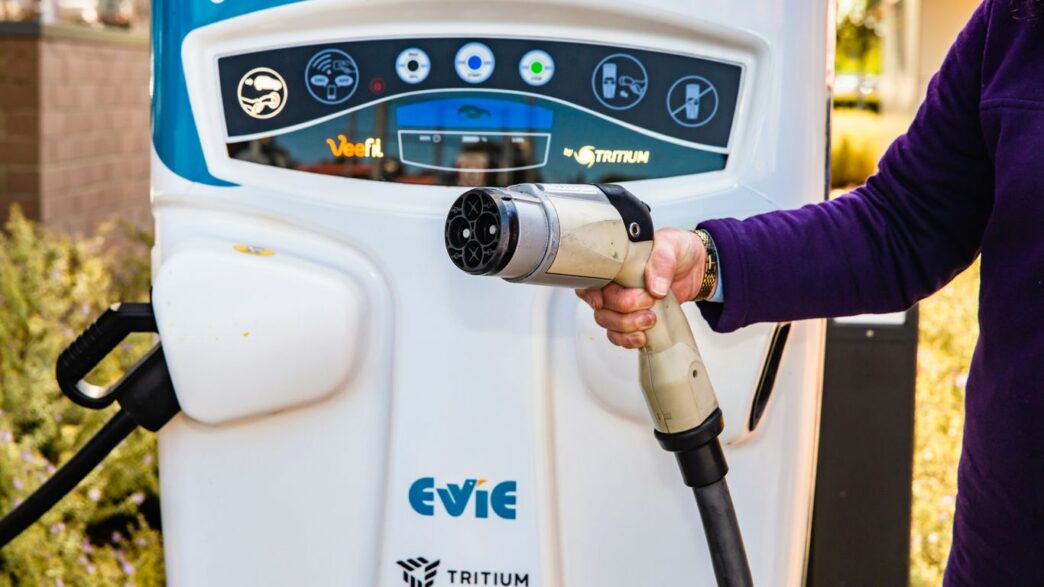
So, the electric car sales are really taking off, which is awesome for the planet and all that. But, and it’s a pretty big ‘but’, we’ve got some hurdles to jump over. One of the main ones is charging. It’s just not everywhere you need it to be yet. You can’t just pull into any old service station and expect to find a fast charger, especially if you’re out in the sticks. We need way more charging stations, and they need to be faster, like, really faster. It’s not just about having a few chargers in the city; we need them spread out across the country, connecting towns and highways. Think about it: if you’re planning a road trip, you need to know you can actually get from A to B without spending half your holiday waiting for your car to juice up. This whole charging network thing is a massive project, and it needs serious investment and planning to keep up with how fast people are buying these EVs.
Addressing Regional Disparities
It’s not just about having enough chargers, though. Where those chargers are matters a lot. Right now, it feels like most of the action is happening in the big cities, places like Sydney and Melbourne. That’s great for folks living there, but what about everyone else? People in regional areas or smaller towns are getting left behind. They might want an EV, but if there are only one or two chargers for hundreds of kilometers, it’s just not practical. We’re seeing a big difference in how quickly EVs are being adopted across the country. This uneven spread means some Aussies are missing out on the benefits of electric driving. We need a plan that makes sure everyone, no matter where they live, has access to charging and can actually consider buying an electric car without it being a massive headache. It’s about making sure the EV revolution is for everyone, not just city dwellers.
Geopolitical and Supply Chain Considerations
Then there’s the whole international side of things. A lot of the EVs and the parts that go into them, especially the batteries, come from overseas, particularly from China. While these cars are great and often more affordable, relying so heavily on imports can be a bit risky. What happens if there’s a trade dispute or a shipping problem? Suddenly, getting new EVs or replacement parts could become really difficult. It’s like having all your eggs in one basket. We need to think about how Australia can become a bit more self-sufficient, maybe by encouraging local manufacturing or finding more diverse sources for these critical components. It’s a tricky balance, trying to get the best cars at good prices while also making sure our own supply chains are strong and not too dependent on just one or two countries. It’s a complex puzzle, for sure.
The Road Ahead for Australia’s Electric Cars
So, it’s pretty clear Australia’s electric car scene is really taking off. We’ve seen sales jump significantly, with more people choosing EVs over gas guzzlers, especially with popular models from brands like Tesla and BYD leading the charge. While things are looking up, there’s still work to do, like making sure charging stations are everywhere and keeping incentives in place to help folks make the switch. It feels like we’re on the cusp of a big change in how Australians get around, and it’s exciting to see where it all goes from here.