So, Baxter bought Hillrom, and that means Welch Allyn is now part of the picture too. It’s a pretty big deal in the world of medical tech. Think of it as combining a bunch of different tools to make healthcare work better for everyone involved, from the people getting care to the ones giving it. This move is all about making things more connected and efficient, which is something everyone can get behind.
Key Takeaways
- Baxter International’s purchase of Hillrom, which includes the Welch Allyn brand, marks a significant shift in the medical technology landscape.
- This combination aims to create a more integrated approach to healthcare, connecting various products and services for patients and providers.
- The expanded company plans to use its larger global reach to introduce legacy products, like those from Welch Allyn, into new markets.
- A major focus is on improving digital health capabilities and making healthcare workflows more efficient through connected devices and data.
- The integration of these companies is expected to drive innovation and provide a broader range of solutions to meet diverse healthcare needs worldwide.
A New Era for Baxter International Inc.
The Strategic Acquisition of Hillrom
Baxter International Inc. has officially brought Hillrom into the fold, marking a significant moment in the company’s history. This wasn’t just a small purchase; it was a major move, costing around $10.5 billion in cash, plus taking on Hillrom’s existing debt, bringing the total enterprise value to about $12.5 billion. This deal is all about creating a stronger, more connected healthcare company.
Unlocking Potential for Patients and Clinicians
This combination is expected to open up new avenues for growth and innovation. By bringing together Baxter’s and Hillrom’s strengths, the company aims to make a bigger difference for everyone involved in healthcare – from the patients receiving care to the clinicians providing it. The goal is to improve how care is delivered, making it more efficient and effective.
The integration of these two companies is designed to create a more robust platform for advancing patient care and improving how healthcare providers work. It’s about building a future where technology and human expertise come together.
Expanding Global Reach and Connectivity
With this acquisition, Baxter is looking to broaden its horizons. The company plans to use its existing global network to introduce Hillrom’s and Welch Allyn’s products to more places around the world. This means more patients and healthcare professionals in different regions will have access to a wider range of solutions. Plus, there’s a big focus on digital health and making devices talk to each other, which could really change how healthcare operates.
Here’s a look at some of the key areas this expansion targets:
- Wider Product Access: Bringing established product lines to new international markets.
- Digital Health Integration: Connecting devices and systems for better data flow.
- Workflow Improvements: Streamlining processes for healthcare staff.
- Enhanced Care Outcomes: Using technology to improve patient results.
Integrating Legacy Brands: Hillrom and Welch Allyn
Bringing together Hillrom and Welch Allyn under the Baxter umbrella isn’t just about adding more products to a catalog. It’s about weaving together distinct histories and strengths to create something new. Think of it like combining two really good recipes; you get the best parts of both, plus a flavor you couldn’t get any other way. This merger is about building a more connected and efficient healthcare experience for everyone involved.
A Combined Vision for Healthcare Transformation
Both Hillrom and Welch Allyn have their own stories of innovation. Welch Allyn, founded way back in 1915, became known for its reliable diagnostic tools – the kind of equipment doctors and nurses use every day, like otoscopes and vital signs monitors. Hillrom, on the other hand, brought a focus on patient care equipment and connected systems. Now, as part of Baxter, the goal is to merge these legacies. The idea is to create a more complete picture of patient care, from initial diagnosis right through to ongoing treatment and monitoring. It’s about making sure that the tools and systems healthcare professionals use work together better, so they can spend less time wrestling with technology and more time with patients.
Expanding Product Portfolios Internationally
One of the big advantages here is the global reach. Baxter already has a pretty wide network, and by adding Hillrom and Welch Allyn’s products, they can push these items into new markets. This means that a hospital in a different country might now have access to diagnostic tools that were previously hard to get, or a new type of patient bed that improves comfort and safety. It’s not just about selling more stuff; it’s about making sure that quality healthcare solutions are available where they’re needed most. This expansion helps Baxter serve a wider range of healthcare settings, from busy hospitals to smaller clinics.
Advancing Digital Health and Workflow Efficiency
This is where things get really interesting. The combination of these brands is a big step forward for digital health. Welch Allyn has been working on connecting its diagnostic devices, and Hillrom has experience with integrated systems. Now, Baxter can take that and run with it. Imagine a system where a patient’s vital signs are automatically recorded and sent to their electronic health record, or where a doctor can access diagnostic images remotely. This kind of connectivity can really speed things up and reduce errors. It helps streamline how healthcare professionals work, making their day-to-day tasks smoother and allowing them to focus on what matters most: patient well-being. The aim is to make healthcare smarter, not just more complicated.
The integration of Hillrom and Welch Allyn into Baxter is more than just a business transaction; it’s a strategic move to create a more cohesive and advanced healthcare ecosystem. By combining diagnostic prowess with patient care solutions and a global infrastructure, the aim is to simplify clinical workflows and improve patient outcomes across diverse healthcare settings.
Innovation and Technology at the Forefront
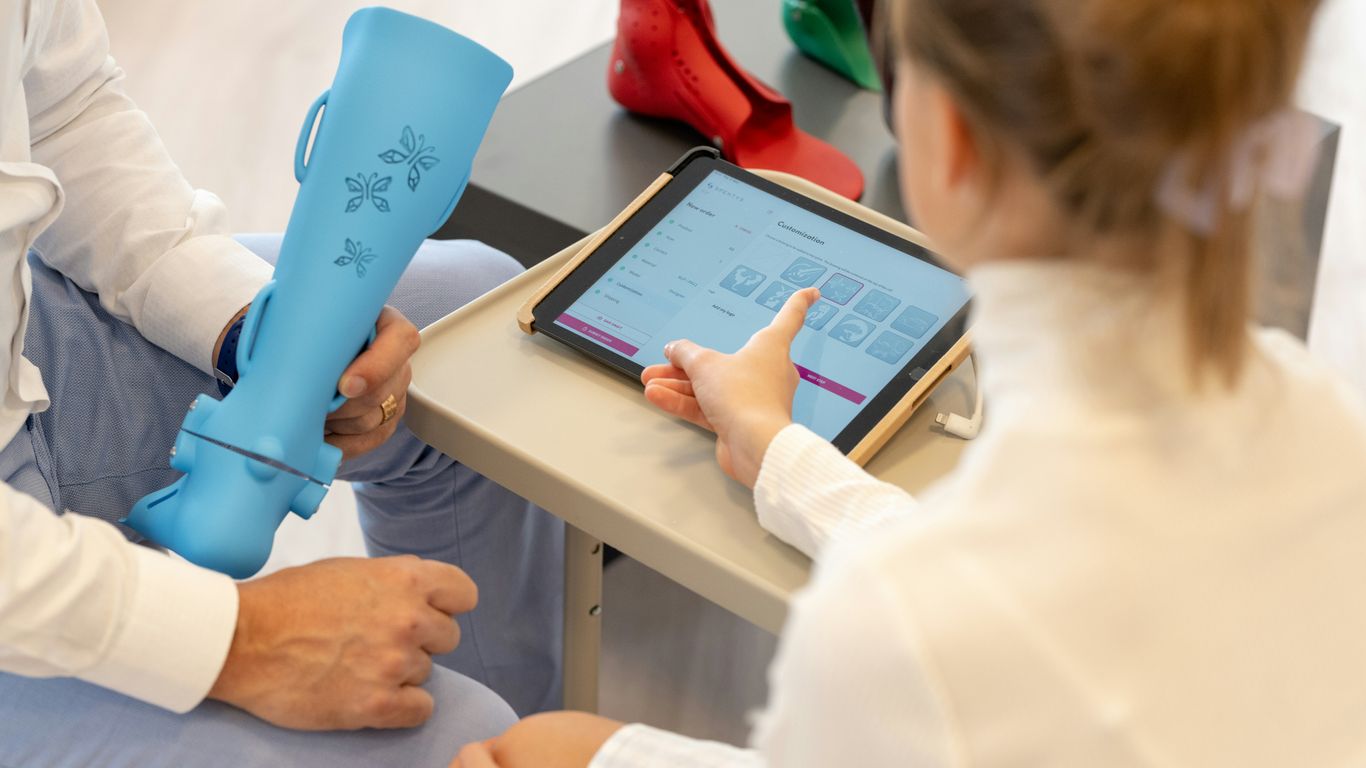
It’s pretty clear that Baxter, now with Hillrom and Welch Allyn under its umbrella, is really pushing forward with new tech. They’ve been around for a while, and you can see that history in the kinds of things they’ve developed. Think about the early days – making the first prepared IV solutions or creating the first handheld illuminated ophthalmoscope. That spirit of figuring out what’s needed and building it is still here.
Leveraging Connectivity and Data Analytics
Today, the focus is a lot on how devices talk to each other and how we can use the information they generate. It’s not just about having a piece of equipment; it’s about how it fits into the bigger picture of patient care. They’re looking at how to connect different systems so that doctors and nurses have a clearer view of what’s going on with a patient, no matter where they are. This means data from things like infusion pumps or patient monitoring systems can be pulled together. It’s like putting together a puzzle, but instead of pieces, you have patient information.
Enhancing Care Outcomes and Workflow
When you get all this technology working together, it’s supposed to make things smoother for everyone. For patients, it could mean fewer errors and more personalized treatment. For the healthcare staff, it means less time spent on paperwork or trying to find information and more time actually caring for people. Imagine a system where a patient’s vital signs automatically update their chart, or where medication orders are sent directly to the right pump. That’s the kind of efficiency they’re aiming for.
The Role of Welch Allyn’s Diagnostic Solutions
Welch Allyn has always been known for its diagnostic tools, like those ophthalmoscopes and stethoscopes. Now, those tools are getting smarter. They’re thinking about how to integrate these devices into a connected system. So, when a doctor uses a Welch Allyn device to check a patient, that information can be captured and shared digitally. This makes the diagnostic process quicker and adds that data to the patient’s overall record without extra steps. It’s about making sure the basic tools of examination are part of the modern, connected healthcare environment.
The drive to innovate isn’t just about creating new gadgets. It’s about solving real problems in healthcare. It’s about making care safer, more effective, and easier to access for more people. This means looking at how technology can simplify complex tasks and provide better insights.
Here’s a look at some areas where this innovation is showing up:
- Smart Infusion Pumps: Devices that can be programmed remotely and track medication delivery.
- Wearable Ventilators: Systems that give patients more freedom to move while still receiving respiratory support.
- Digital Diagnostic Tools: Instruments that capture and transmit patient data automatically.
- Connectivity Platforms: Software that links various medical devices and electronic health records.
Leadership and Organizational Evolution

Bringing together Baxter, Hillrom, and Welch Allyn wasn’t just about combining products; it was about merging teams and visions. This new chapter involves some significant shifts in how the company operates and who’s steering the ship.
Key Executive Appointments Post-Acquisition
When big companies merge, leadership changes are pretty much a given. Baxter has made some moves to bring in fresh perspectives and solidify its direction. For instance, Giuseppe Accogli, who has a long history with Baxter and prior experience at companies like Medtronic and Covidien, stepped into a new role as Executive Vice President and Chief Operating Officer. This kind of internal promotion, combined with external hires, helps shape the company’s future.
Welch Allyn’s Integration into Baxter’s Structure
Welch Allyn, with its deep roots in diagnostic tools, is now finding its place within the larger Baxter organization. While it maintains its identity and its historical headquarters in Skaneateles Falls, New York, it’s becoming part of Baxter’s broader operational framework. Think of it like this: Welch Allyn’s specialized knowledge in things like ophthalmoscopes and vital signs monitors is being woven into Baxter’s global network. This means that the email addresses you might use to contact Welch Allyn employees are likely shifting to the standard Baxter format, like firstname.lastname@baxter.com.
A Unified Team Focused on Mission
At its heart, this integration is about creating a more cohesive unit. Both Baxter and Hillrom (which already included Welch Allyn) have a history of focusing on corporate responsibility and creating good work environments. The goal now is to blend these strengths. They’re aiming for a team that’s united by a common mission: saving and sustaining lives. This involves making sure everyone, from long-time Baxter employees to those who came over with Hillrom and Welch Allyn, feels like they’re part of one big, focused group.
The process of integrating different company cultures and leadership styles is complex. It requires clear communication and a shared understanding of the ultimate goals. The aim is to build on the strengths of each legacy brand, ensuring that the innovation and dedication that defined Welch Allyn and Hillrom continue to thrive under the Baxter umbrella.
Baxter Formerly Welch Allyn Inc and Hillrom: A Synergistic Future
Building on a Foundation of Innovation
It’s pretty wild to think about how much has changed with Baxter, especially with the big moves involving Hillrom and Welch Allyn. This isn’t just some small tweak; it’s a whole new chapter. Baxter’s been around forever, and Welch Allyn has its own long history of making solid diagnostic tools. Now, putting them together with Hillrom’s stuff? That’s a serious combination. They’re not just adding products; they’re merging decades of know-how. Think about all the different hospitals, clinics, and even homes where these devices are used every single day. The goal here is to make all of that work better, together.
Driving Value Through Combined Expertise
So, what does this actually mean for people working in healthcare or for patients? Well, Baxter is talking about saving about $250 million a year by making things more efficient. That’s a lot of money, and the idea is that this efficiency will translate into better care and maybe even lower costs. They’ve got this huge network already, and now they’re planning to push Welch Allyn and Hillrom products into places they weren’t before. It’s like taking a really good recipe and adding more of the best ingredients to make it even tastier.
- Expanding product lines into new international markets.
- Improving how different devices talk to each other.
- Using data to help doctors and nurses make smarter decisions.
- Making sure the tools are easy to use and reliable.
The real win here is how all these pieces fit together. It’s about creating a system where a patient’s information can move smoothly from a diagnostic tool to a monitoring device, and then to the care team, all without a hitch. This kind of connected care is what a lot of people have been talking about for years, and now it feels like it’s actually happening.
Commitment to Patient Care and Sustainability
Both Baxter and Hillrom have a reputation for being good corporate citizens, and that’s something they want to keep going. They’ve both been recognized for things like diversity in the workplace and just generally being responsible companies. The hope is that by combining forces, they can do even more good. It’s not just about making money; it’s about making a real difference in people’s lives and doing it in a way that’s mindful of the future. They’re looking at how their combined operations can be more sustainable, which is a big deal these days.
Looking Ahead
So, Baxter buying Hillrom, which already had Welch Allyn, is a pretty big deal in the medical world. It’s not just about making things bigger; it’s about putting a lot of different tools and tech together. Think about it – they’re combining Baxter’s experience with patient care, Hillrom’s hospital equipment, and Welch Allyn’s diagnostic gadgets. The idea is to make healthcare smoother, more connected, and hopefully, more affordable for everyone. It’s a move that could really change how doctors and nurses do their jobs and how patients get treated, from the hospital room all the way to home. We’ll have to wait and see exactly how it all plays out, but the potential is definitely there for some significant improvements down the line.