Advancements in Clinical Applications
It’s pretty amazing to see how far brain-computer interfaces have come, especially when we look at what they can do for people dealing with serious health issues. This year’s conference really highlighted some incredible progress in using BCI to help folks who have lost movement or the ability to communicate.
Paralysis Rehabilitation Through Mind Control
We’re seeing some truly life-changing work happening in helping people with paralysis regain control. Imagine being able to play video games or even just move a cursor on a screen using only your thoughts. That’s not science fiction anymore. At the conference, there were demonstrations of patients who, after just a short time post-surgery with a fully wireless BCI, could interact with computers. It’s a huge step from being unable to move to controlling digital devices with your mind. This technology is really about giving people back a sense of agency and connection to the world.
Restoring Motor Function and Communication
Beyond just controlling a computer, the focus is shifting towards more complex tasks. Researchers are developing systems that can interpret brain signals to control prosthetic limbs with greater precision, allowing for more natural movements. For those who have lost the ability to speak, BCIs are being refined to translate thoughts into synthesized speech or text. This isn’t just about basic communication; it’s about restoring nuanced expression and social interaction. The goal is to move beyond simple commands to more fluid and intuitive control, making a real difference in daily life.
Pediatric Neurorehabilitation Innovations
There’s also a growing area of focus on children. New BCI tools are emerging to help kids with conditions like ADHD. One product, for example, combines special software with a small EEG device that’s easy to use, moving away from the complicated setups we used to see. This makes it simpler for kids to get the help they need for attention training. The idea is to create a full system that can help diagnose, treat, and support rehabilitation, making these advanced technologies more accessible for younger patients and their families. It’s about giving children the best possible start in managing their conditions.
Breakthroughs in BCI Technology
This year’s BCI Conference was packed with news on tech that once sounded way off in the future, but it’s happening now. Major topics at the event spun around new device designs, better disease treatments, and solutions that bring sight and sound back for people who lost them. Here’s what caught everyone’s attention:
Implantable and Non-Implantable Interface Development
Researchers are rolling out both tiny implantable chips and headband-style non-implantable devices that read brain signals more clearly than ever. A few new products made waves this year because they actually left the lab and landed in regular clinical settings. Startups showed off wearable headsets you can set up in a few minutes, plus wireless implants that let paralyzed users play video games or move smart wheelchairs just by thinking about it. One Chinese company had a patient playing Mario Kart with only their mind less than three weeks after surgery—no exaggeration.
What’s New?
- Wireless, battery-powered brain implants
- Wearables with fewer or no wires for home use
- More accurate signal detection by mixing EEG with other sensors
Neuromodulation for Neurological Disorders
Brain-computer interfaces aren’t just for moving a cursor. They’re being used to steady tremors, brighten moods, or help with sleep and focus issues. Neuromodulation—a fancy term for adjusting brain activity—showed real progress for diseases like epilepsy, Parkinson’s, and even ADHD in children.
Recent clinical trials saw some striking improvements in motor control and attention problems. In Jiangsu, a paraplegic patient used a combo of neuro-stimulation and AI-driven BCI gloves to pick up everyday objects after years of not being able to use his hands.
Key Uses and Conditions:
- Parkinson’s-related tremor management
- Custom treatments for epilepsy
- Wearable neurofeedback for ADHD and insomnia
Visual and Auditory Restoration Solutions
Restoring lost sight or hearing with BCI always sounded like science fiction, but new prototypes are proving it’s not impossible. A few teams at the conference demonstrated devices combining BCI with sensory implants to restore partial vision and hearing. Early results are encouraging.
Example Table – BCI Sensory Restoration Trials
| Device Type | User Population | Reported Functionality |
|---|---|---|
| Visual neural implant | Blind adults | Light/shadow and shape recognition |
| Auditory nerve interface | Deaf teenagers | Basic tone and speech patterns |
| Mixed-sensory wearable | Elderly patients | Reaction to touch and sound cues |
The bottom line? Companies and hospitals are testing options that weren’t possible five years ago. It feels like the future of BCI is speeding up, and every year, practical tools are closer to showing up outside the research centers.
Industry and Research Convergence
It’s pretty wild how fast things are moving in the brain-computer interface (BCI) world. What used to feel like pure science fiction is now becoming a real thing, and a big part of that is how different groups are starting to work together. We’re seeing universities and big companies, plus a bunch of smaller startups, all teaming up. This isn’t just about inventing cool new gadgets; it’s about making sure those inventions actually help people.
Bridging Academia and Industrial Applications
For a long time, a lot of the really groundbreaking BCI work was happening in university labs. Brilliant minds were figuring out the science, but getting those ideas out into the real world, into products people could use, was a whole different challenge. Now, there’s a much stronger push to connect that academic research with companies that know how to build and sell things. Think of it like this:
- Basic Research: Scientists figure out how brain signals work and how to read them.
- Technology Development: Engineers take that knowledge and build the actual devices, like sensors or implants.
- Clinical Trials: Doctors and patients test these devices to see if they work and are safe.
- Commercialization: Companies take the proven technology and make it available to more people.
This whole process is getting smoother as researchers and industry folks talk more and share their findings. For example, Nanjing University’s Brain-Computer Interface Research Institute is working hand-in-hand with the Jiangsu Brain-Computer Interface Research Institute. One focuses on the core science and tech, while the other is all about getting it into hospitals and products.
The Role of Industry Clusters and Incubators
To really speed things up, places are setting up special zones, kind of like tech hubs, just for BCI. These are called industry clusters and incubators. They bring companies, researchers, and investors all under one roof, or at least in the same neighborhood. It makes it easier for people to meet, share ideas, and even collaborate on projects. Shanghai, for instance, has launched an industry cluster with quite a few companies already signed up, plus an incubator for new startups. This setup helps new ideas get off the ground faster because everyone’s working towards the same goal, and there’s a lot of shared knowledge and resources.
Policy and Investment in BCI Development
None of this happens without support from governments and investors. Local governments are stepping in with policies that help BCI companies. This can mean things like giving money for research and development, or helping companies find office space. It’s like giving the industry a little boost to get it going. When you combine smart policies with money from investors who see the potential in BCI, you create an environment where innovation can really thrive. This financial backing is what allows for those big, ambitious projects, like developing new types of brain implants or creating advanced robotic limbs controlled by thought, to actually get funded and move forward. It’s a team effort, really, with research, business, and government all playing their part.
Future Directions and Emerging Trends
The BCI field is really starting to branch out, moving beyond just helping people with physical limitations. We’re seeing some pretty interesting ideas pop up for how this tech could help with mental health and even make us smarter.
BCI for Mental Health and Cognitive Enhancement
This is a big one. Imagine using BCIs to help manage conditions like depression, anxiety, or even ADHD. The idea is to use brain signals to understand what’s going on and then provide feedback or stimulation to help regulate mood and focus. It’s not just about fixing problems, though. Some researchers are looking at using BCIs to boost cognitive abilities – things like memory, attention, and learning. The potential for personalized mental wellness tools is huge.
Embodied Intelligence and Robotics
Think about robots that can learn and adapt more like living things. BCIs could be the key to giving robots a more intuitive way to interact with the world. Instead of just pre-programmed commands, a robot could potentially learn from human thought patterns or even control complex machinery with greater precision. This could lead to robots that are more helpful in everyday tasks or more capable in challenging environments.
The Global Landscape of BCI Research
It’s fascinating to see how BCI research is developing all over the world. Different countries and regions are focusing on different aspects, from pure scientific discovery to getting products into people’s hands. We’re seeing a lot of collaboration, but also some healthy competition. It feels like we’re on the cusp of something big, with new breakthroughs happening constantly. Here’s a quick look at some areas of focus:
- Rehabilitation: Helping people regain lost motor skills or communication abilities.
- Neurological Disorders: Developing new ways to treat conditions like Parkinson’s or epilepsy.
- Sensory Restoration: Creating solutions for blindness and hearing loss.
- Cognitive Augmentation: Exploring ways to improve memory, focus, and learning.
- Human-Robot Interaction: Building more intuitive and responsive robotic systems.
BCI Conference 2026 Highlights
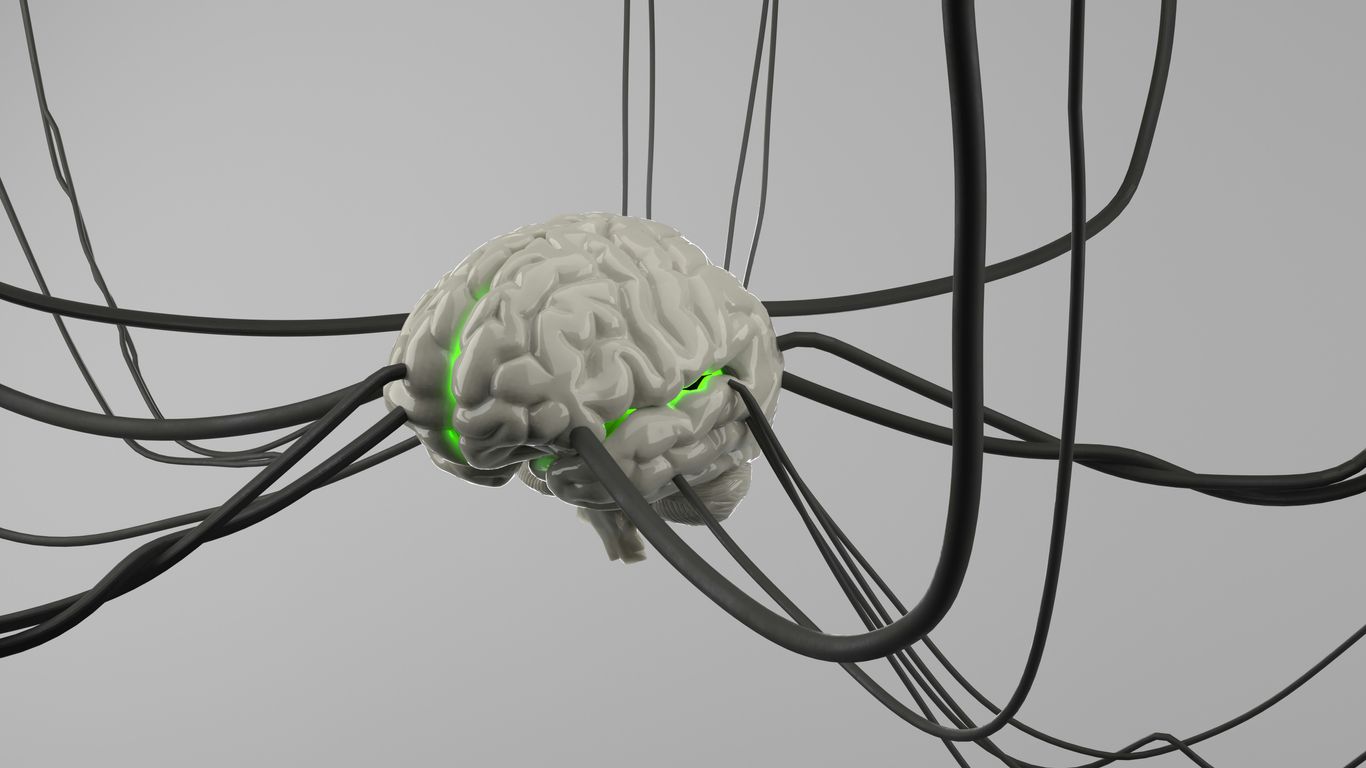
The BCI Conference 2026 was a whirlwind of new ideas and exciting progress. It felt like stepping into the future, honestly.
Keynote Speeches and Expert Panels
We heard from some really smart people who are pushing the boundaries of what’s possible with brain-computer interfaces. The discussions were pretty deep, covering everything from the latest in neuroscience to how we can actually use these technologies to help people. One of the big takeaways was the growing consensus on the need for interdisciplinary collaboration to really make BCI work in the real world. It wasn’t just about the tech itself, but how it fits into medicine, engineering, and even ethics.
Showcase of New Products and Technologies
This was the part where you could really see the progress. Companies and research labs showed off some seriously cool stuff. We saw:
- New implantable devices: These are getting smaller and more sophisticated, promising better integration with the brain for long-term use.
- Advanced non-invasive sensors: Think improved EEG caps and other wearable tech that can pick up brain signals with greater accuracy, making BCIs more accessible.
- Software platforms: Tools that make it easier to translate brain signals into commands for computers or prosthetic limbs.
It was impressive to see how far these products have come from just being lab experiments.
Collaborative Initiatives and Future Roadmaps
Beyond the individual breakthroughs, a lot of the conference focused on how we can work together. There were several announcements about new partnerships between universities and companies, aiming to speed up the process of getting these technologies from the lab into the hands of people who need them. Several roadmaps were presented, outlining key milestones for the next five to ten years, with a strong emphasis on clinical translation and widespread adoption. It’s clear that the BCI community is serious about making a real impact.
Looking Ahead
So, the BCI Conference 2026 really showed us that brain-computer interfaces are moving fast. We saw cool stuff like helping people with disabilities move better and even communicate. It’s not just science fiction anymore; it’s becoming real, with actual products and trials happening. There’s a lot of work still to do, especially getting these technologies from labs into everyday use and making sure they’re safe and helpful for everyone. But it feels like we’re on the edge of something big, and it’s going to be interesting to see what happens next.