
So, we’re looking ahead, past 2026. It’s easy to get caught up in the day-to-day, but what’s really coming down the pike? We’ve gathered some thoughts, not just the usual fluff you see everywhere, but some actual, you know, predictions. These are 10 predictions for the future that might actually make you stop and think. Some of it sounds a bit out there, but honestly, who knows what will happen? Let’s take a peek.
Key Takeaways
- Government support programs in agriculture are likely to change.
- More machines and robots will be used for farming, especially with specific crops.
- Ethanol might see a new surge in importance.
- Data centers will grow, and this could affect how much farmland costs.
- Big companies like Tyson might pull back from processing beef.
1. Government Subsidies
When we look beyond 2026, the role of government subsidies in agriculture is going to be a hot topic. It’s not just about direct payments anymore; it’s about how these funds shape the entire food system. We’re seeing a shift, and it’s likely to continue. Think about it: subsidies have historically influenced what crops get planted, how much is produced, and even where it ends up. This has a ripple effect, touching everything from commodity prices to the adoption of new technologies.
The future of these subsidies will likely involve more targeted support for sustainable practices and climate-smart agriculture. This means farmers might get incentives for things like cover cropping, reduced tillage, or improving water efficiency. It’s a move away from broad-stroke support towards rewarding specific environmental outcomes. This could also mean changes in how aid is distributed, potentially favoring smaller operations or those in vulnerable regions.
Here’s a quick look at what might be happening:
- Increased focus on environmental stewardship: Expect more programs tied to conservation efforts and carbon sequestration.
- Potential for new subsidy structures: Governments might explore revenue-based insurance or direct payments for ecosystem services.
- Global trade implications: How subsidies are structured in the U.S. will continue to impact international markets and trade agreements.
It’s a complex picture, and how these policies evolve will significantly impact the profitability and direction of farming. Federal outlays are projected to remain a significant portion of the economy, and agriculture will be a key area where these funds are directed [e3be]. This isn’t just about farm bills; it’s about national priorities and how we want our food system to look in the coming years.
2. Automation
It feels like we’ve been talking about automation forever, right? But 2026 is shaping up to be the year where all that talk actually turns into real action. We’re moving past the ‘let’s just see what happens’ phase and getting down to business with actual solutions that are supposed to make a difference. Think less about experimenting and more about putting these tools to work.
This shift means we’ll see more practical applications popping up across different industries. It’s not just about robots on an assembly line anymore; it’s about smart systems handling complex tasks. We’re talking about:
- Streamlining supply chains: Imagine goods moving faster and with fewer errors because automated systems are managing inventory and logistics.
- Improving efficiency in agriculture: From planting to harvesting, automated machinery and drones can take on repetitive or difficult jobs, freeing up human workers for more skilled tasks.
- Enhancing customer service: Chatbots and AI assistants are getting smarter, handling more complex queries and providing quicker responses.
The real impact will be felt as these technologies move from the lab to the field, proving their worth in everyday operations. It’s a big step from just having the tech to actually relying on it to get the job done. We’re also seeing a recalibration in how we think about AI’s role, moving beyond just large language models to a more nuanced understanding of how it drives automation and the future of work.
This isn’t just about replacing people, either. It’s about creating new roles and making existing ones less physically demanding or more data-driven. The focus is on turning that initial promise into tangible proof of value, making sure these automated systems are actually helping businesses and workers. It’s a big change, and it’s happening now, not in some distant future.
3. Robotics

It’s pretty wild to think about, but the number of robots out there is set to explode. We’re talking about a massive jump, potentially a hundred thousand times more robots than we have now, according to some predictions. This isn’t just about factory floors anymore; robots are showing up everywhere, doing all sorts of jobs. Think about agriculture, for instance. Robots are getting really good at tasks like picking delicate fruits or even planting seeds with incredible precision. This means fewer people might be needed for certain repetitive jobs, but it also opens up new roles for people who can design, maintain, and manage these machines.
We’re seeing advancements in autonomous technology really pick up steam. This is going to lead to more people actually using robots in their daily lives and work. It’s not science fiction anymore; it’s becoming a practical reality.
Here’s a quick look at what we might see:
- Precision Farming: Robots handling tasks like targeted weeding and harvesting, reducing the need for broad-spectrum chemicals.
- Logistics and Delivery: Autonomous bots moving goods around warehouses and even making local deliveries.
- Construction Assistance: Robots helping with repetitive or dangerous tasks on building sites.
- Elder Care Support: Simple robotic assistants helping with daily tasks for seniors.
The integration of robotics into everyday life is going to change how we work and live. It’s a big shift, and it’s happening faster than many people realize. Keeping up with these changes will be key for businesses and individuals alike.
4. Ethanol
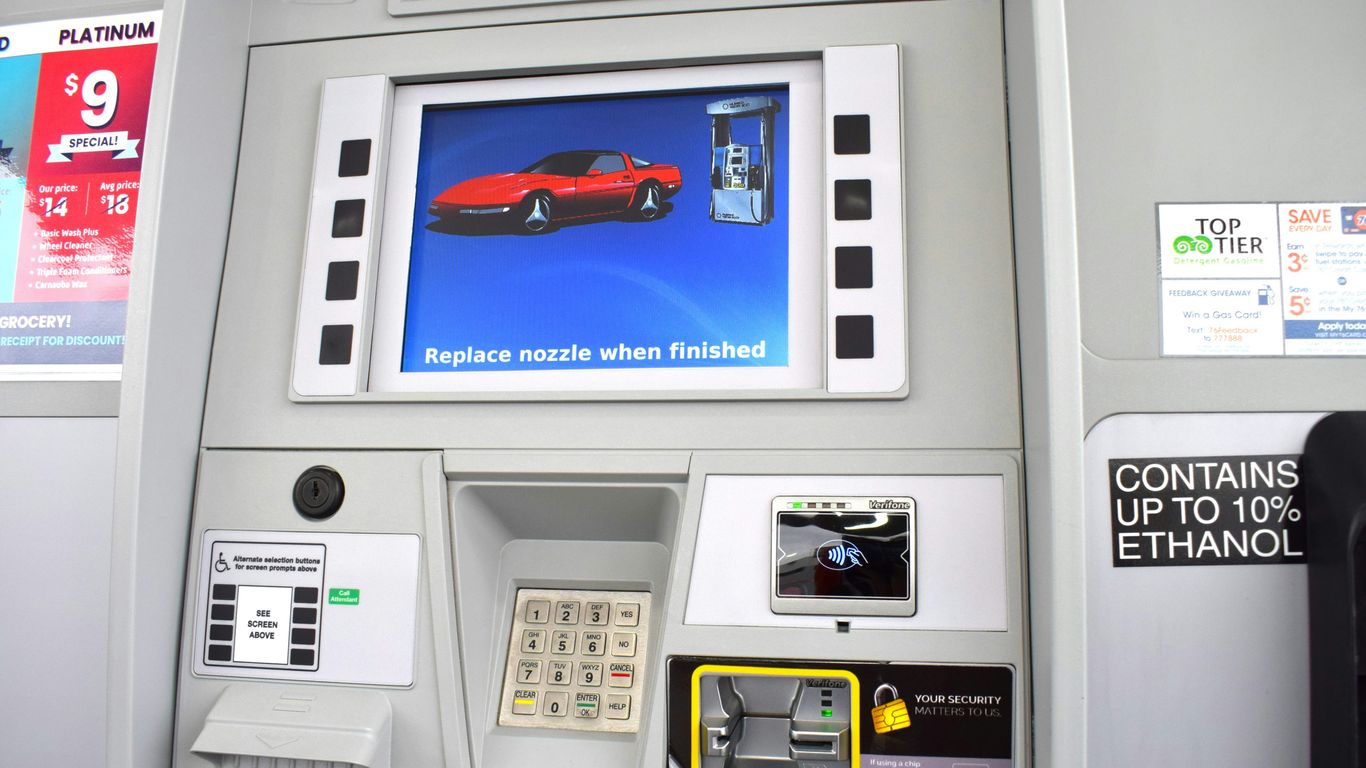
Ethanol is still a big deal, and it looks like it’s going to stay that way for a while. We’re seeing more and more of it being produced, which is pretty interesting. The U.S. Energy Information Administration (EIA) actually bumped up its predictions for how much fuel ethanol will be made. They’re now saying we’ll hit about 1.09 million barrels a day in 2026 and even 1.1 million barrels a day in 2027. That’s a solid increase from what they thought before.
This continued growth means ethanol isn’t just a temporary fix; it’s becoming a regular part of our energy mix. It’s not just about fuel, either. Ethanol is also finding its place in industrial chemistry, which opens up even more possibilities. Think about it: more uses mean more demand, and that usually leads to more production and innovation.
So, what does this mean for the future?
- Increased Investment: Expect more money to flow into ethanol production facilities and the technology that supports them.
- Diversified Feedstocks: While corn is king now, there might be a push to use other materials to make ethanol, making the process more sustainable.
- Policy Support: Government policies will likely continue to play a role, either through subsidies or mandates, to keep ethanol competitive.
It’s a dynamic market, and keeping an eye on ethanol production trends will be key for anyone involved in agriculture or energy.
5. Data Centers
You know, it’s wild how much we rely on these massive buildings full of computers. And it’s only going to get bigger. We’re talking about a huge jump in demand for data centers, like a 50% increase by 2027. That’s a lot of servers humming away.
This surge means we’re going to see some serious changes in how they’re built and run. Think about the power they need – it’s immense. So, expect more focus on things like generating power right there on-site, maybe even using natural gas, and definitely more advanced cooling systems. Liquid cooling is becoming a big deal because the old ways just can’t keep up with the heat generated by all that processing power. It’s all about keeping those machines running smoothly.
Here’s a quick look at what’s driving this:
- AI and Machine Learning: These technologies are incredibly data-hungry and require massive computing power.
- Cloud Computing Growth: More businesses and individuals are moving their data and operations online.
- Internet of Things (IoT): All those connected devices are constantly sending and receiving data, adding to the load.
The sheer scale of this expansion is going to reshape landscapes and energy consumption. It’s not just about building more buildings; it’s about smarter, more efficient ways to power and cool them. We’re seeing a real push for innovation in data center technology to handle this demand. It’s a fascinating area to watch, especially considering the environmental impact and the need for sustainable solutions moving forward.
6. Farmland Values
Okay, let’s talk about farmland. It’s been a pretty solid investment for a while now, and the trend doesn’t seem to be slowing down anytime soon. We’re seeing projections that show land values continuing to climb, with some experts predicting an 11% jump by 2030 alone. And it’s not just a short-term thing; the growth is expected to keep going.
So, what’s driving this? A few things, really. For starters, there’s the ongoing demand for food, which is pretty obvious. But also, we’re seeing a shift in how land is being used. Things like data centers are popping up, and they need space. Plus, the competition for resources like water is getting more intense, which can also put pressure on land availability and, consequently, its price. It’s a complex mix, but the takeaway is that owning farmland is likely to remain a valuable asset.
Here’s a quick look at what’s influencing these values:
- Demand for Food: Always a big one. More people means more mouths to feed, and farmland is the source.
- Urban Sprawl & Development: As cities grow, they eat into rural areas, reducing the amount of available farmland.
- Resource Competition: Water scarcity, for example, can make certain agricultural areas less viable, impacting land values there while potentially increasing them elsewhere. We’re already seeing projections about industrial water demand doubling by 2050, which will definitely create some interesting conflicts.
- Investment Interest: Farmland is seen as a stable, long-term investment, attracting both individual and institutional buyers.
It’s definitely something to keep an eye on if you’re involved in agriculture or just looking at where to put your money. The landscape is changing, and farmland values are a big part of that story.
7. Tyson
Tyson Foods has been a giant in the meat processing world for ages, but things might be shifting. There’s chatter about them potentially stepping back from beef processing. This could really shake things up for the whole industry.
Why the change? Well, it’s complicated. The costs of running these massive operations are always going up, and sometimes, the margins just aren’t what they used to be. Plus, consumer tastes are evolving, and companies have to adapt. It’s not just about churning out burgers anymore; it’s about meeting demand for different kinds of proteins and how they’re produced.
If Tyson does pull back, it opens doors for others. Smaller players might see an opportunity, or maybe other big companies will step in to fill the gap. It’s a big decision with ripple effects, and it’s worth keeping an eye on how their stock valuation plays out as these changes unfold. It’s a tough business, and staying ahead means making some hard choices.
8. Beef Processing
The beef processing industry is facing some interesting shifts. We’re seeing a lot of talk about consolidation, and honestly, it makes sense. Smaller plants just can’t keep up with the big players on efficiency and scale. This means fewer, but likely larger, processing facilities will be the norm.
This trend could lead to more specialized operations within these larger plants. Think about it: one facility might become a hub for specific cuts or even focus on different types of cattle. It’s not just about grinding meat anymore; it’s about precision and meeting diverse market demands.
Here’s what we might see:
- Increased use of technology: Automation and AI are already making waves in food production, and beef processing is no exception. We’re talking about better quality control, faster processing lines, and even improved worker safety through robotics. It’s all about making things smoother and more predictable.
- Focus on sustainability: Consumers are paying more attention to where their food comes from and how it’s produced. Processors will likely need to adopt more eco-friendly practices, from water usage to waste management. This isn’t just a nice-to-have anymore; it’s becoming a requirement.
- Supply chain resilience: Recent years have shown us how fragile supply chains can be. Beef processors will be looking for ways to build more robust systems, perhaps by diversifying their sourcing or investing in better logistics. This is something Australia’s red meat processing industry is also focusing on in their strategic plans [c722].
It’s a complex picture, but the drive for efficiency and adaptation is definitely shaping the future of how we get beef from the farm to our plates.
9. California
California’s role in food production is definitely going to look different by 2026. We’ve already seen some pretty warm winters, like the one in February 2026, which messed with the snowpack. This kind of weather pattern isn’t great for the state’s traditional farming, especially in areas that rely on that winter melt.
Expect a shift towards more water-wise crops and maybe even some farms moving to areas with more reliable water sources. It’s not just about the weather, though. The cost of doing business in California keeps climbing, pushing some operations to reconsider their long-term plans. Plus, with all the new tech and automation popping up in agriculture, the state might focus on high-value, specialized crops rather than bulk commodities.
Here’s a quick look at what might change:
- Water Scarcity: Continued challenges will force innovation in irrigation and crop selection.
- Technological Adoption: California could become a leader in ag-tech, focusing on efficiency and precision farming.
- Crop Diversification: A move away from water-intensive crops towards more resilient options.
- Economic Pressures: Rising costs might lead to consolidation or relocation for some agricultural businesses.
It’s a complex picture, but California’s agricultural sector is known for its adaptability. We’ll likely see it evolve, perhaps becoming a hub for cutting-edge farming techniques rather than just sheer volume. Experts at UCLA have been looking at these kinds of shifts, predicting changes across many sectors [cc9e]. It’s going to be interesting to watch how the Golden State navigates these waters.
10. Food Production
Looking ahead, the way we produce food is going to see some pretty big shifts. It’s not just about growing more; it’s about growing smarter and more sustainably. We’re talking about a future where technology plays a massive role, from the farm to our plates. Expect to see a significant increase in the adoption of precision agriculture techniques. This means using data to make every bit of land, water, and fertilizer count. Think sensors in the soil, drones monitoring crops, and AI helping farmers make better decisions faster than ever before.
This isn’t some far-off sci-fi concept either. The groundwork is being laid now for these changes. We’re already seeing how AI-driven demand forecasting can really cut down on waste and improve supply chains, with some research pointing to big improvements in accuracy and inventory management. It’s all part of a larger trend towards more efficient and responsive food systems.
Here are a few things to keep an eye on:
- Vertical Farming: Growing crops indoors in stacked layers, often in urban areas. This uses less land and water and can reduce transportation costs.
- Alternative Proteins: Beyond just plant-based burgers, we’re looking at lab-grown meats and insect protein becoming more common and accepted.
- Data Integration: Connecting all the dots from farm data to consumer preferences to create a more streamlined and less wasteful system.
These changes are being driven by a mix of factors, including climate concerns and the need to feed a growing global population. It’s a complex puzzle, but the innovation happening in food production is pretty exciting. The whole landscape of sustenance is really being reshaped by global challenges.
It’s going to be interesting to see how these advancements play out over the next few years and beyond.
So, What’s Next?
Alright, so we’ve thrown a bunch of ideas out there about what the world might look like after 2026. Some of it sounds pretty wild, right? But honestly, things change fast. It feels like just yesterday we were all figuring out how to use smartphones, and now look at us. It’s easy to get caught up in the day-to-day, but thinking about these bigger shifts is kind of important. Whether these predictions hit the mark or not, they’re meant to get us thinking about where things are headed and what we might need to get ready for. It’s not about having all the answers, but more about asking the right questions and maybe, just maybe, being a little more prepared for whatever comes next.
Frequently Asked Questions
What are government subsidies and how might they change?
Government subsidies are like financial help from the government to support certain industries. Think of it as a boost to help businesses grow or keep prices down. In the future, these subsidies might shift, maybe helping new technologies or changing how they support traditional farming.
How will automation and robotics affect farming?
Automation means using machines to do jobs that people used to do, and robotics is about using robots. In farming, this could mean robots planting seeds, picking crops, or even driving tractors. This might make farming faster and more efficient, but could also change the types of jobs available.
What’s the deal with ethanol and its future?
Ethanol is a type of fuel often made from corn. It’s been a big part of farming for a while. Looking ahead, there might be new ways to make ethanol or other similar fuels that are even better for the environment or more cost-effective.
Why are data centers important for farmland values?
Data centers are huge buildings full of computers that store and process information. As more of our lives go digital, these centers need more space. Sometimes, this means they might be built on or near farmland, which could affect how much the land is worth.
What’s happening with big companies like Tyson in the food industry?
Tyson is a major company that deals with meat. There’s talk that they might change their role in processing beef. This could mean shifts in how beef is prepared and sold, potentially impacting farmers and consumers.
How is California’s role in food production changing?
California is a huge producer of food in the U.S. However, things like water issues and changing farming practices might alter its position in the global food market. This could mean other places become more important for growing certain foods.