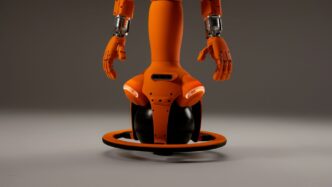
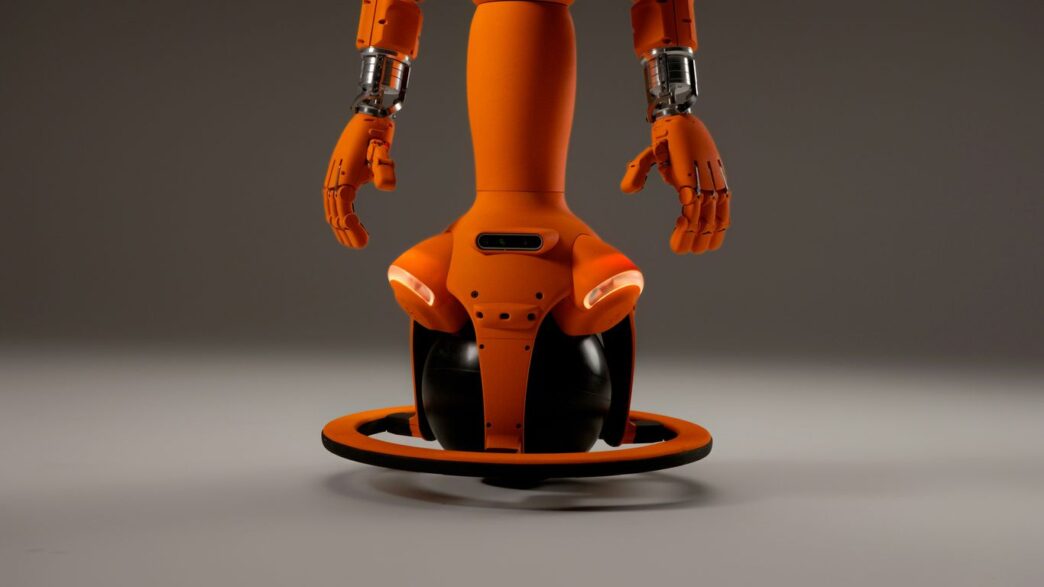
The Dawn of Advanced Humanoid Robots in 2025
It feels like just yesterday we were marveling at robots that could barely walk in a straight line. Now, here we are in 2025, and the landscape of humanoid robotics has completely shifted. We’re not just talking about clunky machines anymore; we’re seeing robots that are starting to look, move, and even interact in ways that were pure science fiction a decade ago. This isn’t just about making robots that look like us, though that’s part of it. It’s about giving them the brains and the brawn to actually do useful things in our world.
Understanding the Evolution of Humanoid Robotics
Think back to the early days. Robots were mostly confined to factory floors, performing the same repetitive task over and over. Humanoid robots, with their complex designs mimicking human form, were even more of a challenge. Early attempts were often slow, awkward, and expensive, more like proof-of-concept projects than practical tools. But a lot has changed. The big leap forward has been in artificial intelligence and the sensors that allow robots to ‘see’ and ‘feel’ their surroundings. This combination means they can now handle tasks that require more thought and adaptability.
Key Innovations Driving Humanoid Robot Capabilities
So, what’s making these robots so much better now? A few things really stand out:
- Smarter AI: Robots are getting much better at learning and making decisions on the fly. They can process information from their sensors to figure out how to pick up an object, avoid an obstacle, or even respond to simple commands.
- Better Movement: We’re seeing huge improvements in how robots move. They can walk more smoothly, balance better on uneven surfaces, and their arms and hands are becoming incredibly precise. This allows them to do more delicate tasks.
- Improved Sensors: Think of it like giving robots better eyes and a sense of touch. Advanced cameras, lidar, and tactile sensors let them understand their environment in much greater detail.
- Energy Efficiency: Making robots that can work for longer periods without needing a recharge is a big deal. Battery technology and more efficient designs are making this possible.
The Most Advanced Robot 2025: A Glimpse into the Future
Looking at the robots being developed today, it’s clear we’re on the cusp of something big. We’re seeing robots designed for everything from helping out in warehouses to assisting in homes. The goal is to create machines that can work alongside us, taking on the dangerous, dull, or difficult jobs. It’s not about replacing humans, but about augmenting our capabilities and making our lives easier and safer. The robots of 2025 are a significant step towards that future, blurring the lines between what machines can do and what we once thought only humans could.
Pioneering Humanoid Robots Redefining Industries
The world of humanoid robotics is really changing, moving past just being cool science projects. These robots are starting to show up in places where they can actually make a big difference, changing how businesses work and how we get things done. It’s pretty wild to see.
Ameca: Engineered Arts’ Masterpiece of Human-Robot Interaction
Engineered Arts has really outdone themselves with Ameca. This robot isn’t just about looking human; it’s built for interaction. Think about its facial expressions – they’re incredibly lifelike, which helps people feel more comfortable around it. Ameca is designed to be a partner, capable of understanding and responding to human emotions and cues. It’s being looked at for roles in customer service, where a friendly and responsive presence is key, or even in healthcare settings to help patients feel more at ease.
Tesla’s Optimus Gen2: Revolutionizing Daily Tasks
Tesla’s Optimus, especially the Gen2 model, is aiming for something a bit different. The idea here is to tackle jobs that are, well, boring, dangerous, or just plain repetitive. We’re talking about tasks in factories, warehouses, and maybe even around the house someday. Optimus Gen2 is supposed to be more capable than its predecessor, with better movement and the ability to handle more complex actions. Elon Musk has even suggested this robot could eventually be worth more than Tesla’s car business. It’s a bold claim, but it shows how much potential they see in robots taking on everyday chores and industrial work.
Atlas: Boston Dynamics’ Agility and Mobility Marvel
When you think of robots that can move, Boston Dynamics’ Atlas often comes to mind. This robot is a powerhouse of agility and dynamic movement. It can run, jump, and even do backflips – which, while impressive, also shows its advanced control systems and balance. Atlas is more of a research platform right now, pushing the boundaries of what’s physically possible for a bipedal robot. Its capabilities in navigating difficult terrain and performing complex physical maneuvers could pave the way for robots in search and rescue or other demanding environments where human access is limited.
Humanoid Robots in Action: From Factories to Homes
Digit: Agility Robotics’ Logistics and Package Handling Solution
Agility Robotics’ Digit is really making waves, especially in places that need a lot of moving around, like warehouses and delivery centers. Think about all those packages that need sorting and moving – Digit is built for that. It’s designed to work in spaces that humans use, which is a big deal. It can pick up boxes, move them, and put them down, all without needing a super controlled environment. This robot is pretty good at navigating around obstacles and can even handle different sizes and weights of packages. It’s not just about brute strength; it’s about being smart and adaptable in a busy setting.
Key features of Digit include:
- Bipedal locomotion: Allows it to walk and move like a human, making it suitable for human-centric environments.
- Dexterous manipulation: Capable of grasping and handling a variety of package types.
- Advanced perception: Uses sensors to understand its surroundings and avoid collisions.
Walker X: UBTECH Robotics’ Domestic Assistance Capabilities
UBTECH Robotics’ Walker X is aiming to bring advanced robotics right into our homes. This robot is pretty impressive, designed to help out with daily chores and provide assistance. Imagine having a robot that can help you with tasks around the house, maybe even prepare a simple meal or tidy up. Walker X has a sophisticated design with articulated arms and hands, allowing it to perform delicate operations. It’s also built to interact with its environment in a safe and intuitive way, which is important when you’re talking about robots in a home setting. The goal is to make everyday life easier and more convenient for people.
Some of the tasks Walker X is being developed for:
- Household chores like cleaning and tidying.
- Assisting with meal preparation.
- Providing companionship and support.
Figure 2: Bridging the Gap in Human-Robot Collaboration
Figure 2 is another robot that’s really pushing the boundaries, especially when it comes to working alongside people. It’s designed to be a collaborative partner, capable of performing tasks that might be too dangerous, repetitive, or simply tedious for humans. This robot looks quite human-like, which helps people feel more comfortable working with it. It’s got a pretty advanced AI that lets it learn and adapt to new tasks. Think about assembly lines or research labs where a robot could lend a hand, making the whole process more efficient and safer. Its ability to grasp objects with precision is a standout feature, making it useful for a wide range of applications.
Figure 2’s potential applications include:
- Industrial automation: Taking on repetitive or hazardous tasks on production lines.
- Human-robot collaboration: Working safely and effectively alongside human workers.
- Logistics and warehousing: Assisting with sorting, moving, and managing inventory.
The Cutting Edge of Embodied AI and Robotics
Physical AI: Robots Perceiving and Interacting with the World
It’s pretty wild to think about, but robots are starting to get a real sense of the world around them. We’re moving beyond just pre-programmed machines stuck in one spot. Thanks to advances in AI, especially things like neural networks and large language models, robots can now actually see and understand what’s happening in their environment. This means they can make decisions on the fly about how to move and act, which is a huge leap forward.
This idea of robots interacting with the physical world is often called "Physical AI" or "Embodied AI." It’s all about systems that use software and sensors to figure out their surroundings and adapt. Think of it like a robot learning to navigate a busy kitchen instead of just repeating the same few steps in a factory. This is starting to change a lot of industries, not just robotics, but also things like self-driving cars and even healthcare.
Overcoming Challenges in Real-World Robot Deployment
Putting robots into everyday situations isn’t as simple as it sounds. Take, for example, a robot designed to handle packages. It might work perfectly fine until it encounters a box with tiny holes meant for earthworms to breathe. If that box starts leaking, it could damage the robot. No amount of testing in a clean lab could have predicted that specific problem.
Or consider a robot placed in a hotel. In a factory, you can set rules: everyone wears safety boots, stay behind the lines. But in a hotel, a robot’s cameras might suddenly see a child’s bare feet after the kid hugged it. That unexpected interaction completely changes how safety systems need to be designed. These are the kinds of messy, unpredictable situations that robots need to handle.
The Future of Humanoid Robots in Unconstrained Environments
Despite the hurdles, the progress in embodied AI is really something. Robots are getting much better at sensing things, almost like they have a sense of touch. Their movement systems are improving too, with better motors and more agile designs, especially for robots that walk on four legs. We’re seeing real success in places like warehouses and manufacturing plants, where there’s a bit more structure than a typical home or public space.
Here’s a quick look at some of the areas seeing major development:
- Improved Sensory Input: Robots are gaining better ‘eyes’ and ‘ears’ through advanced cameras and microphones, allowing them to gather more detailed information.
- Advanced Locomotion: Four-legged robots are becoming more nimble, and even humanoid robots are improving their balance and ability to move across different surfaces.
- Dexterous Manipulation: The ability to pick up and handle a wide variety of objects, from delicate items to heavy boxes, is a key focus.
While there are still plenty of technical problems to solve, many people in the field are optimistic about where this is all heading. The goal is to have robots that can operate safely and effectively in places where humans live and work, without needing highly controlled conditions.
Innovations in Robot Dexterity and Perception
Advanced Grasping Capabilities for Complex Tasks
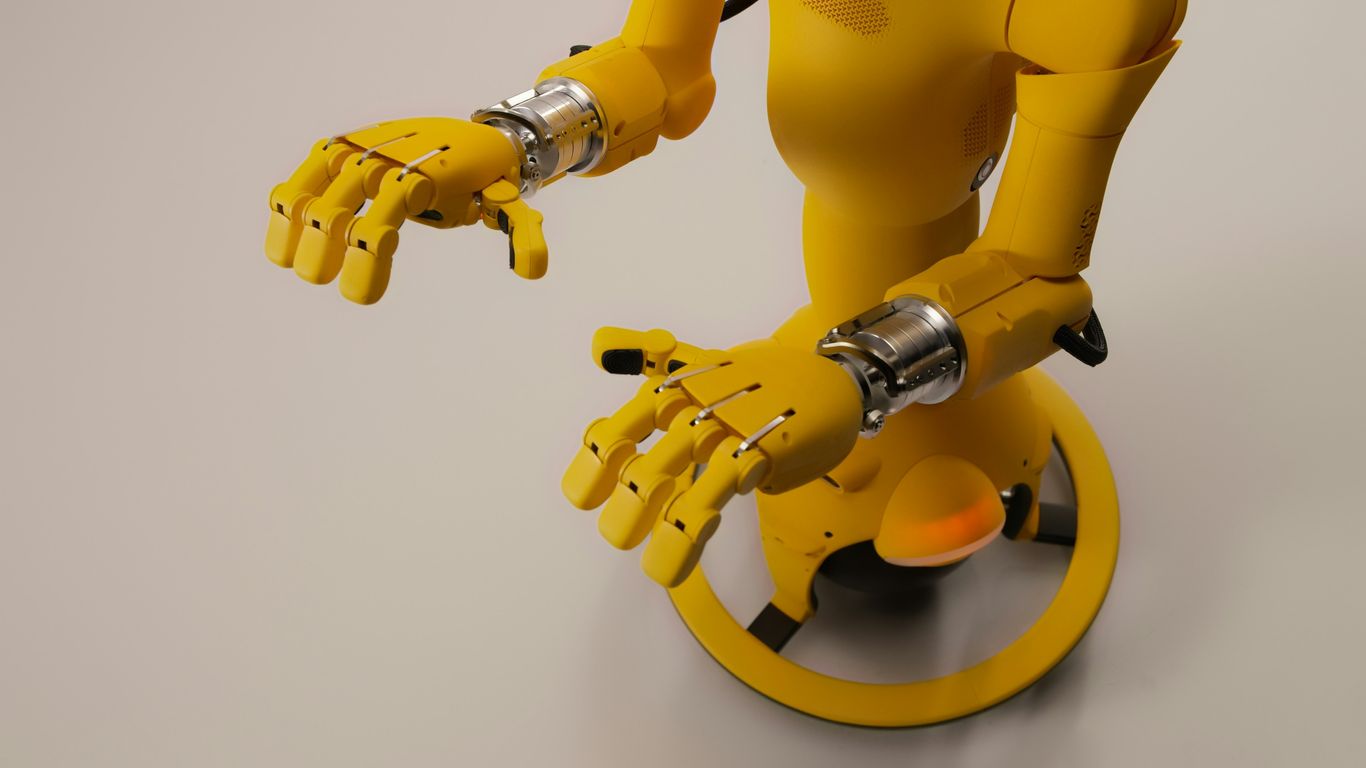
Robots are getting a lot better at actually doing things, not just moving around. Think about picking up something delicate, like a glass of water. For us, it’s automatic. For a robot, it’s a whole process. It needs to see the glass, figure out how much pressure to use so it doesn’t crush it, and adjust if something unexpected happens, like someone bumping the table. This involves complex calculations happening in milliseconds. Companies are building robots with better ‘hands’ that can handle all sorts of objects, from tools to packages, without dropping them or breaking them. It’s a big step from just pushing buttons.
Enhanced Sensory Perception for Diverse Environments
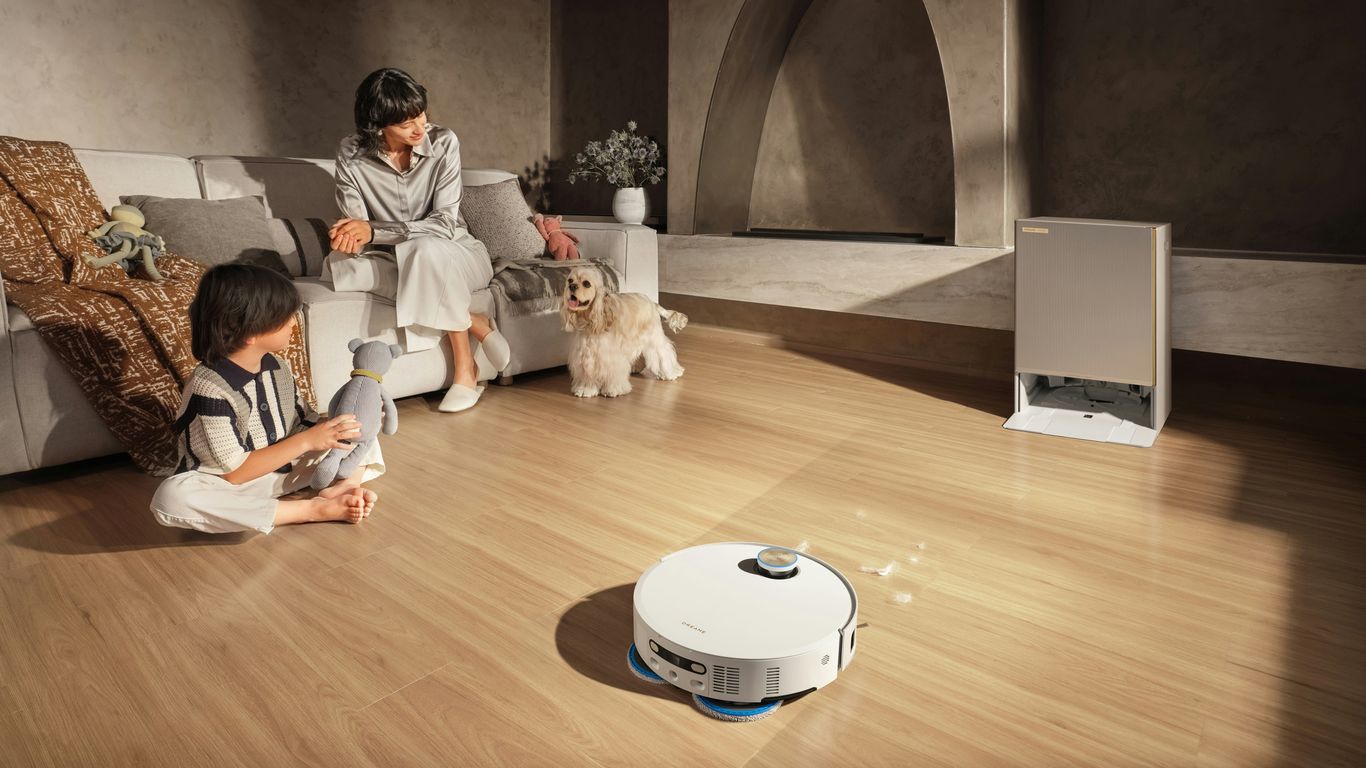
Robots are starting to ‘see’ and ‘feel’ the world around them in more detail. This isn’t just about cameras anymore. They’re using different sensors to understand textures, temperatures, and even subtle changes in their surroundings. Imagine a robot working in a warehouse; it needs to know if a box is about to fall or if the floor is slippery. Or consider a robot in a home – it needs to be able to tell the difference between a pet and a piece of furniture, and react appropriately. This ability to perceive and react to a wide range of situations is what makes robots more useful outside of controlled factory settings.
The Role of AI in Real-Time Robot Decision-Making
All this new information from sensors needs to be processed quickly. That’s where artificial intelligence comes in. AI helps robots make sense of what they’re sensing and decide what to do next, all in real-time. It’s like the robot’s brain, constantly learning and adapting. For example, if a robot is carrying a tray and someone suddenly walks in front of it, the AI needs to tell the robot to stop or change course instantly to avoid a collision. This rapid decision-making is key to robots working safely and effectively alongside people in everyday environments.
The Expanding Market for Humanoid Robotics
The market for humanoid robots is really taking off right now. It’s not just a niche thing anymore; these robots are showing up in more and more places. We’re talking about a market that was valued at around $1.8 billion back in 2023, and projections show it could jump to over $13 billion in just the next five years. That’s a pretty big leap, and it’s happening because the robots themselves are getting way better, especially with all the new AI and those human-like features they’re packing.
Market Growth Driven by AI and Human-Like Characteristics
It’s pretty clear that the advancements in artificial intelligence are a huge reason why this market is booming. AI is making these robots smarter, more interactive, and able to handle a wider range of tasks. Think about it: robots that can actually understand what you’re saying and respond appropriately, or ones that can learn from their environment. That’s a game-changer. Plus, as they look and act more like us, people seem more comfortable working alongside them or having them in their homes.
Emerging Trends in Healthcare and Commercial Applications
When you look at where these robots are popping up, healthcare is a big one. They’re being eyed for everything from helping out in hospitals – maybe assisting nurses with patient care or even just patrolling hallways for security – to dispensing medication. It makes sense, right? High-risk jobs or tasks that require a lot of repetitive motion could be perfect for robots. Beyond healthcare, commercial uses are also expanding rapidly. We’re seeing them in logistics, helping out in warehouses, and even in customer service roles. It’s all about finding tasks that are repetitive, dangerous, or just plain boring for humans.
Investment and Supportive Policies Fueling Robot Expansion
It’s not just the technology itself driving this growth. Governments and investors are really starting to pay attention. There’s more money flowing into robotics research and development, and many countries are putting policies in place to encourage this kind of innovation. This kind of support is what helps companies take big risks and develop these advanced machines. Plus, as more robots get out there and prove their worth, the costs are expected to come down, making them accessible to even more businesses and individuals. It feels like we’re on the cusp of seeing humanoid robots become a much more common sight in our daily lives.
The Road Ahead
So, looking back at all these amazing robots, it’s pretty clear we’re living in a wild time for technology. From robots that can do complex jobs in factories to ones that might one day help out around the house, the progress is just wild. It’s not like science fiction anymore, right? These machines are getting smarter and more capable every day. While there are still some tricky problems to solve, like making sure they’re safe and can handle all the messy stuff the real world throws at them, the future looks pretty exciting. We’re seeing robots move beyond just controlled spaces and start to show up where people actually live and work. It feels like we’re just at the beginning of seeing what these advanced robots can really do.