
The Vanguard of Advanced Robotics: Humanoid Innovations
It feels like just yesterday we were marveling at robots that could barely walk in a straight line. Now, we’re on the cusp of a new era, with humanoid robots that are genuinely starting to look and act like something out of science fiction. These aren’t just clunky machines anymore; they’re sophisticated creations designed to work alongside us, and sometimes, even take on tasks that are too dangerous or dull for people.
Beyond Imagination’s Beomni: A New Era of Human-Robot Interaction
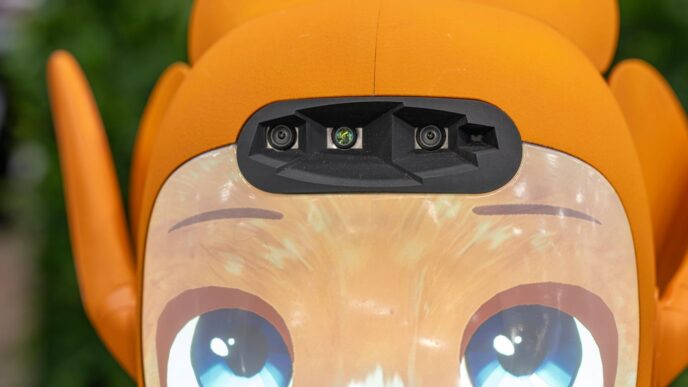
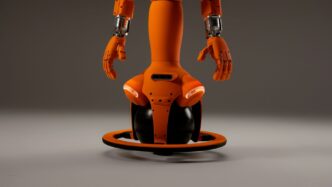
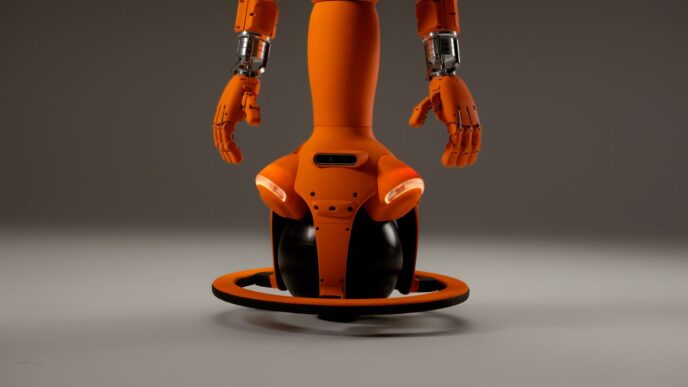
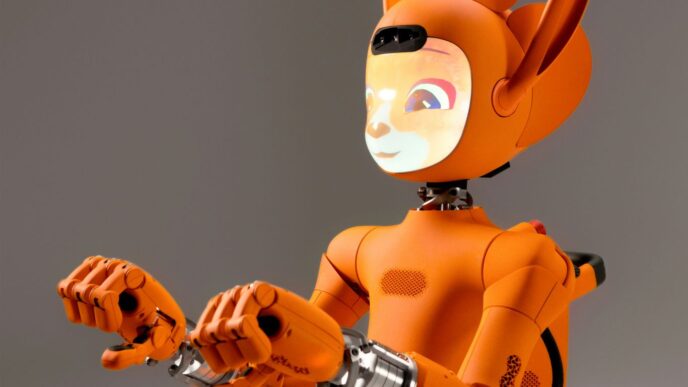
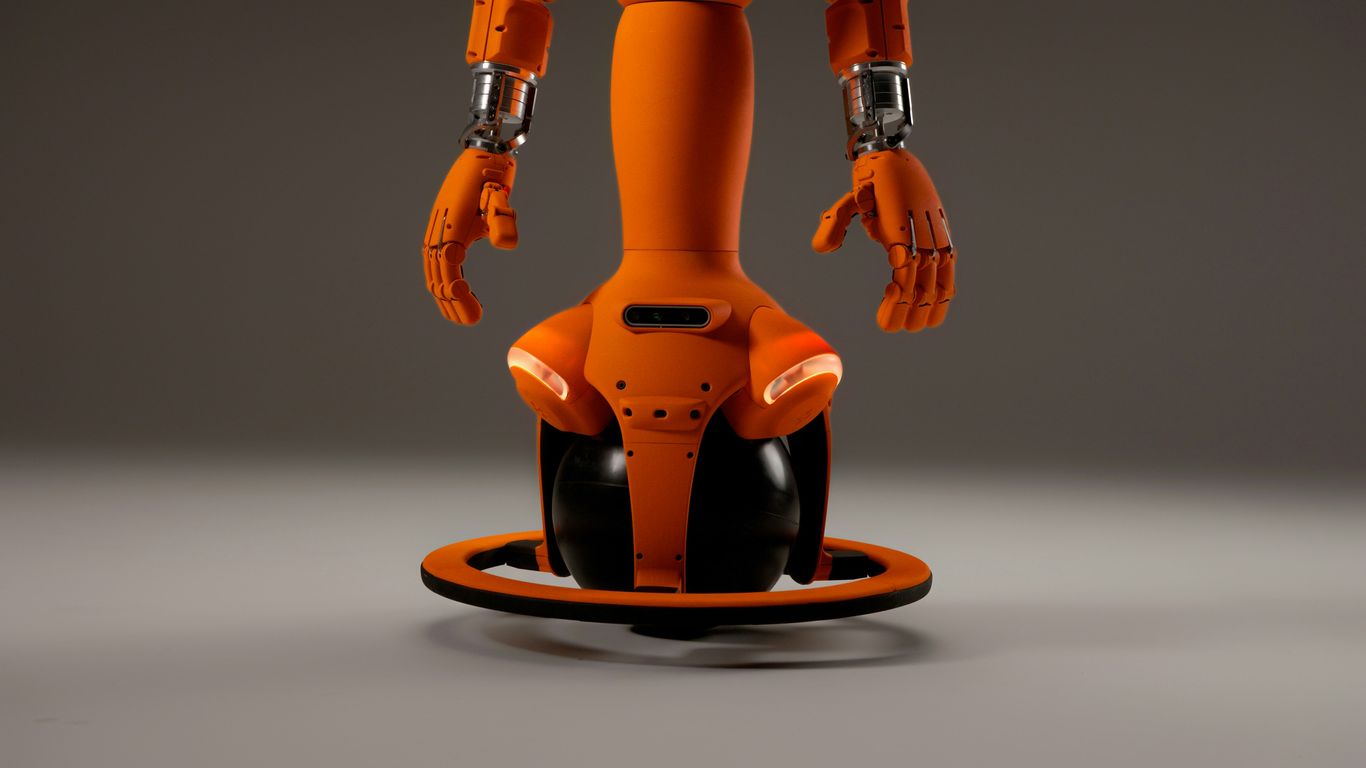
Beyond Imagination’s Beomni is really pushing the envelope when it comes to how humans and robots can interact. It’s designed to be incredibly adaptable, capable of learning and performing a wide range of tasks. Think of it as a highly skilled assistant that can be programmed for different jobs, from manufacturing to potentially even assisting in homes. The focus here is on making the robot intuitive to use and integrate into existing workflows.
Tesla’s Optimus Gen2: Revolutionizing Humanoid Robotics
Tesla’s Optimus, now in its second generation, is a name that’s hard to ignore. Elon Musk has big plans for this robot, envisioning it handling those jobs that are, well, dangerous, repetitive, and just plain boring. Optimus Gen2 is showing off improved mobility and dexterity, hinting at a future where robots like this could be doing everything from factory work to, eventually, household chores. It’s a bold vision, and Tesla’s track record suggests they might just pull it off.
Apptronik’s Apollo: Advanced Humanoid Creation for Logistics
Apptronik’s Apollo is another player making serious waves, particularly in the logistics sector. This robot is built for practical, real-world applications. It’s designed to be robust and capable of handling the demanding tasks found in warehouses and distribution centers. With its advanced design, Apollo aims to streamline operations, improve efficiency, and help manage the ever-growing demands of e-commerce and supply chains. Its ability to work in dynamic environments makes it a standout in the logistics space.
Pioneering Humanoid Robots Shaping Industries
It’s pretty wild how fast robots are moving beyond just the factory floor, right? We’re seeing these human-shaped machines pop up in all sorts of places now, doing things that used to be strictly human territory. It feels like we’re on the edge of something big, where robots aren’t just tools but actual partners in different jobs.
Think about Engineered Arts’ Ameca. This robot isn’t just about doing tasks; it’s designed to interact with us. Its facial expressions and movements are incredibly lifelike, making conversations and collaborations feel more natural. It’s like having a very advanced, very helpful assistant that can actually read the room, which is something you don’t see every day.
Then there’s Boston Dynamics’ Atlas. If you’ve seen videos of this thing, you know it’s something else. It can jump, run, and even do backflips. While its primary focus is research and development, showcasing what’s possible in terms of agility and mobility, its capabilities hint at future applications in complex environments where human dexterity is usually required. Imagine robots like Atlas being able to help in disaster zones or on construction sites where the terrain is really tricky.
Agility Robotics’ Digit is another one to watch, especially if you’re interested in how robots are going to help with deliveries and moving stuff around. Digit is built to handle packages and work in warehouses. It’s designed to be a real workhorse, making those repetitive, physically demanding jobs a lot easier for people. The goal is to streamline how goods get from one place to another, which could change how online shopping and supply chains work.
Here’s a quick look at what makes these robots stand out:
- Ameca: Focuses on human-robot interaction and communication through advanced expressions and gestures.
- Atlas: Pushes the limits of dynamic movement, balance, and physical problem-solving in unpredictable settings.
- Digit: Designed for practical logistics, capable of carrying boxes and navigating human-centric environments like warehouses and delivery routes.
These robots aren’t just cool tech demos; they’re actively being developed to solve real-world problems and change how industries operate. It’s a fascinating time to see how these machines are becoming more integrated into our working lives.
The Future of Physical AI: Key Humanoid Robot Developments
It feels like every week there’s some new robot making headlines, right? It’s getting hard to keep track, but that’s a good sign for progress. We’re seeing some really interesting stuff happening with physical AI, especially in the world of humanoid robots. These aren’t just clunky machines anymore; they’re starting to look and act more like us, which opens up a whole lot of possibilities.
One of the biggest shifts is how these robots are learning and adapting. It’s not just about pre-programmed movements anymore. Think about it:
- Learning from Experience: Robots are getting better at figuring things out on their own. They can observe, make mistakes, and then adjust their actions for next time. This is a huge step beyond just following a script.
- Better Interaction: The way robots interact with their environment and with us is changing. They’re becoming more aware of their surroundings, which means they can work more safely alongside people.
- Specialized Skills: We’re seeing robots designed for very specific jobs, but with the flexibility to learn new ones. This means they can be useful in more places than we might have imagined even a few years ago.
Sanctuary AI’s Phoenix is a good example of this. They’re building robots that can perform a wide range of tasks, aiming to contribute to a future where robots can help out in many different ways. Then there’s 1X’s Eve, which is being developed as a kind of AI-powered companion. It’s designed to be helpful in everyday situations, showing how far AI has come in creating robots that can understand and respond to us.
And we can’t forget the legacy of Honda’s Asimo. While it might seem a bit older now, Asimo was a trailblazer. It showed us what was possible with humanoid robots, paving the way for the more advanced machines we’re seeing today. It’s like looking back at an old flip phone when you’ve got the latest smartphone – it did its job, but it made us dream of what’s next.
These developments are really about making robots more capable and useful in the real world. It’s not just about building a machine that looks human; it’s about giving it the intelligence and adaptability to actually do things that matter.
AI Integration and Real-World Data in Robotics
The Learning Curve for Robots and Physical AI
So, we’ve got all these cool robots, right? Like the ones that can walk and pick things up. But here’s the thing: teaching them to actually do stuff in the real world is way harder than teaching a computer program to write an essay. Text-based AI, like the kind that writes articles or answers questions, can learn from tons of data scraped off the internet. Think about it – there’s so much text and images out there. Robots, though? They have to learn by actually doing things, by bumping into stuff, by picking up objects, and by seeing how the world reacts. This real-time interaction is slow. It’s like the difference between reading a book about riding a bike and actually trying to ride one. You can read all you want, but you won’t get good until you get on and fall a few times.
Beyond Imagination’s Aura: A Universal Operating System
This is where companies like Beyond Imagination are trying to make things easier. They’re working on something called Aura, which is basically a universal operating system for robots. The idea is that instead of each robot needing its own custom software for every single task, Aura could act as a central brain. This would make it much simpler to get robots to learn new skills and adapt to different jobs. Imagine being able to download a new skill for your robot like you download an app on your phone. It’s a big step towards making robots more flexible and easier to use across different industries. It’s all about trying to bridge that gap between the digital world of AI and the messy, unpredictable physical world.
Navigating the Challenges of Physical Robot Training
Training physical robots is a whole different ballgame. Unlike AI that can process massive datasets simultaneously, robots need to learn through direct experience. This means a lot of trial and error, which can be time-consuming and expensive. For example, a robot learning to assemble a car part needs to understand not just the shape of the part, but also its weight, texture, and how it fits with other pieces. It also needs to learn how to adjust its grip if the part is slightly off or if the lighting changes. This requires sophisticated sensors and advanced AI that can interpret all that real-world feedback. It’s a complex process, and getting it right is key to making these advanced robots truly useful in our everyday lives and workplaces.
Transforming Industries with Advanced Humanoid Robots
It’s pretty wild how fast robots are moving beyond just factories and into places we interact with every day. We’re talking about robots that can actually do jobs that used to be just for people, and they’re getting really good at it. This isn’t science fiction anymore; it’s happening now, and it’s changing how businesses work.
Automotive Assembly and High-Precision Manufacturing
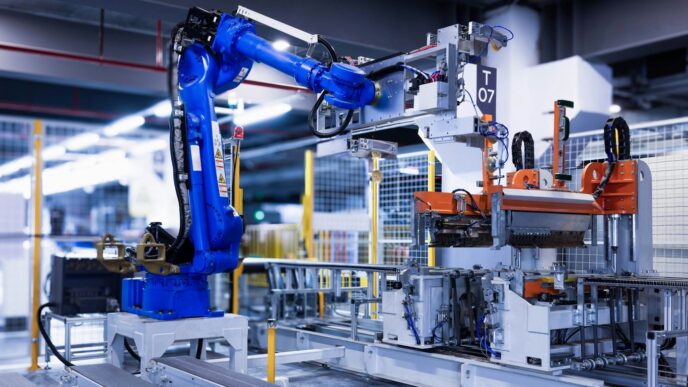
In car factories and places that need super precise work, like making computer chips, humanoid robots are becoming a big deal. Think about putting together a car – there are tons of repetitive tasks, some in really tight spots or with heavy parts. Robots can do these jobs all day without getting tired or making mistakes. They’re also being used for things like welding and putting components together with incredible accuracy. This means better quality products and faster production lines. It’s a big step up from the older, clunkier robots.
Pharmaceutical Manufacturing and Chip Fabrication
When you need to make medicines or those tiny computer chips, cleanliness and exactness are everything. Humanoid robots are perfect for these cleanroom environments. They can handle delicate materials, perform complex assembly steps, and work with chemicals without risking contamination. Because they can be programmed for very specific movements, they’re ideal for tasks that require a human-like dexterity but with robotic precision. This is a game-changer for industries where even the smallest error can be costly.
The Role of Humanoid Robots in Public Services
Beyond factories and labs, humanoid robots are starting to show up in public service roles. Imagine robots helping out in disaster zones, doing search and rescue, or even assisting firefighters. These are jobs that are dangerous or just plain tough for humans. They can go into places that are too risky for people, carry heavy equipment, or provide support in chaotic situations. We’re also seeing them in roles like security patrols, helping to keep places safe, and even assisting in hospitals with tasks like delivering supplies or monitoring patients. It’s all about using robots to help people and make difficult jobs safer and more manageable.
The Evolving Landscape of the Most Advanced Robots 2025
It feels like just yesterday we were marveling at robots that could barely walk. Now, in 2025, the scene is totally different. We’re seeing humanoid robots that aren’t just prototypes anymore; they’re actually starting to show up in factories and warehouses. The market for these machines is growing fast, and it’s not just a niche thing anymore. Think about it – a few years ago, the whole humanoid robot market was worth maybe a couple of billion dollars. Now, projections show it could be over ten times that in just a few years. That’s a huge jump.
Market Growth and Future Trends
This growth isn’t happening out of nowhere. It’s fueled by a bunch of things. For starters, the tech inside these robots is getting way better. AI is making them smarter, more adaptable, and able to do more complex jobs. Plus, companies are realizing these robots can handle tasks that are dangerous, boring, or just plain hard for people. We’re talking about things like working on assembly lines, moving heavy stuff, or even helping out in places like hospitals. It’s a big shift from just having robots do simple, repetitive tasks.
Key Features of Next-Generation Humanoid Robots
So, what makes these new robots so special? Well, they’re getting much more agile. They can walk faster, balance better, and their hands are becoming incredibly precise. Some are even getting lighter, which makes them easier to move around and use in different settings. It’s not just about brute strength anymore; it’s about finesse and adaptability.
Here are some of the features we’re seeing more of:
- Improved Mobility: Robots can now navigate varied terrain and move with greater speed and stability.
- Dexterous Manipulation: Advanced grippers and hand designs allow for handling delicate objects and performing intricate tasks.
- Enhanced Sensing: Better sensors mean robots can perceive their environment more accurately, leading to safer and more efficient operation.
- AI Integration: Onboard AI allows for real-time decision-making and learning from experiences.
The Impact of AI on Humanoid Robot Capabilities
Artificial intelligence is really the secret sauce here. It’s what allows these robots to learn, adapt, and perform tasks that require a level of judgment. Instead of just following pre-programmed instructions, they can now figure things out on the fly. This means they can be used in a wider range of situations, from manufacturing to potentially even helping out around the house someday. It’s a pretty exciting time to see how this all plays out.
The Road Ahead
So, looking at all these amazing robots, it’s pretty clear we’re not just talking about science fiction anymore. Things like Tesla’s Optimus and Boston Dynamics’ Atlas are showing us what’s really possible. Companies like Beyond Imagination are even getting big investments to build robots for tough jobs. It’s a bit wild to think about, but these machines are getting better at helping out in factories, maybe even our homes someday. The tech is moving fast, and while robots still have a ways to go before they’re doing everything perfectly, the progress we’re seeing in 2025 is definitely something to keep an eye on. It feels like we’re on the edge of something big.