

You know, it’s easy to think of tech giants as just companies making apps or gadgets. But lately, it feels like a few very wealthy individuals, the tech oligarchs, are doing way more than just running businesses. They’re actually starting to change how countries work together and who holds the real power on a global scale. It’s like they’ve gone from influencing things at home to playing a huge game of international chess, and it’s worth looking at how that’s happening.
Key Takeaways
- A small group of tech oligarchs now have a lot of influence over global systems, not just through their companies but through the ideas and goals embedded in the empires they lead.
- These tech leaders often share common goals, like avoiding strict rules and getting access to massive amounts of data worldwide, which drives their ambitions for greater power.
- Tech oligarchs are increasingly influencing governments, sometimes by using corporate structures that give founders a lot of control, allowing them to push their own political agendas.
- The world is seeing a shift where national power is being chipped away as private tech infrastructures become deeply integrated into government functions, creating fragmented authority.
- The concentration of power in the hands of these tech oligarchs has significant global consequences, shifting political landscapes and leading to new forms of techno-nationalism and international tension.
The Rise of Tech Oligarchs and Global Power
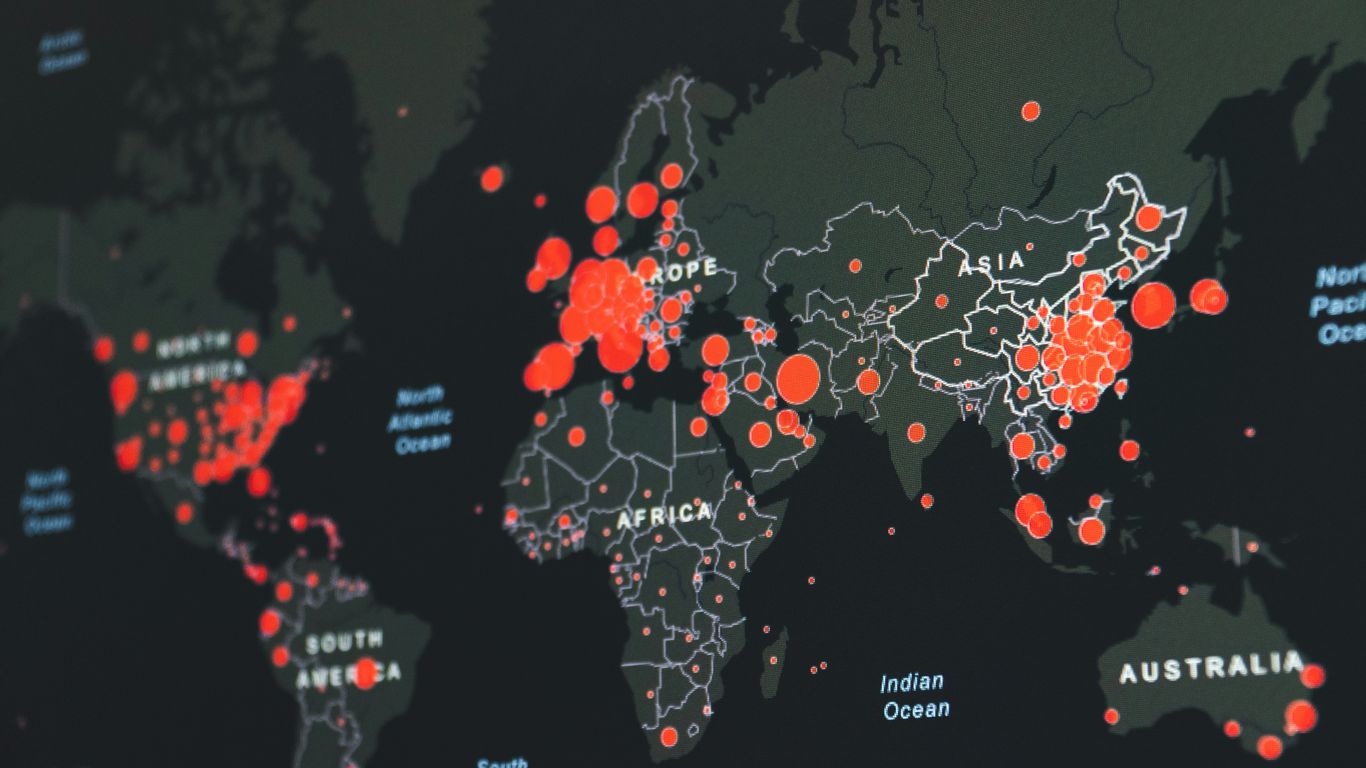
It feels like just yesterday that tech billionaires were mostly known for, well, tech. You know, building websites, making apps, that sort of thing. But things have really shifted. Now, these individuals aren’t just running companies; they’re practically running the world, or at least a big chunk of it. It’s like they’ve moved from just influencing things at home to playing a massive game of geopolitical chess. Their influence has grown so much that it’s reshaping how countries interact and how power is distributed globally.
From Domestic Influence to Geopolitical Chessboard
Think about it: the same people who are building the digital highways we all use are now setting the rules of the road, not just for us, but for governments too. They’ve built these incredible private infrastructures, from private airports to secure communication channels, that let them operate in a world separate from the rest of us. This isn’t just about personal convenience; it’s about creating a system where they can exert power without the usual checks and balances. They’re not just citizens anymore; they’re becoming players on a global stage, making decisions that affect international relations and national policies. It’s a big change from just being a wealthy entrepreneur. We’re seeing a situation where private power is increasingly dictating global affairs.
Concentration of Global Influence in Private Hands
What’s really striking is how much power has ended up concentrated in the hands of just a few individuals. It’s not just about owning a lot of stock; it’s about controlling the very systems that societies rely on. These tech giants provide the cloud services, the communication networks, and the data analysis tools that governments and businesses worldwide depend on. This reliance gives them an incredible amount of sway. They’re not just selling products; they’re embedding their own worldviews and priorities into the global infrastructure.
Worldviews Embedded in Global Infrastructures
Every piece of technology we use, from our phones to the servers that run the internet, comes with a certain way of thinking built into it. When a small group of people controls these technologies, their perspectives and goals inevitably get woven into the fabric of global systems. This means that the way we communicate, the way governments operate, and even how we understand the world can be shaped by the private interests of a few tech leaders. It’s a subtle but powerful form of influence, where their personal ambitions can become global realities without most people even realizing it.
Shared Incentives Driving Tech Oligarch Ambitions
It’s fascinating, and maybe a little scary, how many of these tech titans seem to be on the same page when it comes to what they want. They might be competing fiercely with each other, but their core goals often line up. Think of it like different companies all needing the same raw materials to build their products; these oligarchs need similar conditions to grow their power.
The Drive for Regulatory Avoidance
One of the biggest shared goals is staying out from under the thumb of regulators. It’s not just about dodging rules in the US, either. These companies actively lobby to get other countries, like those in Europe, to ease up on things like AI regulations or digital competition laws. They see strict rules anywhere as a threat to their global reach. They understand that avoiding oversight at home isn’t enough if major markets abroad start imposing restrictions that limit their operations or force them to change how their systems work. It’s a constant push to keep their hands as free as possible, allowing them to operate and expand without too many checks and balances.
The Necessity of Planetary-Scale Data Access
Beyond just avoiding rules, there’s a massive hunger for data. And we’re not just talking about what you click on or buy. This includes information held by governments, data from industries, and even details about how people move around. Having access to this vast amount of information, on a global scale, is what fuels their most ambitious projects, especially in artificial intelligence. It’s the fuel for training bigger, more powerful models, which in turn gives them more influence. This creates a feedback loop where more data leads to more powerful AI, which leads to more influence, and so on. It’s a cycle that concentrates power in their hands.
Parallel Movements in Competing for Dominance
These shared needs mean that even when they’re rivals, they often end up doing similar things. For instance, some companies are leaning into geopolitical rivalries, hoping to snag government subsidies and support. Look at how companies are seeking lucrative partnerships with defense agencies. This alignment with national interests can provide not just financial help but also a way to stay relevant and profitable, especially as defense budgets grow. It’s a strategy that benefits many of them, even if they’re competing for the biggest slice of the pie. This competition for capital and influence means that citizens and even entire nations can end up being treated more like resources than people with a say in how things are run. It’s a dynamic that’s reshaping global power structures in ways we’re only beginning to understand.
State Capture by Tech Oligarchs
It’s getting pretty wild out there, isn’t it? We used to think of big tech companies as just, well, companies. They made stuff we used, and sure, they got rich. But now, it feels like they’re not just playing the game, they’re rewriting the rules. And it’s not just about lobbying or campaign donations anymore, though that’s still a thing. We’re talking about a whole new level of influence.
Exercising Power Through State Apparatuses
Think about it. These tech giants control so much of the digital world we live in. It’s like they’ve built the roads, the power lines, and the communication networks, and now they can decide who gets to use them and how. Remember that whole Starlink situation in Ukraine? Elon Musk basically turned off access to a critical service, and suddenly he’s a major player in a geopolitical conflict. He didn’t need to convince any politicians; he just flipped a switch. That’s a different kind of power than just donating money to a campaign.
Two-Tiered Shareholding Structures and Political Agendas
Part of how they do this is through how their companies are set up. Many of these tech firms have these special share structures. It means the founders, the big bosses, can keep control even if they don’t own most of the company anymore. This lets them push their own political ideas, sometimes even if it doesn’t make the company the most money. It’s like they’re running their own little kingdoms within the bigger country, and they can use the company’s resources to get the government to do what they want. It’s not about making the best product; it’s about making sure the government lines up with their personal vision.
Privatizing the Legislative Order
This is where it gets really interesting, and honestly, a bit scary. When companies can effectively control government actions by simply controlling the technology we all depend on, it’s like they’re taking over the law-making process. They’re not just influencing laws; they’re shaping the very systems that governments use. It’s a way of making the rules of the game work for them, without having to go through the messy business of actual democracy. It’s like they’re building their own private legislative order, right under our noses.
Fragmented Sovereignty and Infrastructural Empires

It’s getting pretty wild out there, isn’t it? The way these tech giants operate now, it’s like they’re not just companies anymore. They’re carving out their own little territories, not on maps with borders, but within the very systems that run our governments. Think about it: governments are increasingly relying on private tech infrastructures for everything from managing citizen data to running critical services. This isn’t just about outsourcing; it’s about embedding the logic and priorities of these tech empires directly into the state’s machinery.
Embedding Infrastructures into Government Systems
Governments worldwide are finding themselves dependent on a handful of tech platforms and services. This dependency isn’t accidental. These companies build their systems in a way that makes them hard to replace, creating a sticky situation for public institutions. When a government uses a specific cloud service, or a particular data analytics tool, it’s not just buying a product; it’s adopting an architecture. This architecture comes with its own set of rules, its own ways of organizing information, and often, its own built-in biases. This reliance means that the operational logic of private tech firms is becoming the operational logic of public administration. It’s like building your house with someone else’s tools, and then finding out those tools dictate how you can even arrange your furniture.
Carving Out Domains of Influence
Each of these tech oligarchs and their associated companies are essentially claiming specific areas of governance as their own. It’s not like they’re planting flags, but they are establishing control over crucial digital territories. For example, one might dominate the space for citizen identity management, another for secure communication networks, and yet another for data processing and analysis. This creates a patchwork where different parts of the government are beholden to different private interests. It’s a bit like the old days when powerful families controlled different aspects of a city, but now it’s happening on a global scale, through digital means.
Here’s a look at how this might play out:
- Identity Management: A company’s platform becomes the standard for verifying who is who, influencing access to services.
- Data Infrastructure: Government data is stored and processed on private servers, giving those companies insight and control.
- Communication Networks: Essential government communications rely on private networks, potentially creating vulnerabilities or dependencies.
- Algorithmic Governance: Decisions about resource allocation or public services might be influenced or made by algorithms developed and controlled by private entities.
The Erosion of Unified State Authority
When different parts of the state are increasingly managed by or dependent on separate, competing private infrastructures, the idea of a single, unified state authority starts to break down. It becomes harder for a government to act cohesively or to set its own independent agenda when its core functions are outsourced or dictated by external tech powers. This fragmentation means that the state’s ability to govern effectively, to respond to its citizens, and to maintain its own sovereignty is weakened. It’s a slow hollowing out, where the substance of state power is increasingly held by private entities, even if the outward appearance of state authority remains.
The Geopolitical Implications of Tech Oligarchs
It’s getting pretty wild out there, isn’t it? The same tech billionaires who seem to be running things domestically are now playing a much bigger game on the world stage. Washington, D.C. feels less like the capital of a nation and more like a giant chessboard for these folks. The real question isn’t just about who’s got the best tech anymore; it’s about who gets to decide how global systems are built.
Washington as the Central Arena for Power Projection
Think about it: the United States is often the starting point for these tech empires, but their influence doesn’t stop at the border. Governments everywhere, from Europe to Asia, rely on their cloud systems and platforms for critical operations. It’s like their worldviews are being shipped out along with the software. This concentration of global influence in private hands is a pretty big deal, and it’s reshaping how countries interact. We’re seeing a shift where public authority is starting to look a lot like private empires.
Shifting Political Alignments and Donor Class Dominance
These tech oligarchs aren’t just passively influencing things; they’re actively shaping them. They use their wealth, often through complex corporate structures with special voting shares, to push their own political agendas. It’s not just about lobbying anymore; it’s about getting governments to make rules that benefit their businesses. This can mean things like getting government subsidies for their companies or pushing for regulations that favor their technologies. For example, companies like Intel have leaned into geopolitical rivalries, hoping to get government support through initiatives like the CHIPS Act. It’s a way for them to get financial help and potentially revive their market position. Other firms are looking for partnerships with the Department of Defense as defense spending goes up. This whole situation is leading to a real fragmentation of interests, even within what used to seem like a unified tech sector. A new group of wealthy tech leaders is challenging the old guard, trying to shift control from traditional finance to less regulated tech capital. It’s less about taking over the government and more about using government power to build their own empires.
Techno-Nationalism and Emerging Tensions
As countries, especially the US, start focusing more on their own industries with things like tariffs and subsidies, it’s creating new tensions. Even traditional allies are feeling the strain. The US government’s push for national industrial policy means that American tech firms are getting preferential treatment, which can put European companies at a disadvantage. This techno-nationalism is a double-edged sword. While it might boost some domestic tech companies, it also creates friction within international alliances. It’s a complex dance where national security interests and private tech ambitions are becoming increasingly intertwined, and the global order is feeling the effects. The way these tech giants operate, often by carving out their own spheres of influence, reminds some people of historical oligarchs dividing up states. Any new player, especially from overseas, has to play by their rules or risk being shut out. It’s a constant push and pull to see whose vision gets embedded into the state’s operations.
A New Era of Oligarchic Empire
Claimants to Sovereignty Beyond Invention
It’s becoming clear that we’re not just talking about rich people with fancy gadgets anymore. These tech leaders aren’t just building companies; they’re starting to act like they own the place, and not just their own businesses. They’re claiming a kind of authority that used to belong only to governments. Think about it: they control the flow of information, the digital highways we all use, and even the tools governments themselves rely on. It’s like they’ve invented a new kind of kingdom, one built on code and data instead of land and armies.
Collapsing Boundaries Between Public and Private
This whole situation blurs the lines between what’s ours as a society and what’s theirs as private entities. When a government needs to manage its citizens’ data, or provide essential services, it often has to turn to these tech companies. These companies then embed their own systems, their own rules, right into the heart of public functions. It’s not that they’re trying to escape politics; they’re trying to reshape it to fit their own goals. They present themselves as these forward-thinking visionaries, but really, they’re just redirecting public resources and authority towards their own private empires. It’s a bit like those old colonial companies that acted like mini-states, but now it’s happening on a global digital scale.
Redirection of Politics Towards Private Ends
So, what does this mean for how we do things? Well, it means politics isn’t really about public debate and democratic choices as much anymore. Instead, it’s increasingly about serving the interests of these few powerful individuals and their companies. They’re not just influencing policy; they’re practically writing it, or at least making sure it works for them. This shift is happening everywhere, not just in the US. Governments around the world are finding themselves dependent on these private infrastructures, which means their priorities start to align with the oligarchs’ agendas. It’s a quiet takeover, where the old rules of public service are being rewritten by private ambition.
The New Landscape of Power
So, what does all this mean for us? It’s pretty clear that a handful of tech bigwigs are now calling a lot of the shots, not just in what we see and do online, but in how countries run and how the world works. They’ve built these massive systems that we all rely on, and their ideas are baked right into them. It’s not just about new gadgets or fancy code; it’s about who gets to decide what’s next. The real worry isn’t some sci-fi robot takeover, but that the people in charge of these huge global networks are getting pretty disconnected from everyday folks and the institutions that are supposed to serve us. Their way of seeing things is spreading everywhere, and it’s changing how governments operate, often in ways that benefit them more than the public. We’re seeing power shift away from public control and into the hands of these private empires, and that’s a big deal for everyone.
Frequently Asked Questions
Who are these ‘tech oligarchs’ the article talks about?
Think of the super-rich people who own and run huge technology companies, like the ones that make your phone apps, social media, or search engines. These individuals have become incredibly powerful, not just in business, but also in influencing how countries and the world work.
How are these tech leaders changing global power?
These tech leaders are using their companies’ technology and vast amounts of money to influence governments and international decisions. They build the digital systems that many countries rely on, which gives them a lot of say in how things are run, sometimes more than elected officials.
Why are they trying to avoid rules and regulations?
Tech companies often want fewer rules so they can grow faster and make more money without restrictions. They also want to make sure that rules in one country don’t stop them from operating freely in other countries around the world.
What does ‘state capture’ mean in this context?
It means that powerful tech leaders are influencing government decisions and laws to benefit their own companies and personal goals. Instead of governments making rules for the public good, these leaders are sometimes able to shape the rules to fit their own interests.
How does this affect countries’ ability to make their own decisions?
When countries rely heavily on technology and systems built by these private companies, it can weaken their own power. It’s like parts of the government start running on the rules and logic of these tech empires, making it harder for the country to act independently.
Is this a new problem, or has it happened before?
While the technology is new, the idea of very wealthy individuals or powerful companies having too much influence over governments isn’t entirely new. However, the scale and speed at which tech oligarchs are reshaping global power structures today is unprecedented.