
Remember pagers? Those little devices that beeped to let you know someone was trying to reach you. They seem like a thing of the past, right? Well, think again. In a world full of smartphones and instant messaging, pagers are still quietly doing their job, especially for doctors. This article looks at why this old-school tech is still a big deal in hospitals and other critical places.
Key Takeaways
- Pagers remain reliable and functional in healthcare settings where consistent communication is vital, even with modern technology available.
- Their simple design and dedicated frequencies allow pagers to work in areas where cell signals are weak or unavailable, like inside hospitals.
- Pagers offer a direct and fast alert system, cutting through the noise of smartphone notifications and ensuring critical messages reach the pager doctor quickly.
- Compared to smartphones, pagers have a smaller digital footprint, making them less vulnerable to cyber threats and better suited for sensitive medical information.
- Despite advancements, the pager doctor’s tool is still a trusted and widely used method for communication in over 80% of hospitals due to its dependability.
The Enduring Reliability of the Doctor’s Pager
It’s a question that might bring a nostalgic smile or a furrowed brow: can you still buy pagers? In our hyper-connected world of smartphones that do everything but make our coffee, the idea of a device that simply beeps to get your attention feels like a relic. Yet, the answer is a resounding yes, and perhaps more surprisingly, they’re still very much in use, especially in critical fields.
Why Pagers Persist in Critical Fields
Think back to the ’90s, and you’ll remember the ubiquitous pager, or ‘beeper.’ These small, often monochrome devices were the height of mobile communication. You’d receive a numeric code, perhaps a phone number, and then you’d have to find a landline to call back. The reference material reminds us that early pagers were limited to short numeric messages, a far cry from the alphanumeric capabilities that emerged later, even integrating into PDAs for a time. But why would anyone still opt for such seemingly outdated technology? The answer lies in reliability, speed, and security, particularly within environments where communication failure is simply not an option. Hospitals, for instance, are a prime example. Despite the prevalence of smartphones and encrypted messaging apps, over 80% of hospitals in the US and parts of Europe still equip their medical staff with pagers. This isn’t a stubborn refusal to embrace the new; it’s a practical choice rooted in tangible benefits.
Beyond Nostalgia: Practical Pager Use Today
Consider the hospital environment. Thick walls, signal interference, and underground facilities can wreak havoc on cellular and Wi-Fi signals that smartphones depend on. Pagers, however, operate on dedicated radio frequencies with extensive coverage, engineered for maximum uptime and penetration. They are designed to cut through the noise, ensuring a message reaches a doctor in the operating room or a remote wing, even when other communication channels falter. Specialized providers often maintain this infrastructure with redundant towers and backup power, meaning pagers can remain functional during power outages, natural disasters, or cyberattacks – precisely when reliable communication is most vital.
The Pager Doctor: A Communication Staple
Then there’s the sheer speed and simplicity. In medicine, every second counts. A delayed alert for a cardiac arrest or septic shock can have dire consequences. Pagers deliver alerts almost instantly, with minimal steps. A quick beep or vibration, a short message on a small screen – it’s a direct line. Compare this to a smartphone, where notifications can be buried under a deluge of app alerts, accidentally silenced, or delayed by background processes. Even secure hospital messaging platforms require logins, navigation, and internet connectivity, all adding latency. Pagers bypass these layers entirely, often leading to significantly faster response times, as a study in the Journal of Hospital Medicine highlighted.
Unpacking Pager Advantages for Medical Professionals
Signal Penetration in Challenging Environments
Think about a busy hospital. There are thick walls, lots of equipment that can mess with signals, and sometimes even underground areas. All of this can make it really tough for the signals that smartphones and other modern devices rely on to get through. Pagers, though, work differently. They use their own radio frequencies, and these systems are built to cover a lot of ground and get through obstacles. This means a message is much more likely to reach a doctor, whether they’re in the middle of surgery or in a far-off part of the hospital, even when other communication methods are failing. It’s like they’re designed to cut through the noise.
Instantaneous Alerts for Critical Situations
In medicine, time is everything. A few minutes can make a huge difference when someone is having a heart attack or going into shock. Pagers are great because they get alerts out almost right away. There aren’t a lot of steps involved. You get a beep or a vibration, and a short message pops up. It’s a direct line. Compare that to a smartphone, where notifications can get lost in a flood of other app alerts, or maybe you accidentally silenced it, or it’s just slow to update. Even secure messaging apps used in hospitals need you to log in, find the right app, and have internet, all of which adds delays. Pagers skip all that, often leading to much faster response times.
Simplicity and Speed in Emergency Response
When seconds count, the last thing you need is a complicated system. Pagers offer a straightforward way to get urgent information. They are built for one primary purpose: to alert someone quickly. This simplicity translates directly into speed during emergencies. Unlike smartphones that juggle dozens of apps and notifications, a pager’s sole job is to deliver that critical alert. This focused design means fewer points of failure and a more direct path for urgent messages, making them a reliable choice when every moment matters.
Cybersecurity Benefits of Pager Technology
When we talk about keeping sensitive patient information safe, it’s easy to get lost in the world of complex encryption and firewalls. But sometimes, the simplest tools offer the most straightforward security. Pagers, believe it or not, have a leg up in this department.
Reduced Attack Surface Compared to Smartphones
Think about your smartphone. It’s a mini-computer, right? It connects to Wi-Fi, Bluetooth, runs countless apps, and can be loaded with all sorts of software. This makes it a pretty big target for hackers. Malware, phishing scams, apps with questionable security – they all find a way in. Pagers, on the other hand, are much simpler. They are designed for one primary function: receiving messages. This limited functionality means there are far fewer ways for someone to try and break into them or exploit them.
Inherent Security of One-Way Pagers
Older, one-way pagers are particularly secure. They just receive information; they don’t store a lot of data, and you can’t remotely access them. It’s like sending a postcard – once it’s sent, it’s out there, but the sender doesn’t have a copy stored away on a device that can be hacked. Even the more advanced pagers doctors use today, which can send replies, are built with security in mind. They aren’t trying to be a smartphone. Their limited features mean a smaller ‘attack surface,’ making them less vulnerable to the kinds of threats that plague more complex devices. This is why many hospitals still rely on them for critical alerts, even as they work to meet HIPAA requirements for secure messaging [c92f].
Purpose-Built Security for Healthcare Data
Modern pagers used in healthcare are often purpose-built. This means they’re designed specifically for the job, with security features tailored to that role. They don’t have the same vulnerabilities as general-purpose devices. For instance:
- Limited Connectivity: They typically don’t connect to public Wi-Fi or open networks, reducing exposure.
- No Data Storage: Many don’t store message history, meaning there’s less sensitive data to be compromised if the device is lost or stolen.
- Dedicated Networks: They often use specialized, private networks that are more controlled than public cellular networks.
While no system is completely foolproof, the inherent simplicity and focused design of pagers make them a surprisingly robust option for secure communication in healthcare settings.
The Pager Doctor’s Role in Hospital Communication
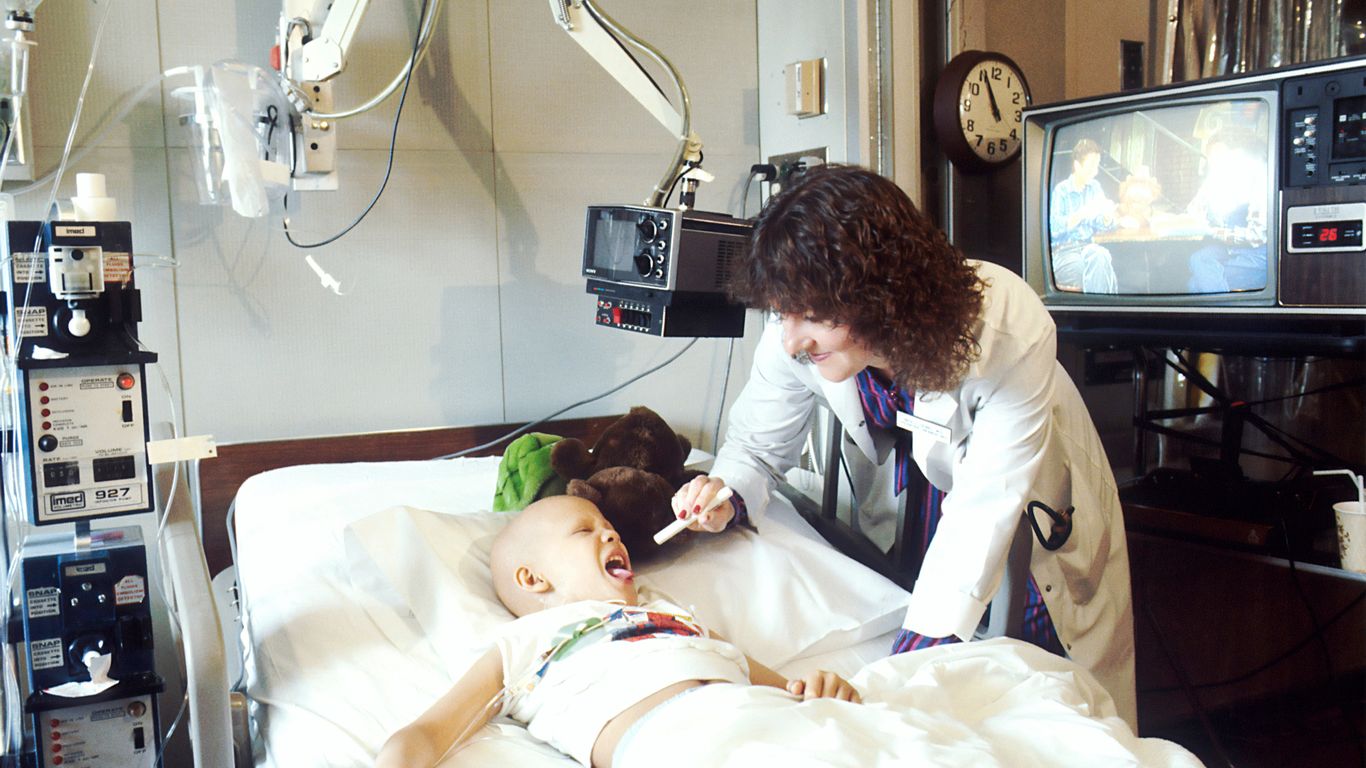
It might seem like a step back in time, but pagers are still a big deal in hospitals. You might think, ‘Why not just use phones?’ Well, it’s not that simple. Despite all the fancy new ways to chat, a surprising number of hospitals, over 80% in the US and some parts of Europe, still count on pagers for their staff. This isn’t about being old-fashioned; it’s about having a communication tool that just works when it absolutely has to.
Over 80% of Hospitals Still Rely on Pagers
This number might catch you off guard. Think about it: in places filled with the latest medical tech, a simple pager is still a go-to. It’s a practical choice because pagers are built for reliability. They don’t get bogged down by too many apps or weak signals. When a doctor needs to be reached, a pager is designed to cut through the noise, making sure that critical message gets through. It’s a communication staple that has proven its worth time and again.
Ensuring Communication During Outages and Disasters
What happens when the power goes out, or a storm hits? Cell towers can go down, Wi-Fi can fail, and smartphones can become useless bricks. This is where pagers really shine. They operate on their own radio frequencies, often with backup power and redundant systems. This means that even when everything else is offline, a pager can still deliver an alert. This inherent resilience makes them a lifeline during emergencies, ensuring that medical teams can stay connected and respond effectively when seconds count. Having a reliable way to communicate is key to patient safety, and pagers provide that peace of mind. You can find out more about how pagers are still essential in healthcare communication here.
A Vital Tool When Other Channels Fail
Let’s be real, smartphones are great, but they have their limits. They can be overloaded with notifications, have spotty service in certain hospital areas, or run out of battery. Secure messaging apps, while useful, can sometimes have delays or require multiple steps to use. Pagers bypass all that. They offer a direct, no-fuss way to get an urgent message across. This simplicity and speed are not just convenient; they can be life-saving. When every other communication method is struggling, the pager remains a dependable link, connecting doctors to the information they need, exactly when they need it.
Comparing Pagers to Modern Communication Tools
Bypassing Smartphone Notification Overload
Let’s be honest, our smartphones are a constant barrage of pings and buzzes. Between work emails, social media updates, news alerts, and app notifications, it’s easy for something truly important to get lost in the shuffle. For doctors, this isn’t just an annoyance; it can be a serious problem. A pager, on the other hand, is a single-purpose device. Its sole job is to alert you when someone needs you. This focused function means that when a pager goes off, it demands immediate attention, cutting through the digital noise that plagues our phones. It’s like having a dedicated line that only rings for emergencies, not for a friend’s vacation photos.
Avoiding Latency in Secure Messaging Apps
Modern secure messaging apps, while great for many things, can introduce delays. Think about it: you need to open the app, log in, find the right conversation, type your message, and wait for a response. Even with hospital-approved platforms, there’s often a lag. Pagers skip all these steps. They send a direct, simple alert. This speed is critical in healthcare where minutes can make a difference. A pager message is usually just a number or a short code, indicating who is trying to reach you and perhaps a general urgency. You see it, you know you need to respond, and you can do so quickly by finding a phone or another communication method.
The Pager Doctor’s Direct Line
When you compare the communication flow, the pager offers a unique kind of directness. While smartphones and apps are versatile, they rely on complex networks and software that can fail or be overloaded. Pagers use a simpler, more robust radio frequency system. This means they often work when cell towers are jammed or Wi-Fi is down, like during a power outage or a major event. The pager acts as a lifeline, a simple, reliable way to get a message through when all other channels might be struggling. It’s a testament to how sometimes, the most basic tools are the most dependable when it counts.
The Future of Pager Technology in Healthcare
It’s a question that might bring a nostalgic smile or a furrowed brow: can you still buy pagers? In our hyper-connected world of smartphones that do everything but make our coffee, the idea of a device that simply beeps to get your attention feels like a relic. Yet, the answer is a resounding yes, and perhaps more surprisingly, they’re still very much in use, especially in critical fields. Think back to the ’90s, and you’ll remember the ubiquitous pager, or ‘beeper.’ These small, often monochrome devices were the height of mobile communication. You’d receive a numeric code, perhaps a phone number, and then you’d have to find a landline to call back. The reference material reminds us that early pagers were limited to short numeric messages, a far cry from the alphanumeric capabilities that emerged later, even integrating into PDAs for a time.
A Testament to Specialized Technology
But why would anyone still opt for such seemingly outdated technology? The answer lies in reliability, speed, and security, particularly within environments where communication failure is simply not an option. Hospitals, for instance, are a prime example. Despite the prevalence of smartphones and encrypted messaging apps, over 80% of hospitals in the US and parts of Europe still equip their medical staff with pagers. This isn’t a stubborn refusal to embrace the new; it’s a practical choice rooted in tangible benefits. Consider the hospital environment. Thick walls, signal interference, and underground facilities can wreak havoc on cellular and Wi-Fi signals that smartphones depend on. Pagers, however, operate on dedicated radio frequencies with extensive coverage, engineered for maximum uptime and penetration. They are designed to cut through the noise, ensuring a message reaches a doctor in the operating room or a remote wing, even when other communication channels falter. Specialized providers often maintain this infrastructure with redundant towers and backup power, meaning pagers can remain functional during power outages, natural disasters, or cyberattacks – precisely when reliable communication is most vital. This dedicated infrastructure is a key reason why pagers remain a reliable option for critical communication.
Outperforming Complex Successors
Then there’s the sheer speed and simplicity. In medicine, every second counts. A delayed alert for a cardiac arrest or septic shock can have dire consequences. Pagers deliver alerts almost instantly, with minimal steps. A quick beep or vibration, a short message on a small screen – it’s a direct line. Compare this to a smartphone, where notifications can be buried under a deluge of app alerts, accidentally silenced, or delayed by background processes. Even secure hospital messaging platforms require logins, navigation, and internet connectivity, all adding latency. Pagers bypass these layers entirely, often leading to significantly faster response times. This direct, unencumbered alert system is a major reason why pagers continue to be favored in time-sensitive medical scenarios.
The Humble Pager’s Continued Relevance
Let’s not forget cybersecurity. Healthcare data is a goldmine for cybercriminals. Smartphones, with their vast functionality, present a large attack surface – malware, phishing, unsecured apps, lost devices – all posing risks to patient privacy under regulations like HIPAA. One-way pagers, in particular, are inherently more secure. They receive messages but don’t store sensitive data long-term, can’t be remotely accessed, and lack the software vulnerabilities common in mobile operating systems. Even the more advanced two-way encrypted pagers used today are purpose-built, with limited functions that reduce exposure. So, while you might not see them clipped to every belt loop as you once did, pagers are far from extinct. They are a testament to the fact that sometimes, the simplest technology, when designed for a specific, critical purpose, can still outperform its more complex successors. They offer a unique blend of reliability, speed, and security that keeps them buzzing in essential services, proving that even in the age of the smartphone, there’s still a place for the humble pager.
The Pager’s Lasting Signal
So, while smartphones and fancy apps are everywhere, it turns out the simple pager isn’t quite ready to fade away. For doctors and other folks in high-pressure jobs, that little beep still means something. It’s about getting a message through when it really matters, cutting through the noise, and keeping things secure. It’s a reminder that sometimes, the older, simpler tools have a job they still do better than the new ones. They might not be flashy, but pagers are still quietly doing their work where reliability is key.
Frequently Asked Questions
Why do doctors still use pagers when we have smartphones?
Even though smartphones are everywhere, pagers are still used in hospitals because they are super reliable. They can send messages even when cell service is bad or during power outages, which is really important for quick communication in emergencies.
Are pagers really faster than text messages on a phone?
Yes, often they are! Pagers send a simple alert right away. Phones can get busy with tons of notifications, and sometimes messages get delayed. For urgent needs, a pager’s quick beep gets a doctor’s attention faster.
Are pagers more secure than smartphones for medical information?
For basic alerts, yes. Simple pagers don’t store much information and can’t be hacked like a smartphone. This helps protect patient privacy, which is a big deal in healthcare.
Do most hospitals still use pagers?
Surprisingly, yes! More than 80% of hospitals in the U.S. still use pagers for their doctors and nurses. They are a dependable tool that works when other communication methods might fail.
Can you still buy a pager today?
You bet! Even though they seem old-fashioned, pagers are still made and sold. They are a special tool for jobs where you absolutely need to get a message through, like in hospitals.
What happens if the power goes out or there’s a disaster? Can pagers still work?
That’s one of the main reasons doctors use them! Pager systems are often built with backup power and extra towers, so they can keep working even when other communication systems, like cell phones or internet, go down during emergencies.