
Back in the day, it was pretty simple. You sold widgets, you were a widget company. You made bread, you were a bakery. But things have really shifted, haven’t they? Now, it feels like everyone and their dog is calling themselves a tech company, even if they sell, like, artisanal pickles. So, what’s the deal? What actually makes a company a ‘tech company’ in 2026? It’s not just about having a fancy website or using some apps. We need to look a bit deeper than the buzzwords.
Key Takeaways
- Technology isn’t just a tool anymore; it’s a core part of how every business runs, from selling products to keeping customer information safe. This means almost every business today functions like a tech company.
- Businesses now rely on tech for basic daily tasks, like using accounting software and protecting themselves with cybersecurity. These aren’t optional extras; they’re the foundation.
- Customers expect smooth online experiences. If a company’s digital service is slow or difficult, it costs them money and customers. Having a good online presence is no longer a choice.
- The world’s connected nature and economic shifts mean technology is everywhere. A car company is just as much a tech company as a software maker because cars are full of code.
- Instead of getting caught up in fancy tech terms, focus on what really matters: building a strong technical base. This is what helps companies grow and survive, not just chase the latest trends.
Redefining ‘Tech Company’ in the Modern Era
Remember when "tech company" just meant, like, Apple or Microsoft? Those days feel like ancient history now. It’s gotten a lot more complicated, and honestly, a lot more interesting. The truth is, technology isn’t just a department anymore; it’s woven into the very fabric of how businesses operate, no matter what they actually do. Think about it: even a local bakery that takes online orders or a farm that uses fancy software to grow its crops is, in a way, a tech company. The lines have blurred so much that it’s hard to point to a business that isn’t using technology in some significant way.
The Ubiquitous Nature of Technology in Business
It’s almost funny to think about how much we rely on tech for the basics. Every business, from the corner store to a global corporation, needs some tech just to keep the lights on. We’re talking about the software that handles your sales, the systems that keep your customer information safe, and even just the internet connection that lets you communicate. It’s not fancy; it’s just how things work now. Cybersecurity, for instance, isn’t a nice-to-have; it’s a must-have. When you’re dealing with customer data, protecting it is non-negotiable. And then there’s the accounting software. Gone are the days of manual ledgers; most businesses today use some form of digital tool to manage their finances. It’s all part of the foundational tech stack that makes daily operations possible.
Beyond Traditional Definitions: What is Considered a Tech Company Today?
So, what is a tech company in 2026? It’s a much broader question than it used to be. If your business uses technology to create value, improve efficiency, or reach customers, you’re probably in the club. This includes companies that might not have started as tech firms but have adapted. For example, a car manufacturer today is as much a tech company as it is an auto maker, given the complex software running in modern vehicles. Similarly, a bank that offers advanced mobile banking and digital payment solutions is essentially a fintech operation. The key is how deeply technology is integrated into the core business model and customer interactions. We’re seeing predictions about future advancements in fields like AI and quantum computing, which will only further blur these lines [3096].
The Evolving Landscape of Business and Technology Integration
The way businesses are built and run has changed dramatically. Globalization and economic shifts have pushed companies to adopt technology faster than ever. It’s not just about having a website anymore; it’s about creating digital experiences that customers expect. This includes things like:
- Live chat features for quick customer support.
- Mobile apps that make transactions easy.
- Personalized email sequences for new subscribers.
Failing to keep up with these digital expectations can be costly. Research shows that poor digital customer experiences can cost businesses trillions annually. Companies that offer strong, connected experiences across all their platforms tend to keep more customers. It’s about meeting people where they are, and increasingly, they are online and using technology to make their decisions [335b].
Technology as a Foundational Business Pillar
Look, it’s pretty obvious by now that technology isn’t just some extra gadget for businesses anymore. It’s become the actual bedrock, the thing everything else is built on. Think about it: what business today doesn’t rely on some form of tech just to get through the day? We’re talking about the basics here, the stuff that keeps the lights on and the doors open, metaphorically speaking.
Essential Technology for Daily Operations
Every company, no matter what it sells or does, needs a solid tech setup for its day-to-day grind. This isn’t about fancy AI stuff yet; it’s about the tools that let your team actually do their jobs. We’re talking about:
- Communication Tools: Email, instant messaging, video conferencing – the stuff that lets people talk to each other, especially if they aren’t in the same room.
- Productivity Software: Word processors, spreadsheets, project management apps. These are the digital equivalents of notebooks and filing cabinets, but way more efficient.
- Cloud Storage: A safe place to keep all your important files, accessible from pretty much anywhere. No more lost USB drives!
Cybersecurity: A Non-Negotiable Component
This one is huge. When you’re dealing with customers, you’re dealing with their information. Whether it’s an online store, a simple payment system, or just an email list, you’re collecting data. Protecting that data isn’t optional; it’s a requirement. A breach can cost a fortune in fines and, more importantly, destroy customer trust. Think of it like locking your front door – you wouldn’t leave it wide open, right? Cybersecurity is that lock for your digital business. Companies are actively integrating AI and other technologies to reshape their operations and drive digital transformation [1193].
Streamlining Operations with Accounting Software
Remember the days of endless paper ledgers and complicated manual calculations? Yeah, me neither, thankfully. Today, accounting software is pretty much standard. It handles invoicing, payroll, expense tracking, and all that financial jazz. This frees up your finance team to actually look at the numbers, understand what they mean, and help make smarter business decisions, instead of just crunching numbers all day. It’s about making the mechanical work easier so your people can focus on strategy.
Customer Experience Driven by Technology
Think about the last time you bought something. Chances are, technology played a big part, right? It’s not just about the product itself anymore; it’s how you find it, how you buy it, and how you get help afterward. Companies that aren’t paying attention to this are really missing out.
The Impact of Digital Customer Service
Customers today expect things to be fast and easy. Nobody wants to wait around for a phone call back or deal with a clunky website. We’re talking about things like live chat that actually works, apps that make sense, and getting a friendly welcome email when you sign up for something. It’s pretty wild how much we’ve come to expect this level of service. If you’re not there, people notice. And honestly, bad service is a quick way to lose a customer. It’s not just for people buying stuff online either; businesses buying from other businesses expect the same smooth experience.
Seamless Omnichannel Experiences
What’s really becoming the standard is this idea of an "omnichannel" experience. It means you can start looking at something on your phone, maybe add it to a cart on your laptop later, and then ask a question via chat, all without feeling like you’re talking to a different company each time. Brands that get this right keep way more customers than those who don’t. It’s about making the whole journey feel connected, no matter how the customer chooses to interact. This is where things like customer relationship management platforms really shine, helping businesses keep track of everything.
The Cost of Falling Short in Digital Engagement
So, what happens if a company doesn’t keep up? It can get expensive. Really expensive. Some reports suggest that businesses lose out on trillions of dollars every year because their digital customer experiences just aren’t good enough. That’s a massive number. In 2026, if you’re not meeting people where they are – which is online and on their devices – you’re basically leaving money on the table. It’s not just about having a website; it’s about making sure that website, and everything connected to it, works well and makes the customer feel valued. The whole field of artificial intelligence is changing how companies approach this, making interactions smoother and more personalized than ever before.
The DNA of Modern Businesses Has Changed
Remember when you could just sell stuff and call it a day? Yeah, those times are pretty much gone. Globalization and big events like the pandemic really shook things up, changing how we see technology in business. It’s not just for the Silicon Valley types anymore. Think about it: a car has millions of lines of code. So, is the company making that car a tech company? Absolutely. The same goes for a bank that offers digital services – they’re a fintech now. It seems like every business, from your local coffee shop to a farm-to-table restaurant, is now deeply involved with technology.
Globalization and Economic Catalysts
These big global shifts have forced businesses to adapt. Companies that used to be pretty straightforward are now finding technology at the core of what they do. It’s not about whether you want to innovate anymore; it’s about whether you can survive without it. If you’re not evolving, you’re basically putting a cap on your own growth before you even get started. This is a tough reality, but it’s the one we’re living in. Building resilience is key when you’re dealing with geopolitical instability and other global factors.
Technology’s Role in Every Industry
At its heart, technology is now the great equalizer. Every single business, whether they admit it or not, relies on tech for daily operations. Cybersecurity is a prime example. When you interact with customers, you’re handling their private information. Protecting that data is non-negotiable. Online stores, payment systems, and basic internet security are the bedrock of customer interactions today. It’s not just about selling a product; it’s about how you protect the customer throughout the entire process. The DNA of technology trends shows AI will be central to this.
Fintech and Automotive: Examples of Transformation
Look at the automotive industry. Cars are packed with software, making manufacturers tech companies in their own right. Similarly, banks that offer robust digital platforms are now firmly in the fintech space. Even a restaurant with an online ordering system is participating in the tech economy. The lines have blurred so much that it’s hard to say where one industry ends and another begins. It’s less about what you sell and more about how technology is integrated into your entire business model.
Navigating the Digital Saturation

We’re currently wading through a sea of buzzwords. Every new app is "revolutionary," every update is "disruptive," and every startup claims to have "proprietary intelligence." It’s a lot, right? For anyone trying to actually get work done, this constant noise makes it hard to figure out what’s truly important. When everything is marketed as a must-have, the word "essential" starts to lose its meaning. We’ve hit a point where the sheer amount of digital options has made it tough to see the real purpose behind the technology.
Stripping Away Buzzwords for Core Value
To really get what a system is worth, we need to look past the marketing hype and the trendy acronyms. What’s left when you remove all that? A simple truth: the companies that lead in the next decade will be the ones with a solid technical foundation. Our technology isn’t just a quick fix; it’s about rebuilding how things work digitally. It’s the engine that turns potential into real progress. Focusing on the quality of attention, not just the volume of traffic, is key to standing out. This foundation is the most important investment you can make for the long haul.
The Structural Integrity of Technical Foundations
Most businesses today aren’t short on information. In fact, many are drowning in it. We have mountains of data – server logs, customer interactions, financial details – but often lack the clear insights needed to make good decisions. The problem isn’t a lack of data wealth, but a poverty of actionable insight. Our systems change how data is processed. Instead of needing a whole team to sort through information, our technology uses something called Contextual Intelligence. It understands how each piece of data relates to your business goals. This moves us from looking at past mistakes to predicting future issues, allowing for precise decision-making and turning data into a competitive advantage. This is how you can start to see your business with new clarity, which is a big deal when you’re trying to make sense of everything. digital marketing strategy.
From Potential to Momentum: Technology’s Engine
As businesses grow, complexity naturally increases. But in many places, this complexity grows much faster than efficiency. This creates a hidden cost, often called the "Complexity Tax." It’s the expense of having too many different tools, departments that don’t talk to each other, and wasted time on tasks that don’t add value. Think about the hours your team spends re-entering data between systems that don’t connect, or searching for the right document. Our technology is designed to fix this friction. We’ve moved away from closed systems towards a Universal Integration Framework. Our tools aren’t meant to just sit alongside your current work; they’re built to fit in and make things better. By creating a central source of truth, we cut down on the "work about work" and let your team focus on what matters most: creative problem-solving and long-term innovation. This isn’t about building a black box that makes decisions for you; it’s about giving you a clear view of your own business. Choosing your technical foundation is a strategic decision about the future of your company. You have to decide if you want to be fighting your tools or moving forward with them. The three main things that help businesses survive are clarity, speed, and security. Our technology helps with all three, providing the clarity to know what to do, the speed to do it before others, and the security to know your progress is solid. This is the groundwork for your future success, not just a quick fix for today’s issues. In this complex digital world, authenticity is becoming a key differentiator for brands trying to build trust. building digital trust.
Data Wealth and Insight Poverty
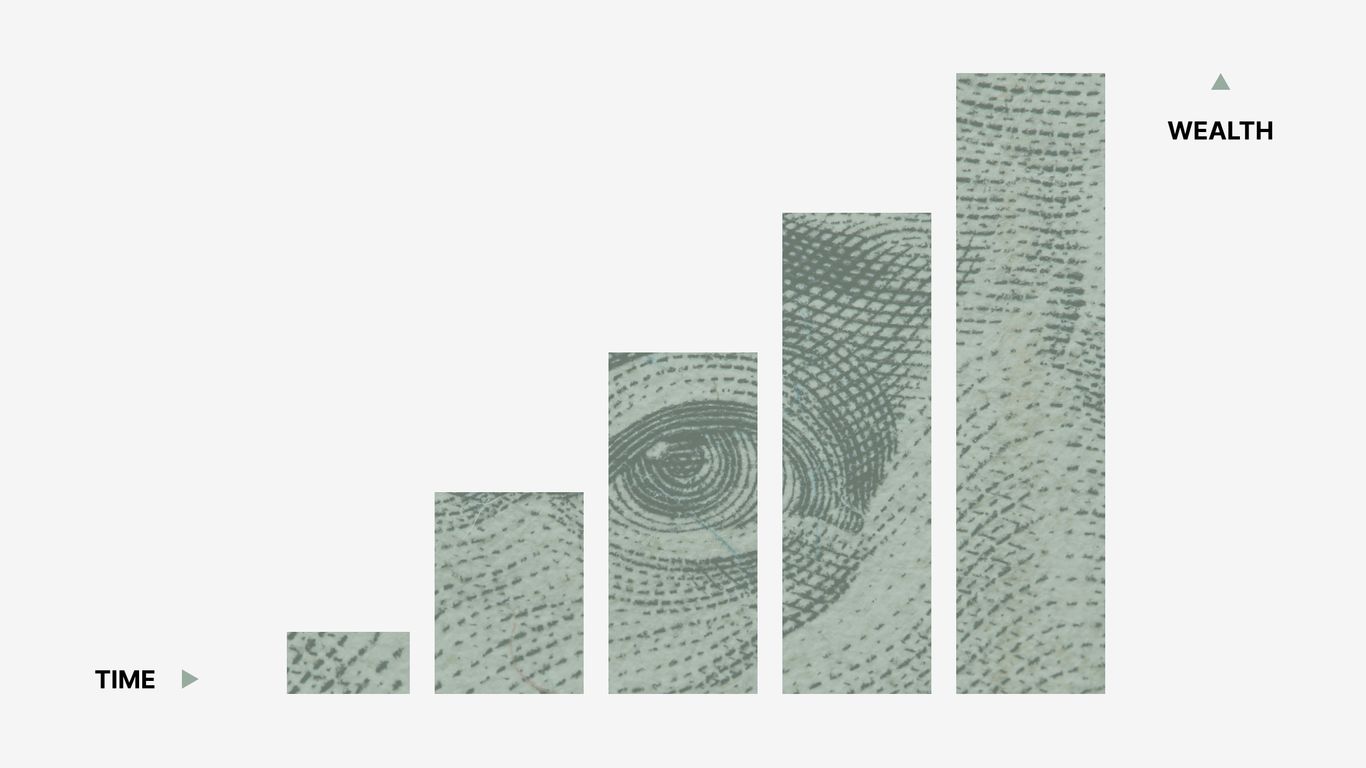
It feels like every business today is sitting on a mountain of data. We’ve got logs, customer interactions, sales figures – you name it, we’re collecting it. But here’s the kicker: having all this information doesn’t automatically mean we know what to do with it. It’s like having a massive library but no librarian to help you find the right book. We’re drowning in data, yet starving for clear direction. This is the paradox of ‘data wealth and insight poverty’.
The Challenge of Data Overload
Think about it. Your systems are probably churning out more information than anyone can reasonably sift through. This constant stream can be overwhelming. Instead of helping us make decisions, it can actually slow things down. We spend so much time just trying to organize and understand what we have, that we lose sight of the actual goal: making smart moves for the business. It’s a bit like trying to drink from a fire hose, right?
Transforming Data into Actionable Insights
So, how do we get past this? It’s not just about collecting more data; it’s about making the data we have actually work for us. This means moving beyond simple reports that tell us what happened last week. We need systems that can connect the dots, showing us why things happened and what might happen next. The real value is in turning raw numbers into a clear roadmap. This allows leaders to see potential problems before they become crises and to spot opportunities that might otherwise be missed. It’s about getting a clear view of the road ahead, not just looking in the rearview mirror. This kind of foresight is what separates companies that just react from those that lead.
Leveraging Technology for Data Processing
This is where smart technology comes in. Instead of needing a whole team of people to manually sort through everything, modern tools can process information much faster. They can understand how different pieces of data relate to your business goals. This means less time spent on tedious tasks and more time for people to focus on creative thinking and strategy. It’s about using technology to cut through the noise and find the signal. For instance, tools that can integrate with your existing systems without a fuss are a big win. They help eliminate those annoying manual data transfers between different software programs. This makes your whole operation run smoother and faster, giving your team the breathing room to actually innovate. The global economic outlook suggests growth, but smart data use is key to capturing that opportunity [7817]. Companies that can effectively process and interpret their data are better positioned for success in a world where wealth is unevenly distributed [5d7b].
Strategic Technology Investments for Longevity
Picking the right tech isn’t just about keeping up; it’s about building something that lasts. Think of it less like buying a new gadget and more like laying the foundation for your company’s future. You’ve got to decide if you want to be the kind of business that’s always wrestling with its own tools, or one that’s actually getting pushed forward by them. This means looking past all the hype and focusing on what really matters for staying in the game.
Technology as a Strategic Bet
Making a technology choice today is a big bet on who your company will be in five, maybe ten years. It’s not just another expense to tick off the budget list. It’s about picking a path that supports your long-term vision. Are you going to keep patching up old systems that fight you every step of the way, or invest in something that actually helps you move faster and smarter? Companies like Gorilla Technology Group are showing how smart tech investments can lead to significant growth.
Choosing Between Fighting Tools and Propelling Forward
Many businesses are stuck with old software that needs a complete overhaul just to make a small change. This is like trying to build a skyscraper on a shaky foundation. The goal should be to have technology that works with you, not against you. Imagine your team spending less time on repetitive tasks and more time on creative problem-solving. That’s the difference between tools that hold you back and systems that propel you forward. Integrating physical AI, for instance, is becoming a key way to drive innovation and expand market reach, as noted by experts looking at M&A and joint ventures.
The Pillars of Market Survival: Clarity, Velocity, Security
To really survive and thrive, businesses need to focus on three main things: clarity, velocity, and security.
- Clarity: Knowing exactly what move to make next, based on solid data and insights.
- Velocity: Being able to act on those decisions faster than the competition.
- Security: Having a robust defense that protects your progress and your data.
These aren’t just buzzwords; they’re the actual building blocks for staying relevant. Without a clear, fast, and secure technical backbone, even the best ideas can get lost in the shuffle.
So, What’s the Takeaway?
Look, the lines have definitely blurred. It used to be simple: you made widgets, you were a widget company. Now? Not so much. Whether you’re selling software, coffee, or car parts, technology is just part of how you operate. It’s in your customer service, your sales, even how you keep your books. Pretending otherwise means you’re probably falling behind. The companies that are going to do well in the next few years aren’t just the ones building the next big app. They’re the ones who understand how to use technology to make their whole business run better, smarter, and faster. So, yeah, maybe your corner bakery is a tech company now. And that’s okay. It’s just the way things are.
Frequently Asked Questions
Is a company that sells clothes a tech company if it has an online store?
Yes! If a company sells anything, even clothes, and has an online store, it’s considered a tech company. That’s because having a website and handling sales online means using technology to reach customers and manage business. Think of it like this: even a bakery using online ordering is using tech to sell its cakes.
Do all businesses need technology to survive today?
Absolutely. In today’s world, nearly every business, big or small, needs technology just to run smoothly. This includes things like keeping customer information safe with cybersecurity, using software for accounting, or even just having a reliable internet connection. Without these basic tech tools, it’s really hard for a business to keep up.
What does ‘customer experience driven by technology’ mean?
It means using technology to make shopping and getting help as easy and pleasant as possible for customers. This could be a fast website, helpful online chat support, or an app that makes buying simple. If a company’s tech is slow or hard to use, customers might leave and go somewhere else.
Are companies like banks and car makers now tech companies?
Yes, they are! Banks are now often called ‘fintech’ companies because they use a lot of technology for money matters. Car companies also use tons of computer code to build modern vehicles. So, even businesses that aren’t ‘tech’ on the outside are deeply connected to technology on the inside.
What’s the difference between having lots of data and knowing what to do with it?
This is called ‘data wealth and insight poverty.’ It means companies have tons of information (like customer details or sales numbers), but they struggle to understand it or use it to make smart decisions. The goal is to use technology to turn all that raw information into useful knowledge that helps the business grow.
Why is investing in technology a ‘strategic bet’ for businesses?
Investing in technology is like making a bet on the future of your company. It’s not just about buying new tools; it’s about choosing technology that will help your business move forward quickly, stay safe from online threats, and be clear about its goals. Companies that invest wisely in technology are more likely to succeed long-term and stay ahead of the competition.