From Horsepower to Horsepower: The Dawn of Automotive Technology
The First Stirrings: Steam and Early Electric Experiments
Before the roar of the internal combustion engine took over, the idea of self-propelled vehicles was already bubbling. Early attempts in the late 18th and early 19th centuries often relied on steam power. Think big, clunky machines that took ages to get going and didn’t travel very far. They were more like mobile boilers than what we’d recognize as a car today. Then came electricity. By the late 1800s, inventors were tinkering with electric buggies. William Morrison even built one of the first electric cars in the U.S. around 1890. These early electrics could hit about 20 mph and needed frequent recharges, but they were quiet and didn’t spew smoke. For a brief moment, it looked like electric might be the way forward, with some sources saying they made up a third of cars on the road in the early 1900s. It’s wild to think about that now.
The Birth of the Internal Combustion Engine
While steam and electric had their moments, the real game-changer arrived with the internal combustion engine. In 1861, Nicolaus Otto developed a practical gasoline-powered engine, which really started to make steam engines look outdated. This new type of engine was smaller, more efficient, and offered a much better power-to-weight ratio. It was the spark that ignited the automotive revolution. Suddenly, the dream of a personal, portable machine that could move people and goods without relying on horses or tracks felt within reach. This invention paved the way for what would become the dominant form of car power for over a century.
Karl Benz and the First Practical Automobile
While Otto invented the engine, it was Karl Benz who put it all together into something resembling a car. In 1886, he patented his Motorwagen, a three-wheeled vehicle that looked a bit like an elongated tricycle. It wasn’t exactly a speed demon, but it was a functional automobile. Benz continued to refine his designs, patenting double-pivot steering in 1893, which was a pretty big deal for control and arguably the first real safety feature. These early cars were basic, lacking many things we take for granted today like windshields, doors, or even a proper steering wheel. But they represented a monumental leap – the first practical, gasoline-powered automobiles that could actually be driven on roads, marking the true beginning of personal transportation as we know it.
Mass Production and the Democratization of the Automobile
Henry Ford’s Assembly Line Revolution
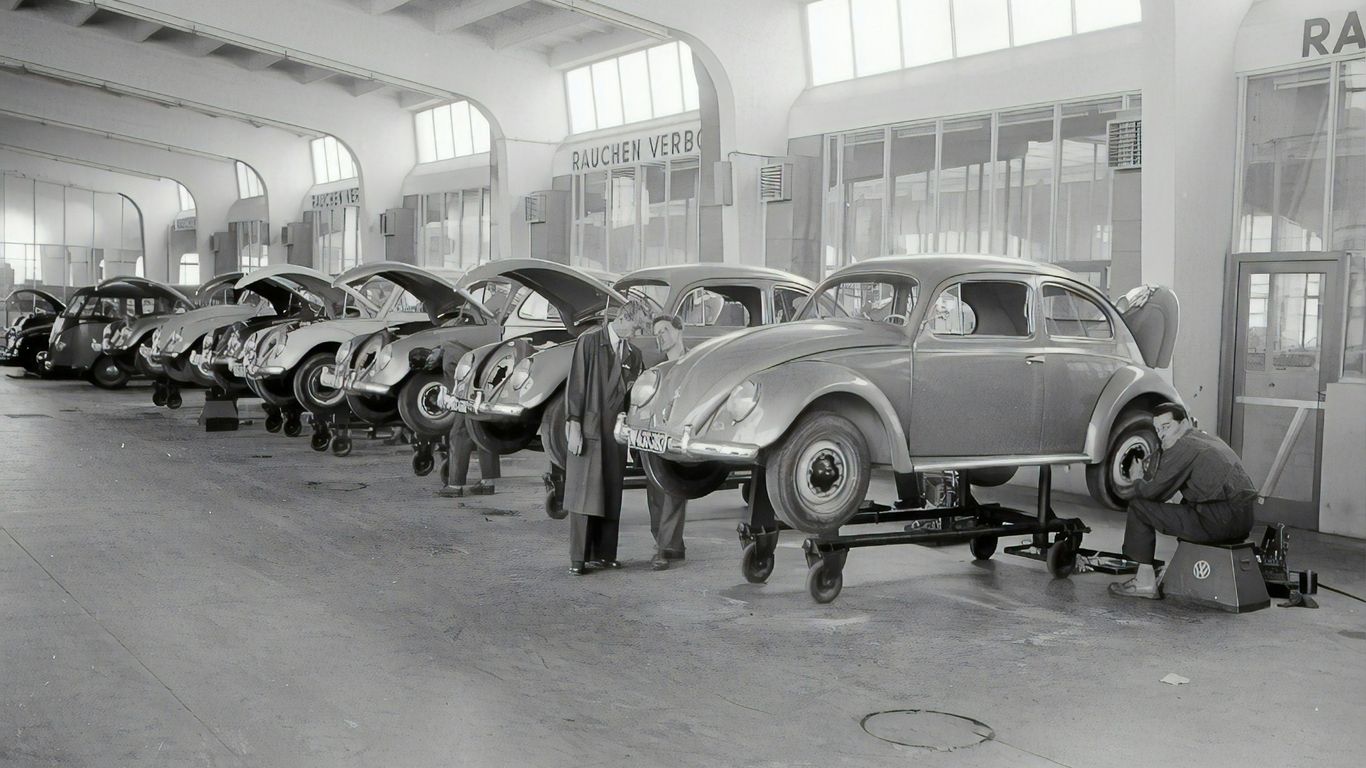
Before Henry Ford came along, buying a car was pretty much out of reach for most folks. Cars were built one at a time, by skilled workers, and that took ages. It was like ordering a custom-made suit versus grabbing something off the rack. Hundreds of companies were trying to build cars in the early 1900s, but they were all too expensive for the average person. Ford, though, had a different idea. He wanted to make cars that regular people could actually afford and use.
The Model T: Making Cars Accessible
Ford’s big idea was the assembly line. Instead of having one person build a whole car, he broke the process down into many small, repetitive steps. Workers would stand in one place, and the car would move along a line to them. This made building cars way faster and cheaper. The Model T, introduced in 1908, was the result of this new way of thinking. It wasn’t fancy, but it was reliable and, most importantly, it got cheaper over time. When it first came out, it cost around $850. By 1924, thanks to the assembly line, the price had dropped to about $300. That’s a huge difference! Suddenly, owning a car wasn’t just for the rich; it was something working families could consider.
Early Safety Innovations Emerge
As more cars hit the road, people started to realize that driving could be dangerous. Early cars didn’t have much in the way of safety features. Brakes weren’t always great, and there weren’t any seatbelts or airbags, obviously. Automakers began to pay more attention to this. Some of the first steps involved making cars more stable and improving braking systems. For example, engineers started looking at:
- Better brake designs: Moving from simple band brakes to more effective drum brakes.
- Stronger chassis: Making the car’s frame more robust to handle bumps and impacts.
- Improved steering: Developing more predictable and responsive steering mechanisms.
These might seem like basic things now, but back then, they were big steps toward making cars safer for everyone.
Features That Defined the Driving Experience

So, cars started out pretty basic, right? Just a way to get from A to B. But over time, people realized they could make them more than just transportation. They started adding things to make the ride better, safer, and, let’s be honest, more fun.
The Advent of In-Car Entertainment
Remember when radios first showed up in cars? It was a pretty big deal back in the 1930s. Suddenly, you weren’t just listening to the engine; you had music or news coming from a box on the dashboard. It really changed the whole vibe of a road trip. Then came cassette tapes, and eventually, the CD player in the 80s. It was all about bringing your personal entertainment with you. Now, of course, we’ve got fancy screens and Bluetooth, but it all started with that simple radio.
Comfort and Convenience Features Take Hold
Beyond just listening to tunes, car makers started thinking about making the actual driving part easier and more comfortable. Power steering, invented in the 50s, was a game-changer. No more wrestling with the wheel, especially when parking. Then came air conditioning, which, if you’ve ever been stuck in a car on a hot day without it, you know is a lifesaver. Cruise control also popped up around the same time, making those long highway drives way less tiring. It’s funny to think that features we now consider standard, like electric windows and keyless entry, were once considered high-tech luxuries.
The Evolution of Automotive Safety Systems
Safety has always been a big concern, and it’s seen some massive leaps. Early cars were pretty bare-bones, but things like windshields and rearview mirrors started appearing. Then came the seatbelt, a simple invention that has saved countless lives. It took a while for them to become standard everywhere, though. Airbags were another huge step, first appearing in the 70s and becoming mandatory later on. Anti-lock braking systems (ABS) and electronic stability control are more recent additions that use computers to help drivers maintain control in tricky situations. It’s a constant effort to make cars safer, and thankfully, we’ve come a long way from just hoping for the best.
The Digital Transformation of the Car
Remember when cars were just about getting from point A to point B? Those days feel like ancient history now. The late 20th century really kicked off a massive shift, moving cars from purely mechanical machines into something way more complex. It all started with the rise of computers and digital tech. Suddenly, things that used to be controlled by physical cables and gears could be managed by software. This was a huge deal.
From Analog to Digital Dashboards
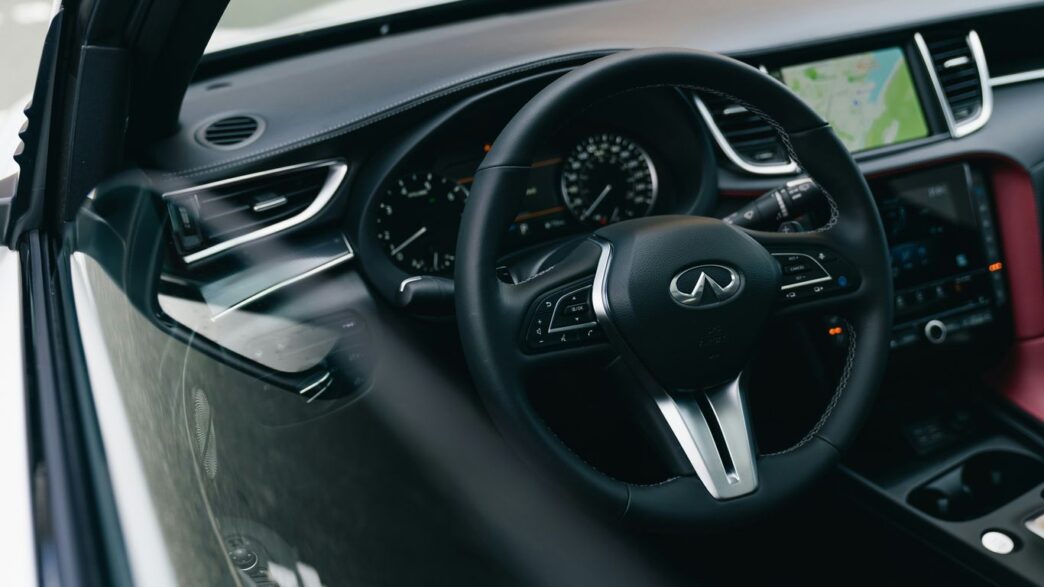
Think about the dashboard in older cars. You had your speedometer, maybe a fuel gauge, and a few warning lights, all pretty straightforward. But then, things started changing. Instead of physical needles, we began seeing digital displays. At first, it was just simple numbers showing your speed, but it quickly evolved. This move from analog to digital was the first big sign that cars were becoming computers on wheels. It made information clearer and opened the door for more complex data to be shown.
The Rise of In-Car Computing and Connectivity
This is where things really got interesting. Cars started getting their own little computers. These weren’t just for the dashboard; they started managing engine performance, braking systems, and even things like power steering. Then came connectivity. Suddenly, cars could talk to other devices. Think about Bluetooth connecting your phone for music or calls – that was a game-changer. It made the car a hub for your digital life, not just a way to travel.
GPS Navigation Becomes a Standard Feature
For a long time, finding your way around meant using paper maps, which, let’s be honest, could be a real pain. Then, GPS technology, which was once top-secret military stuff, started showing up in cars. Initially, it was a fancy, expensive option. But as the technology got cheaper and better, GPS navigation became a standard feature in most new cars. No more unfolding giant maps in the rain! You could just type in your destination and get turn-by-turn directions right on your screen. It made driving so much less stressful and opened up new possibilities for road trips and exploring.
The Modern Car: A Symphony of Integrated Technology
Electrification and Hybrid Powertrains
So, cars aren’t just about burning gas anymore. We’ve seen a big shift towards making them kinder to the planet, and frankly, more efficient. Hybrid cars, which blend gas engines with electric motors, have been around for a while, but they’ve really hit their stride. Think of the Toyota Prius – it’s practically a household name now. These hybrids help cut down on fuel use and emissions, especially in city driving where they can rely more on electric power. Then there’s the full electric vehicle (EV) revolution. Companies like Tesla really pushed the envelope, showing that electric cars can be fast, stylish, and practical. Now, almost every major car maker offers EVs, and the charging infrastructure is growing fast. It’s a huge change from just a decade ago when finding a charging station felt like a treasure hunt.
Advanced Driver-Assistance Systems (ADAS)
Cars are getting smarter about helping us drive. These systems, often called ADAS, are like having an extra set of eyes and a helping hand. You’ve probably heard of things like:
- Adaptive Cruise Control: This keeps a set distance from the car in front, slowing down and speeding up automatically.
- Lane Keeping Assist: It gently nudges the steering wheel if you start drifting out of your lane.
- Automatic Emergency Braking: This can slam on the brakes if it detects an imminent collision and you don’t react in time.
- Blind Spot Monitoring: Little lights in your side mirrors warn you if there’s a car in your blind spot.
These features aren’t just fancy gadgets; they’re genuinely making roads safer by reducing the chances of accidents caused by distraction or simple human error. It’s like the car is actively working with you to prevent problems.
The Internet of Things and Artificial Intelligence in Vehicles
This is where things get really futuristic. Cars are becoming connected devices, part of the ‘Internet of Things’ (IoT). This means they can talk to other devices and systems. Your car might get updates over the air, just like your smartphone, improving its performance or adding new features without you needing to visit a dealer. AI is also playing a bigger role. It’s used in everything from optimizing engine performance and predicting maintenance needs to powering the voice assistants that control your music or navigation. Some cars are even starting to use AI to learn your driving habits and adjust settings accordingly. It’s a complex web of technology, but the goal is to make driving more convenient, efficient, and personalized.
Are Cars Technology? A Continuous Evolution
The Car as a Mobile Computing Platform
It’s pretty wild when you stop and think about it. That car you drive every day? It’s basically a computer on wheels. Seriously. Remember when cars just had radios and maybe a tape deck? Now, they’ve got processors, sensors, and more software than you can shake a stick at. We’ve gone from simple mechanical devices to complex digital hubs. Think about it: your car can connect to the internet, run apps, and even talk to other cars and infrastructure. It’s a far cry from the days of Karl Benz tinkering with his Patent-Motorwagen. The modern automobile is a testament to how deeply integrated technology has become in our lives.
The Future of Automotive Innovation
So, what’s next? Well, the pace isn’t slowing down. We’re seeing more and more electric vehicles hitting the road, which means new battery tech and charging infrastructure are constantly being developed. Then there’s the whole self-driving car thing. While we’re not quite at the point where you can nap on your commute (yet!), advanced driver-assistance systems are already making driving safer and easier. We’re talking about cars that can park themselves, keep you in your lane, and even brake automatically if they sense a problem. It’s like having a co-pilot built right in.
Understanding the Technological Leap in Modern Vehicles
Let’s break down just how much has changed. Here’s a quick look at some key tech milestones:
- Connectivity: Bluetooth, Wi-Fi hotspots, and smartphone integration (like Apple CarPlay and Android Auto) are now pretty standard. You can stream music, make calls, and get directions without missing a beat.
- Safety Systems: Beyond airbags and seatbelts, we now have features like blind-spot monitoring, adaptive cruise control, and automatic emergency braking. These systems use sensors and cameras to help prevent accidents.
- Powertrains: The shift from purely gasoline engines to hybrids and fully electric vehicles is a massive technological leap, driven by environmental concerns and the desire for better efficiency.
- User Interface: Dashboards have transformed from simple dials to complex touchscreens that control everything from climate to navigation. Voice commands are also becoming more common, letting you control features without taking your hands off the wheel.
The Road Ahead
So, looking back, it’s pretty wild how much cars have changed. From just getting us from point A to point B, they’ve become these complex machines packed with tech. It wasn’t that long ago that things like radios or even seatbelts were brand new ideas. Now, we’ve got computers running the show, helping us drive, keeping us safe, and even entertaining us. It makes you wonder what the next big thing will be. One thing’s for sure, though: cars aren’t just metal boxes anymore; they’re a huge part of our digital lives, and that’s only going to grow.