
The Evolution of VR Hardware
From Bulky Headsets to Sleek Eyewear
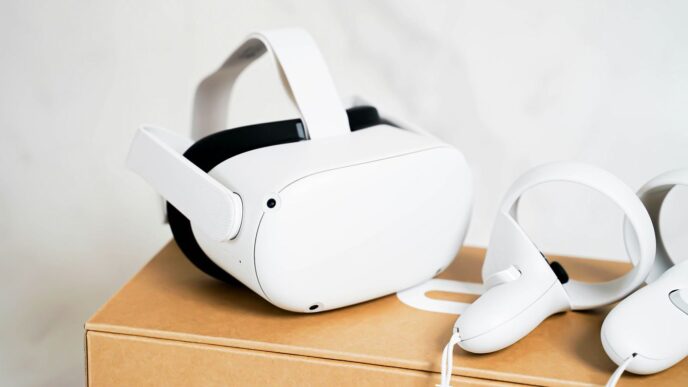
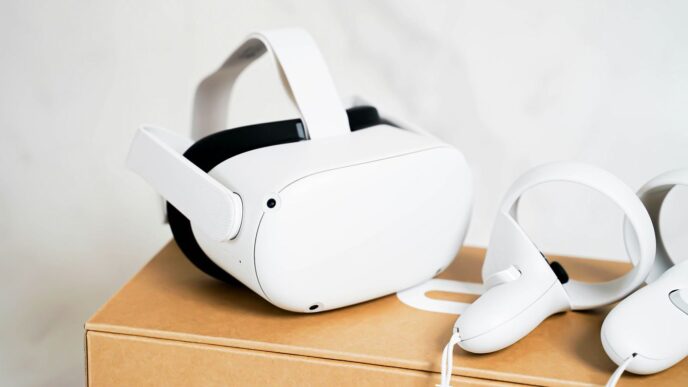
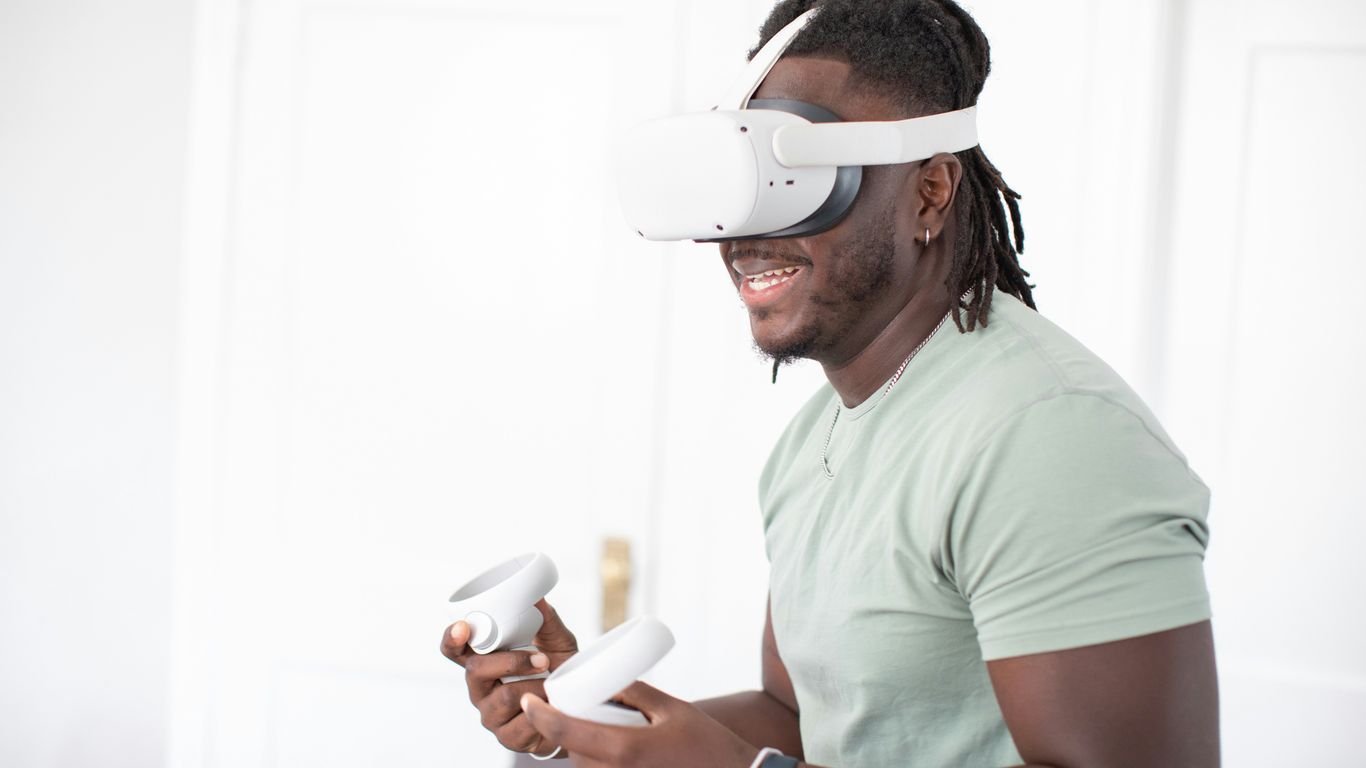
Remember those early VR setups? They were pretty clunky, right? Big, heavy headsets that felt more like a diving mask than something you’d wear for fun. We’ve come a long way since then. The trend is definitely moving towards much smaller, lighter devices. Think less ‘helmet’ and more ‘stylish sunglasses’ or even contact lenses. This shift is key because it makes VR feel less like a commitment and more like something you can just slip on for a bit. The goal is to make the hardware disappear, so you’re just left with the experience itself. It’s a slow process, but we’re seeing prototypes that are getting closer to that idea of truly unobtrusive VR gear.
The Rise of 16K Resolution and Photorealism
Right now, VR graphics are good, but by 2050, they’re predicted to be something else entirely. We’re talking about 16K resolution, which is a massive jump from what we have today. What does that mean for you? It means visuals so sharp and detailed that you won’t be able to tell the difference between the virtual world and the real one. Imagine seeing individual water droplets on a leaf, or the fine texture of wood grain, all rendered perfectly. This level of detail is what will make virtual environments feel truly present and believable. It’s not just about making things look pretty; it’s about creating a sense of reality that can trick your brain.
Integrated Brain-Computer Interfaces
This is where things get really interesting, and maybe a little sci-fi. We’re looking at VR systems that can read your thoughts. Not in a creepy way, but through sensors that pick up on your brain’s electrical signals. This means you could control things in VR just by thinking about it. Want to pick up an object? Just think it. Want to move somewhere? Just imagine it. This technology is still in its early stages, and there are privacy concerns to work through, but the potential is huge. It could make interacting with virtual worlds incredibly intuitive and fast, removing the need for clumsy controllers altogether. By 2050, it’s expected that most VR headsets will have this built-in, making our mental commands the primary way we interact.
Seamless Integration with Reality
It’s getting harder and harder to tell where the real world ends and the digital one begins, right? By 2050, this line is going to be practically invisible. We’re talking about a future where virtual and augmented reality aren’t separate things anymore. They’re merging into something new, something that blends digital information and experiences right into our everyday surroundings.
The Convergence of VR and AR
Think about it: instead of taking off a headset to see the real world, imagine your VR gear becoming as unobtrusive as a pair of glasses. These devices will be able to overlay digital elements onto your actual view, or completely replace it with a virtual scene, all depending on what you need. This means you could be walking down the street and see virtual directions appear on the pavement, or sit in your living room and have a virtual meeting with colleagues who appear to be right there with you. It’s not just about seeing digital things; it’s about them interacting with your physical space in a believable way.
Augmented VR Experiences
This merging means we’ll get what some are calling "augmented VR." It’s like VR, but with a twist. Instead of being completely cut off from reality, these experiences will pull in elements from your actual environment. Imagine a historical VR tour where the virtual buildings are placed precisely on the real-world ruins you’re standing in front of, or a game where virtual characters can hide behind your actual furniture. This makes the virtual world feel more grounded and personal.
Bridging the Gap with Advanced Haptics
But what good is seeing and hearing something if you can’t feel it? That’s where haptics come in. We’re not just talking about a rumble pack anymore. By 2050, expect full-body haptic suits that can simulate textures, temperatures, and even the subtle pressure of virtual objects. You might feel the warmth of a virtual sun on your skin, the rough texture of a digital rock, or the gentle breeze of a simulated environment. This level of sensory feedback is what will truly make virtual experiences feel real, blurring the lines between the digital and the physical in ways we can only begin to imagine.
Unlocking New Sensory Dimensions
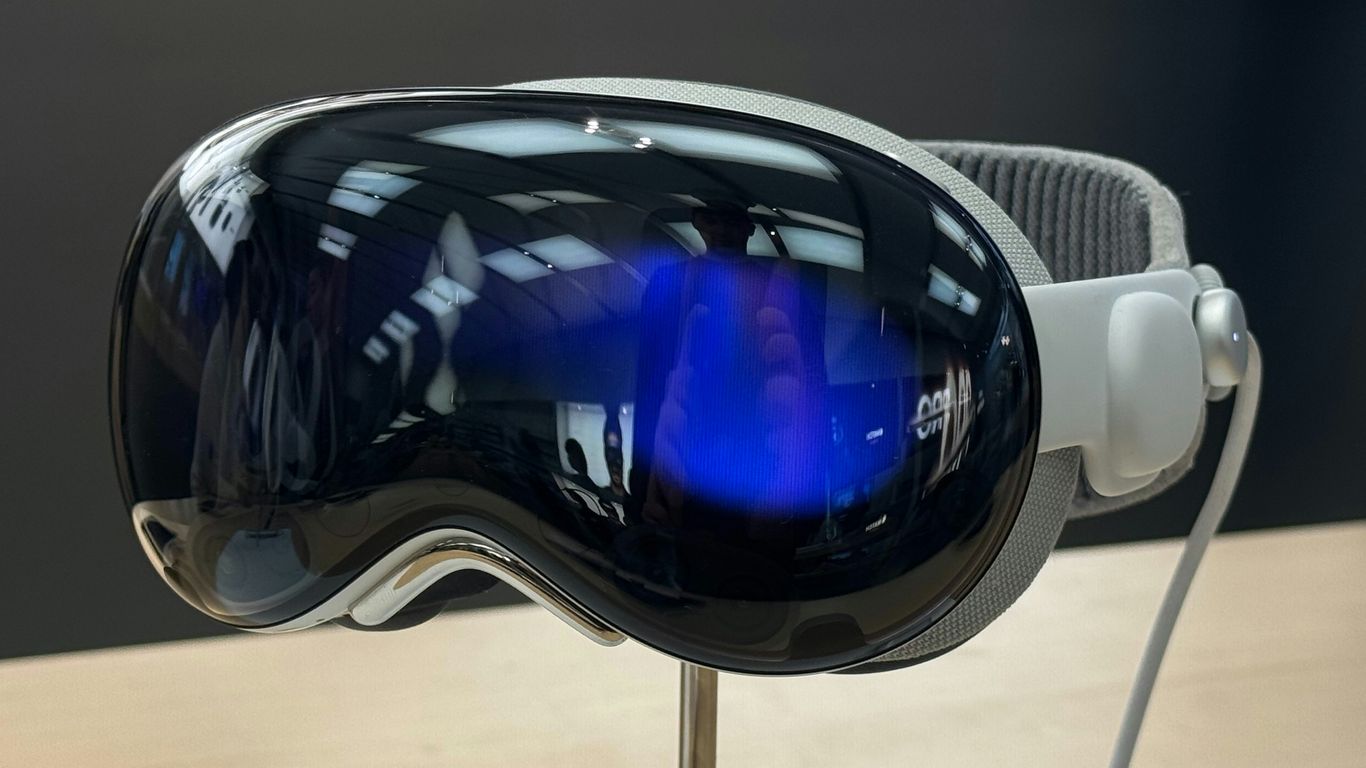
VR is getting pretty good at tricking our eyes and ears, right? But by 2050, it’s going to be way more than just a visual and auditory show. We’re talking about engaging all your senses, making virtual experiences feel genuinely real.
Beyond Sight and Sound: Taste and Smell
Imagine stepping into a virtual bakery and actually smelling the fresh bread, or tasting a digital fruit. This isn’t science fiction anymore. New tech is working on ways to stimulate our taste and smell receptors. Think tiny devices that release specific scent molecules or electrical signals that mimic tastes. It sounds wild, but it’s about making virtual worlds more believable.
Feeling the Virtual World: Advanced Haptic Suits
We’re moving past simple controller vibrations. By 2050, expect full-body haptic suits. These suits will have intricate networks of actuators and sensors. They’ll be able to simulate textures, temperatures, and even the feeling of impact. So, if you’re in a virtual rainstorm, you might actually feel the raindrops. If you’re in a game, getting hit could feel like a real (but safe!) nudge.
Here’s a quick look at what these suits might offer:
- Texture Simulation: From rough stone to smooth silk.
- Temperature Control: Feeling the warmth of a virtual sun or the chill of a digital breeze.
- Force Feedback: Experiencing resistance when pushing objects or the impact of virtual collisions.
The Impact of Digitalized Sensations
This full sensory immersion changes everything. It’s not just for games. Think about training surgeons who can feel the difference between tissues, or architects who can ‘touch’ their designs. The ability to digitally replicate sensations will blur the lines between the physical and virtual like never before. It opens up new avenues for art, therapy, and even how we connect with each other. It’s about creating experiences that are not just seen and heard, but truly felt.
The Future of Virtual Worlds
Massive, Detailed Virtual Environments
Forget what you think you know about virtual spaces. By 2050, the scale of these digital worlds is going to be mind-blowing. We’re talking about environments so vast and detailed, you could get lost for days. Think entire planets, intricate cityscapes, or sprawling natural landscapes, all rendered with incredible precision. This leap in size and detail is thanks to major upgrades in network speeds, like the coming 6G, which will handle data transfer on a scale we can barely imagine now. It means we can build and explore places that feel truly infinite, with textures and objects so fine you could almost count the pores on a virtual leaf. It’s not just about making things bigger; it’s about making them richer and more believable.
AI-Driven NPCs and Meaningful Connections
Remember those clunky video game characters with repetitive dialogue? That’s going to be ancient history. By 2050, artificial intelligence will have advanced to a point where Non-Player Characters (NPCs) in virtual worlds will feel genuinely alive. They’ll have unique personalities, remember past interactions, and respond to you in ways that feel natural and unscripted. Imagine having a real conversation with a virtual shopkeeper who remembers your preferences or a historical figure who can discuss events with nuanced understanding. These AI-driven characters won’t just fill space; they’ll be capable of forming what feel like real connections, making virtual social interactions far more engaging and potentially even profound. It raises some interesting questions about what ‘real’ connection even means.
Real-World Environments Recreated Digitally
One of the most exciting developments will be the ability to digitally recreate our own world with stunning accuracy. Using advanced 3D scanning, GPS, and AI, places you know and love – your hometown, your favorite vacation spot, even your own house – will be perfectly replicated in virtual reality. This means you could walk through a digital replica of Rome, visit a virtual museum showcasing artifacts from around the globe, or attend a work meeting in a digital version of your office, all without leaving your home. This isn’t just about tourism; it’s about accessibility, preservation, and offering new ways to experience and interact with places, both familiar and far-flung.
Transforming Human Interaction and Work
Enhanced Social Gatherings in VR
Remember when video calls felt like the cutting edge of staying in touch? By 2050, those will seem ancient. Virtual reality is set to completely change how we hang out. Imagine meeting friends not just as a face on a screen, but as a full avatar in a shared digital space. You could be chilling on a virtual beach, exploring a recreated historical city, or even attending a concert together, all without leaving your home. This isn’t just about seeing each other; it’s about feeling present. We’ll have more natural conversations, share virtual objects, and experience events as if we were physically there. It’s like the planet has shrunk even further, making distant connections feel incredibly close.
Revolutionizing Workflows and Data Visualization
Work is going to look a lot different too. Forget staring at flat spreadsheets or 2D diagrams. VR will bring data to life. Think about architects walking through a building design before it’s built, or scientists manipulating complex molecular models in 3D space. This kind of immersive interaction will make understanding complicated information much easier. We’ll be able to collaborate on projects in shared virtual offices, making teamwork feel more intuitive, even if team members are continents apart. It’s about making abstract concepts tangible and improving how we solve problems.
New Forms of Entertainment and Storytelling
Entertainment is also getting a major upgrade. VR will move beyond passive viewing. Instead of just watching a movie, you might step inside it, becoming a character or influencing the plot. Games will become incredibly realistic, offering experiences that blur the lines between the virtual and the real. Storytellers will have entirely new ways to craft narratives, using the full sensory potential of VR to create deeply engaging and personal experiences. We’re talking about a level of immersion that could make current forms of media feel quite limited.
The Role of Advanced Networks
Okay, so we’ve talked about headsets getting smaller and graphics getting crazy good, but none of that really matters if the pipes carrying all that data are clogged, right? That’s where networks come in. Think about it: by 2050, we’re looking at virtual worlds that are massive, detailed, and need to feel totally real. This isn’t like streaming a movie; it’s about sending and receiving terabytes of information in real-time, constantly.
The Power of 6G Connectivity
We’re already seeing the buzz around 5G, but by 2050, that’ll be ancient history. The next big leap is 6G, and it’s not just a little faster. We’re talking speeds that are a hundred times quicker than 5G, pushing into terabytes per second. This kind of speed is what makes those giant, super-detailed virtual worlds actually possible. Without it, you’d be stuck with laggy, blocky experiences, which is the opposite of what we’re aiming for.
Eliminating Latency for Fluid Experiences
Latency is the enemy of immersion. It’s that annoying delay between when you do something and when you see it happen in VR. For VR to feel truly real, that delay needs to be practically zero. Imagine trying to have a conversation or play a fast-paced game when there’s a noticeable pause – it just breaks the whole illusion. Advanced networks, especially 6G, are designed to cut that latency down to almost nothing. This means your movements, your voice, everything, will feel instant and natural within the virtual space.
Enabling Terabyte-Scale Data Transfer
So, what does all this data look like? We’re talking about environments so detailed you can see the individual veins on a leaf or the texture of a rock up close. Rendering that level of detail for millions of users simultaneously requires moving an unbelievable amount of data. Think about it like this:
- Visuals: Photorealistic graphics at 16K resolution per eye.
- Audio: Spatial audio that perfectly mimics real-world acoustics.
- Haptics: Real-time feedback from advanced haptic suits.
- Interactions: Complex AI processing for NPCs and environmental responses.
All of this data needs to flow constantly and reliably. Networks in 2050 will need to handle these massive data streams without breaking a sweat, making those incredibly rich virtual experiences a reality.
So, What’s Next?
Looking ahead, it’s clear that virtual reality is set for some pretty wild changes. We’re talking about headsets that might feel more like glasses, and experiences so real you might forget you’re not actually there. Brain interfaces could let us control things with our thoughts, and virtual worlds will get so detailed, you’ll be able to see every tiny bit of a leaf. It’s a lot to take in, and honestly, some of it sounds like science fiction. But the tech is moving fast. While we might not have nanobots replacing headsets by 2050, the path to incredibly lifelike and interactive virtual spaces is definitely being paved. It’s going to be an interesting ride watching it all unfold.