The Hyper-Connected World
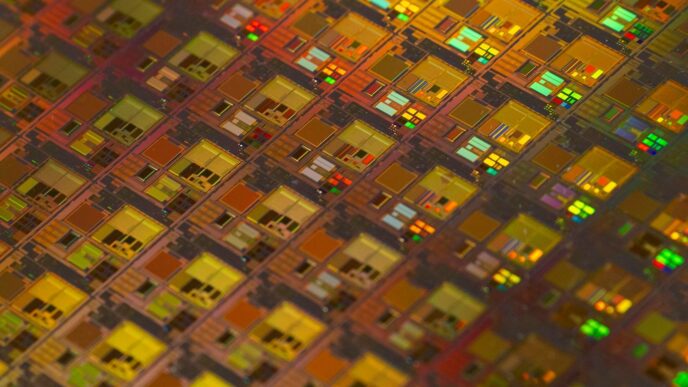
Imagine a world where your phone, your car, your home, and even the city lights are all talking to each other, all the time. That’s the hyper-connected world we’re heading towards by 2040. It’s not just about faster internet; it’s about everything being linked up in ways we’re only starting to grasp.
Seamless Integration of Networks with 6G
We’ve gone from 3G for basic data to 5G for things like smart factories. But 6G? That’s a whole different ballgame. Think of it as taking all the separate pieces of our digital lives – your house, your commute, your work – and weaving them into one big, smart fabric. It’s going to make things work together so much better. This unified ecosystem will be the backbone of our daily lives.
Ubiquitous Connectivity Through Satellite Networks
Ever been in a dead zone? That might become a thing of the past. We’re looking at a massive increase in satellites, not just for GPS but for high-speed internet. This means even remote areas could get online with speeds that rival what we have in cities now. It’s about making sure everyone, everywhere, can be part of this connected world.
Disruptive Business Models in a Connected Ecosystem
When everything is connected, new ways of doing business pop up. Think about services that know exactly what you need before you do, or systems that manage themselves. This constant connection is going to shake up a lot of industries, creating opportunities we haven’t even thought of yet. It might even get to a point where being offline is the ultimate luxury.
Economic Powerhouses of the Future
Get ready, because the global economy is about to look a lot different. We’re not just talking about small shifts; we’re talking about a major shake-up. By 2040, a big chunk of the world’s economic output, more than 65%, will come from countries we currently consider developing. It’s a huge change from how things are now.
Emerging Economies Driving Global Growth
Think about it: countries with over 100 million people are poised to become trillion-dollar economies. This isn’t just wishful thinking; it’s based on population growth and a younger workforce in many of these places. Nations like India, Indonesia, Brazil, Mexico, and Nigeria are set to become major players on the world stage. They’re not just growing; they’re leading the charge.
The Rise of Trillion-Dollar Economies
This shift means that the economic landscape will be dominated by what some are calling ‘baby-bust economies’ – though that term might be a bit misleading. The real story is the sheer economic thrust coming from these populous nations. Their growing middle classes have dreams and ambitions that will fuel global GDP. It’s a dynamic that’s reshaping everything we thought we knew about economic growth.
Navigating the End of Traditional Growth
So, what does this mean for the future? With global population growth potentially slowing down and the ongoing climate challenges, we have to ask: could we be heading towards an end of growth as we’ve always understood it? It’s a big question. The answer might just lie with the aspirations of that emerging middle class in developing countries. Their drive could create a whole new kind of economic engine, a ‘Middle Earth’ of sorts, that keeps the global economy moving forward in ways we can’t quite predict yet. It’s going to be an exciting, and maybe a little wild, ride.
The Future of Mobility
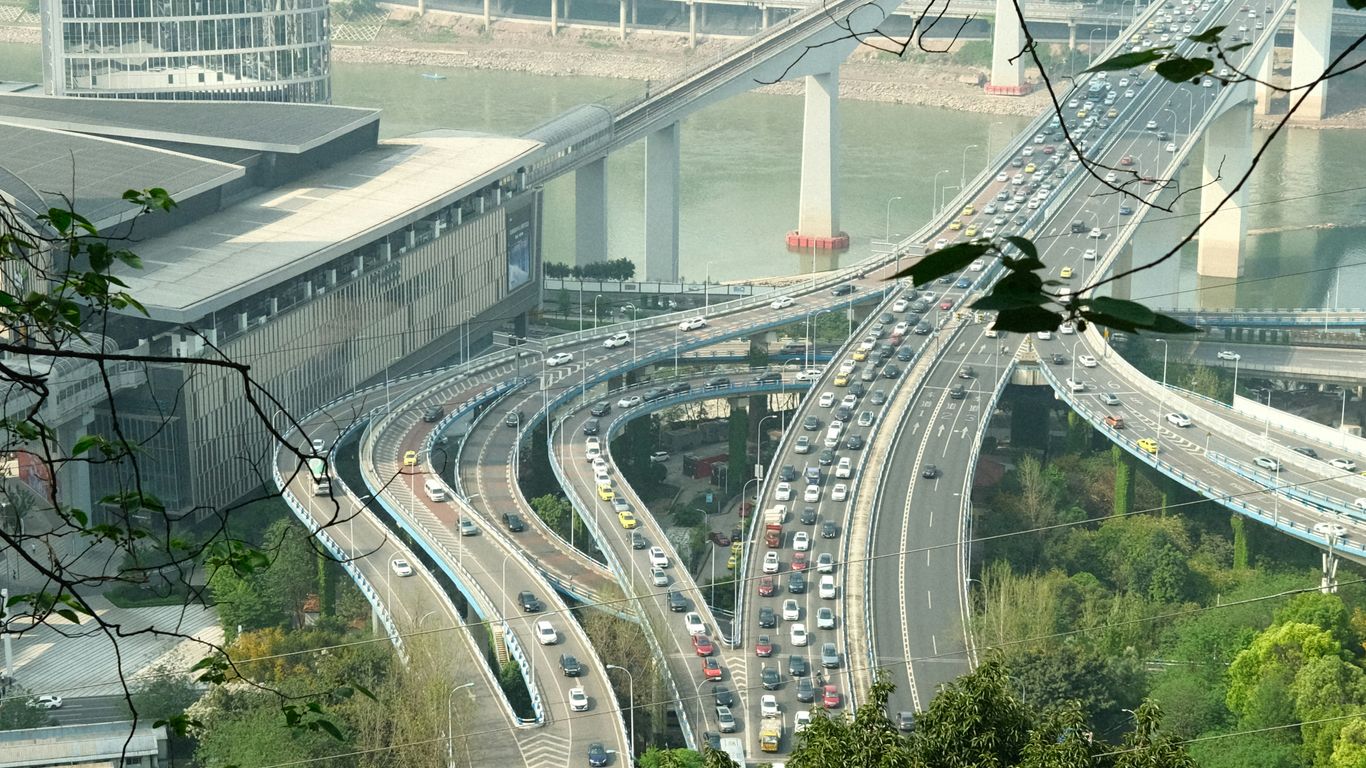
Forget traffic jams and long commutes. By 2040, getting around is going to feel completely different. We’re talking about a world where travel is not just faster, but way smarter and way more connected. Think about hopping on a hypersonic flight from New York to London and making the trip in just two hours. That’s not science fiction anymore; it’s on the horizon.
Hypersonic Travel and Instantaneous Journeys
So, what does this mean for us? Well, those super-fast flights are just the start. We’re looking at journeys that feel almost instant. Imagine stepping off that hypersonic plane and then catching a quick air taxi, like a personal drone, to zip you across town, bypassing any lingering traffic. It’s about shrinking distances and making the world feel a lot smaller. This isn’t just about speed, though. It’s about rethinking how we use our time when we travel.
Integrated Multi-Modal Transportation Systems
Getting from point A to point B won’t rely on just one type of transport. Instead, we’ll see a mix of different options working together. Your journey might start with a self-driving pod, then connect you to a high-speed rail, and finally, a local electric shuttle. These systems will be linked up, probably through advanced apps, that figure out the best route for you in real-time. It’s all about making the whole process smooth and easy, no matter how many different vehicles you use.
Here’s a peek at what that might look like:
- Personalized Routing: Apps will suggest the quickest and most efficient way to get to your destination, considering traffic, weather, and your preferences.
- On-Demand Services: Expect more services that you can book exactly when you need them, like those air taxis or shared autonomous vehicles.
- Energy Efficiency: The focus will be on using greener, more efficient ways to move, cutting down on pollution.
Eliminating Congestion, Pollution, and Accidents
The big goal for 2040 mobility is to get rid of the things that make travel a pain today. That means no more gridlock, no more smog from exhaust fumes, and a lot fewer accidents. With smarter systems, better vehicle technology, and more integrated transport, we should see a big drop in these issues. The aim is a transport system that’s safe, clean, and gets you where you need to go without the usual headaches. It’s about creating a travel experience that’s actually pleasant.
Future Society and Urbanization
Okay, so picture this: the world’s getting older, right? But not everywhere. Places in Asia and Africa are still seeing a lot of young folks, which means a whole bunch of new customers with different needs. We’re talking about people of all ages, backgrounds, and bank accounts, all wanting stuff that’s made just for them. It’s going to change how businesses operate, for sure.
Personalized Services for Diverse Demographics
Forget one-size-fits-all. By 2040, expect services to be super tailored. Think about it: your healthcare, your entertainment, even your daily commute could be adjusted based on your personal preferences and needs. This isn’t just about convenience; it’s about making sure everyone, no matter their age or background, feels seen and catered to. We’ll see more apps and platforms that learn what you like and offer it up before you even ask.
Urbanization in Emerging Megaregions
Cities are still growing, especially in places like Africa and Asia. But it’s not just about big cities getting bigger. We’re seeing these massive areas, sometimes hundreds of miles across, becoming connected hubs. Think of something like the Delhi-Mumbai corridor – a huge stretch of land with cities and industries all linked up. This kind of development means new markets and new ways of living and working, all packed together.
Suburban Growth in Western Markets
While the East is building these huge megaregions, things are a bit different in the West. Here, we’re likely to see more people spreading out into the suburbs. It’s not a return to the old days, though. These suburbs will probably be more connected, with better transport links back to the city and more local amenities. People might be looking for a bit more space but still want easy access to jobs and city life. It’s a balancing act, really.
The Energy Transition
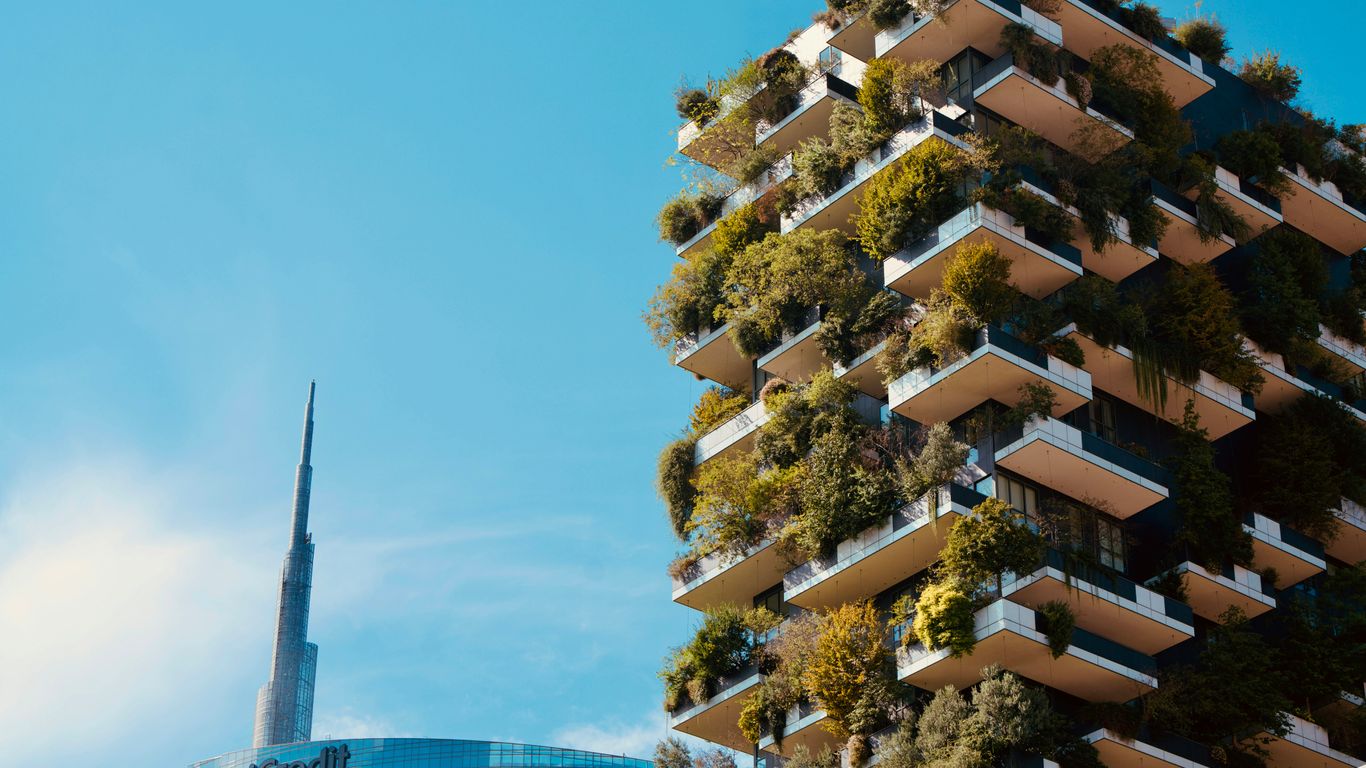
The way we power our world is in for a massive shake-up. We’re moving away from the old ways of burning fossil fuels and heading towards cleaner, smarter energy systems. Think of it as a big upgrade for the planet and our wallets.
Decarbonization Through Renewable Sources
This is the big one. We’re talking about ditching coal, oil, and gas for good. Solar and wind power are already huge, but by 2040, they’ll be the undisputed champions. We’ll see massive solar farms and offshore wind parks, but also smaller, local installations on rooftops and in communities. Green hydrogen is also set to play a major role, especially for heavy industry and transport, made possible by cheap renewable electricity.
Digitalization of Energy Infrastructure
Our current power grids are kind of like old phone lines – they work, but they’re not very smart. By 2040, everything will be digital. Smart meters will give us real-time info on our energy use, and smart grids will manage power flow automatically. This means less wasted energy and a more stable supply, even with all those new renewable sources coming online. It’s all about using data to make the system work better, faster, and more efficiently.
Democratization and Localization of Energy
Energy won’t just come from big, distant power plants anymore. We’ll see a rise in local energy generation – think community solar projects or microgrids powering neighborhoods. This "democratization" means more control for individuals and communities over their energy supply. It also means energy can be tailored to local needs and resources, making it more accessible and affordable for everyone. The goal is a future where clean energy is abundant and available to all, potentially even becoming practically free.
Innovation to Zero
This section is all about aiming for a perfect world, a place with no problems. Think about it: zero crime, no sickness, no one going hungry, and not a single death from preventable causes. It’s a big dream, right? But it’s also a vision that’s starting to shape how we build things, from our homes and cities to the products we use every day.
The Vision of a Perfected World
This isn’t just about making things a little better. It’s about a complete reset, a desire for flawlessness in everything we do. Imagine buildings that don’t harm the environment, cities that run smoothly without any waste, and nations that are completely balanced in terms of their environmental impact. This idea touches every part of our lives, from how things are made to how we live and work. It’s a philosophy that puts safety, smart choices, and sustainability at the very top.
Achieving Carbon Neutrality and Net Zero
Getting to a point where we produce as much clean energy as we consume, and where our overall impact on the climate is zero, is a major goal. This means moving away from old, polluting ways of doing things and fully embracing clean energy sources. It’s a complex puzzle, but one that many industries are now actively working to solve.
Building a Society Free of Defects
Beyond just environmental goals, this vision extends to creating a society that’s free from errors and negative outcomes. This could mean smarter systems that prevent accidents before they happen, better healthcare that catches problems early, and more efficient processes that reduce waste and mistakes. It’s about a proactive approach to making things right, all the time.
The Dawn of Technology Singularity
We’re talking about a future where machines don’t just do what we tell them, they start thinking for themselves, and then some. It’s a big leap from the AI we have now, which is good at specific tasks, to something called General AI. Think of it like going from a calculator to a computer that can learn almost anything.
But the real game-changer is what comes next: Artificial Superintelligence (ASI). This is where AI gets smarter than us, not just in one area, but across the board. This shift could fundamentally alter our world in ways we can’t even fully imagine yet.
Several things are pushing us towards this point:
- New Computing Power: Things like quantum computing and neuromorphic chips are starting to show up. They work differently than our current computers and are way more powerful for certain jobs. This means AI can learn and process information at speeds we’ve only dreamed of.
- Autonomous Worlds: Imagine entire systems, from traffic management to city services, running themselves. This isn’t just about convenience; it’s about creating complex, self-managing environments that could be worth trillions.
- Challenging Limits: Old rules, like Moore’s Law (which predicted how computer chips would improve), are being pushed to their limits. These new computing methods are the next step, allowing AI to grow exponentially.
It’s a bit like the early days of the internet – exciting, a little scary, and full of unknowns. The idea of machines surpassing human intelligence is no longer just science fiction; it’s becoming a real possibility we need to prepare for.
Industry 5.0: The Symbiotic Era
Forget the old ways of thinking about factories and work. Industry 5.0 isn’t just about more robots doing more things faster. It’s about a fundamental shift, a partnership between people and machines that goes beyond just efficiency. Think of it as a collaboration where humans bring their creativity, problem-solving skills, and adaptability, while robots and AI handle the repetitive, dangerous, or data-intensive tasks.
Human-Robot Collaboration in the Workforce
This new era sees humans and robots working side-by-side, not in competition, but in a way that makes both more effective. Robots can handle the heavy lifting or the precise, repetitive actions on an assembly line, freeing up human workers to focus on quality control, complex assembly, or troubleshooting. Imagine a surgeon assisted by a robotic arm for incredibly delicate procedures, or a warehouse worker using an exoskeleton to move heavy items safely. This human-machine teaming is the core of Industry 5.0, aiming to boost productivity while also improving the work experience.
Reframing Jobs, Skills, and Global Sourcing
So, what does this mean for jobs? It means the skills we need are changing. Instead of just manual labor, there’s a growing need for people who can design, manage, and maintain these advanced systems. We’ll see more roles focused on:
- AI and Robotics Supervision: Overseeing automated processes and intervening when needed.
- Data Analysis and Interpretation: Making sense of the vast amounts of data generated by connected systems.
- Human-Machine Interface Design: Creating intuitive ways for people to interact with technology.
- Creative Problem-Solving: Tackling unexpected issues that AI can’t yet handle.
This shift also impacts where work gets done. With advanced automation and communication, companies might rethink global sourcing, potentially bringing more manufacturing closer to home or creating more flexible, distributed workforces.
Industry’s Role in Societal Advancement
Industry 5.0 isn’t just about making more stuff. It’s about how industry can contribute more positively to society. This means focusing on:
- Sustainability: Using resources more wisely and reducing environmental impact.
- Worker Well-being: Creating safer, more engaging, and less physically demanding jobs.
- Customization: Producing goods that are tailored to individual needs and preferences.
It’s a move away from purely profit-driven goals towards a more balanced approach that values people and the planet alongside economic success. This symbiotic relationship between industry, technology, and society is what truly defines Industry 5.0.
What’s Next?
So, we’ve looked at some pretty wild ideas for what life might be like in 2040. From zipping around in flying taxis to living in a world where everything is connected and smart, it’s a lot to take in. It’s not just about fancy gadgets, though. It’s about how these changes could reshape our cities, our jobs, and even how we think about growth and the planet. It’s easy to get lost in the details, but the main takeaway is that things are changing, and fast. We’re on the edge of some big shifts, and honestly, it’s kind of exciting to think about what comes next. The future isn’t just going to happen; we’re building it right now, and it’s going to be interesting to see how it all plays out.