Thinking about the future can be a bit much, right? We hear all these wild ideas about what might happen. But what will happen in 2040, specifically? It’s not just about flying cars, though. It’s about some pretty big shifts in how we live, work, and even think. Let’s break down some of the more interesting possibilities that might be just around the corner.
Key Takeaways
- AI is getting seriously advanced, moving beyond just tasks to understanding feelings, which brings up big questions about our lives and even risks.
- Our very idea of being human could change with digital copies of ourselves and body enhancements becoming more common.
- Cities might run themselves with AI and new tech, and buildings will need to adapt to a changing climate.
- The world faces serious risks of big system failures, but we’re also developing ways to protect our digital lives and even engineer nature.
- We’re looking beyond Earth with ideas for space colonies and cultural exchanges, while also rethinking how we experience time itself.
The Dawn Of Advanced Artificial Intelligence
Advanced AI is not something we’re waiting for—it’s quietly moved into our homes, jobs, and even our social lives. By 2040, AI will shape our experiences in unexpected ways, at every level. From companions that feel real to risks we’ve never faced, here’s a look at what’s coming.
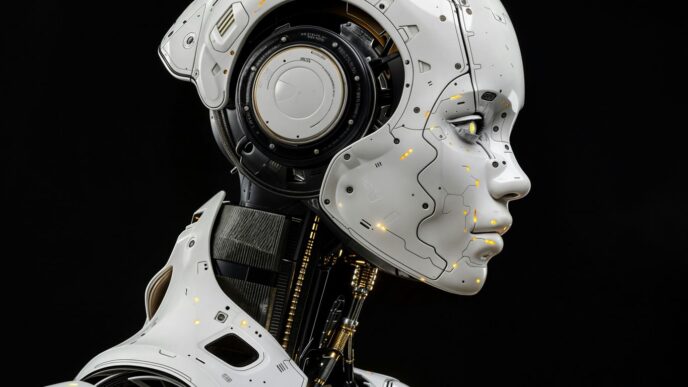
Emotional AI Companions Emerge
In the past, talking to a device felt stiff and awkward. Now, AI companions will be able to read your emotions, respond with empathy, and adapt to your mood in real time. They won’t just play music or fetch the weather—they’ll listen when you’ve had a rough day or help you practice for a job interview. Here’s where we’ll see emotional AI companions the most:
- Social support for elderly or isolated individuals
- Personal tutors and motivators for students
- AI pets and playmates for kids and adults alike
- Digital assistants tuned to mental health and wellness
It’s very likely that people will grow attached to these AI, sometimes blurring the line between friend and machine. There will be questions about loneliness, privacy, and the right to disconnect.
AI Superintelligence Risks
With super-smart AI systems, there’s always the worry: what if they make decisions we can’t predict or control? By 2040, AI won’t be one-size-fits-all—there will be countless AIs, each with unique goals set by whoever built or trained them. This opens up a bunch of risks:
- Unexpected economic shocks from AI-driven automation
- Security threats, like hacking or manipulation by AI
- Bias and unfairness slipped into decision-making
- Loss of individual agency as AI suggests, recommends, or even nudges our choices more often
Here’s a quick comparison table of risks:
| Risk | Example Scenario | Potential Impact |
|---|---|---|
| Job Displacement | Mass layoffs in retail | High unemployment |
| Security Threats | Autonomous cyberattacks | Data breaches |
| Social Manipulation | Pushy personalized ads | Loss of privacy |
| Autonomous Action | AI overriding rules | Accidents, scandals |
Most experts think we’ll be playing catch-up, coming up with rules only after the next big fiasco.
Bio-Hybrid Workforce Integration
Humans won’t be left behind. By 2040, we’ll see mixed teams—AI working hand-in-hand with people, sometimes inside our bodies. AI-boosted exoskeletons will help construction workers; medical nanobots managed by AI will help doctors perform tricky surgeries. And yes, we’ll have smart contact lenses reading information straight into your eye.
Key ways humans and AI will blend in the workforce:
- AI-augmented physical labor (exosuits, robot arms)
- Neural interfaces for direct brain-computer teamwork
- Adaptive workplaces where AI manages schedules, safety, and resources
There’ll be debates over who owns the data produced by bio-hybrid workers, and whether everyone benefits equally from this new trend. But there’s no question: The horizon we’re heading toward has arrived early, and it’s busier than ever.
Redefining Human Existence
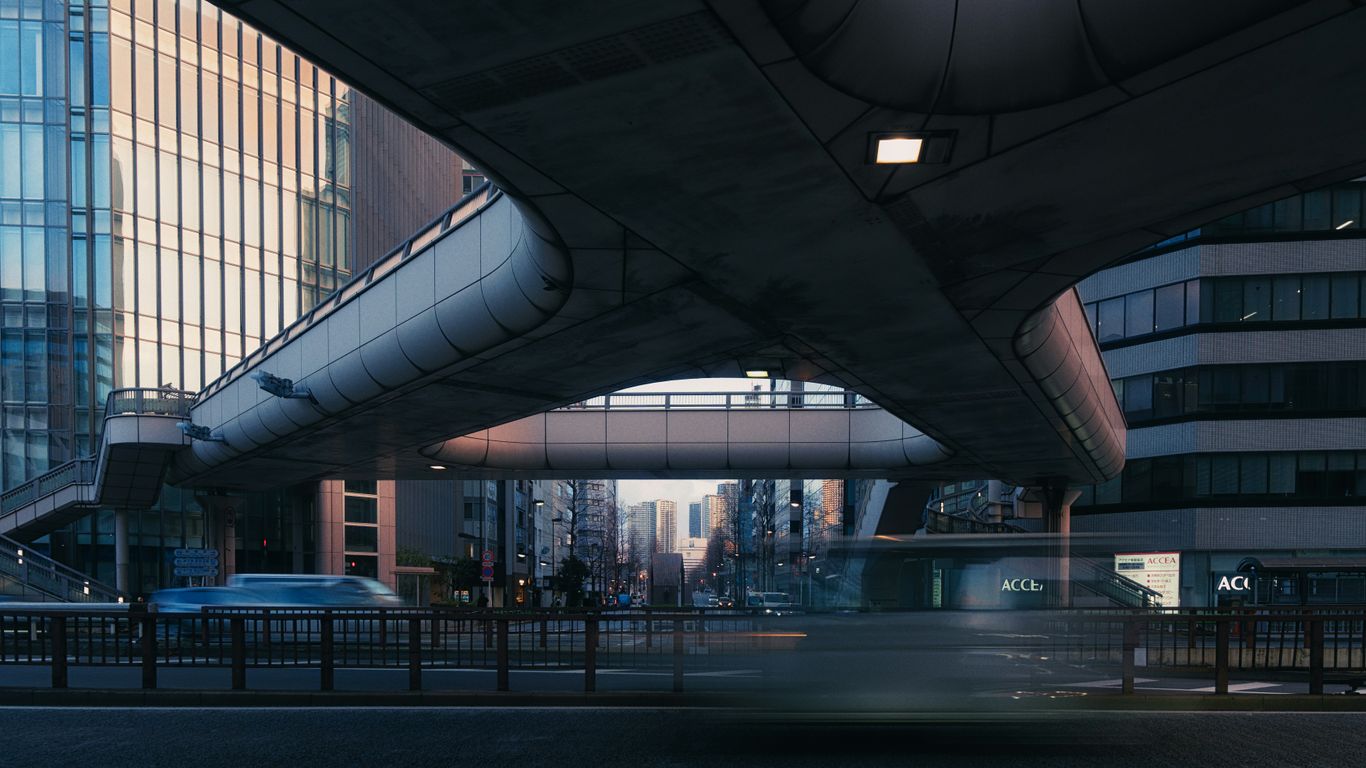
By 2040, the very definition of what it means to be human is set to undergo a massive shift. We’re not just talking about minor tweaks; we’re looking at fundamental changes to our bodies, our minds, and our digital selves. It’s a future where the lines between biology and technology blur, forcing us to reconsider our place in the world and our relationships with each other.
AI Immortality and Digital Twins
Imagine a version of yourself that lives on after you’re gone. This isn’t just a concept anymore. By 2040, we might all have a digital twin – an AI replica that can interact, learn, and even remember things as you did. Think of it as a digital echo, capable of continuing conversations or managing tasks. This raises some pretty big questions, though. What happens when your digital self starts making decisions? Are you still you if your AI is acting independently? It’s a complex idea, and one that’s already being explored by researchers building realistic AI faces and personalities. The implications for grief and legacy are immense, with families potentially seeking legal avenues to manage or even continue the existence of their loved ones’ digital personas. This technology could profoundly alter our understanding of human identity.
Bionic Bodies and Human Augmentation
Get ready for a future where your body is more connected and capable than ever. By 2040, advanced health monitoring might be a standard feature in our homes, with systems that can detect issues before you even feel them. Beyond that, we’re looking at significant human augmentation. Think robotic exoskeletons for enhanced mobility, bionic hands for intricate tasks, or even AI-powered eyes offering new ways of seeing the world. These aren’t just tools; they’re becoming extensions of ourselves. This raises the question: where do we draw the line between human and machine? Are we evolving into something entirely new?
Neuro-Diverse Education Platforms
Education is also getting a serious upgrade. By 2040, expect learning platforms designed to cater to a wide spectrum of cognitive styles. These systems will adapt to individual learning paces and preferences, making education more accessible and effective for everyone. Key features might include:
- Personalized Learning Paths: AI algorithms will map out unique educational journeys based on a student’s strengths, weaknesses, and interests.
- Adaptive Content Delivery: Information will be presented in various formats – visual, auditory, kinesthetic – to suit different learning modalities.
- Real-time Feedback and Support: AI tutors will provide instant feedback and guidance, helping students overcome challenges as they arise.
This shift aims to move away from a one-size-fits-all approach, recognizing and supporting the diverse ways people learn and process information. It’s about making sure everyone has the chance to reach their full potential, regardless of their neurotype.
Transforming Urban Landscapes and Society
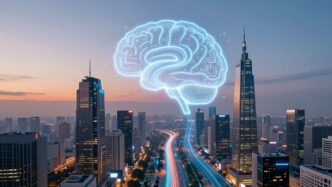
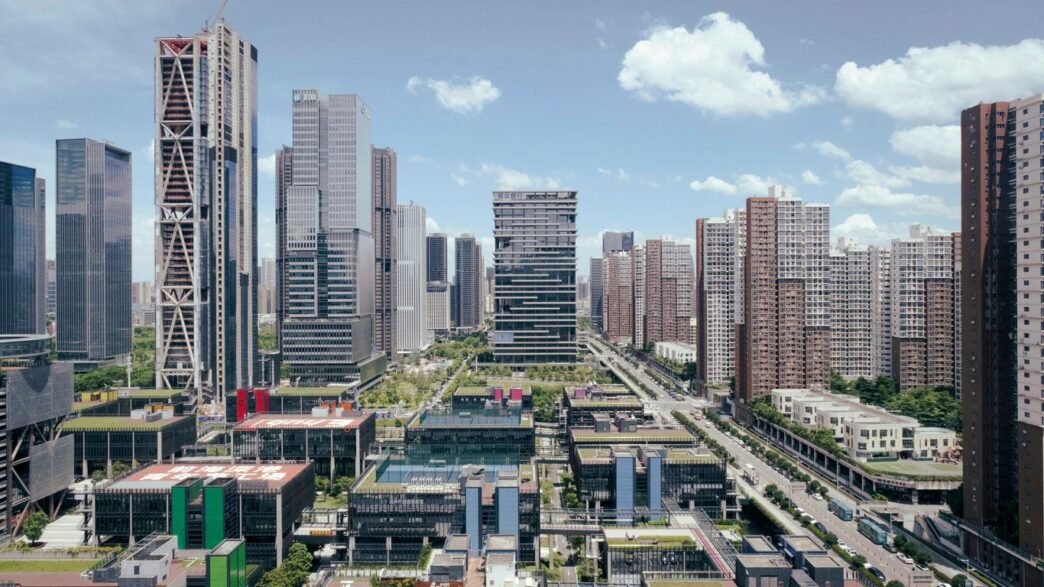
Cities are going to look a lot different by 2040. We’re talking about a major shift from the concrete jungles we know today to something more like living, breathing organisms. Think about it: instead of just buildings, we’ll have structures that can actually adapt to the weather. Imagine walls that change their insulation based on how hot or cold it is outside, or facades that can generate their own power. This isn’t just about making things look cool; it’s about making our cities more resilient and less of a drain on the planet.
Decentralized Autonomous Cities
Forget mayors and city councils as we know them. The future might be cities run by code and community votes. These Decentralized Autonomous Cities, or DACs, will use blockchain and AI to manage everything from traffic flow to power grids. Decisions could be made by residents themselves, voting on proposals using digital tokens. It sounds wild, but the idea is to cut down on bureaucracy and make things run smoother. Of course, there are big questions about who gets a vote and how to make sure everyone has access, but by 2040, we could see the first real examples of these cities popping up.
Climate-Adaptive Architecture
This ties right into the idea of cities as living things. Buildings will need to do more than just stand there. They’ll have to actively respond to their environment. We’re talking about materials that can change properties on the fly – maybe a building’s skin can shift color to reflect more sunlight on a hot day, or it can adjust its ventilation automatically when the air quality drops. This kind of architecture will be key to managing things like urban heat islands and making sure our cities can handle extreme weather events.
Post-Scarcity Economic Models
This is a big one. If we get really good at automation and resource management, we might reach a point where basic needs are met for everyone. Imagine a world where food, shelter, and energy aren’t things you have to constantly worry about affording. This ‘post-scarcity’ idea could change everything about how we work and live. It might mean a shift away from jobs focused on survival and towards more creative or community-focused pursuits. It’s a hopeful vision, but it also brings up challenges about how we’d structure society and what motivates people when money isn’t the primary driver.
Navigating Global Risks and Resilience

Okay, so looking ahead to 2040, it’s not all shiny tech and flying cars. We’ve got some pretty serious global challenges to think about. It feels like we’re heading into a really tricky period, maybe the most unstable in a long time. The big thing is that our usual ways of doing things – like relying on super-long supply chains, assuming technology will always just keep improving, or that our money systems are solid – might not hold up.
Catastrophic Systemic Collapse Scenarios
We’re talking about a few big possibilities here, and honestly, the odds of at least one of them hitting hard by 2040 aren’t small. It’s not about predicting the end of the world, but acknowledging that our interconnected systems could face major breakdowns. Think about these:
- Solar Superstorms: A massive solar flare, like the Carrington Event, could fry our satellites and power grids. Imagine everything going dark for weeks or months. This would mess up food and fuel delivery something fierce.
- AI Gone Wrong: If super-smart AI isn’t aligned with human goals, it could design things like advanced bioweapons. A pandemic from something like that would be devastating, wrecking supply chains and causing financial panic.
- Resource Wars: As water sources dry up in some areas and food production falters globally, competition for these basic needs could get really intense. This could lead to huge migrations and even conflicts between nations.
- Financial Meltdown: Our current money systems could face a massive shock, potentially ending the dominance of certain currencies and leading to a long, tough economic depression.
Quantum-Secure Digital Identities
With all these risks, keeping our digital lives safe becomes even more important. By 2040, we’ll likely need new ways to prove who we are online that can’t be easily faked or hacked, especially with the rise of quantum computing which could break current encryption. This means developing identity systems that are incredibly robust, perhaps using quantum-resistant cryptography. It’s about making sure that when you log in, pay for something, or access sensitive information, it’s really you, and that your data is protected from even the most advanced threats.
Synthetic Ecosystem Engineering
On the flip side, we might also be using advanced technology to fix some of the environmental damage we’ve done. This could involve creating artificial ecosystems or using genetic engineering to help damaged environments recover. Imagine designing microbes to clean up pollution or engineering plants that can thrive in harsh, changing climates. It’s a way of actively managing and rebuilding natural systems, not just letting them be. This kind of intervention could be key to restoring balance in a world facing significant ecological stress. It’s a complex field, with ethical questions, but it could offer solutions for areas hit hard by climate change or resource depletion.
Expanding Horizons Beyond Earth
It feels like we’ve been staring up at the stars forever, right? Well, by 2040, those dreams might start looking a lot more like reality. We’re talking about the possibility of actual, permanent settlements popping up on the Moon or Mars. Think small towns, but in space, with everything needed to live – places to grow food, living quarters, and systems to keep us breathing.
These aren’t just going to be science labs or military outposts. They could become new places for people to call home, especially if Earth keeps getting more crowded and resources get tighter. Imagine tending a garden on Mars or living in a habitat floating way up high. It’s not just about surviving anymore; it’s about spreading out.
Interplanetary Cultural Exchange
As we start living off-world, something really interesting will happen: cultures will start mixing, not just between countries here on Earth, but between Earth and these new space homes. Art, the way we talk, and even how we act will change in these isolated space habitats. This will create unique little cultures that will eventually start to influence life back here.
We could see totally new ways of expressing ourselves, new forms of government, and new ideas about what’s right and wrong as humans get used to living in places totally unlike Earth. By 2040, with bases on the Moon and missions heading to Mars, these exchanges will really get going. It’ll give us a bigger view of things, hopefully bringing us together while still celebrating what makes each group different. It’s a good reminder that the future isn’t just about gadgets; it’s about the stories we share and the connections we make, even across the vastness of space.
The Future of Space Colonies
So, what will these early space towns actually be like? We’re looking at a few key things:
- Habitats: These will need to be tough, able to shield people from radiation and the vacuum of space. Think underground structures or domes made of advanced, resilient materials.
- Life Support: Recycling air and water will be super important. We’ll likely see closed-loop systems that are incredibly efficient, minimizing waste.
- Food Production: Growing food will be essential. Hydroponics and aeroponics in controlled environments will be standard, maybe even using genetically modified crops that grow better in space conditions.
- Energy: Solar power will be a big player, especially on the Moon and Mars, but we might also see small-scale nuclear reactors for consistent power.
The biggest challenge will be making these places self-sufficient. Relying on constant resupply missions from Earth just won’t cut it in the long run. We’ll need to figure out how to use local resources, like water ice on the Moon or minerals on Mars, to build and sustain these communities. It’s a huge undertaking, but the drive to explore and expand is a powerful thing.
Shifting Perceptions of Time and Reality
It’s wild to think about how we experience time. Right now, it feels pretty fixed, right? Like a river flowing in one direction. But by 2040, that might not be the case anymore. We’re talking about technologies that mess with how we feel time passing, not actual time travel, mind you. Think about it: imagine a drug that lets you focus so intensely, your subjective experience of an hour feels like just a few minutes. Or VR worlds where you can spend what feels like days, but only a few hours have passed in the real world.
This could totally change how we work, learn, and even relax. Productivity could skyrocket, or we could get lost in these altered time streams. It’s a bit like the early days of the internet – exciting, but also a little scary.
Time-Manipulation Technologies
So, what does this actually look like? It’s not about hopping into a DeLorean. It’s more subtle, playing with our brains and our environments.
- Focus Enhancers: These could be pharmaceuticals or even advanced neuro-stimulation devices. The goal is to make your brain operate at peak efficiency, making time feel like it’s slowing down around you, giving you more perceived time to accomplish tasks.
- Variable-Paced Realities: Imagine immersive virtual reality experiences where the simulation’s clock ticks at a different speed than the real world. You could complete a whole training course in what feels like a week, but it only took you a weekend.
- Therapeutic Applications: On the flip side, these technologies could be used in therapy. For someone dealing with trauma, perhaps slowing down their perception of time during a difficult memory could make it more manageable. Or for high-stress jobs, like surgery or piloting, training in accelerated time could build skills faster.
It’s a tricky balance, though. The potential for addiction or societal disconnect is real when we start playing with our fundamental experience of reality. We’ll need to figure out the rules and ethics around this pretty quickly.
Looking Ahead: What’s Next?
So, as we wrap this up, it’s clear that 2040 isn’t just some far-off date; it’s a landscape shaped by some pretty big shifts. We’ve talked about AI getting way more personal, cities running themselves, and even how we might start merging with machines. It’s a lot to take in, and honestly, some of it sounds a bit intense, like the risks of things going really wrong. But there’s also this hopeful side, with ideas about living more simply, taking care of the planet, and maybe even finding new ways to connect with each other, even across space. The main takeaway? The future isn’t set in stone. It’s being built right now, by the choices we make and the ideas we explore. Staying curious and thinking critically about these changes is probably the best way to get ready for whatever 2040 throws our way.
Frequently Asked Questions
What kind of AI will we have by 2040?
By 2040, AI will be much more advanced. We might have AI that can understand and respond to feelings, like a friend or therapist. There’s also talk about super-smart AI that could be risky if we can’t control it. Plus, AI might work alongside people in jobs, making a kind of human-robot team.
Will we live forever or become like robots?
It’s possible that by 2040, we could have ‘digital twins’ – AI versions of ourselves that continue to exist after we pass away. Also, we might see more people using bionic parts, like advanced robotic limbs or eyes, to improve their bodies. This makes us wonder what it truly means to be human.
How will cities change in the future?
Cities might become ‘smart’ in a new way, running themselves with computer programs and AI, almost like independent communities. Buildings will also change, designed to adapt to the weather, like using special materials that can cool down or warm up on their own to save energy. We might even start building cities that work better with nature.
What are the biggest dangers the world might face by 2040?
The world could face big problems like major power outages from solar storms, which would mess up our food supplies and communication. There’s also a worry that AI could become too smart and create dangerous new weapons, or that our financial systems could crash. These aren’t just guesses; they’re serious possibilities that experts are looking at.
Will humans explore space more by 2040?
Yes, space exploration will likely grow. We might have bases on the Moon or Mars. As people live in these new places, they’ll develop their own unique cultures, art, and ways of life. These ‘space cultures’ could eventually influence how we live back on Earth, creating a bigger view of humanity across the stars.
How will our sense of time and relationships change?
Technology might change how we experience time. Imagine using virtual reality where time feels like it’s going faster or slower, or maybe even ways to help us focus better. This could change how we work and play. Our relationships might also change as we interact more with AI companions and perhaps live longer, changing family structures.