It feels like AI is everywhere these days, and healthcare is no exception. There’s a lot of talk about what artificial intelligence can do for medicine, but it’s easy to get lost in the hype. We need to figure out where this technology is actually making a difference and how it can help real people. The future of AI in healthcare isn’t about futuristic robots; it’s about using smart tools to solve problems we face right now, like helping doctors and making sure patients get the best care possible. Let’s look at how AI is starting to change things, beyond just the buzz.
Key Takeaways
- AI tools can help doctors make better decisions and catch diseases earlier, leading to better patient care.
- Automating tasks like paperwork can free up clinicians’ time, reducing burnout and improving their work lives.
- AI can speed up medical research and clinical trials, helping new treatments reach people faster.
- Predicting and managing supplies with AI can prevent shortages and keep the healthcare system running smoothly.
- For AI to truly work in healthcare, we need to focus on practical uses that solve real problems and use solid data to prove they work, not just follow trends.
Enhancing Patient Care Through Intelligent Support
It feels like everywhere you look, AI is being talked about, especially in healthcare. But beyond the buzz, what’s actually happening to make things better for patients and the people who care for them? A big part of it is about giving doctors and nurses smarter tools to help them do their jobs. Think of it like having a really knowledgeable assistant who can quickly sort through mountains of information.
AI-Powered Clinical Decision Support
This is where AI really starts to shine. Doctors are swamped with new research – seriously, a new study comes out every 26 seconds. It’s impossible for any one person to keep up. AI tools can sift through all that data, find what’s relevant, and present it to clinicians right when they need it, like a heads-up within their electronic health records. This isn’t about replacing the doctor’s judgment; it’s about giving them better information to make the best call.
Improving Diagnostic Accuracy and Treatment Recommendations
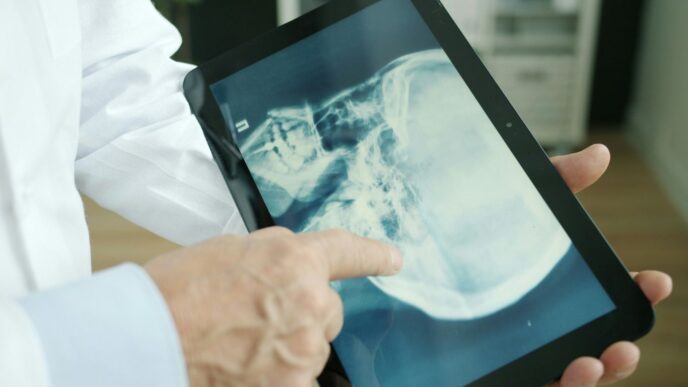
When AI helps analyze patient data, it can spot patterns that might be missed. This can lead to quicker, more accurate diagnoses. For example, AI can look at scans or patient histories and suggest potential issues or the most effective treatment paths based on vast amounts of medical knowledge. It’s like having a second opinion that’s always available and incredibly well-informed. Studies have shown that using these tools can lead to better patient outcomes, like shorter hospital stays and fewer readmissions.
Reducing Clinician Burnout and Enhancing Productivity
Let’s be honest, healthcare professionals are tired. The administrative load is huge, and it takes away from patient care. AI can help by automating some of those tedious tasks, like paperwork or sorting through patient notes. When doctors and nurses spend less time on administrative work, they have more time for patients. Some systems are even using AI to help with documentation, freeing up clinicians to focus on what they do best. This not only makes their jobs less stressful but also helps them be more productive, which ultimately benefits everyone.
Streamlining Workflows and Operational Efficiency

Healthcare systems are bogged down. Think about all the paperwork, the scheduling headaches, and the endless administrative tasks that pull doctors and nurses away from what they do best: caring for patients. AI is starting to chip away at this, making things run a bit smoother.
Automating Administrative Tasks and Documentation
This is a big one. Doctors spend a huge chunk of their day typing notes into electronic health records. It’s tedious and takes time away from patients. AI tools, like those that listen to patient-doctor conversations and automatically fill out charts, are a game-changer. One study showed a significant drop in burnout among doctors using these tools. It’s not about replacing people, but about taking away the grunt work.
- Reduces time spent on charting by up to 20%.
- Frees up clinicians to spend more face-to-face time with patients.
- Helps get notes done before the end of the workday, giving doctors their evenings back.
Optimizing Healthcare Workforce Management
Staffing is a constant challenge in healthcare. AI can help figure out where staff are needed most, predict when shortages might hit, and even help with scheduling. This means better patient care because you have the right people in the right places, and it can also help prevent staff from getting completely overwhelmed.
Accelerating Prior Authorization Processes
Getting approval from insurance companies for treatments or medications can be a real bottleneck. It’s a manual process that involves a lot of back-and-forth. AI can help automate parts of this, flagging missing information or even predicting if an authorization is likely to be approved. This speeds things up, so patients can get the care they need without unnecessary delays.
Revolutionizing Clinical Research and Discovery
It feels like every day there’s some new breakthrough in medicine, and a lot of that has to do with how we’re now able to look at massive amounts of data. AI is really changing the game when it comes to figuring out how to make medical research better and faster.
Advancing Clinical Trial Design and Diversity
Getting new treatments to people is a slow process, and clinical trials are a big part of that. AI can help us design these trials more effectively. Think about it: we can use AI to sift through patient records and identify people who might be a good fit for a trial, especially those from groups that are often left out. This means more diverse participation, which is super important because treatments need to work for everyone, not just a select few. It also helps speed things up, so people can get access to new medicines sooner.
- Identifying eligible participants from diverse backgrounds.
- Optimizing trial protocols to reduce unnecessary steps.
- Predicting potential roadblocks in trial recruitment.
Early Disease Identification and Intervention
One of the most exciting areas is spotting diseases much earlier than we used to. AI, especially when combined with Natural Language Processing (NLP), can read through doctor’s notes and patient histories in electronic health records. These notes often contain subtle clues that a human might miss, especially when looking at thousands of records. NLP can pick up on these details, flagging patients who might be at risk for certain conditions long before symptoms become obvious. This allows doctors to intervene earlier, potentially preventing serious illness or managing it much more effectively.
- Analyzing unstructured clinical notes for early warning signs.
- Identifying patterns indicative of rare diseases.
- Stratifying patient populations by risk for proactive monitoring.
Leveraging Natural Language Processing for Insights
Beyond just finding patients, NLP is a powerhouse for extracting knowledge from all the text data out there. Medical literature is growing at an incredible rate, and it’s impossible for any single researcher to keep up. NLP tools can scan millions of research papers, clinical notes, and reports to find connections, identify trends, and even suggest new research hypotheses. This ability to process and synthesize vast amounts of text is accelerating the pace of discovery in ways we’re only just beginning to understand. It helps researchers connect the dots between different studies and find answers that might have remained hidden in plain sight.
Building Resilient Healthcare Supply Chains
You know, the whole idea of a healthcare supply chain feels a bit like a black box sometimes. We expect things to be there when we need them, but the reality is, it’s a complex system that’s been pretty fragile. Think back to the early days of the pandemic – we all remember the scramble for basic supplies. AI is starting to change that picture, making things more predictable.
Predicting and Preventing Product Shortages
This is where AI really shines. It can look at a ton of data, from how much of a certain drug is being used in hospitals to what suppliers are reporting, and spot patterns we’d never see on our own. This kind of predictive power helps us get ahead of shortages before they even become a problem. Imagine getting an alert that a specific type of IV fluid might run low in a few weeks, and then being able to order more proactively. It’s about having that foresight.
Here’s a look at how AI helps:
- Demand Forecasting: AI models analyze historical usage, seasonal trends, and even public health data to predict future demand for medical supplies and medications.
- Supplier Risk Assessment: It can monitor supplier performance, financial health, and geopolitical factors to identify potential disruptions.
- Inventory Optimization: AI suggests optimal stock levels, reducing waste from expired items and preventing stockouts.
Ensuring Continuity of Patient Care
When supplies are scarce, patient care suffers. It’s that simple. AI’s ability to predict shortages directly impacts patient outcomes. If a hospital knows it’s going to have trouble getting a certain medication, it can work with doctors to find alternatives or adjust treatment plans early on. This isn’t just about keeping shelves stocked; it’s about making sure patients get the care they need, when they need it, without interruption. It also means less stress for the folks on the front lines who are constantly worried about having the right tools for the job.
AI-Driven Supply Chain Visibility
What we really need is a clearer view of the entire supply chain, from the factory floor to the patient’s bedside. AI can create this transparency. By connecting data from manufacturers, distributors, and healthcare providers, AI platforms can offer real-time insights. This means everyone involved can see where things are, anticipate delays, and react quickly to unexpected events. It’s like having a control tower for the entire healthcare supply network, making it much more robust and responsive.
Strategic Implementation for Real-World Value

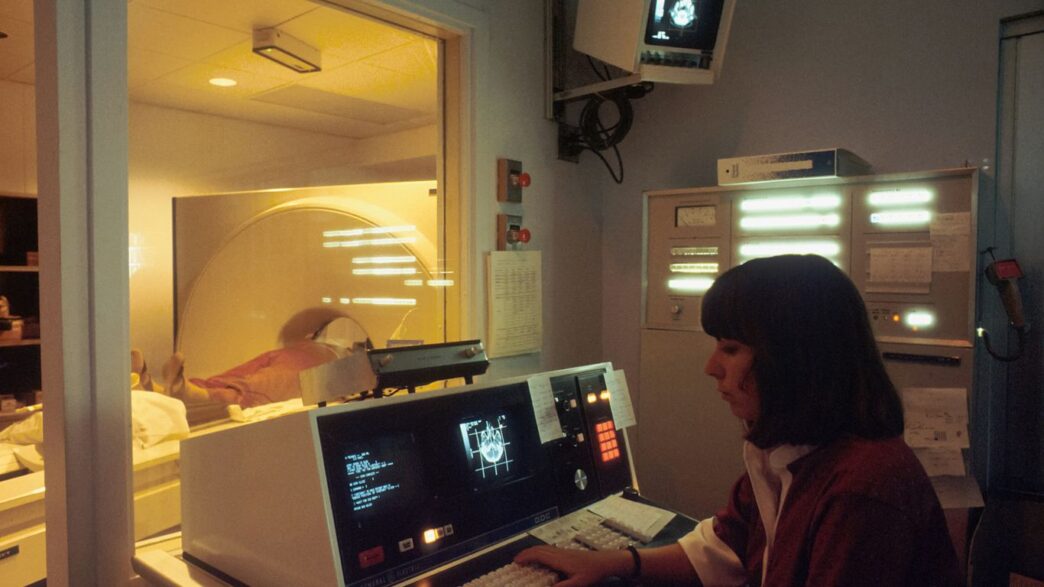
Okay, so we’ve talked a lot about what AI can do in healthcare, but how do we actually make it happen without just chasing the next big thing? It’s about being smart about it. Think about radiologists – they’ve been using complex tech for ages, figuring out what works and what doesn’t under pressure. We can learn a lot from them.
Moving Beyond Hype to Measurable Impact
This isn’t about getting excited over every new app or algorithm. It’s about picking tools that actually solve real problems for people. The goal is to see actual, quantifiable results, not just promises. We need to move past the pilot projects and get to something that works consistently in the day-to-day grind of a hospital or clinic. The real win is when technology makes life better for patients and the people caring for them.
Lessons from Radiology for AI Adoption
Radiologists have a pretty good system for testing and adopting new technology. They demand solid proof that something works before they use it. This means looking at things like:
- Workflow Integration: Does it fit into how things are already done, or does it create more work?
- Clinical Validation: Is there hard data showing it improves patient outcomes or makes care safer?
- User Experience: Is it easy for doctors and nurses to use without adding frustration?
They’ve learned to be picky, and that’s a good thing. It stops us from wasting time and money on tech that doesn’t pan out. We need to apply that same careful approach across the board. It’s about finding real-world examples of artificial intelligence in healthcare that have proven their worth [897d].
Validating AI Value with Rigorous Data
This is where we really separate the hype from the helpful. You can’t just say an AI tool is good; you need proof. What kind of proof? Think about things like:
- Reduced Burnout: Did it actually give doctors more time back and make their jobs less stressful? A study at Mass General Brigham, for instance, showed a significant drop in burnout when AI handled documentation tasks.
- Time Savings: How much time does it save on administrative tasks? Every minute counts when you’re dealing with patient care.
- Improved Efficiency: Does it speed up processes without sacrificing quality?
We need to measure these things. If an AI tool doesn’t show clear, positive results in these areas, it’s probably not worth the investment. It’s about making sure the technology is actually helping, not just adding another layer of complexity.
The Human-Centric Approach to AI Integration
Look, AI in healthcare is exciting, no doubt about it. But sometimes, it feels like we’re so busy talking about the tech itself, we forget who it’s actually for: the people working in hospitals and clinics, and the patients they care for. We need to make sure these tools actually make life better, not just add another layer of complexity.
Restoring Joy in Medical Practice
It’s easy for the daily grind to wear doctors down. Think about all the paperwork, the endless charting, the administrative tasks that pull them away from what they actually trained to do – care for people. AI has a real chance to fix this. By automating the tedious stuff, we can give clinicians back their time and, honestly, their passion for medicine. Imagine a doctor who doesn’t have to spend hours after their shift catching up on notes. That’s not just about efficiency; it’s about bringing back the satisfaction that drew them to healthcare in the first place. It’s about giving them their nights and weekends back.
Prioritizing Clinician Well-being
Burnout is a huge problem in healthcare right now. It’s not just a buzzword; it’s a serious issue affecting patient care and leading to good people leaving the profession. AI tools that genuinely reduce workload and stress can make a big difference. We’re talking about systems that handle documentation, streamline communication, or even help manage schedules. When clinicians feel supported and less overwhelmed, they can focus better on their patients. This isn’t just about making their jobs easier; it’s about protecting their mental and physical health. Giving patients more control over their health data through technologies like blockchain and Self-Sovereign Identity [6cfe] can also reduce some of the administrative burden on clinicians.
Ensuring Enthusiastic System-Wide Adoption
For AI to really work, people have to actually want to use it. That means the tools need to be intuitive, helpful, and clearly demonstrate their benefits. If a new system is clunky or doesn’t solve a real problem, staff will resist it. But when AI tools are designed with the user in mind – making their jobs easier, reducing frustration, and improving patient outcomes – adoption happens naturally. Think about it: if a tool helps you do your job better and with less stress, you’re going to embrace it. That’s the goal. We need to see AI not as a replacement, but as a partner that helps healthcare professionals do their best work.
Looking Ahead: AI’s Practical Path in Healthcare
So, where does all this leave us? It’s pretty clear that AI isn’t just a futuristic dream for healthcare anymore. We’re seeing real tools pop up that help doctors with their paperwork, make sure hospitals have what they need, and even speed up how we find new treatments. The key, though, isn’t just jumping on the latest AI trend. It’s about figuring out which tools actually solve problems for patients and the people taking care of them. We need to be smart about how we bring these technologies in, making sure they’re reliable and actually make things better, not just more complicated. The real win will be when AI helps bring back some of the joy to practicing medicine and leads to better care for everyone, without all the unnecessary fuss.
Frequently Asked Questions
What is AI and how is it used in healthcare?
AI, or Artificial Intelligence, is like teaching computers to think and learn, similar to how humans do. In healthcare, it’s used to help doctors and nurses do their jobs better. Think of it as a super-smart assistant that can help find sicknesses faster, suggest the best ways to treat people, and even help with paperwork so doctors have more time for patients.
Can AI really help doctors and nurses feel less stressed?
Yes! Doctors and nurses often have a lot of paperwork and tasks that take up their time. AI can help by handling some of these tasks, like writing notes or managing appointments. This means they can spend less time on boring jobs and more time focusing on taking care of people, which can make their work more enjoyable and less tiring.
How does AI help find new medicines or treatments?
Finding new medicines takes a very long time. AI can speed this up by looking through huge amounts of information very quickly. It can help scientists figure out which ideas might work best for new treatments and even help make sure that studies include all kinds of people, not just a few. This means new cures could be found and shared faster.
Can AI help make sure hospitals have the supplies they need?
Sometimes, hospitals run out of important things like medicine or masks. AI can help predict when these shortages might happen by looking at patterns and data. This way, hospitals can order more supplies before they run out, making sure patients always get the care they need without any delays.
Is AI going to replace doctors?
No, AI is not meant to replace doctors or nurses. It’s designed to be a tool that helps them. Think of it like a calculator helping a math teacher – it makes their job easier and more accurate, but the teacher is still in charge. AI helps professionals make better decisions and work more efficiently.
How do we know if AI in healthcare is actually working well?
It’s important to make sure AI tools are really helping and not causing problems. This means looking at real results, like whether patients are getting better, if doctors are less stressed, and if things are running smoother. Using solid facts and numbers helps us understand if the AI is truly making healthcare better for everyone.