We’ve all heard the buzz about the Internet of Things, or IoT, for years. It sounds futuristic, and sometimes it feels like just a bunch of fancy words. But what if we actually looked at how this stuff is being used right now, in real life? Forget the far-off promises for a second and let’s check out some actual internet of things examples. Turns out, this technology is already doing some pretty cool and useful things, from making our homes smarter to changing how we grow food and even how doctors take care of us. It’s not just about gadgets; it’s about practical applications that can make a difference.
Key Takeaways
- Smart homes use connected devices to manage energy, improve safety, and offer everyday convenience, showing practical internet of things examples in our living spaces.
- In healthcare, the internet of things enables remote patient monitoring, helps spot diseases early with wearables, and improves care through smart medical tools.
- Transportation and logistics benefit from connected cars for safety, smart systems for traffic, and improved efficiency in moving goods.
- Agriculture is seeing boosts in crop yields and better resource use thanks to smart sensors and monitoring, offering more internet of things examples in farming.
- Beyond consumer gadgets, industrial settings are using IoT for predictive maintenance and process optimization, demonstrating its wide-ranging impact.
Transforming Industries With Practical IoT Applications Examples
It feels like we’ve been hearing about the Internet of Things (IoT) for ages, right? Every few years, there’s a new wave of excitement, followed by a bit of a letdown when things don’t quite live up to the sky-high expectations. This cycle of hype is pretty common with new technologies, and IoT is no exception. The key now is to look past the buzzwords and focus on what actually works and provides real value.
Smart Homes Enhancing Daily Living
Smart homes are probably the most familiar IoT application for many of us. Think about it: your thermostat learns your schedule and adjusts the temperature automatically, saving energy and keeping you comfortable. Smart lighting can be controlled from your phone, letting you dim the lights for movie night or turn them off remotely if you forget. Even your coffee maker can be programmed to start brewing before you even get out of bed. These aren’t just fancy gadgets; they’re about making everyday life a little easier and more efficient. The real benefit comes from devices working together to create a more responsive living environment. For example, your smart lock could disarm your security system and turn on the lights when you arrive home.
Healthcare Innovations Through Connectivity
In healthcare, IoT is quietly making big changes. Wearable devices, like smartwatches, can track vital signs such as heart rate and sleep patterns. This data can be sent directly to your doctor, allowing for earlier detection of potential health issues. For patients with chronic conditions, remote monitoring systems can keep an eye on things like blood sugar levels or blood pressure from the comfort of their own homes. This means fewer trips to the doctor’s office and a more proactive approach to managing health. It’s about providing better care, more conveniently.
Revolutionizing Agriculture With Smart Farming
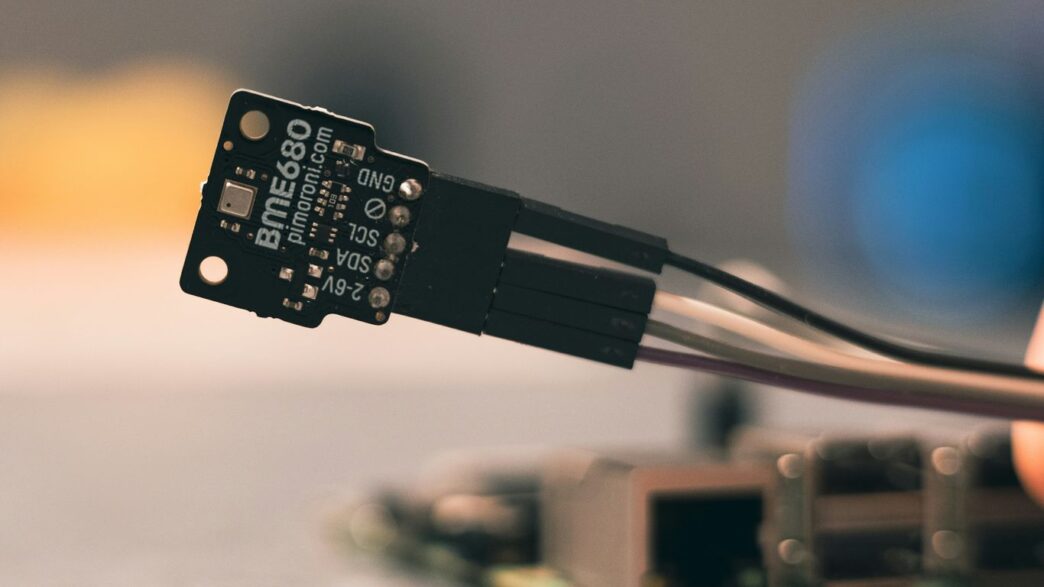
Farmers are using IoT to grow more food with fewer resources. It’s pretty neat, actually. Sensors placed in fields can measure things like soil moisture, nutrient levels, and even how much sunlight the crops are getting. This information helps farmers know exactly when and where to water or fertilize, avoiding waste. Drones can fly over fields, giving a bird’s-eye view and spotting problems early. This precision farming approach can lead to:
- Increased water conservation (studies show up to 30%)
- Reduced costs for fertilizers and pesticides (potentially 35% less)
- Better prediction of crop yields (accuracy improvements of 25%)
This data-driven method is a big step towards more sustainable farming practices.
Optimizing Operations Through IoT Applications Examples
When you think about the Internet of Things, it’s easy to get caught up in the cool gadgets for our homes or the futuristic ideas. But honestly, a huge part of what makes IoT so impactful right now is how it’s quietly making businesses run a lot smoother. It’s not always flashy, but the results are definitely there. We’re talking about making things faster, cutting down on waste, and just generally getting more done with less hassle.
Streamlining Logistics And Supply Chains
Think about all the stuff that has to move around the world every single day. It’s a massive undertaking. IoT is stepping in to make that whole process less of a headache. By putting sensors on everything from trucks to individual packages, companies can see exactly where things are at any given moment. This isn’t just about knowing if your delivery is on time; it’s about making the whole system smarter.
- Real-time Tracking: Forget waiting for manual updates. Sensors provide constant location data, so you know if a shipment is delayed due to traffic or a breakdown. This lets you react quickly.
- Route Optimization: Data from sensors can show which routes are fastest or most efficient, considering things like fuel consumption and delivery windows. This means fewer miles driven and lower costs.
- Condition Monitoring: For sensitive goods like food or medicine, sensors can track temperature, humidity, and even shock. If conditions go out of the safe range, you get an alert before the product is ruined.
This kind of visibility means fewer lost items, happier customers waiting for their orders, and a lot less money spent on unexpected problems.
Enhancing Manufacturing With Smart Factories
Manufacturing has always been about efficiency, and IoT is taking that to a whole new level. Instead of just having machines do their jobs, we’re connecting them. This creates what people call "smart factories."
Imagine a factory floor where machines talk to each other and to the people managing them. Sensors on equipment can tell you how fast they’re running, how much energy they’re using, and if they’re showing any signs of trouble. This information is gold.
- Predictive Maintenance: This is a big one. Instead of waiting for a machine to break down (which stops the whole line), sensors can detect tiny changes that suggest a problem is coming. A technician can then fix it during scheduled downtime, saving a ton of money and avoiding production halts.
- Quality Control: Cameras and sensors can inspect products as they come off the line, catching defects much faster and more accurately than human eyes can. This means fewer faulty items get shipped out.
- Resource Management: Smart factories can monitor energy and material usage in real-time. This helps identify where waste is happening and how to reduce it, making the whole operation more cost-effective and environmentally friendly.
Improving Retail Experiences With Data Insights
Retail is another area where IoT is making a quiet but significant impact. It’s not just about tracking inventory anymore; it’s about understanding shoppers better and making their experience smoother.
Think about smart shelves that know when they’re running low on a popular item, or sensors that track how people move through a store. This data helps retailers make smarter decisions.
- Inventory Management: Automated stock checks mean stores can keep popular items on the shelves and avoid frustrating customers. It also helps prevent overstocking, which ties up capital.
- Customer Flow Analysis: By observing how shoppers navigate the store (anonymously, of course), retailers can figure out the best layout for products and promotions. They can see which displays get the most attention and which areas are often missed.
- Personalized Offers: When combined with loyalty programs, IoT data can help tailor promotions and offers to individual shoppers, making them feel more valued and increasing the chances of a sale. This shift from generic sales to personalized interactions is a key benefit.
These applications help stores run more efficiently behind the scenes while also creating a more pleasant and responsive shopping environment for everyone.
Beyond Monitoring: Actionable Insights From IoT
Look, we’ve all heard about the Internet of Things for years now. It feels like every other week there’s a new gadget or a big promise about how connected devices will change everything. But honestly, a lot of it boils down to just collecting data. That’s fine, but it’s not the whole story. The real magic happens when we take that information and actually do something with it. It’s about moving past just knowing that a machine is running hot and actually having the system automatically adjust its cooling, or even shut down before it breaks.
Predictive Maintenance For Reduced Downtime
Think about it: nobody likes it when a critical piece of equipment suddenly stops working. It throws everything off, costs a fortune in repairs, and can really mess with schedules. IoT sensors can keep an eye on things like vibration, temperature, and pressure. When these readings start to look a little off, it’s a signal that something might be about to go wrong. This lets you schedule maintenance before a breakdown happens. It’s like going to the doctor for a check-up instead of waiting until you’re really sick.
Here’s a quick look at how it works:
- Monitor Key Metrics: Sensors track things like motor vibrations, bearing temperatures, and fluid levels.
- Analyze Trends: Software looks for patterns that indicate wear and tear or potential failure.
- Schedule Proactive Repairs: Maintenance is planned during downtime, avoiding unexpected stops.
- Reduce Costs: Fewer emergency repairs and less lost production time.
Enhanced Security Through Connected Devices
Security is a big one, and it’s not just about keeping hackers out. It’s also about making sure physical spaces are safe. Connected cameras, motion detectors, and even smart locks can give you a much better picture of what’s going on. For example, a factory could use sensors to detect if a door is opened when it shouldn’t be, or if there’s an unusual amount of movement in a restricted area. This kind of real-time awareness means you can react much faster to potential threats.
Some basic security steps to consider:
- Inventory Your Devices: Know exactly what’s connected to your network.
- Isolate IoT Devices: Put them on a separate network so if one gets compromised, it doesn’t affect your main systems.
- Change Default Passwords: Seriously, do this immediately. Use strong, unique passwords.
- Keep Software Updated: Just like your phone, IoT devices need security patches.
Data-Driven Decision Making For Businesses
Ultimately, all this data is useless if it doesn’t help businesses make smarter choices. Instead of just guessing, companies can use IoT insights to figure out the best way to do things. For instance, a logistics company can track its delivery trucks and see which routes are taking too long or using too much fuel. They can then adjust those routes to save time and money. It’s about using the information collected to improve operations, cut waste, and serve customers better. It’s not just about having data; it’s about using it to actually get things done more effectively.
Navigating The Complexity Of IoT Deployments
It feels like we’ve been hearing about the Internet of Things (IoT) for ages, right? Every few years, there’s a new wave of excitement, followed by a bit of a letdown when things don’t quite live up to the sky-high expectations. This cycle of hype is pretty common with new technologies, and IoT is no exception. The key now is to look past the buzzwords and focus on what actually works and provides real value.
Addressing Implementation Challenges
Getting an Internet of Things project off the ground can feel like trying to assemble a complex piece of furniture with vague instructions. Many companies jump in thinking it’s just about adding a sensor here or a bit of wireless communication there. But the reality is, building a truly functional and reliable connected product involves a lot more than meets the eye. It’s easy to underestimate the sheer amount of work and specialized knowledge required. The journey from a simple idea to a fully functional connected product is often longer and more demanding than initially anticipated. It requires a careful balance of hardware, software, and network engineering, alongside a deep consideration for user experience and data security. Companies that succeed are those that acknowledge these complexities upfront and plan accordingly, often by partnering with specialists or utilizing robust IoT platforms to manage the intricate technical layers. For help with connectivity challenges, check out resources on robust, secure, and adaptable IoT networks.
The Nuances Of Building Connected Products
It’s a common misconception that creating an IoT product is as simple as pairing a device with an app. In truth, there’s a whole hidden world of technical hurdles. You’ve got the hardware itself, the communication protocols, the cloud infrastructure to manage all the data, and then the software that ties it all together. Each of these pieces needs to work perfectly with the others, and that’s where things get tricky. Many projects stumble because they don’t account for the intricate middleware that connects the user interface to the actual devices out in the field. This hidden complexity includes things like:
- Making sure devices can talk to each other reliably.
- Handling software updates remotely.
- Making sure everything is secure.
Because building everything from scratch is so difficult, many companies are turning to IoT platforms. These platforms act like a toolkit, providing pre-built components and services that handle many of the complex backend tasks. This approach can significantly speed up development and reduce the risk of failure, making it easier for more businesses to bring connected products to market.
Ensuring Robust Cybersecurity And Data Management
When you’re dealing with connected devices, security isn’t just a feature; it’s a necessity. Think about it: these devices are often collecting sensitive information, and if they’re not properly protected, that data could fall into the wrong hands. This means implementing strong encryption, secure authentication methods, and having a plan for how to handle security breaches if they happen. Beyond security, managing the sheer volume of data generated by these devices is another big challenge. Companies need systems in place to store, process, and analyze this data effectively, turning raw information into actionable insights. Without a solid data management strategy, all that collected information can become overwhelming and useless.
Here are some key considerations for cybersecurity and data management:
- Encryption: All data, both in transit and at rest, should be encrypted to prevent unauthorized access.
- Authentication: Strong, multi-factor authentication should be used for both devices and users accessing the system.
- Regular Audits: Conduct frequent security audits and vulnerability assessments to identify and address potential weaknesses.
- Data Minimization: Collect only the data that is absolutely necessary for the intended purpose.
- Lifecycle Management: Have a clear plan for data retention and secure deletion when it’s no longer needed.
Focusing On Value Creation In IoT Applications Examples
It feels like we’ve been hearing about the Internet of Things (IoT) for ages, right? Every few years, there’s a new wave of excitement, followed by a bit of a letdown when things don’t quite live up to the sky-high expectations. This cycle of hype is pretty common with new technologies, and IoT is no exception. The key now is to look past the buzzwords and focus on what actually works and provides real value.
Learning From Early Adopters’ Successes
Remember those early days when every gadget seemed destined for a smart upgrade, even if it didn’t make much sense? We saw smart refrigerators with screens that did little more than show you the weather. That was a classic case of technology looking for a problem to solve. The real shift is happening when we start with the business problem first. What pain point can connectivity actually address? For instance, in manufacturing, tracking equipment performance to predict failures before they happen saves a ton of money and downtime. That’s not hype; that’s practical business sense. It’s about asking: "How can IoT help us do X better, faster, or cheaper?"
We’ve seen a lot of companies jump into IoT with big plans, and some have definitely stumbled. Others, however, have figured out what works. Take the logistics industry, for example. Companies are using connected sensors to track shipments in real-time, monitor temperature-sensitive goods, and optimize delivery routes. These aren’t just theoretical benefits; they translate directly into reduced spoilage, lower fuel costs, and happier customers. Learning from these successes, and even the failures, helps us avoid common pitfalls and build more effective solutions. It’s about understanding the practicalities of IoT adoption rather than just chasing the latest trend. For example, smart waste disposal systems are making cities more efficient smart cities.
Prioritizing Applications Over Platforms
It’s the APPLICATIONS, stupid! I’ve never subscribed to the ‘field of dreams’ strategy – build it and the players will come. The tech industry has followed this path many times, leading to a number of high-profile failures. And yet, here we are focused on building IoT platforms with no killer app to inspire adoption. Stuck in the vision phase – field of dreams, indeed.
You can only sell businesses on the IoT vision for so long before they demand results. Don’t stop building platforms, but prioritize applications that will inspire businesses to embrace IoT. The industry needs a few good wins under its belt. Some successes that provide interesting best practices include connected thermostat devices that monitor temperatures to more efficiently heat or cool your home. Baby monitors or simple tools to find lost keys are popular too. What these successes have in common is a practical application driving demand for the solution.
The Importance Of User Interface And Accessibility
Sadly, many IoT platforms don’t even have a user interface yet, illustrating how far away the industry is from delivering solid apps. All the functionality in the world is completely useless if key employees cannot access and use it. Getting an Internet of Things project off the ground can feel like trying to assemble a complex piece of furniture with vague instructions. Many companies jump in thinking it’s just about adding a sensor here or a bit of wireless communication there. But the reality is, building a truly functional and reliable connected product involves a lot more than meets the eye. It’s easy to underestimate the sheer amount of work and specialized knowledge required.
It’s a common misconception that creating an IoT product is as simple as pairing a device with an app. In truth, there’s a whole hidden world of technical hurdles. You’ve got the hardware itself, the communication protocols, the cloud infrastructure to manage all the data, and then the software that ties it all together. Each of these pieces needs to work perfectly with the others, and that’s where things get tricky. Many projects stumble because they don’t account for the intricate middleware that connects the user interface to the actual devices out in the field. This hidden complexity includes things like making sure devices can talk to each other reliably, handling software updates remotely, and making sure everything is secure.
Here are some key considerations for value creation:
- Start with the problem, not the tech: Identify a clear business need or pain point that IoT can solve.
- Focus on ROI: Look for applications that demonstrate a clear return on investment, whether through cost savings, increased efficiency, or new revenue streams.
- Keep it simple: Prioritize user-friendly interfaces and accessible applications that employees can easily adopt and use.
- Learn from others: Study the successes and failures of early adopters to avoid common pitfalls and build more effective solutions.
The Evolving Landscape Of IoT Applications Examples
The Internet of Things (IoT) has officially moved from a futuristic buzzword to a foundational technology driving tangible business outcomes today. Far from being a niche concept for tech enthusiasts, real-world IoT applications are reshaping entire industries, optimizing operations, and creating unprecedented value. The global network of connected devices is not just growing; it’s exploding. Projections show the number of connected IoT devices is expected to reach nearly 20 billion by 2025, with the market value soaring to over a trillion dollars. This isn’t just about connecting devices; it’s about harnessing the data they generate to build smarter, more efficient, and more responsive enterprises.
Moving Past Consumer Gadget Hype
For a while there, it felt like IoT was all about smart thermostats and voice assistants. While those are neat, they don’t always show the full picture of what IoT can do. The real game-changers are happening behind the scenes, in places like factories, farms, and shipping yards. We’re seeing a shift from simple consumer gadgets to more complex systems that tackle big operational challenges. Think about it: instead of just a smart fridge, we’re now talking about entire supply chains being tracked in real-time, or farms using sensors to make sure crops get exactly what they need, when they need it. This move away from novelty items means IoT is becoming a serious tool for businesses looking to improve how they work.
Context-Specific Solutions For Real Impact
What’s really exciting is how IoT is being tailored to specific industries. It’s not a one-size-fits-all situation anymore. Different sectors have unique needs, and IoT solutions are being built to meet them head-on. For instance:
- Manufacturing: Smart factories use connected machines to monitor production lines, predict maintenance needs, and reduce waste. This means less downtime and more output.
- Agriculture: Farmers are using sensors to track soil conditions, weather, and crop health. This data helps them use water and fertilizer more wisely, leading to better harvests.
- Logistics: Companies are tracking shipments from start to finish, optimizing delivery routes and giving customers real-time updates. This makes getting goods from point A to point B much smoother.
The Future Of Intelligent Services Enabled By IoT
Looking ahead, IoT is paving the way for entirely new kinds of services. We’re moving beyond just collecting data to using it to offer proactive and intelligent support. Imagine a scenario where your car’s sensors detect a potential issue before it becomes a problem, and it automatically schedules a service appointment for you. Or consider healthcare, where wearable devices can monitor vital signs and alert doctors to any changes, allowing for quicker interventions. The future of IoT is about creating services that anticipate needs and act autonomously to improve our lives and businesses. This shift towards intelligent, context-aware services is where IoT’s true potential lies.
Moving Beyond the Buzz
So, we’ve seen that the Internet of Things isn’t just some far-off idea anymore. It’s out there, actually doing useful things in places like factories, hospitals, and even our own homes. It’s easy to get caught up in all the talk about new gadgets and what might be next, but the real story is how these connected devices are solving actual problems right now. Sure, not every idea has taken off, and there’s still a lot of work to do. But the practical uses we’ve looked at show that IoT is here to stay. The trick is to focus on what makes sense for your specific situation, instead of just chasing the latest trend. Think about how connecting things can genuinely make a process better, save resources, or just make life a little easier. That’s where the real value of IoT is found, moving past the hype and into everyday usefulness.
Frequently Asked Questions
What is the Internet of Things (IoT) in simple terms?
Imagine everyday objects like your lights, fridge, or even a farm sensor having the ability to connect to the internet. This lets them share information and do helpful things automatically, making life easier and more efficient.
Is IoT just a bunch of new gadgets, or is it actually useful?
While there are cool gadgets, IoT is much more than that! It’s already being used in real ways to help homes save energy, make cars safer, and allow farms to use less water while growing more food. It’s about solving real problems.
How does IoT make smart homes work?
In smart homes, connected devices like thermostats, lights, and security cameras work together. They can adjust the temperature automatically to save energy, let you control lights from your phone, or alert you if something unusual happens, all for better comfort and safety.
Can IoT really help businesses and industries?
Absolutely! Businesses use IoT to track products, make sure factories run smoothly, and even predict when machines need fixing before they break. This saves time, money, and makes things work better overall.
What’s the difference between just collecting data and using IoT effectively?
Collecting data is like taking notes. Using IoT effectively means using that data to *do* something smart. For example, instead of just knowing a machine is getting old, IoT helps predict *when* it might break so you can fix it ahead of time, avoiding big problems.
Why is it sometimes hard to set up IoT devices?
Setting up IoT can be tricky because it’s not just one thing. You need devices to talk to each other, send information safely, and have software that makes sense. It’s like building with many different parts that all need to fit perfectly and work securely.