It feels like just yesterday we were all talking about the latest gadgets and breakthroughs. 2018 was a pretty interesting year for new stuff, and some of it really changed how we do things. We’re going to look back at some of the most talked-about 2018 inventions that actually made a difference, beyond just the initial buzz.
Key Takeaways
- CRISPR gene editing continued to show its potential for treating diseases.
- The Tesla Model 3 became more accessible, pushing electric cars forward.
- Smartphones like the iPhone XS and Google Pixel 3 offered better cameras and performance.
- VR headsets like the Oculus Quest made virtual reality more immersive and easier to use.
- The Beyond Meat Burger became a popular plant-based option, changing how people think about meat alternatives.
1. CRISPR Gene Editing
Okay, so CRISPR. It’s this really cool technology that lets scientists make super precise changes to DNA. Think of it like a find-and-replace tool for the genetic code of living things. It’s not exactly brand new, but 2018 was a year where its potential really started to sink in for a lot of people, moving beyond just the lab.
What makes it so impactful is its accuracy and relative ease of use compared to older methods. Scientists can now target specific parts of DNA to fix errors that cause diseases or even add new traits. It’s like having a molecular scalpel.
Here’s a quick rundown of why it’s a big deal:
- Disease Treatment: It holds promise for treating genetic disorders like cystic fibrosis or sickle cell anemia by correcting the faulty genes. Imagine a future where inherited diseases aren’t a life sentence.
- Agriculture: Farmers can use it to create crops that are more resistant to pests, diseases, or harsh weather, potentially helping to feed a growing global population.
- Research Tool: It’s become an indispensable tool for understanding how genes work. By turning genes on or off, researchers can learn about their functions.
The ethical questions are huge, though. We’re talking about editing the human germline – changes that could be passed down through generations. That’s a conversation that’s just getting started and will likely shape our future in ways we can’t even fully predict yet.
2. Tesla Model 3
Okay, so the Tesla Model 3. It feels like ages ago, but back in 2018, this car was a pretty big deal. It wasn’t the first electric car, not by a long shot, but it was the one that really started making EVs feel like a normal, attainable thing for more people. Before the Model 3, electric cars were often seen as quirky, expensive toys for early adopters. Tesla, with the Model 3, aimed to change that perception.
The big promise was a mass-market electric sedan that was actually desirable and didn’t break the bank compared to luxury gas cars. They wanted to prove that electric vehicles could be practical, fun to drive, and still offer a decent range. And for the most part, they pulled it off. It wasn’t without its hiccups, of course. Remember those "production hell" stories? Yeah, Tesla definitely had some growing pains getting these things out the door.
But what did you actually get with a Model 3 in 2018?
- Performance: Even the base models were quick. The instant torque from the electric motor made it feel zippy off the line, which was a fun change from traditional cars.
- Technology: The giant touchscreen in the middle was the centerpiece. It controlled pretty much everything, from navigation and climate to music and car settings. It felt futuristic, maybe a little too futuristic for some, but it was definitely a statement.
- Range: This was a major selling point. While not 1,000 miles like some battery tech is aiming for now, the Model 3 offered a range that made longer trips feel less like a gamble and more like a plan. You could actually drive it without constantly worrying about finding a charger.
- Charging Network: Tesla’s Supercharger network was (and still is) a big advantage. Having access to a reliable and widespread charging infrastructure made owning an EV much more practical.
It wasn’t perfect. Some folks found the minimalist interior a bit stark, and the reliance on the touchscreen for basic functions like wipers took some getting used to. But the Model 3 really did shift the conversation around electric cars. It showed that EVs could be mainstream, and it pushed other car companies to seriously step up their own electric game. It was a turning point, for sure.
3. Apple iPhone XS
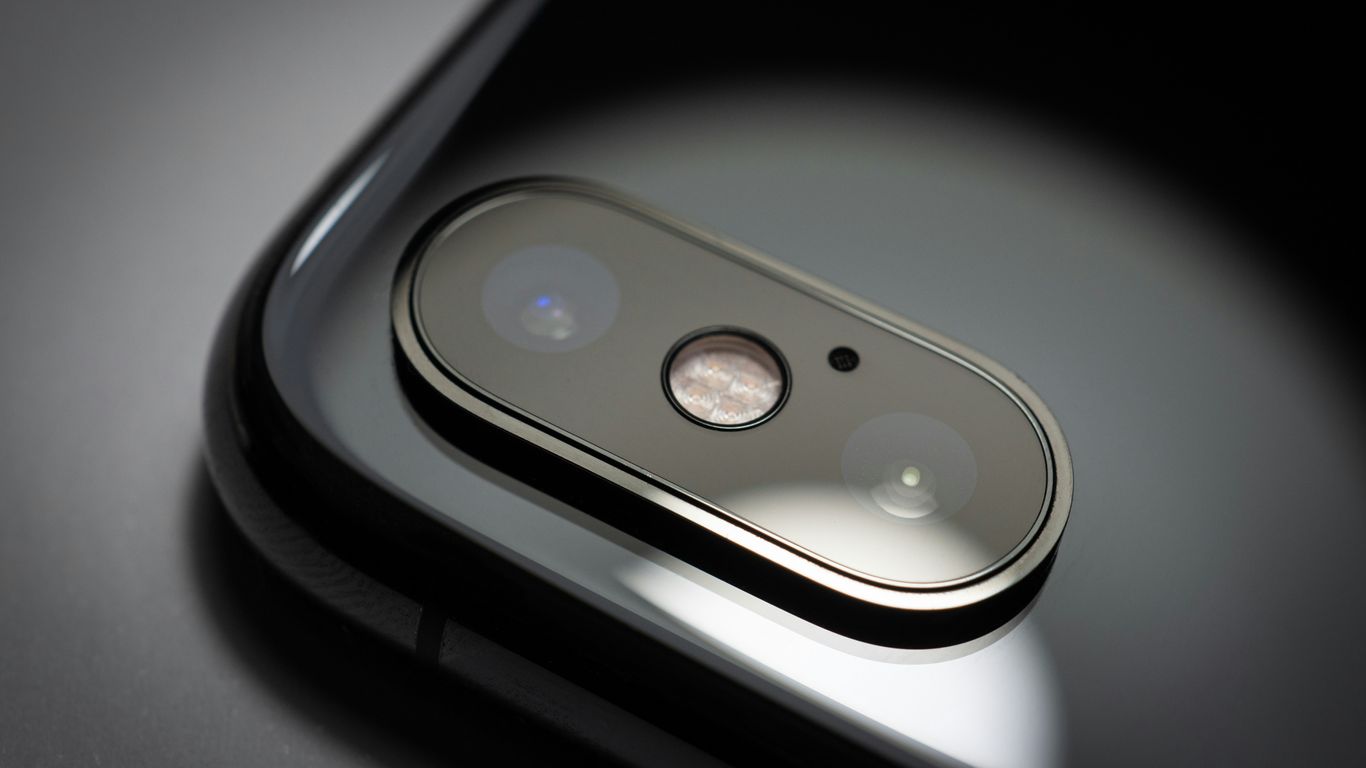
Alright, let’s talk about the iPhone XS. Released in 2018, this phone was kind of a big deal, even if it felt like a smaller step forward than some previous iPhones. It wasn’t a total redesign, but Apple packed in some solid upgrades.
What really stood out was the A12 Bionic chip. This thing was fast, like, really fast for its time. It made everything feel smoother, from opening apps to playing games. Plus, it helped with the camera, especially with that new Smart HDR feature that made photos look better in tricky lighting.
Speaking of the camera, the XS had a dual-lens system that was pretty impressive. It was great for portraits, giving you that nice blurred background effect. And the video quality? Top-notch.
Here’s a quick look at some of its specs:
| Feature | iPhone XS |
|---|---|
| Display | 5.8-inch Super Retina (OLED) |
| Chip | A12 Bionic |
| Rear Cameras | 12MP Wide, 12MP Telephoto |
| Front Camera | 7MP TrueDepth |
| Water Resistance | IP68 (up to 2 meters for 30 minutes) |
| Battery Life | Up to 1 hour longer than iPhone X |
It also came with Face ID, which was still pretty new and felt futuristic. You could unlock your phone, authorize payments, and sign into apps just by looking at it. Pretty neat.
So, while it might not have been a revolutionary leap, the iPhone XS was a really solid, powerful smartphone that continued Apple’s trend of making high-quality devices. It was a refinement, for sure, but a very good one.
4. Google Pixel 3
Alright, let’s talk about the Google Pixel 3. Released back in 2018, this phone was a pretty big deal, especially if you cared about taking good pictures. Google really leaned into its computational photography smarts with this one. The camera was, hands down, the star of the show.
It wasn’t just about megapixels; it was about how the phone processed the image. Features like Night Sight, which came a bit later but was a game-changer, let you take surprisingly clear photos in really low light. It felt like magic compared to other phones at the time. Portrait Mode also got a nice boost, giving you that blurry background effect that makes your subject pop.
Beyond the camera, the Pixel 3 ran on a clean version of Android, which Google always does best. No extra bloatware, just a smooth experience. It also had front-facing stereo speakers, which were pretty decent for watching videos or listening to music without headphones.
Here’s a quick look at some of its specs:
- Display: 5.5-inch OLED (Pixel 3) / 6.3-inch OLED (Pixel 3 XL)
- Processor: Qualcomm Snapdragon 845
- RAM: 4GB
- Storage: 64GB or 128GB
- Rear Camera: 12.2MP dual-pixel
- Front Camera: 8MP wide + 8MP ultrawide
- Battery: 2915 mAh (Pixel 3) / 3430 mAh (Pixel 3 XL)
It was a solid phone that showed what Google could do when it focused on a few key areas. While newer phones have obviously surpassed it, the Pixel 3 really set a high bar for smartphone photography and a clean Android experience. It was a good example of how software could really make a hardware difference, much like how closed-loop neuromodulation uses feedback to refine its output.
5. Oculus Quest
Okay, so 2018 was a pretty big year for virtual reality, and the Oculus Quest really felt like a turning point. Before this, VR felt like it was still mostly for the hardcore tech enthusiasts with all the wires and the need for a powerful PC. The Quest changed that. It was a standalone headset, meaning no PC, no wires, just put it on and go. That alone made it way more accessible for regular folks.
It was the first time VR felt truly untethered and ready for the mainstream.
What was cool was how it handled gaming and other experiences. You could actually move around in your space, and the headset tracked your movements. This wasn’t just looking around; it was interacting with the virtual world in a much more natural way. Think about playing games where you’re actually dodging virtual objects or reaching out to grab things. It made a huge difference in how immersive everything felt.
Here’s a quick look at what made it stand out:
- Standalone Power: No need for a separate computer. Everything you needed was built right into the headset.
- Inside-Out Tracking: Six cameras on the headset tracked your position and the controllers without needing external sensors. Pretty neat.
- Roomscale VR: You could set up a play area in your room and walk around within it, making the virtual experience feel more real.
- Growing Content Library: While not massive at launch, it had a solid selection of games and apps that showed off its capabilities, from action-packed shooters to more relaxed exploration titles.
It wasn’t perfect, of course. The graphics weren’t going to blow away a high-end PC setup, and battery life was just okay. But for what it offered – a genuinely good VR experience that was easy to set up and use – the Oculus Quest was a big deal. It really paved the way for where VR is heading now.
6. Eero Wi-Fi Mesh System
Remember the days of Wi-Fi dead zones? You know, that one corner of the house where your internet just gave up the ghost? Yeah, me too. It was incredibly frustrating, especially when you just wanted to stream something or get some work done without the signal dropping. The Eero Wi-Fi Mesh System really changed the game for a lot of people by making whole-home Wi-Fi actually work.
Instead of one router trying its best to cover your entire place, Eero uses a system of small, puck-like devices. You place one unit near your modem, and then you scatter the other units around your house. They all talk to each other, creating a single, strong Wi-Fi network. It’s pretty neat because your devices automatically connect to the strongest signal as you move around. No more manually switching networks or losing connection when you walk into the kitchen.
Setting it up was surprisingly simple. You basically just plug everything in and use their app to guide you through the process. The app is pretty straightforward, telling you where to put the other units for the best coverage. It’s a big step up from fiddling with router settings that most of us don’t understand anyway.
Here’s a quick look at what makes it work:
- Multiple Units: You get a base station and then add more units to expand your network.
- Smart Roaming: Devices connect to the strongest Eero unit automatically.
- App Control: Easy setup and management through a smartphone app.
- Regular Updates: Eero pushes out software updates to keep the system secure and performing well.
It’s not just about getting rid of dead spots, though. The system is designed to handle more devices connecting at once, which is a big deal these days with all the smart home gadgets we have. For anyone tired of a spotty internet connection, Eero was a pretty big deal back in 2018.
7. Beyond Meat Burger
Okay, let’s talk about the Beyond Meat Burger. In 2018, this plant-based patty really started making waves, moving beyond just a niche health food item and into the mainstream. It wasn’t just about vegetarians anymore; it was about people who liked burgers but wanted to try something different, or maybe just reduce their meat intake.
The goal was simple: create a plant-based burger that tasted and cooked like a real beef burger. And honestly, for a lot of people, they nailed it. It sizzled, it browned, and it had that familiar texture that made you do a double-take. This wasn’t your grandma’s veggie burger, that’s for sure.
What went into it? A mix of pea protein, rice protein, and mung bean protein formed the base, giving it that meaty chew. Then came things like canola oil and coconut oil for juiciness, and natural flavors to mimic that savory taste. They even added beet juice extract to give it that reddish, ‘bloody’ look when you cut into it raw. Pretty clever, right?
Of course, it wasn’t without its debates. Some folks pointed out that while it was plant-based, it was still a processed food. And comparing the nutritional info directly to a plain beef patty could be a bit tricky. For instance, Beyond patties contain significantly more sodium than typical ground beef, which is something to keep in mind if you’re watching your salt intake.
But the impact was undeniable. It pushed the conversation about alternative proteins forward in a big way. It showed that you could have a satisfying burger experience without the beef, and that opened the door for a whole lot more innovation in the plant-based food space. It really felt like a turning point for how we thought about food.
8. Philips Hue Smart Bulbs
Remember when turning on a light was just… flipping a switch? Yeah, me neither, not really. Philips Hue smart bulbs really changed the game for home lighting. It’s not just about turning lights on and off anymore, though you can do that from your phone, which is pretty neat.
What makes these bulbs stand out is the sheer variety of what you can do. You can change the color, adjust the brightness, and even set schedules. Think about waking up to a gradually brightening light that mimics the sunrise, or having your lights dim automatically when you start a movie. It sounds a bit extra, but once you get used to it, it’s hard to go back.
Here’s a quick look at some of the cool things you can do:
- Set the mood: Pick from millions of colors to match your decor or the occasion. Want a cozy warm glow for reading? Or a vibrant blue for a party? You got it.
- Automate your lighting: Create routines for waking up, winding down, or even when you leave the house. Your lights can turn on and off at specific times or when your phone detects you’re home or away.
- Sync with entertainment: Some setups can even sync your lights with music, movies, or games, making for a more immersive experience. It’s not quite Hollywood special effects, but it’s pretty close for a light bulb.
- Voice control: Connect them to your favorite voice assistant (like Alexa or Google Assistant) and control your lights with just your voice. "Hey Google, turn the living room lights blue" – it’s that simple.
The real impact is how it changes your interaction with your home environment. It’s a small thing, but having that level of control over something as basic as lighting adds a layer of comfort and convenience that’s hard to ignore. Plus, they’re pretty energy efficient too, which is always a bonus.
9. Whoop Fitness Tracker
Alright, let’s talk about the Whoop Fitness Tracker. This isn’t your typical step-counting gadget. Whoop focuses more on recovery, strain, and sleep, giving you a really detailed picture of your body’s readiness. It’s designed for people who are serious about training and want to understand how their lifestyle impacts their performance.
Instead of just looking at daily activity, Whoop gives you a daily recovery score. This score is based on your sleep quality, heart rate variability (HRV), and resting heart rate. It helps you figure out if you should push hard in your workout or take it easy.
Here’s a quick look at what it tracks:
- Sleep: It breaks down your sleep into different stages and tells you how much ‘sleep needed’ you’ve accumulated.
- Strain: This measures the physical stress your body is under during workouts and daily activities.
- Recovery: Your daily readiness score, telling you how prepared your body is to perform.
- Heart Rate Variability (HRV): A key indicator of your body’s stress and recovery levels.
It’s a subscription service, which is a bit different from other trackers. You pay a monthly fee, and you get the hardware and all the data analysis. They update the hardware periodically, and you usually get the new version as part of your subscription. It’s definitely aimed at athletes and serious fitness enthusiasts who want to fine-tune their training and avoid overtraining.
10. DJI Mavic 2 Drone
When it comes to drones, 2018 was a big year, and the DJI Mavic 2 really stood out. It wasn’t just another flying camera; it felt like a significant step forward for consumer and prosumer aerial photography and videography. The Mavic 2 Pro, with its Hasselblad camera, offered image quality that was seriously impressive for a drone this size.
What made it so good? Well, DJI packed in a bunch of smart features. The flight performance was smooth, and the new OcuSync transmission system meant a more stable connection and better video feed, even when you were pretty far away. Plus, the obstacle avoidance system was much improved, making it less nerve-wracking to fly in tricky spots.
Here are a few things that made the Mavic 2 a standout:
- Hasselblad Camera (Mavic 2 Pro): This was the big one. A 1-inch sensor and Hasselblad’s color science meant photos and videos looked way better than what most other drones could capture. Think richer colors and more detail, especially in challenging light.
- Improved Flight Time: You could fly for longer, getting more shots or covering more ground on a single battery. This is always a win for anyone using a drone for work or just for fun.
- ActiveTrack 3.0: This subject tracking feature got a lot smarter. It could follow moving subjects more reliably, which is great for capturing action shots or following a vehicle.
- Omnidirectional Obstacle Sensing: This meant the drone could detect obstacles from all directions, not just the front. It made flying feel a lot safer, reducing the chances of an accidental crash.
There were actually two main versions: the Mavic 2 Pro and the Mavic 2 Zoom. The Zoom model let you optically zoom in, which is handy for getting closer shots without actually flying the drone into a potentially risky area. For those looking at specialized uses, DJI also had options like the Mavic 2 Enterprise Dual, which included a thermal camera, showing how versatile these machines were becoming Mavic 2 Enterprise Dual.
Overall, the Mavic 2 series really set a new bar for what you could expect from a foldable, portable drone. It was powerful, smart, and produced genuinely great results, making it a top pick for many in 2018.
Looking Ahead
So, that was a peek at some of the big ideas from 2018. It’s easy to get caught up in the next big thing, but looking back shows us what really stuck and started changing things. These inventions weren’t just flashy gadgets; they were the start of shifts that we’re still seeing today. It makes you wonder what we’ll be talking about in a few years from now, looking back at what’s happening today. The tech world moves fast, that’s for sure.
Frequently Asked Questions
What is CRISPR and why was it a big deal in 2018?
CRISPR is like a super precise tool for editing genes, the instructions inside living things. In 2018, scientists were getting much better at using it to fix genetic problems, potentially leading to cures for diseases. It’s a game-changer for medicine and biology.
Was the Tesla Model 3 really that important in 2018?
Yes, the Model 3 was a big deal because it was Tesla’s first attempt at making a more affordable electric car for many people. It helped show that electric cars could be practical and desirable, not just for the wealthy.
How did the Apple iPhone XS stand out in 2018?
The iPhone XS built on what made iPhones great. It had a faster chip, a better camera, and improved battery life, making it a top choice for people who wanted a reliable and high-quality smartphone experience.
What made the Google Pixel 3 special compared to other phones?
The Pixel 3 was known for its amazing camera, especially in low light. Google’s software smarts made it easy to take fantastic photos without needing to be a pro photographer. It was all about smart features and great pictures.
Why was the Oculus Quest considered a significant invention?
The Oculus Quest made virtual reality (VR) much more accessible. It was a standalone headset, meaning you didn’t need a powerful computer to use it. This made VR easier to jump into for games and experiences.
What problem does a mesh Wi-Fi system like Eero solve?
Mesh Wi-Fi systems, like Eero, fix dead spots in your home where the Wi-Fi signal is weak. They use multiple devices spread around your house to create a strong, consistent internet connection everywhere, making buffering a thing of the past.